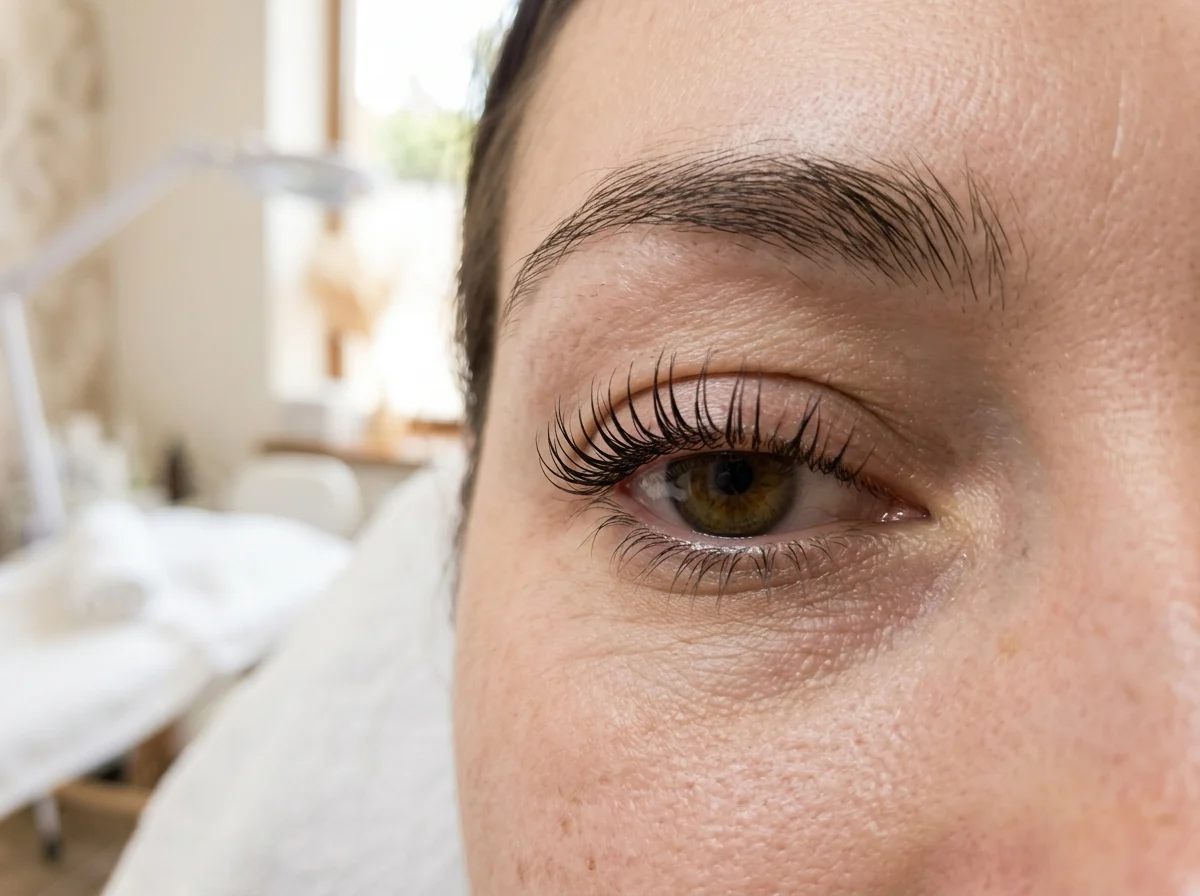
Encountering an over-curled or asymmetrical result can be a significant challenge in a professional salon environment. When a client presents with lashes that are unnaturally tight against the eyelid or appear brittle, it is often the result of improper disulfide bond disruption and reformation during the chemical lifting phase. Understanding how to safely relax these bonds without compromising the integrity of the lashes is essential for maintaining client trust and lash health.
Identifying the Causes of Over-Curled Lashes
Before performing a corrective procedure, a technician must diagnose why the over-curl occurred. A common technical error involves applying the lifting solution too high during classical lash lift – typically beyond three-quarters of the way up the lash, which causes the entire hair shaft to curl rather than creating a lift from the base. Environmental factors also play a role. Elevated room temperatures can accelerate chemical reactions, necessitating a reduction in standard lash lifting timing to prevent over-processing.
The selection of tools is equally critical. Using a shield or rod that is too small for the client’s lash length often results in an excessively tight, “crimped” appearance. Misalignment on the shields or inconsistent tension during the transition can further lead to lash lift asymmetry, where one eye or specific sections of the lash line appear more lifted than others.
Professional Relaxation Techniques
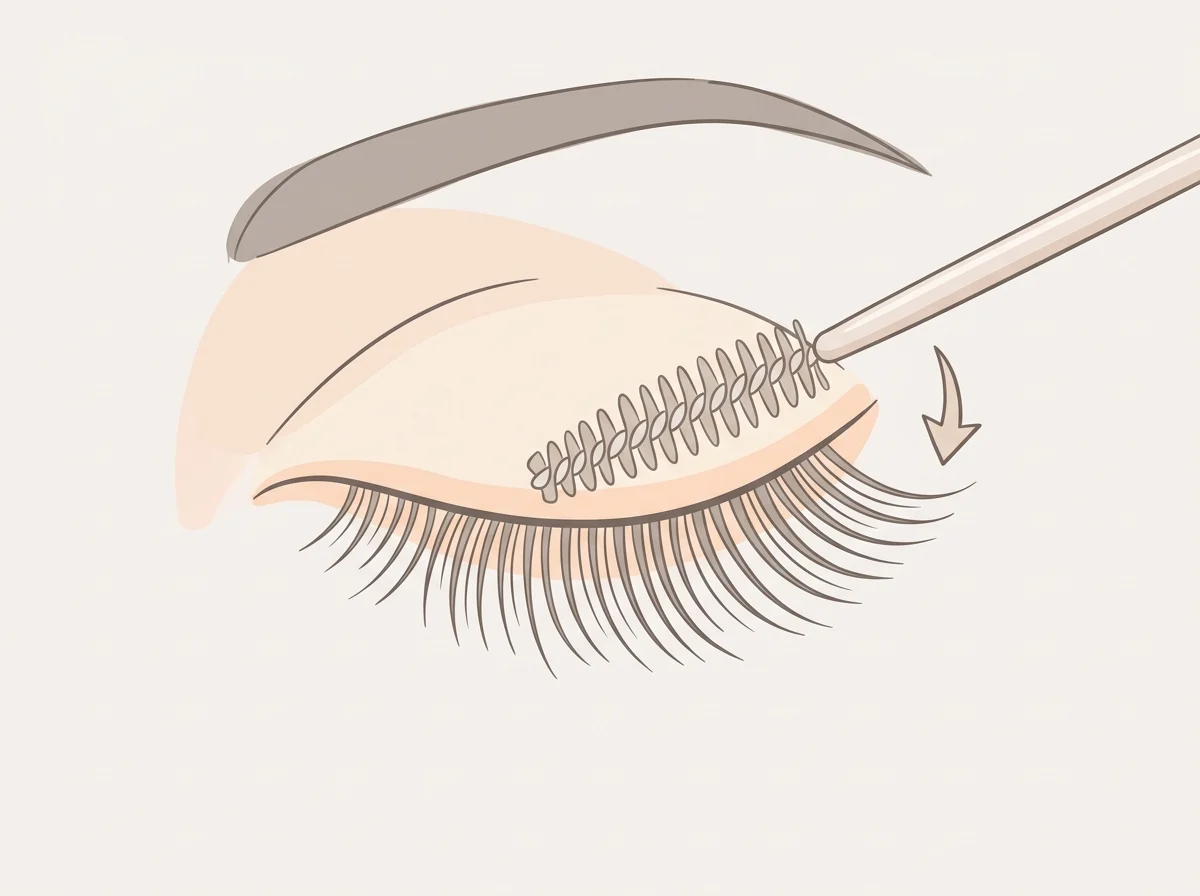
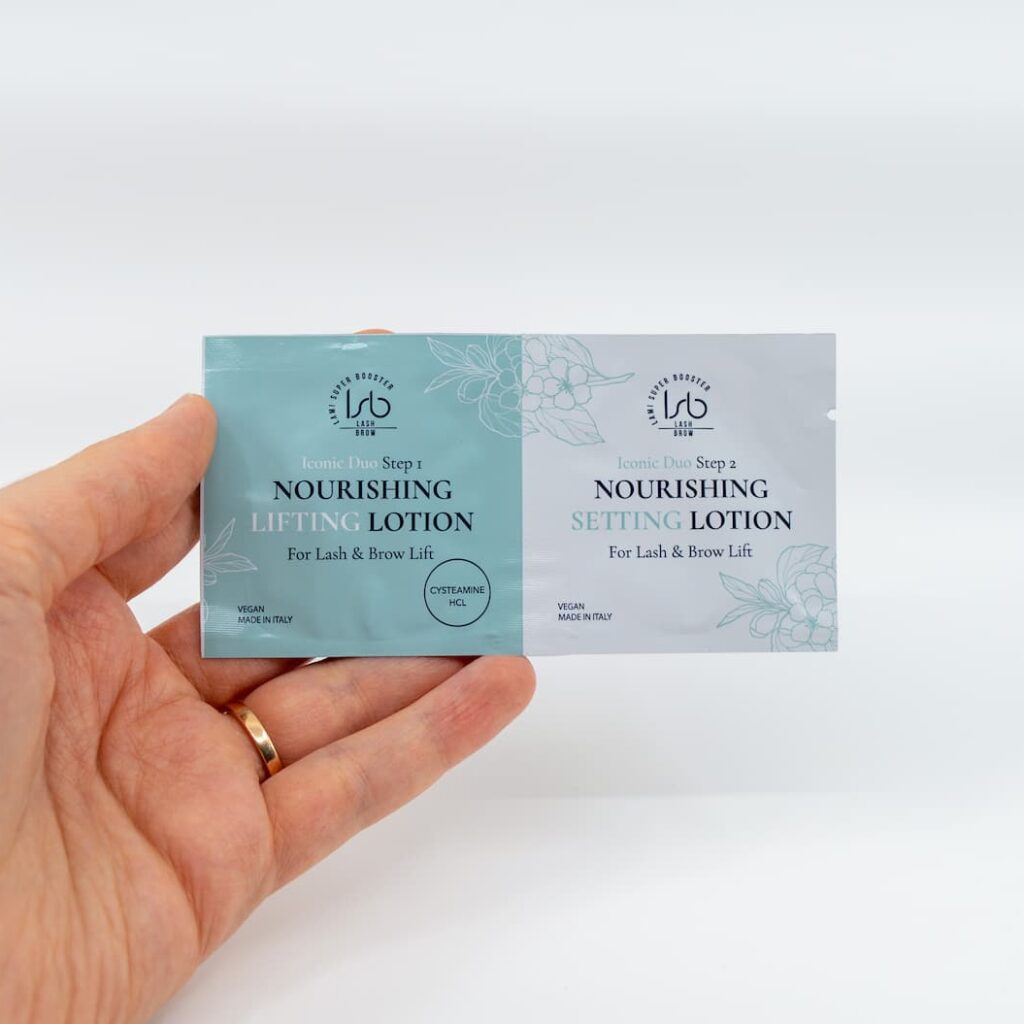
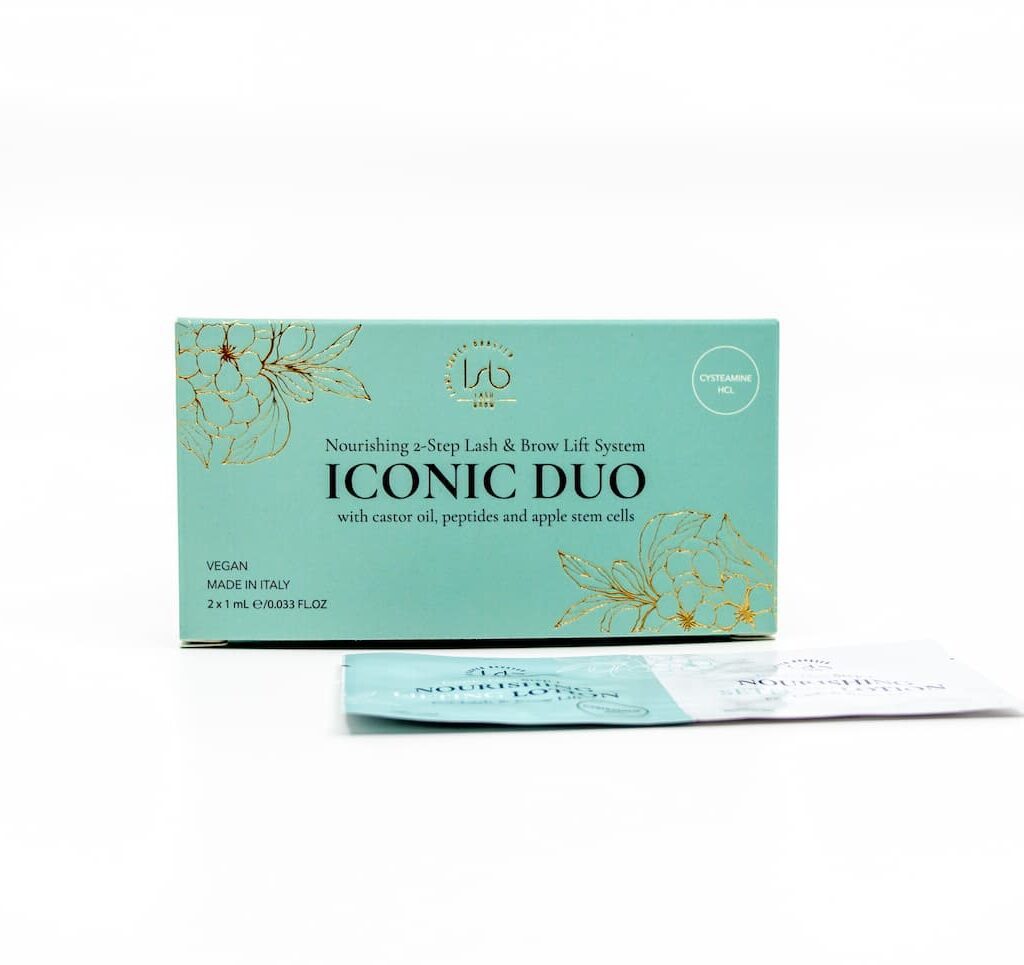
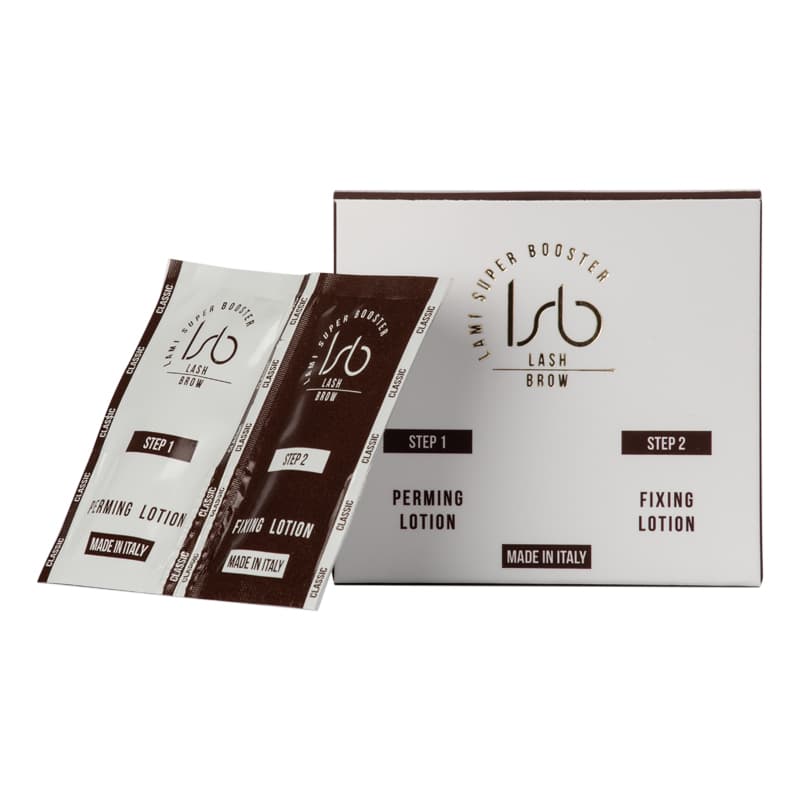
The most effective method for correcting an over-curled lift is a professional relaxation treatment. This involves a shortened re-processing of the lashes to gently break the newly formed bonds and allow them to settle into a more natural position. To perform this, cleanse the lashes thoroughly and apply a small amount of a high-quality lifting solution.
During a relaxation treatment, the solution should typically remain on the lashes for only 2 to 4 minutes. Using a clean spoolie or a specialized tool, brush the lashes downward repeatedly to encourage the curl to relax. It is vital to monitor the lashes constantly, performing “flex checks” to ensure the lashes remain malleable and do not become “mushy.” Once the desired relaxation is achieved, remove the solution methodically and apply a fixing lotion to stabilize the new, softer shape.
Timing and Safety Protocols
The timing of a correction depends heavily on the current health of the lashes. If the over-curl is identified immediately after the initial service and the lashes remain healthy, a targeted reprocessing can often be done within the same session. However, if the lashes appear brittle or the client presents several days later, technicians must evaluate the contraindications for a lash lift to ensure the lashes can withstand further chemical exposure.
For lashes that show signs of chemical stress, it is best to recommend a delayed correction. Advising the client to wait at least one to two weeks allows the hair to recover slightly. During this period, the focus should shift to nourishment, utilizing keratin-infused treatments to close the cuticles and seal in moisture. When performing a delayed correction, the processing time should be reduced by approximately 30% to 50% compared to a standard treatment to avoid further damage.
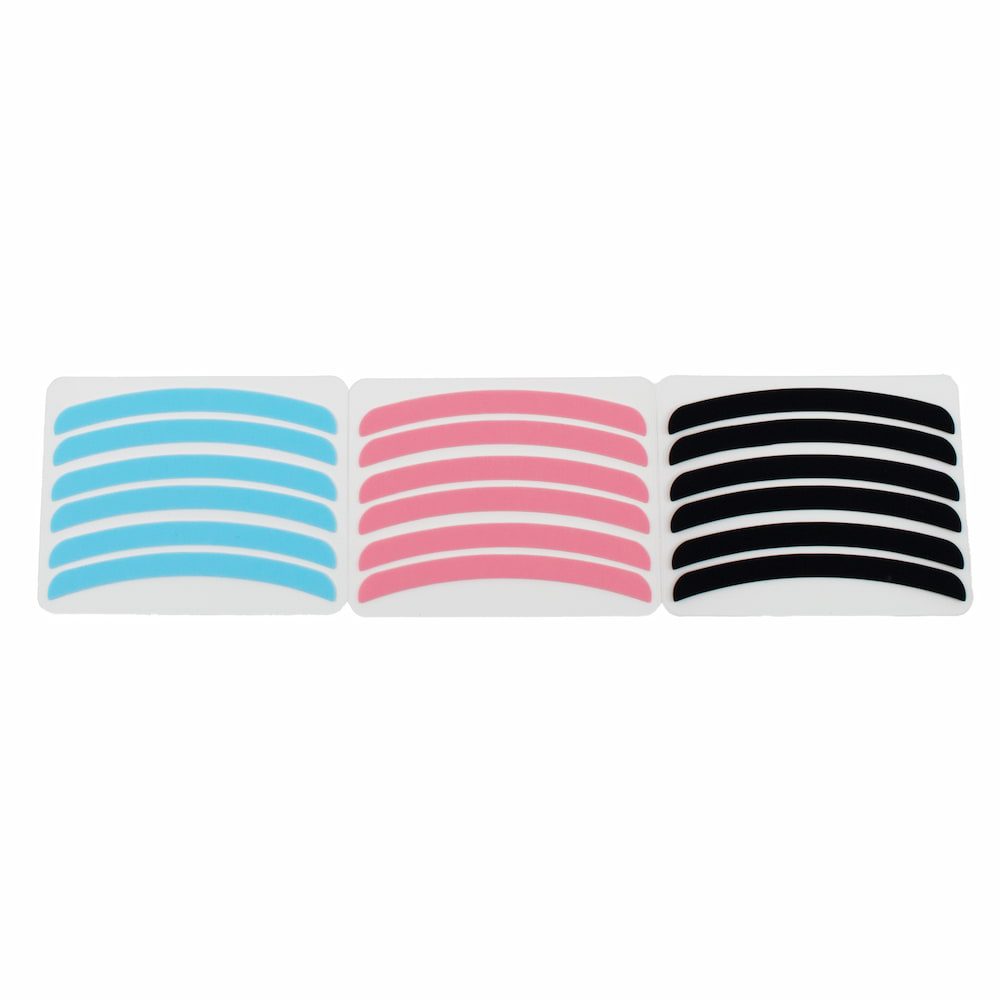
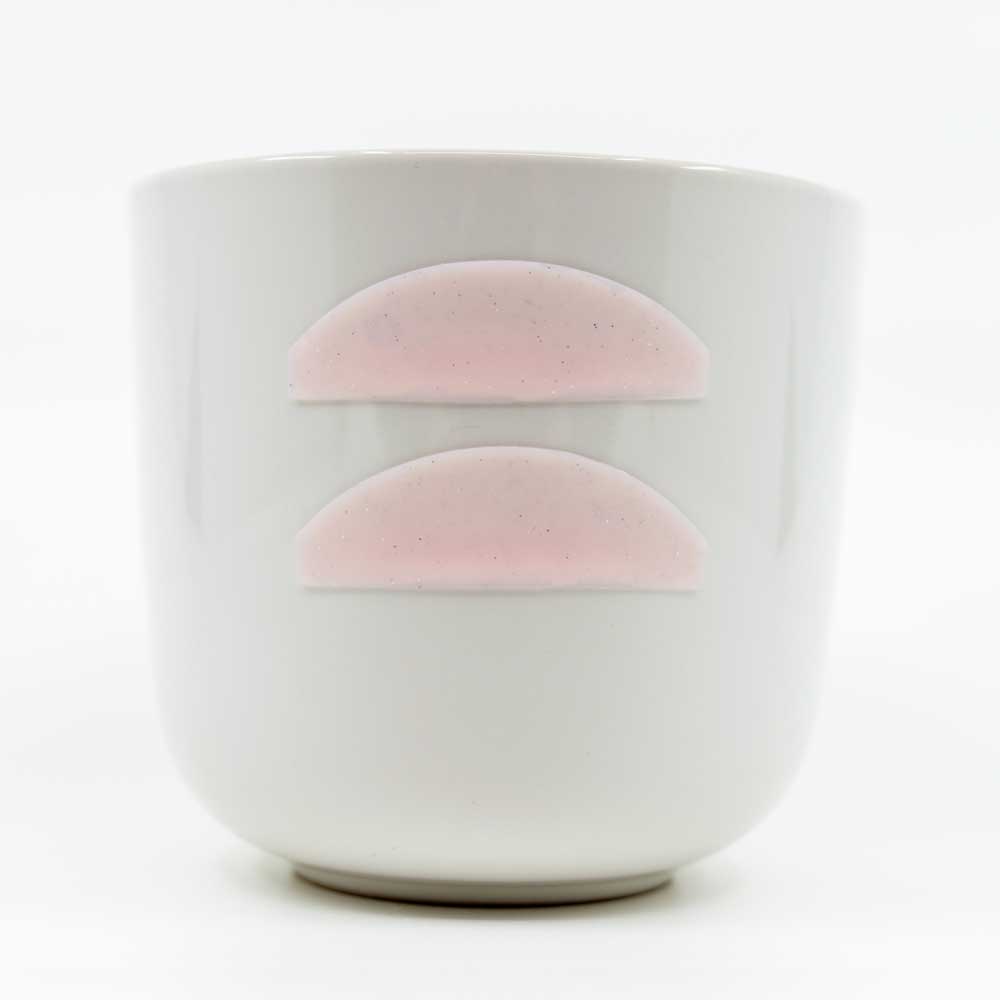
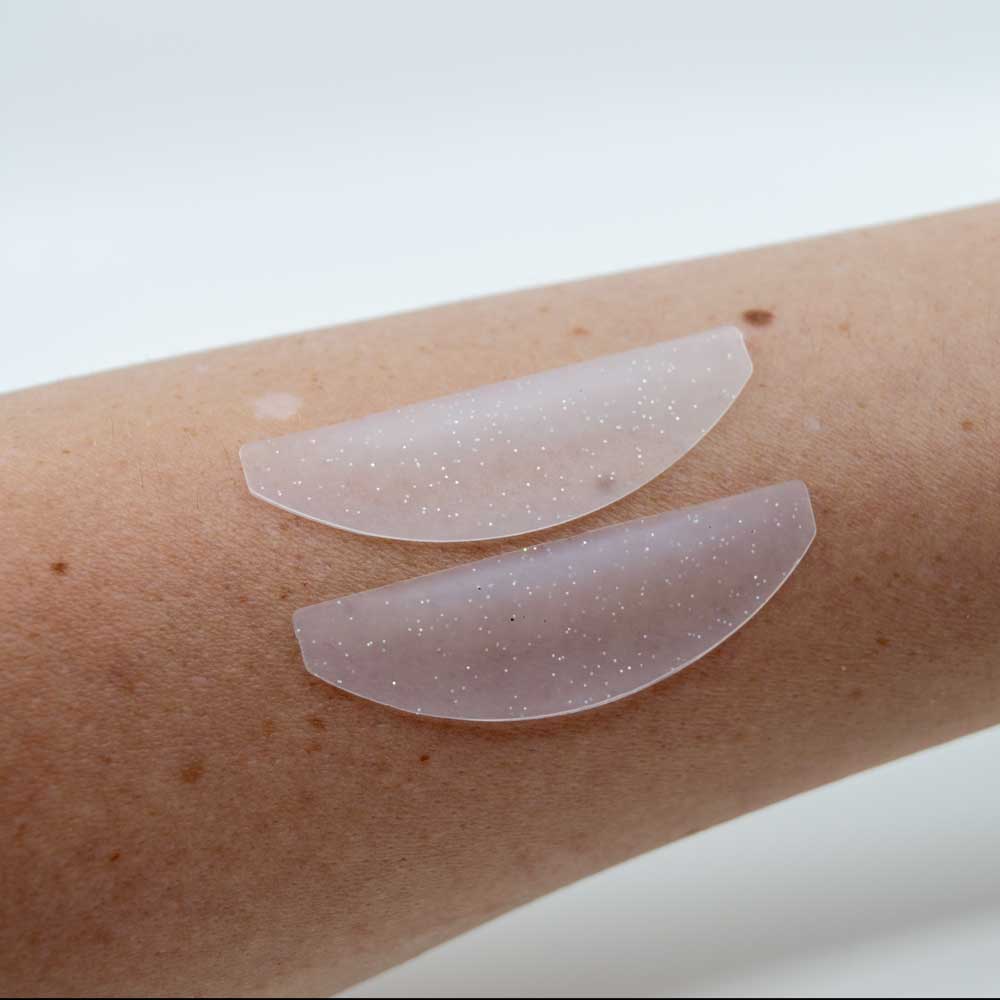
Lash Lift Compensators, 3 Pairs
Corrective Shield Selection and Placement
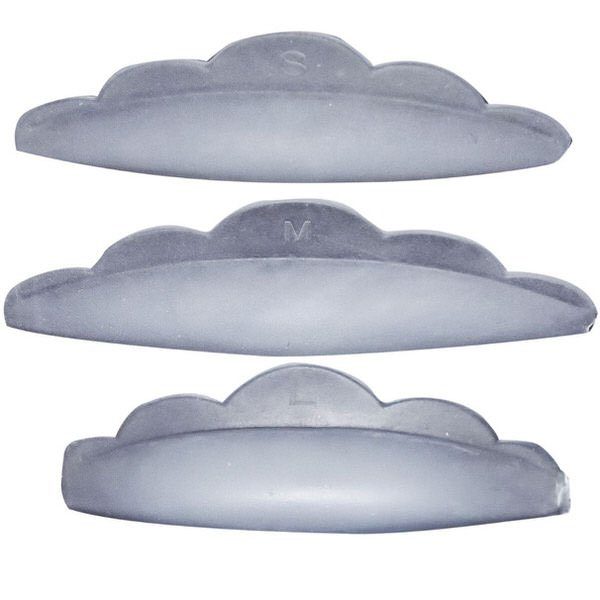
When a lift is too tight because of incorrect shield sizing, a professional can re-lift the lashes using a larger shield to create a more natural sweep. For instance, if a size small shield caused an extreme curl, transitioning to a medium or large shield during the correction can help redirect the lashes. Using a lash lift shield size guide helps in selecting the most flattering curvature for the client’s eye shape.
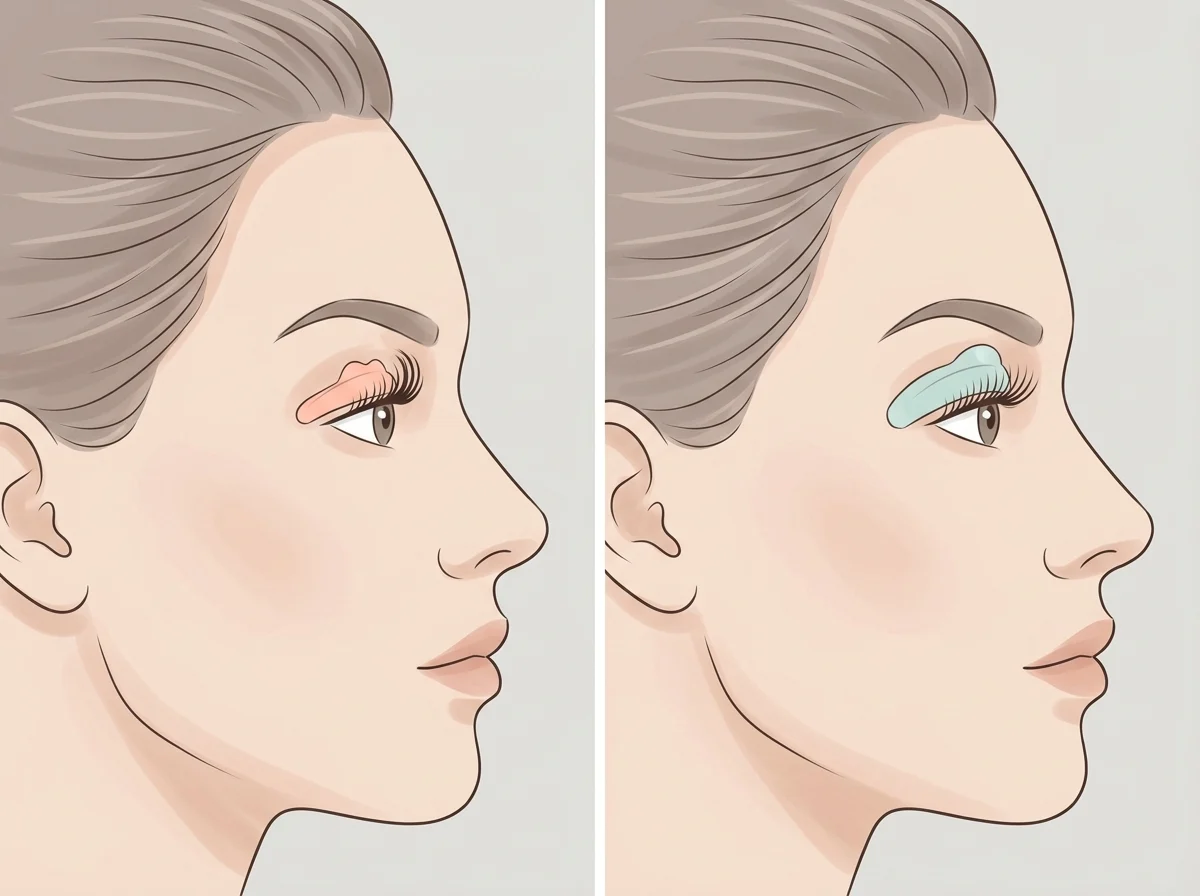
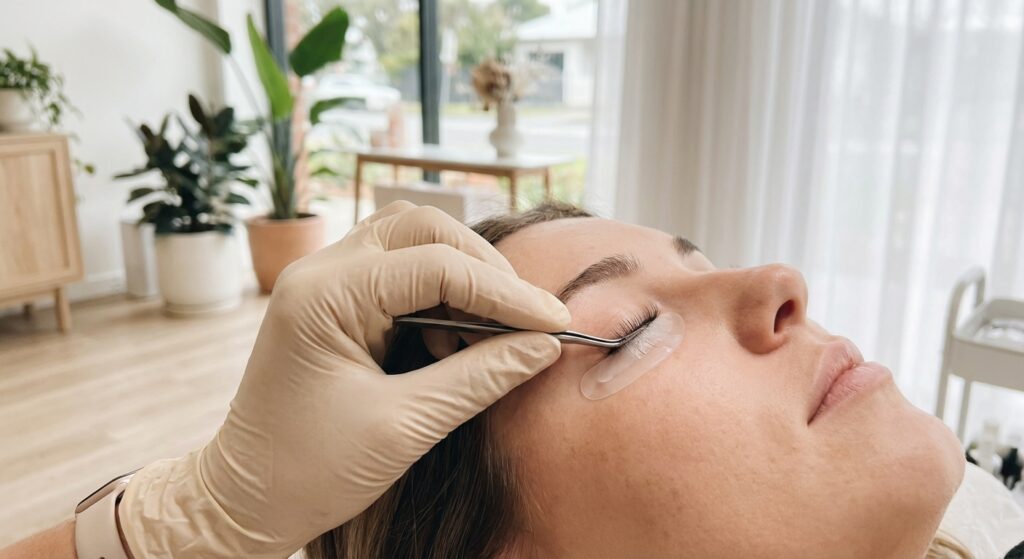
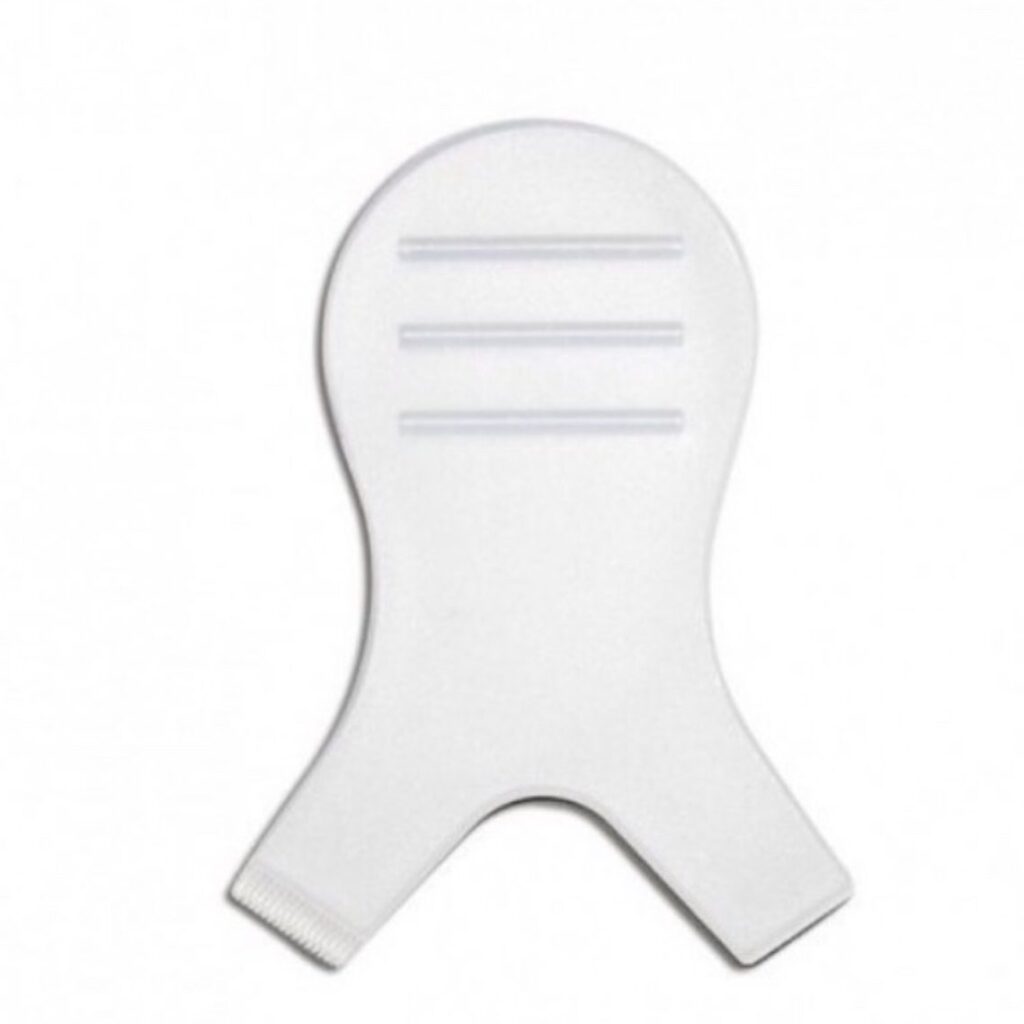
Proper alignment is necessary to prevent further unevenness. Technicians should use a fine-tipped applicator to ensure each lash is parallel and separated before applying the corrective solution. Using glueless or flat shields can also be beneficial in these scenarios, as they provide a stable base for ensuring the lotion makes uniform contact with the lash base without requiring excessive adhesive.
Post-Correction Aftercare and Nourishment
Once the curl has been successfully relaxed, the final step involves restoring the natural pH of the lashes. The application of a fixing lotion is essential here, as it rebuilds the disulfide bonds and neutralizes the alkaline state of the hair. Technicians should explain to the client that the lashes have undergone significant chemical manipulation and require intensive hydration to maintain their integrity.
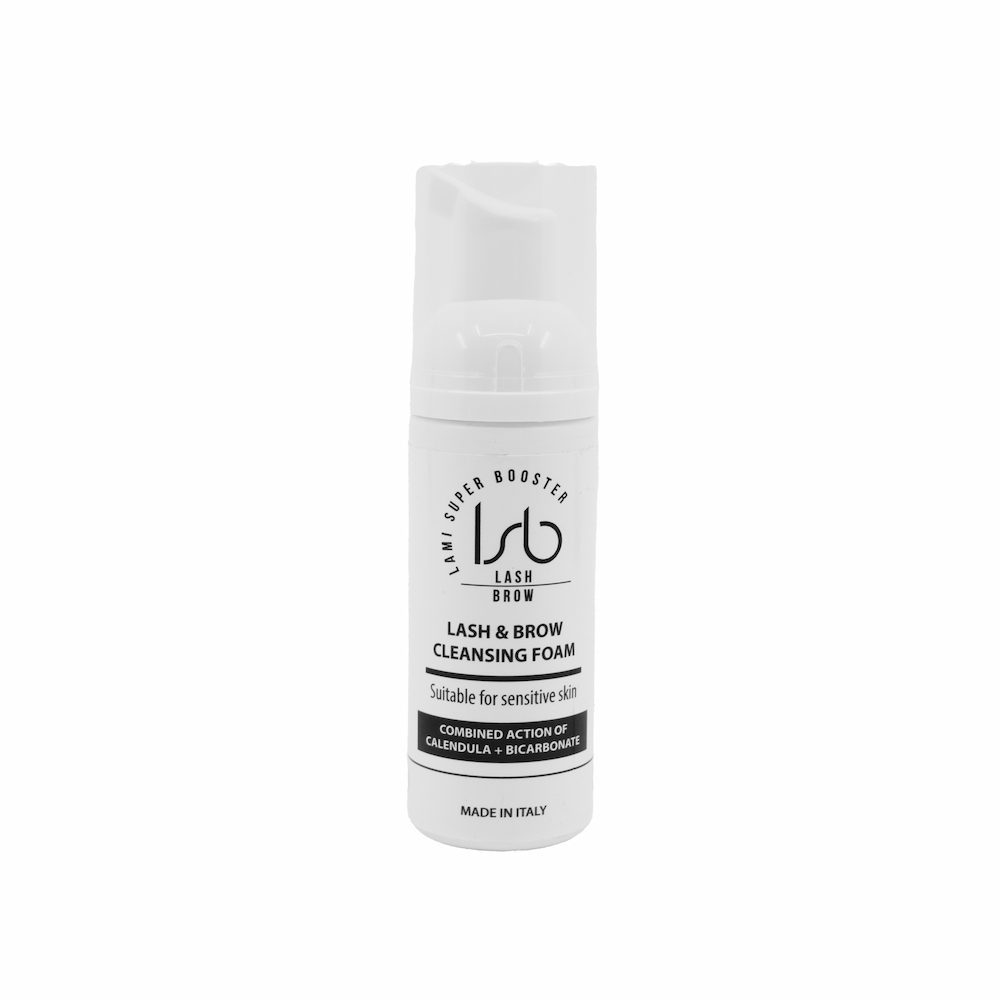
Instruct the client to avoid water and steam for 24 to 48 hours to allow the bonds to fully set. Providing a clear lash lift aftercare plan that includes the daily application of a protein-rich serum will help strengthen the lashes from the inside out. For cleaning, recommend a gentle, pH-balanced foam that removes debris without stripping the hair of its essential oils.
Managing an over-curled lift requires a combination of technical precision, patience, and high-quality chemical systems. By utilizing shortened relaxation times, choosing the correct shield size, and prioritizing lash health through nourishing aftercare, technicians can effectively resolve most lifting issues. To ensure you have the best tools for your next corrective procedure, explore our full range of professional systems and accessories.