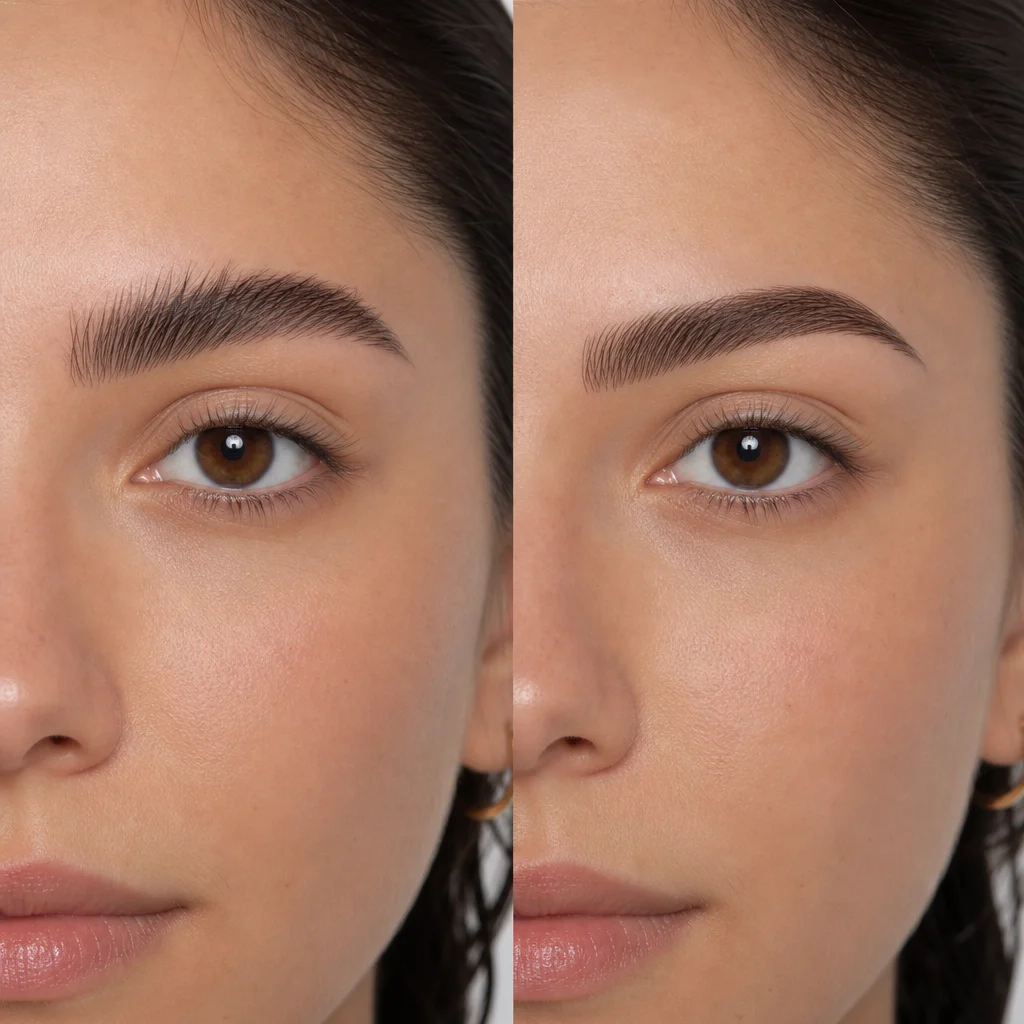
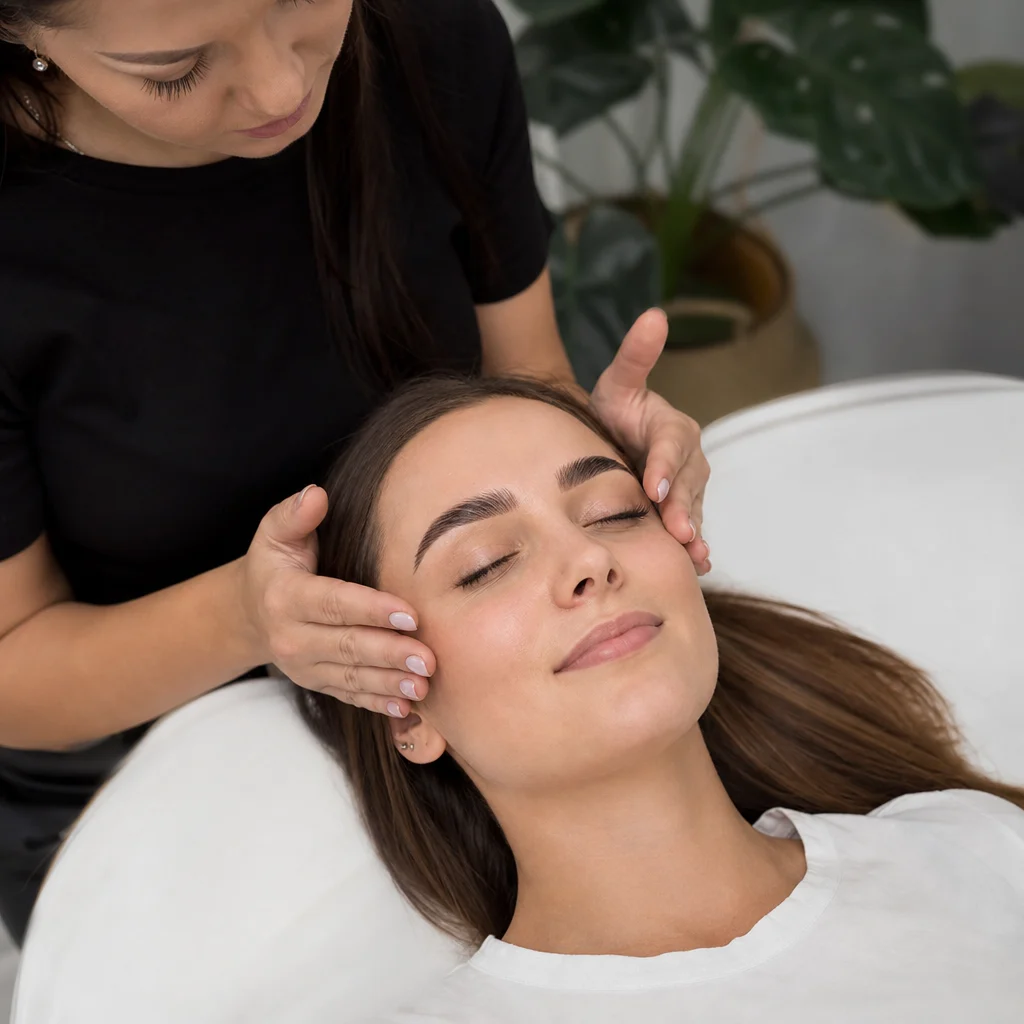
In the beauty industry, offering services that deliver high-impact, low-maintenance results is the key to building client loyalty and increasing salon revenue. An eyebrow lamination treatment has rapidly transitioned from a passing trend to a fundamental back-bar service. By aligning and setting natural brow hairs into a uniform, full, and manicured shape, this treatment offers an excellent non-invasive alternative to microblading.
To deliver exceptional results, beauty professionals must understand the chemistry behind the process, master the application steps, and implement strict client safety protocols.
Chemical Mechanism of the Treatment
Executing a successful lamination requires a clear understanding of the science of hair restructuring. The brow hair is composed of disulfide bonds that dictate its natural shape, growth direction, and texture. Brow lamination alters these bonds through a controlled two-step chemical process.

First, an alkaline perming solution is applied to the brows. The alkalinity of this product temporarily raises the hair cuticle, allowing the active ingredients to penetrate the cortex and break down the disulfide bonds. This process relaxes the hair, rendering it highly pliable and ready to be reshaped.
Second, after the hairs are groomed and positioned into the desired direction, a neutralizing fixing lotion is applied. This solution, typically formulated with hydrogen peroxide, rebuilds the disulfide bonds in their new, restructured alignment, locking the hair into its lifted position. Technicians must select high-quality brow lamination lotions with balanced pH levels and soothing additives to preserve hair integrity.
Key Professional Benefits
Integrating this service into your salon menu provides distinct professional advantages:
- Broad Client Appeal: It addresses a wide range of brow concerns, including coarse, downward-growing hairs, sparse arches, asymmetry, and unruly growth patterns.
- Immediate Visual Impact: The treatment redirects the natural hair flow to cover gaps and maximize the brow’s surface area, creating the appearance of thick, fluffy, and symmetrical brows.
- Efficient Service Timing: A typical duration of a lamination session is roughly 60 minutes, allowing for high client turnover and streamlined scheduling.
- Strong Treatment Durability: The lifted effect remains robust for 4 to 6 weeks, providing clients with a highly manageable daily grooming routine that requires only a quick morning brush.
Technical Protocol and Step-by-Step Execution
Providing consistent results relies on an exact, systematic workflow. Begin by thoroughly cleansing the brow area to remove makeup residue, sebum, and environmental debris, ensuring the lotions can penetrate the hair shafts evenly. Once dry, map the eyebrows and plan the hair direction according to the client’s facial structure.
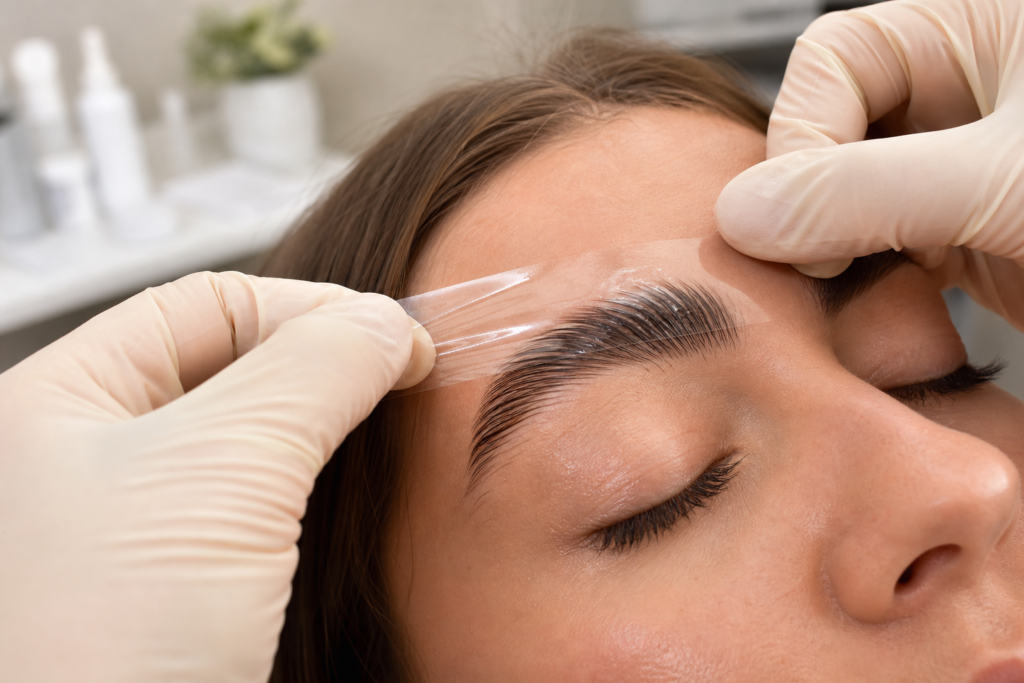
Apply the Step 1 perming lotion on eyebrows. Timing is critical during this phase and must be adjusted based on the client’s hair thickness. Monitor the eyebrows carefully and perform a hair flex check periodically.
After carefully removing the perming lotion with a dry cotton swab, apply the Step 2 fixing lotion for the corresponding processing time to rebuild the broken disulfide bonds. It is very important the brows are stylized into their perfect shape before this as step 2 rebuilds the disulphide bonds and sets the shape. Utilizing precision brow lamination tools, such as specialized separation combs and microbrushes, helps maintain clean, parallel alignment during these chemical steps.


Korean Lash Lift & Brow Lamination Mini Kit


Integrating Brow Tinting Safely
For clients seeking both shape and deeper color definition, combining lamination with tinting is a highly profitable option. However, technicians must understand should you tint before or after lamination to protect the hair and skin.
Tinting must always be performed after the lamination lotions are fully processed and removed. Applying lamination chemicals over a fresh tint will strip the pigment and make the coloring service ineffective. Because the lamination process raises the hair cuticles, the hair becomes highly porous. As a result, the hair will absorb the eyebrow tint much faster than usual.
To prevent the brows from turning too dark or over-processed, shorten the tint development time significantly. Monitor the color change closely, keeping the tint on for 2 to 10 minutes depending on the targeted intensity.
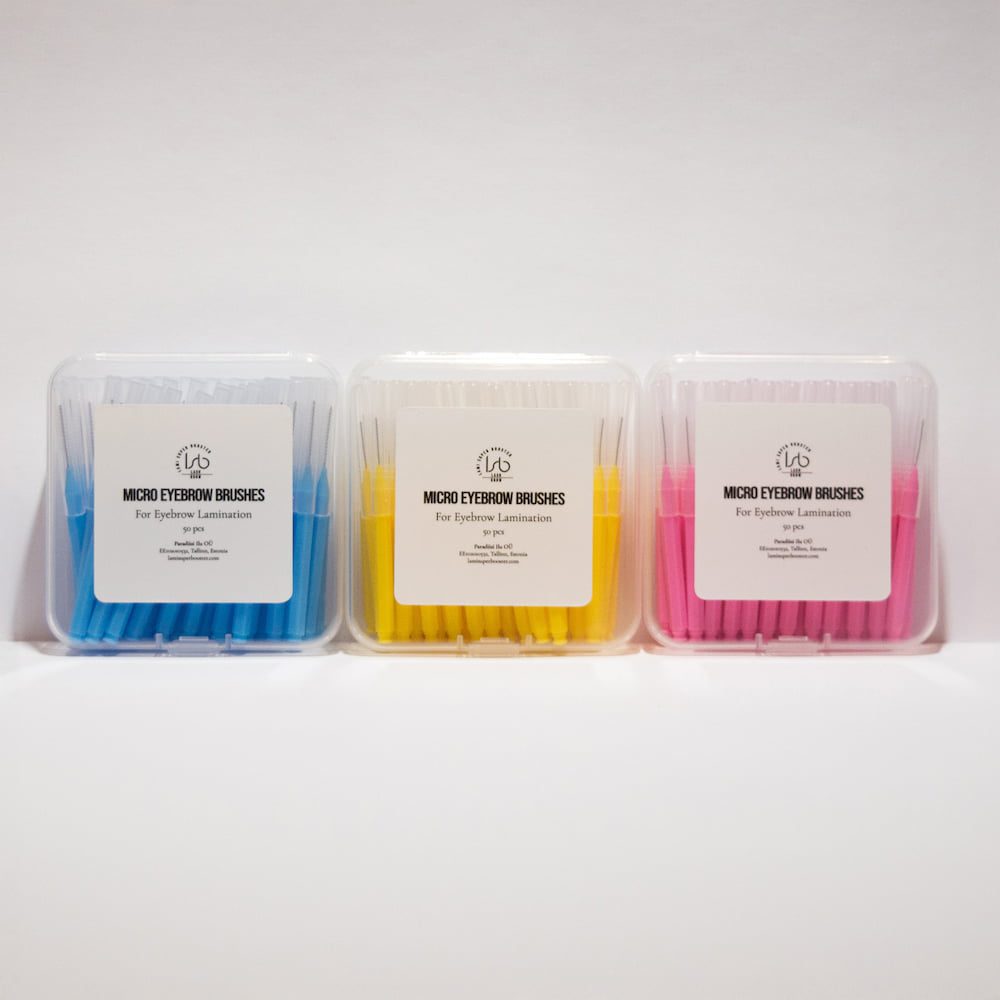
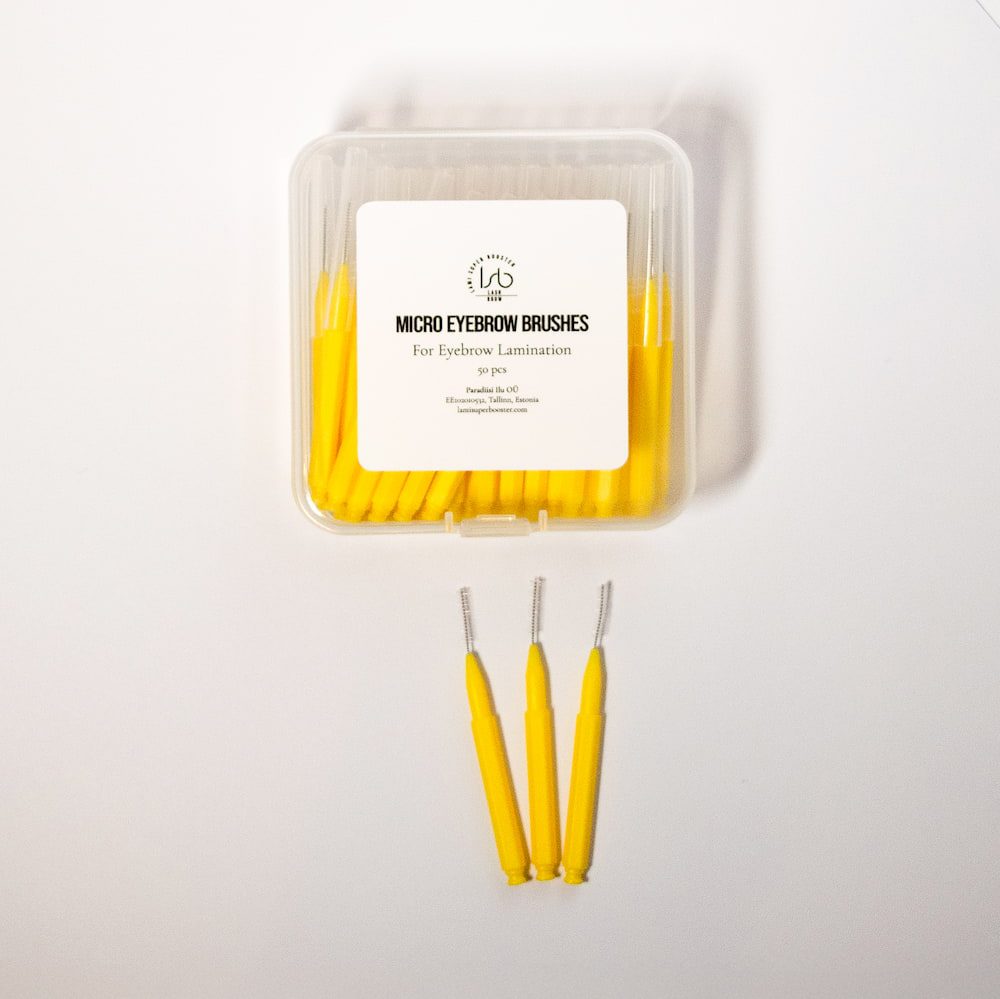
50 Micro Eyebrow Brushes


Client Screening and Safety Protocols
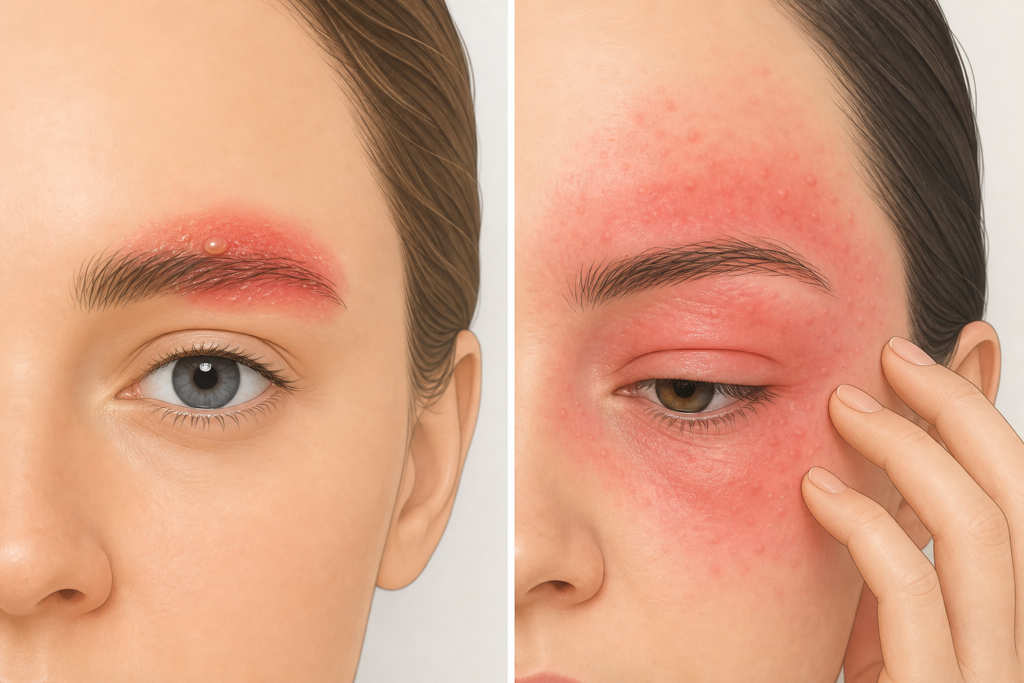
Because lamination utilizes active chemicals, running a diligent consultation is essential to avoid adverse skin or hair reactions. Technicians should cross-reference a detailed list of brow lamination contraindications before starting any treatment.
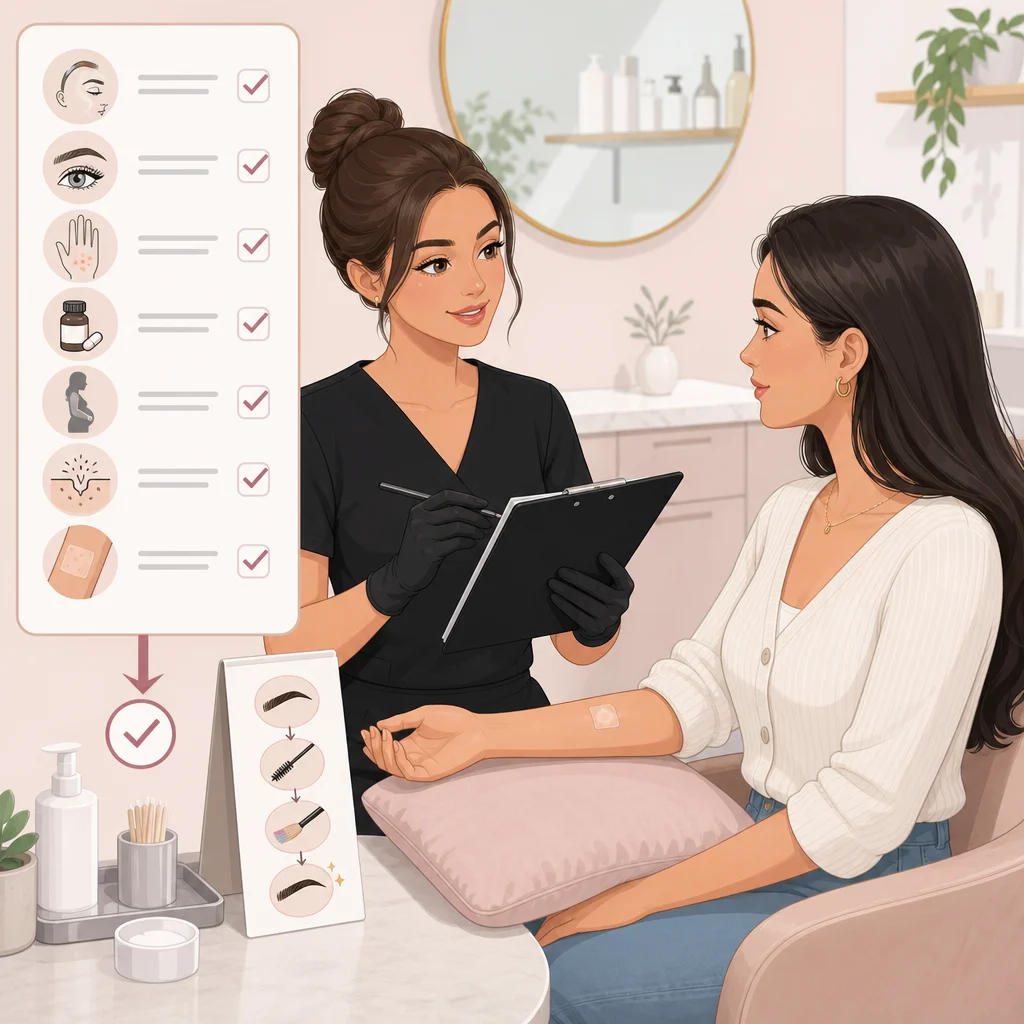
- Active Skin Conditions: Do not perform the treatment if the client exhibits eczema, psoriasis, sunburn, cuts, open abrasions, or active acne in the brow area.
- Sensitivities and Allergies: Always perform a patch test on the inner arm or behind the ear at least 48 hours prior to the treatment, checking for redness, itching, or inflammation.
- Hormonal and Pregnancy Considerations: Evaluating brow lamination during pregnancy is a crucial step in your consultation. Hormonal fluctuations can cause unpredictable hair responses or increased skin sensitivity, so postponing the service until after pregnancy and breastfeeding is often recommended.
- Chemical Over-processing: Never re-laminate damaged or weakened hair. If a client arrives with over-processed brows from a previous service, focus on recovery treatments rather than repeating the chemical process.
Familiarizing your staff with protocols for preventing chemical burns and handling a bad eyebrow lamination ensures your salon can confidently manage and troubleshoot any issues.
Post-Procedure Care and Maintenance Cycles
The longevity and safety of the lamination depend heavily on proper aftercare. Provide clients with clear, written brow lamination aftercare guidelines to ensure their results remain immaculate.
For the first 24 hours post-treatment, clients must keep their brows dry. They should avoid getting water directly on the face, heavy sweating, saunas, steam rooms, makeup, and applying heavy face oils or active skincare across the brow area. After this initial period, daily brushing with a clean spoolie and the regular application of a conditioning brow serum or nourishing oil will keep the brow hairs soft, flexible, and healthy.
Educate clients on how often can you laminate brows to prevent cumulative damage. Re-lamination should only be scheduled every 6 to 8 weeks, allowing the hair to progress through its natural growth cycle and recover fully before undergoing another chemical treatment.


Mastering the science, application, and safety protocols of brow lamination allows you to offer a premier, high-performance treatment that elevates your salon’s reputation. Ready to upgrade your service results and expand your retail offerings? Browse our curated collections of professional brow lamination kit systems and premium brow lamination products to deliver exceptional results for every client.