In professional beauty services, an eyebrow treatment is an exercise in facial architecture. Eyebrows play a central role in facial framing, visual balance, and emotional expression. For a beauty technician, the primary objective is to analyze a client’s unique bone structure and use tailored design techniques to enhance symmetry, balance proportions, and lift the eyes. Whether performing precision hair removal, custom color, or chemical restructuring, the ideal shape is determined entirely by the canvas of the face.
Foundations of Facial Analysis
Before marking anatomical landmarks or selecting grooming tools, you must categorize the client’s face shape. Identifying structural proportions determines where the arch peak should sit, how high it should lift, and how far the tail should extend. Selecting a brow contour that offsets or balances dominant facial angles creates visual harmony:
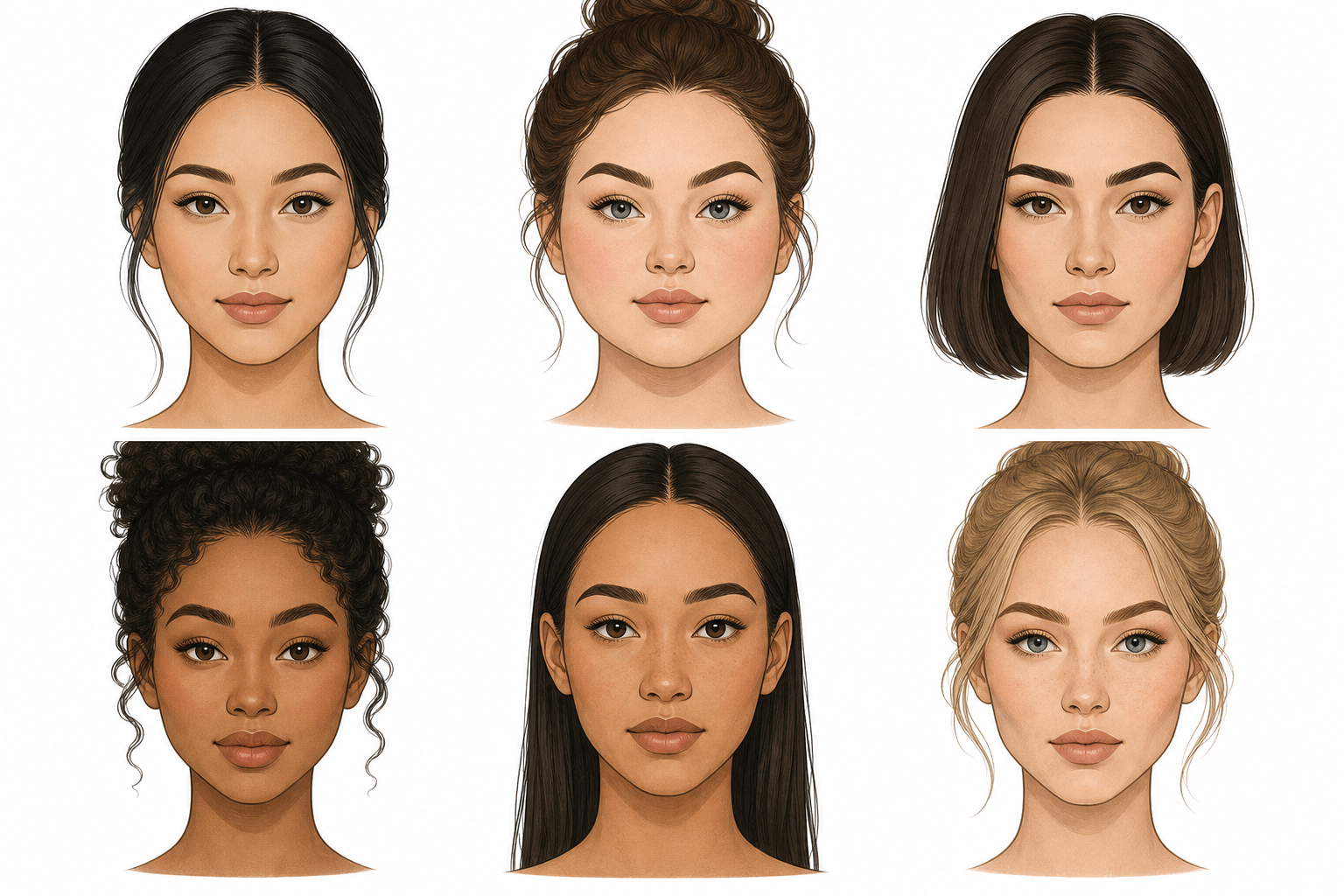
- Oval face: Considered the standard for balanced proportions. Follow the natural orbital bone with soft, subtle arches, placing the peak approximately two-thirds of the way from the start of the brow to maintain natural balance.
- Round face: Requires contrast against soft jawlines and cheek curves. Design high, angled arches to create a vertical point of interest that visually elongates the facial structure. Avoid rounded brow shapes that accentuate face width.
- Square face: Defined by a strong, angular jawline. Use higher, gently curved arches to soften harsh jaw angles, draw focus upward, and create vertical balance.
- Heart-shaped face: Characterized by a wider forehead and a pointed chin. Soft, rounded arches with moderate body thickness balance the upper face and soften the lower jaw line.
- Long or oblong face: Focuses on creating the illusion of horizontal width. Design straighter brows with low-lying arches and horizontally extended tails to interrupt vertical length.
- Diamond face: Characterized by wider cheekbones and narrower foreheads. Curved brows with an angled arch help soften prominent cheekbones while giving the illusion of a wider upper face.
Understanding these facial nuances allows you to document precise measurements during client consultations, establishing a baseline for repeatable aesthetic outcomes.
Precision Brow Mapping Protocol
Brow mapping uses anatomical landmarks to establish symmetry and design balance relative to the client’s features. While natural asymmetry is present on every face, systematic mapping establishes a balanced frame that compensates for slight variations in orbital bone height or eye positioning. Mapping should precede any shaping, waxing, or chemical service to ensure total alignment.

- The starting point: Align a straight mapping tool vertically from the outer edge of the nostril to the inner corner of the eye. This defines the head of the brow.
- The arch peak: Angle the tool from the outer edge of the nostril through the center of the pupil. A slightly elevated arch opens the periorbital area, giving a refreshed and youthful appearance.
- The tail endpoint: Angle the tool from the outer nostril past the outer corner of the eye. To prevent a visually drooping or fatigued expression, the tail endpoint must never drop below the horizontal line of the brow head.
Before marking these landmarks, thoroughly cleanse the supraorbital skin to remove sebum, cosmetics, and debris. Clean skin ensures sharp mapping lines and prevents hair follicle blockage during post-mapping hair removal.

Using dedicated mapping tools – such as pre-inked string, mapping calipers, or fine white cosmetic pencils – allows you to outline the ideal frame accurately. Detailed guidance on mapping techniques and manual hair removal is available in our overview of brow shaping techniques. Equipping your station with specialized brow lamination tools ensures full control during line creation and detail cleanup.
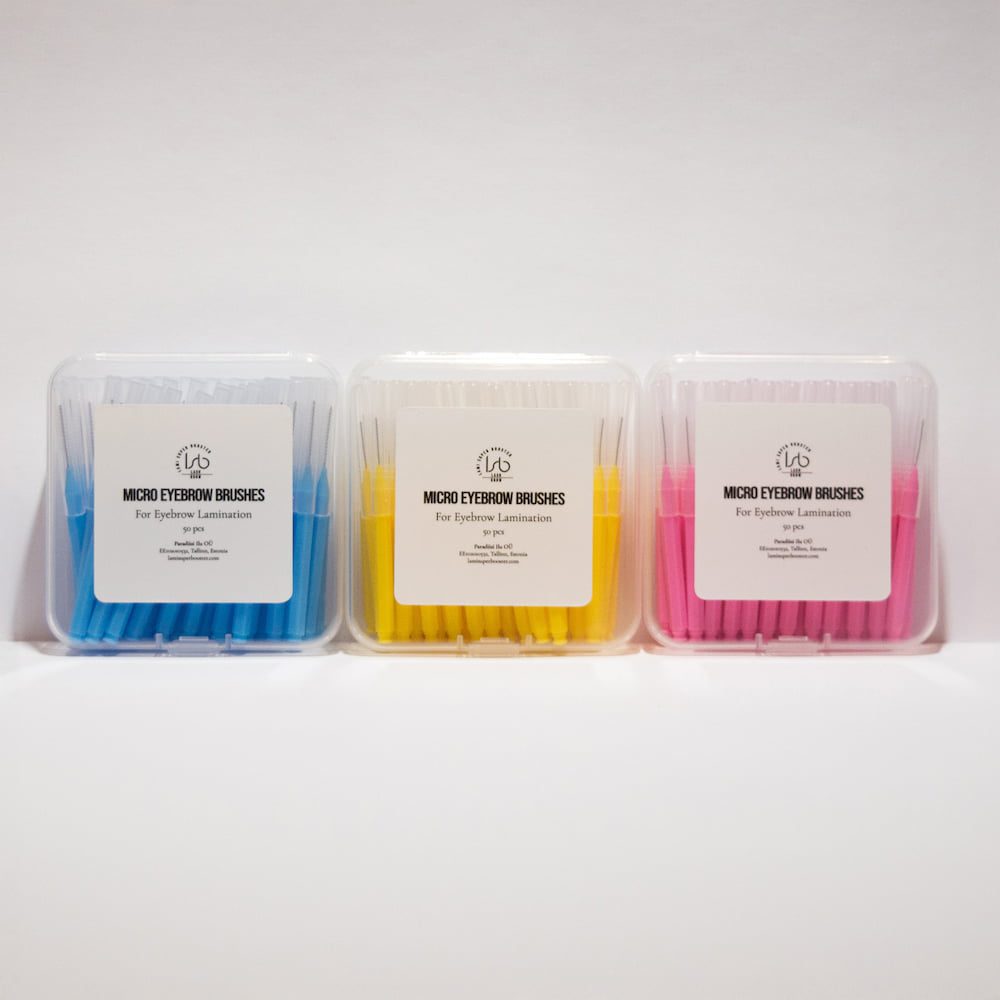
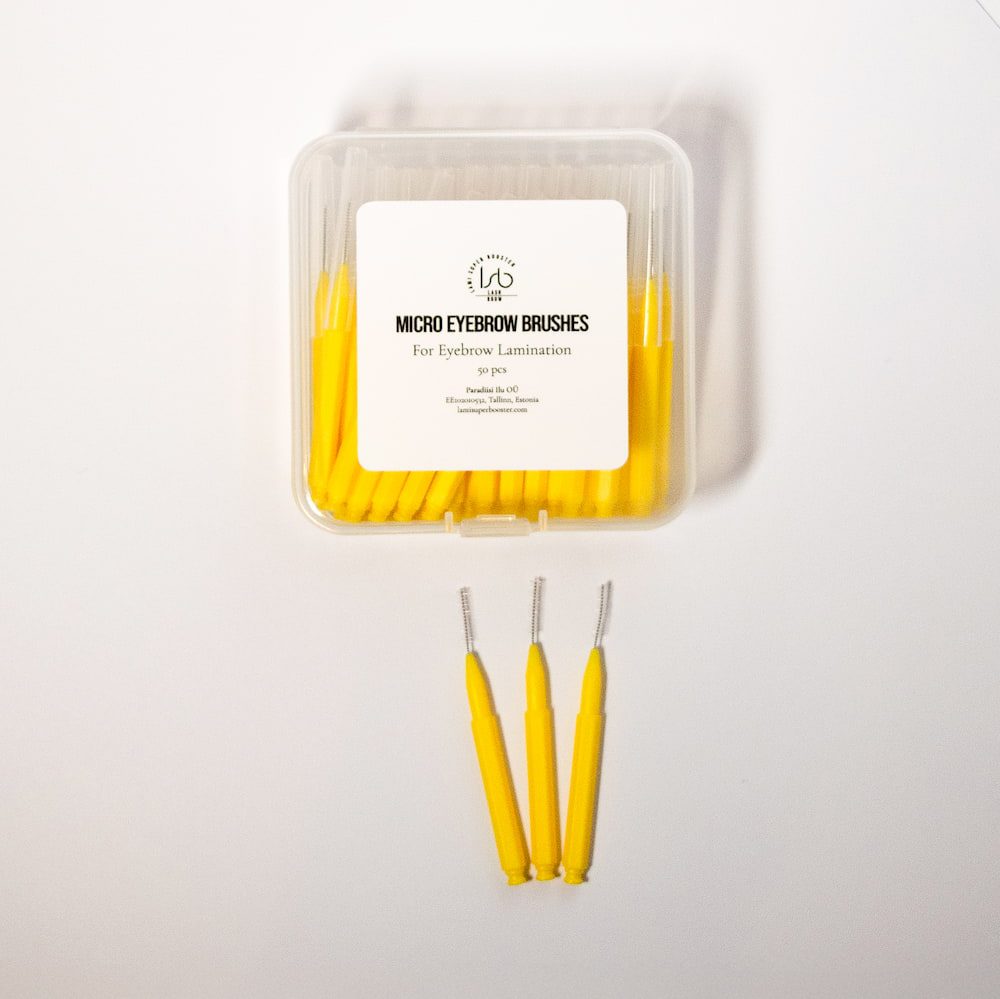
50 Micro Eyebrow Brushes
Transforming Brow Architecture with Lamination
Mapping provides the visual blueprint, but natural hair growth patterns often require chemical alignment to fit the designed shape. Downward-growing, coarse, or unruly brow hairs can be restructured through lamination to fill sparse areas and keep brow patterns in place.
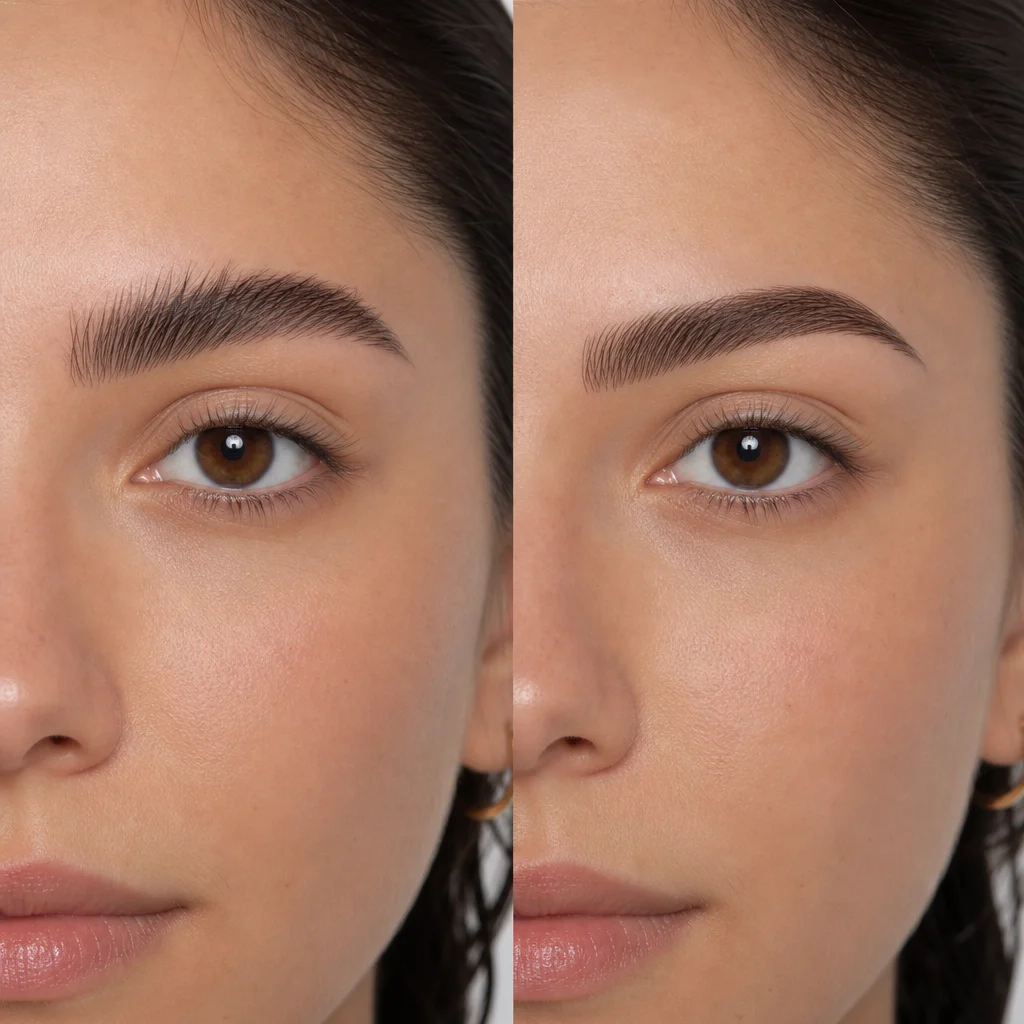
Brow lamination works by breaking and reforming disulfide bonds within the hair shaft, making coarse or downward-pointing hairs pliable enough to be brushed upward and outward. This process is particularly effective when working on brow lamination for thin brows, where repositioning individual hairs covers gaps without invasive procedures. The overall brow lamination benefits include immediate volume, enhanced symmetry, and low daily maintenance for the client.
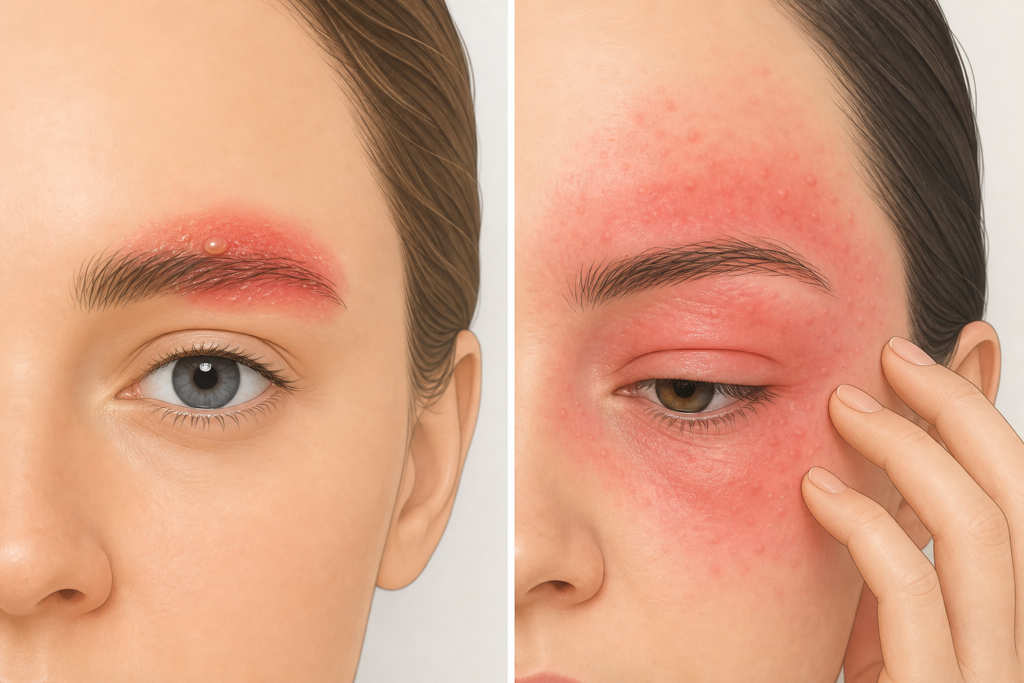
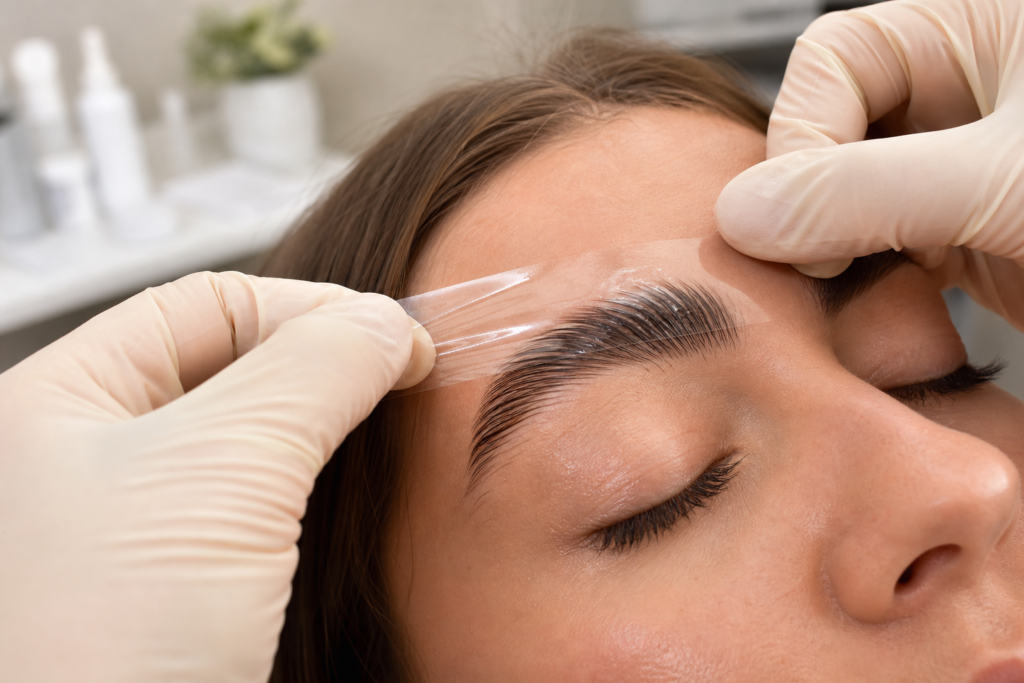
To maintain chemical activity and temperature stability during processing, apply a thin layer of specialized wrap over the perming lotions, following proper professional processing film techniques. For clients with sensitive skin or thin skin around the supraorbital ridge, choose gentler cysteamine-based systems over aggressive ammonium thioglycolate formulas to minimize skin irritation.
Always conclude chemical reshaping by applying a nourishing keratin and oil-infused conditioning step to close hair cuticles, lock in moisture, and rebuild internal protein structure. Review our complete brow lamination treatment guide for detailed protocol breakdowns.

Color Theory and Dimensional Tinting
Shape and structure provide the foundation, but custom tinting supplies depth and visual density. Professional tinting exposes fine, pale vellus hairs surrounding the main brow body, instantly making sparse brows look fuller and more defined.
Avoid standard “one-shade” applications. Instead, blend professional tint formulas to match the client’s hair undertones and skin tone:
- Cool undertones: Add a small proportion of graphite to brown tints to neutralize unwanted brassiness or orange tones.
- Warm undertones: Blend rich brown or warm chestnut tones to complement golden skin tones and hair highlights.
- Fair or light hair: Select natural light brown shades to define the shape without overpowering fair features.
Processing times for standard brow tinting range from 2 to 10 minutes depending on hair porosity and color depth desired. However, when combining tinting with a chemical service, remember that lamination opens the hair cuticle completely. Open cuticles absorb pigment significantly faster; reduce standard tint processing times by at least 50% during combined treatments to prevent over-darkening or harsh block margins. Explore our complete selection of professional eyebrow tinting products to build a versatile color bar.


Managing Growth Cycles and Long-Term Brow Health
Delivering high-end brow services requires managing client expectations regarding natural hair biology. Eyebrow hair operates on a relatively short growth cycle, with the active anagen phase lasting approximately 30 to 45 days. Clients recovering from past over-plucking require realistic growth timelines and staged maintenance appointments.
Educating clients on proper trimming habits and managing eyebrow length prevents them from cutting into the core shape at home. To rebuild damaged or sparse arches, advise clients on multi-month regrowth strategies using eyebrow hair growth cycles knowledge, directing them to leave trimming and hair removal to professional appointments spaced 4 to 6 weeks apart.
Staying up-to-date with evolving industry styles, such as hybrid tinting and soft textured finishes covered in eyebrow trends, helps you guide clients toward modern, flattering looks. Technicians looking to supply consistent treatments can utilize comprehensive brow lamination kits or expand their salon brand through customized private label options.
Mastering Precision Brow Design
Mastering brow shaping requires combining analytical facial measurement, precise hair removal, and careful chemical processing. By assessing bone structure, executing disciplined mapping, and tailoring tinting and lamination to individual client needs, you transform a basic grooming session into an advanced architectural service. Professional results depend on consistent mapping hygiene, accurate chemical timing, and high-quality supplies across every stage of service. Explore our full range of professional brow lamination services and supplies to elevate your technical capabilities and deliver consistently exceptional client results.