


Professional lash lifting is an exacting chemical process that reshapes natural hair by breaking and reforming disulfide bonds. Conducting a comprehensive screening of medical, ocular, and dermatological conditions prior to every appointment is essential to safeguard client safety and ensure consistent, high-quality results. Screening allows technicians to identify when a treatment must be customized, postponed, or turned away entirely.
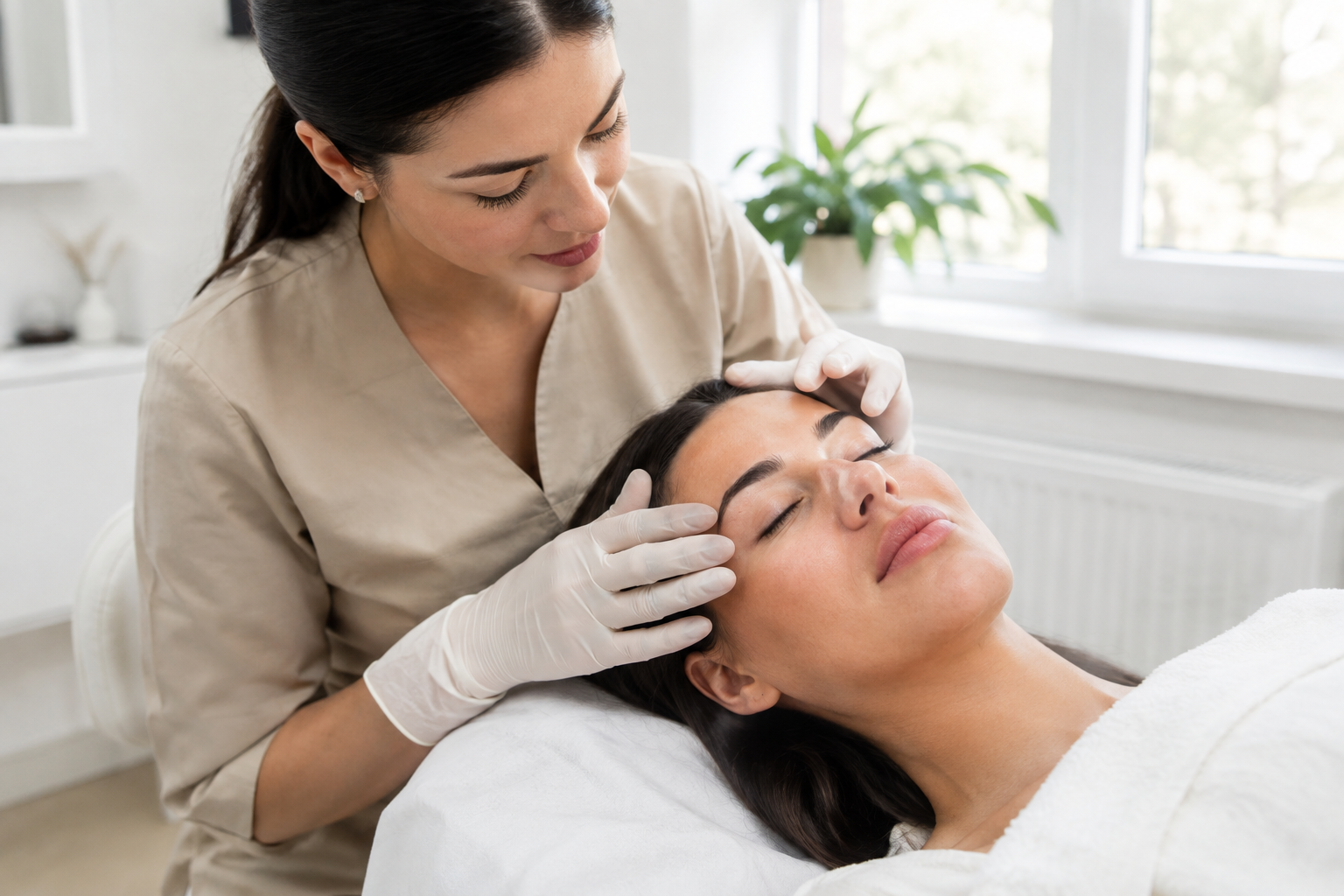
Eye Health and Ocular Conditions
Understanding eyelash follicle anatomy helps technicians recognize how chemical processing affects the delicate structures surrounding the eye. Active ocular infections – such as conjunctivitis, blepharitis, styes, or chalazions – are strict contraindications. Applying lifting solutions near infected tissue risks spreading bacteria via applicators, intensifying localized inflammation, and causing severe discomfort. Treatments must be deferred until all symptoms clear completely and any prescribed medication cycle concludes.
Chronic eye issues also require cautious management. Severe dry eye syndrome can worsen when exposed to processing fumes or silicone shield adhesives. Clients diagnosed with glaucoma should obtain clearance from their ophthalmologist before proceeding, as light pressure applied to the eyelid during shield placement may raise concerns. For clients who have undergone recent ocular surgeries, such as LASIK, cataract removal, or blepharoplasty, technicians must enforce a minimum waiting period of six to eight weeks and require written medical clearance from their surgeon before performing any service.
Skin Sensitivity and Chemical Allergies
The skin on the upper and lower eyelids is among the thinnest on the human body, making it uniquely vulnerable to chemical burns and contact dermatitis. Clients presenting with active eczema, psoriasis, or perioral dermatitis around the orbital area cannot receive a lift until the skin barrier is completely restored. Applying active lifting formulas over compromised skin allows chemicals like ammonium thioglycolate or cysteamine HCL to penetrate deeply, causing extreme redness and severe swelling.
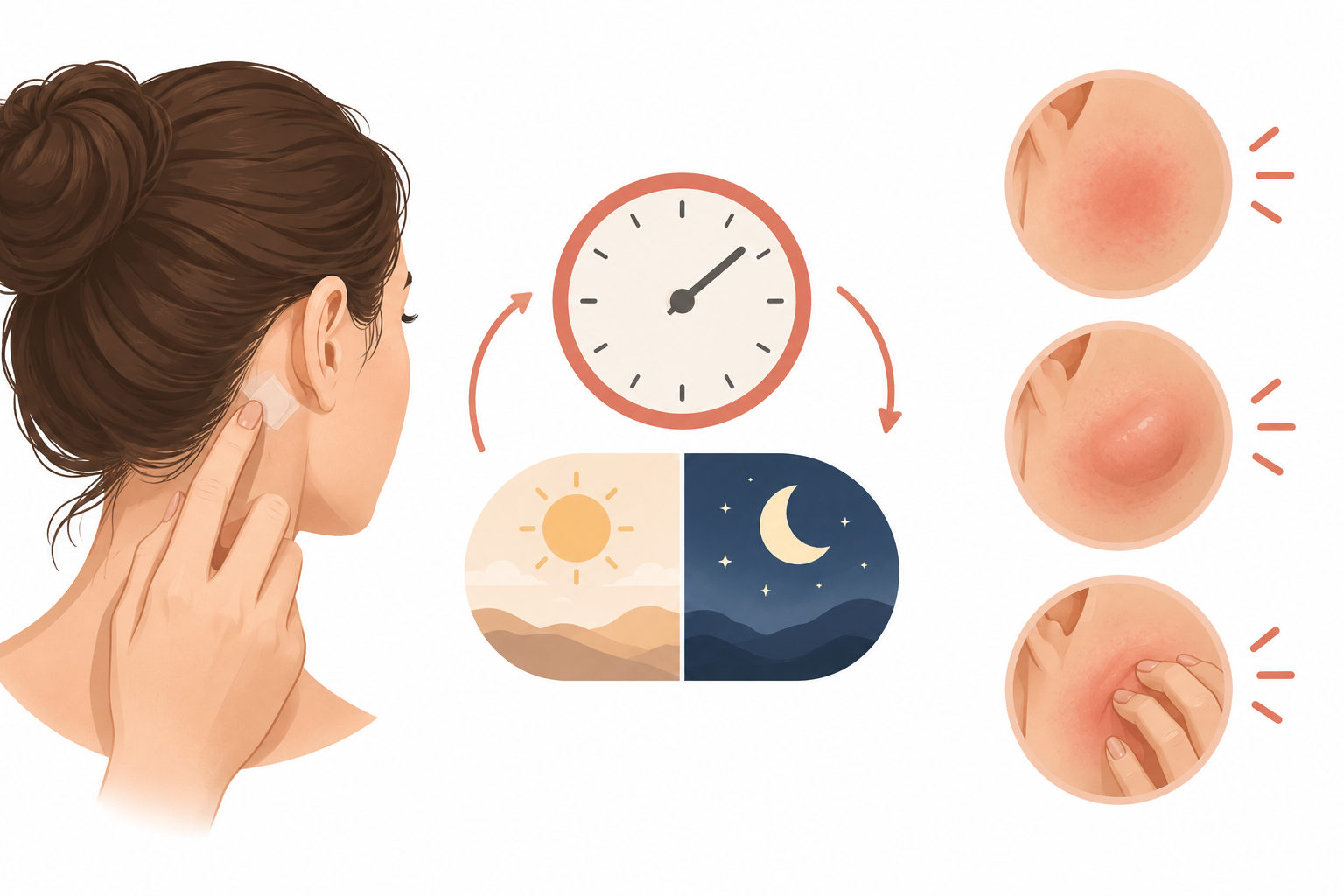
Conducting a thorough patch test 24 to 48 hours prior to service is the industry standard for verifying skin tolerance, particularly when integrating tints into the service. Reviewing eyelash tint safety guidelines highlights the importance of testing both perming agents and tint formulations, as ingredients like paraphenylenediamine (PPD) can provoke delayed hypersensitivity. If a patch test produces itching, redness, or swelling, cancel the appointment immediately. Repeat patch testing whenever introducing a new brand or adjusting solution strength.
Systemic Health and Prescription Medications
Internal health and pharmaceutical regimens directly influence hair porosity, follicle strength, and skin elasticity. Isotretinoin (Roaccutane) is one of the most critical systemic contraindications in beauty therapy. The medication severely thins epidermal layers and weakens keratinized structures, leaving natural lashes prone to rapid shedding and breakage. Technicians must enforce a full 12-month waiting period after a client completes isotretinoin therapy before performing a lift.
Other systemic factors require specific operational adjustments:
- Chemotherapy and Radiation: Cancer treatments cause follicle fragility and delicate lash regrowth. Postpone services for several months after treatment ends, requiring medical clearance to ensure hair follicles can withstand chemical processing.
- Topical Retinoids and Chemical Exfoliants: Prescription Vitamin A derivatives, retinol, and high-concentration AHAs thin eyelid skin. Advise clients to suspend these active products around the eye area for at least seven days before their lift.
- Antibiotics and Blood Thinners: Certain antibiotics heighten systemic skin reactivity and increase sensitivity to under-eye patches. Establishing a mandatory two-week wait following antibiotic completion protects client comfort.
Choosing gentle, nourishing chemical formulations, such as cysteamine HCl-based systems, reduces stress on compromised hair shafts while maintaining predictable curl development. Detailed knowledge of chemical perming lotions allows technicians to match formula strength to client history safely.
Hormonal Factors and Pregnancy
Hormonal fluctuations alter sebum production, hair growth phases, and chemical processing outcomes. Elevated hormone levels during pregnancy and lactation directly impact disulfide bond manipulation within the lash cortex. When disulfide bridges fail to reform uniformly, the lift may drop prematurely or create uneven curl patterns across the eyelid.
Understanding the connection between hormones and lash growth enables technicians to manage client expectations effectively. While pregnancy is not always an absolute medical barrier, industry protocols lean toward postponing treatments, especially during the first trimester when sensitivity is heightened. If a client chooses to proceed after consulting their doctor, obtain a signed consent form outlining potential variations in curl longevity and retention. Refer clients seeking safe alternatives to performing lash lifts during pregnancy to non-chemical nourishing treatments.
Assessing Lash Health and Mechanical Integrity
Every appointment must start with an evaluation of natural lash strength, density, and growth stage. Technicians must inspect the lash line for gaps, localized alopecia, brittleness, and mechanical trauma caused by premature lash extension removal. If lashes show existing cuticle damage or over-processing from a recent lift, defer treatment immediately. Reviewing guidelines on timing between repeat lash lifts prevents recurring structural damage.
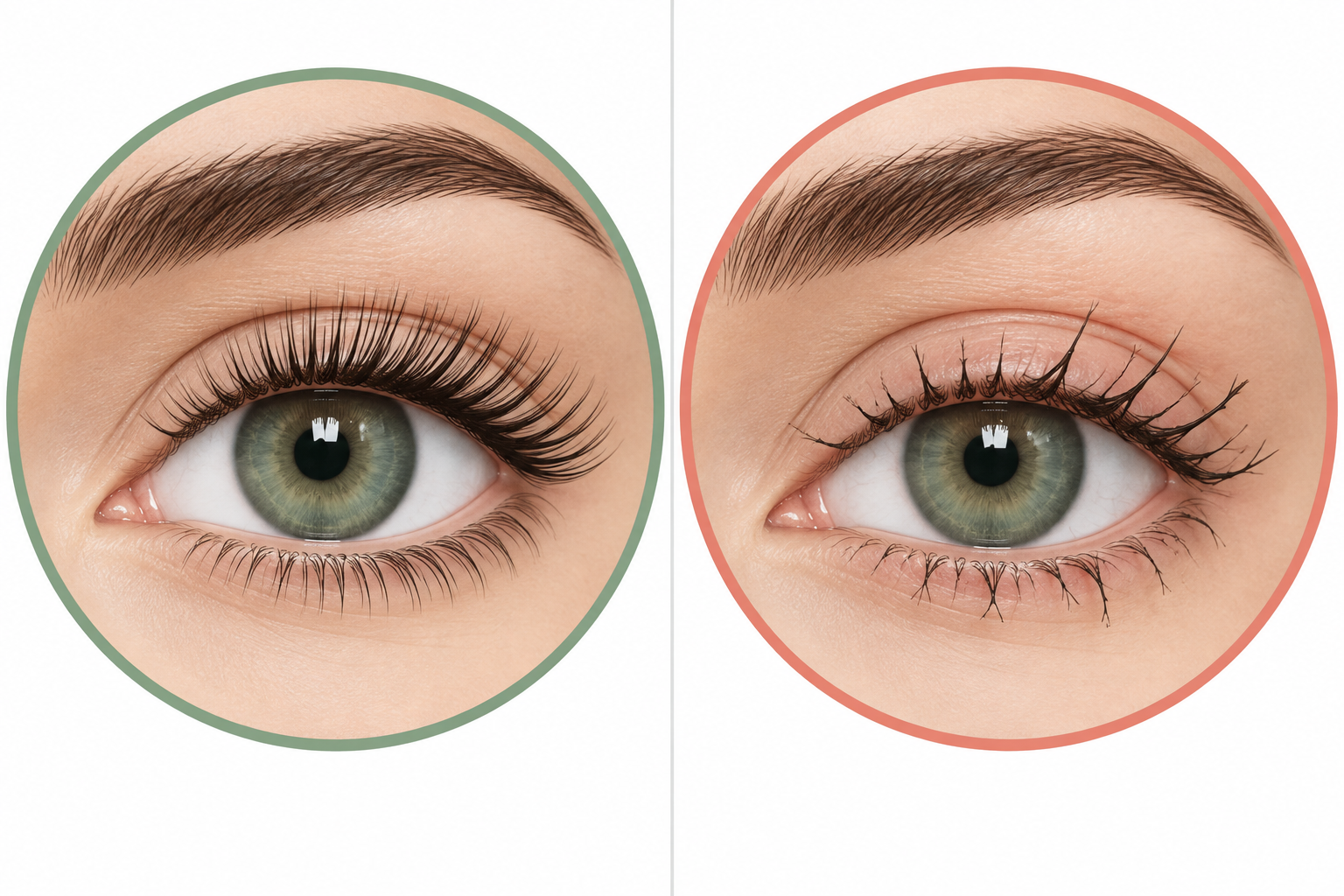
When lashes are too weak for chemical reshaping, shift the treatment strategy toward recovery. Educating clients on maintaining natural lash health through daily hydration and protective conditioning helps restore natural lash density for future services.
Screening Protocols and Appointment Preparation
Establishing a repeatable screening protocol standardizes safety across every client interaction. A comprehensive intake form should capture contact information, medical history, history of eye sensitivities, contact lens usage, active prescriptions, and hormonal status. Integrating a thorough client consultation process into your booking routine reduces clinical risk and sets clear service expectations.
Before placing silicone shields or applying lifting agents, prepare the eye area thoroughly. Strip away oils, sebum, and cosmetic buildup using a dedicated cleansing foam formulated specifically for delicate ocular tissue. Clean lash surfaces allow lifting lotions to penetrate evenly, ensuring consistent processing times across both eyes.

Maintaining detailed client records and adhering strictly to safety guidelines allows beauty professionals to deliver exceptional results while protecting client health. Stocking your station with high-grade, professional-certified products ensures predictable performance across every treatment step. Explore our full range of complete lash lift kits, gentle lash lift lotions, professional eyelash tints, and specialized lash lift aftercare to elevate your service standards and maintain complete confidence in your salon protocol.


