


Performing a chemical lash treatment on a pregnant client requires heightened professional due diligence, precise technical adjustments, and thorough client communication. While low-maintenance lash services are popular among expecting clients, significant physiological shifts – namely fluctuating hormone levels and elevated skin sensitivity – directly alter how chemical solutions react with hair structure and dermal tissue.
As a standard professional guideline, technicians generally advise avoiding lash lift treatments during pregnancy and breastfeeding, particularly throughout the first trimester. Hormonal fluctuations can cause unpredictable lifting results, and increased skin reactivity elevates the risk of localized irritation. However, when servicing a client who chooses to proceed in later trimesters after consulting their healthcare provider, technicians must implement strict protocols to maintain safety and comfortable positioning.
Hormonal Influences on Lash Structure and Processing
During pregnancy, surges in estrogen and folate alter the hair growth cycle. Some clients experience accelerated lash growth and temporary thickening, while others encounter increased shedding or altered hair porosity. These underlying structural changes act as an unpredictable variable during chemical processing. Lashes that historically lifted quickly may resist perming lotions, or porous hair may absorb solution rapidly, increasing the risk of overprocessing.
Simultaneously, immune system changes increase ocular and dermal reactivity. A client with no prior history of cosmetic allergies can suddenly develop contact dermatitis, localized swelling, or conjunctival irritation. Recognizing these factors during screening helps manage expectations, as chemical bonds may not hold as consistently as they do outside of pregnancy. Technicians should also review standard lash lift contraindications – such as active eye infections, severe seasonal allergies, or recent ocular surgeries – before deciding whether to proceed. Understanding how hormonal shifts during pregnancy modify natural hair texture ensures processing times are selected with caution.
Consultation and Patch Testing Protocols
A rigorous client consultation process is essential prior to performing any service on a pregnant client. Technicians must document the client’s current trimester, history of skin sensitivities, and confirmation of healthcare provider approval. Clients must be informed that while chemical solutions do not contact the bloodstream when applied correctly, natural hormonal shifts may lead to weaker lift retention or uneven curl patterns.
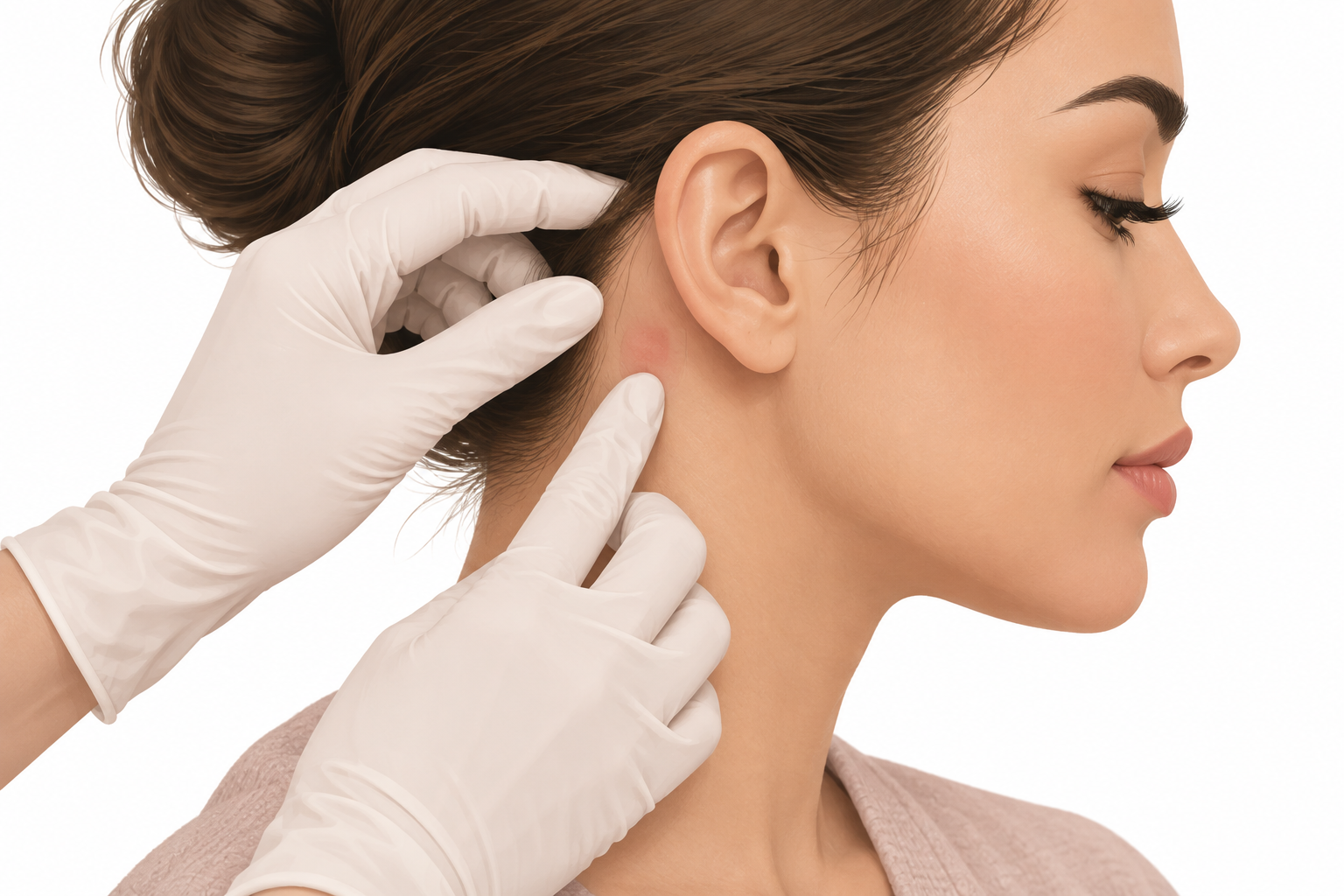
Conducting a patch test 24–48 hours before the scheduled appointment is mandatory. Apply a small amount of lifting lotion, fixing lotion, adhesive, and planned tint to a discreet area, such as behind the ear or on the inner arm. If any itching, erythema, or swelling develops, the procedure must be cancelled immediately. Technicians should maintain signed record cards and informed consent waivers specific to pregnancy lash treatments to document product batch numbers and client approval.
Technical Adjustments and Ergonomic Positioning
When working with pregnant clients, technical modifications protect both ocular health and physical comfort. Maintaining proper salon ventilation reduces chemical fumes, preventing discomfort for clients experiencing pregnancy-related nausea or scent sensitivity.

Key technical and positioning protocols include:
- Applying lifting and fixing lotions with extreme precision, maintaining a strict 1mm gap from the lash root to avoid direct skin contact and potential dermal absorption.
- Selecting cysteamine HCl-based perming formulations over heavy thioglycolate lotions to ensure a gentler bond-breaking process on delicate hair structures.
- Positioning the client in a semi-reclined angle of 30–45 degrees after 20 weeks of gestation, using body wedges or pregnancy support pillows.
- Avoiding completely flat supine positioning past 20 weeks to prevent supine hypotensive syndrome, which occurs when uterine weight compresses major abdominal blood vessels and leads to dizziness or low blood pressure.
- Allowing periodic posture adjustments during processing intervals so the client remains comfortable throughout the session.
Using high-quality lash lift lotions integrated with conditioning agents like keratin, castor oil, and amino acids helps reinforce structural integrity during chemical processing. Complete, professional lash lift kits engineered with gentle active ingredients provide predictable results while preserving natural lash flexibility.


Managing Tinting Services Safely
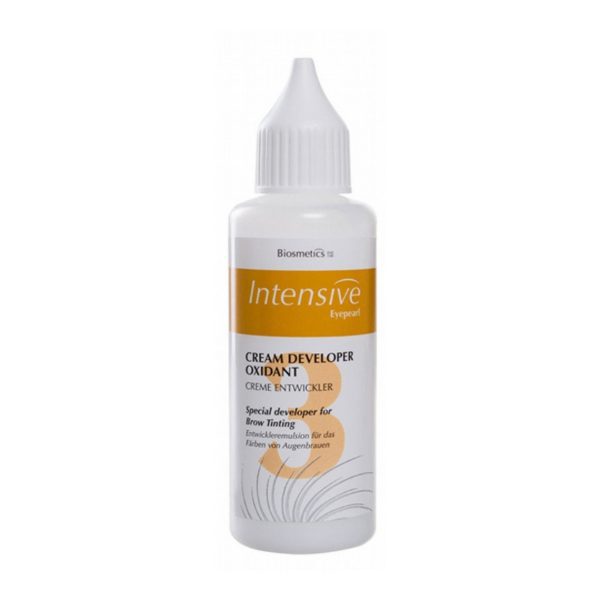
If an eyelash tint is added to the service, technicians must adjust timing and developer choices to account for heightened skin reactivity. Use mild cream oxidants formulated specifically for sensitive eye areas, such as low-concentration 2% developers.
Because hormonal changes can make the hair cuticle absorb color rapidly, monitor tint development continuously. Reducing tint processing times by 1 to 2 minutes prevents hyper-pigmentation on skin patches and minimizes the risk of ocular stinging. Technicians stocking professional eyelash tints should choose gentle cream formulas that mix smoothly without running into the eye area.


Post-Treatment Care and Lash Maintenance
Educating clients on proper post-treatment maintenance protects lash health and extends curl retention. During the first 24–48 hours, clients must keep their lashes completely dry, avoiding steam rooms, hot showers, intense workouts, and heavy eye cosmetics to allow chemical bonds to stabilize fully.
Recommend daily maintenance using non-irritating, pH-balanced cleansing foams and gentle, oil-free makeup removers. Incorporating a daily nourishing serum formulated with hydrolyzed keratin and plant extracts counteracts hormonal brittleness and supports healthy shedding cycles. Technicians should guide clients through comprehensive guidelines for proper lash lift aftercare and explain the appropriate timeframe for timing repeat lash lift treatments, allowing natural lashes sufficient recovery time between sessions. Retailing specialized post-treatment aftercare products allows clients to maintain healthy, hydrated lashes at home.


Managing lash lift services during pregnancy requires balancing technical precision with rigorous safety standards. By conducting thorough consultations, choosing gentle formulations, maintaining semi-upright positioning, and emphasizing proper aftercare, beauty professionals can deliver safe, beautiful results while prioritizing client well-being.
Explore our full selection of professional lash lift products to equip your treatment room with industry-leading lotions, adhesives, and gentle post-care essentials.
