


Performing lash and brow enhancements on pregnant clients requires a balanced approach to safety, chemical management, and physical comfort. Elevated hormone levels, changing skin sensitivity, and physical restrictions during gestation directly impact both the execution and outcome of your services. Understanding these physiological changes allows beauty technicians to adapt protocols, set accurate expectations, and maintain professional safety standards.

Insurance and Legal Safeguards
Before offering chemical or adhesive treatments to expectant clients, review your professional indemnity insurance policy. Many insurance providers enforce specific conditions or strict exemptions regarding beauty treatments during pregnancy. Operating without confirming these details exposes your salon to financial and legal risks.
Technicians should establish a comprehensive consultation workflow that includes a pregnancy-specific liability waiver. This document should explicitly detail potential modifications, unpredictable retention, and heightened risks of cutaneous sensitivity. In addition, request that clients confirm they have discussed cosmetic treatments with their healthcare provider, especially if high-risk factors or medical complications exist.
Hormonal Impact on Lash Growth and Treatment Results
Pregnancy significantly alters endocrine function, which directly affects hair follicle behavior and chemical processing predictable outcomes. Elevated levels of estrogen and folate during the second and third trimesters often prolong the anagen (growth) phase of the hair cycle. This shift can lead to increased lash density, faster growth rates, or altered hair texture. However, these physiological changes are temporary, and sudden postpartum hormone drops frequently trigger telogen effluvium, resulting in temporary lash shedding.
Technicians must recognize how these hormonal shifts interact with perming lotions and adhesives. Chemical restructuring relies on breaking and reforming disulfide bonds within the lash keratin. Fluctuating hormones can prevent these bonds from reforming properly, leading to inconsistent curl take, premature dropping of the curl, or complete lash lift underprocessing.
Communicating these technical factors during intake ensures clients understand why results may vary. For detailed guidance on tracking these changes across different life stages, review our analysis of hormonal influences on lash growth and monitor individual hair cycle variations associated with eyelash growth during pregnancy.
Pre-Treatment Consultation Protocol
A rigorous screening process is essential for evaluating client suitability and mitigating adverse reactions. Standard intake protocols must be expanded to capture pregnancy stage, healthcare guidance, and recent medical shifts.
- Document the current trimester, expected due date, and any pregnancy complications noted by the client’s medical provider.
- Screen for core ocular and health factors, including active eye infections, recent eye surgeries, chronic hay fever, or prescription eye drop usage.
- Confirm that the client meets the minimum treatment age of 18 and review past cosmetic reaction histories.
Standard industry practice strongly advises against performing chemical lash lifts or lash laminations during the first trimester, as highlighted in our guide on lash lift during pregnancy. During this initial period, physiological changes and morning sickness are most pronounced, making chemical exposure and sitting for extended treatments unsuitable.
Even for long-standing regular clients, a mandatory 48-hour patch test must be conducted prior to treatment. Hormonal changes cause unpredictable immune responses, transforming previously well-tolerated formulas into active allergens. Apply small amounts of lifting lotion, setting solution, and adhesive to a discreet area, such as behind the ear or the inner fold of the arm, for the standard processing duration. If any redness, itching, or inflammation occurs within 48 hours, cancel the chemical service. Maintain thorough records of all assessments using a dedicated lash lift consultation protocol while cross-referencing established lash lift contraindications.


Chemical Safety and Salon Ventilation
Minimizing chemical contact and airborne vapor exposure protects both the client and the technician. Salon treatment rooms must maintain active source ventilation or local exhaust systems to prevent cyanoacrylate fumes and perming odors from accumulating. Cyanoacrylate vapors from extension adhesives irritate the respiratory tract and mucous membranes, with repeated contact posing a long-term risk of allergic sensitization.
When chemical treatments are performed later in pregnancy, precise application technique is mandatory. Apply lifting formulas with a 1mm margin from the lash root, ensuring zero product touches the eyelid margin or surrounding skin.
Switching to gentler cysteamine-based formulations offers a milder alternative to traditional thioglycolic acid lotions. These formulations process lashes smoothly while reducing the risk of harsh chemical irritation on sensitive skin. Technicians can source these gentler options within professional lash lift lotions and complete single-use lash lift kits.

Iconic Duo Cysteamine Lash Lift Kit medium

Ergonomic Positioning and Physical Comfort
Physical adjustments are necessary to safeguard client health during appointment sessions. From 16 to 20 weeks gestation onward, placing a client flat on their back (supine positioning) presents distinct physiological risks. Prolonged supine positioning can compress the inferior vena cava between the gravid uterus and the spine, causing aortocaval compression syndrome (supine hypotensive syndrome).
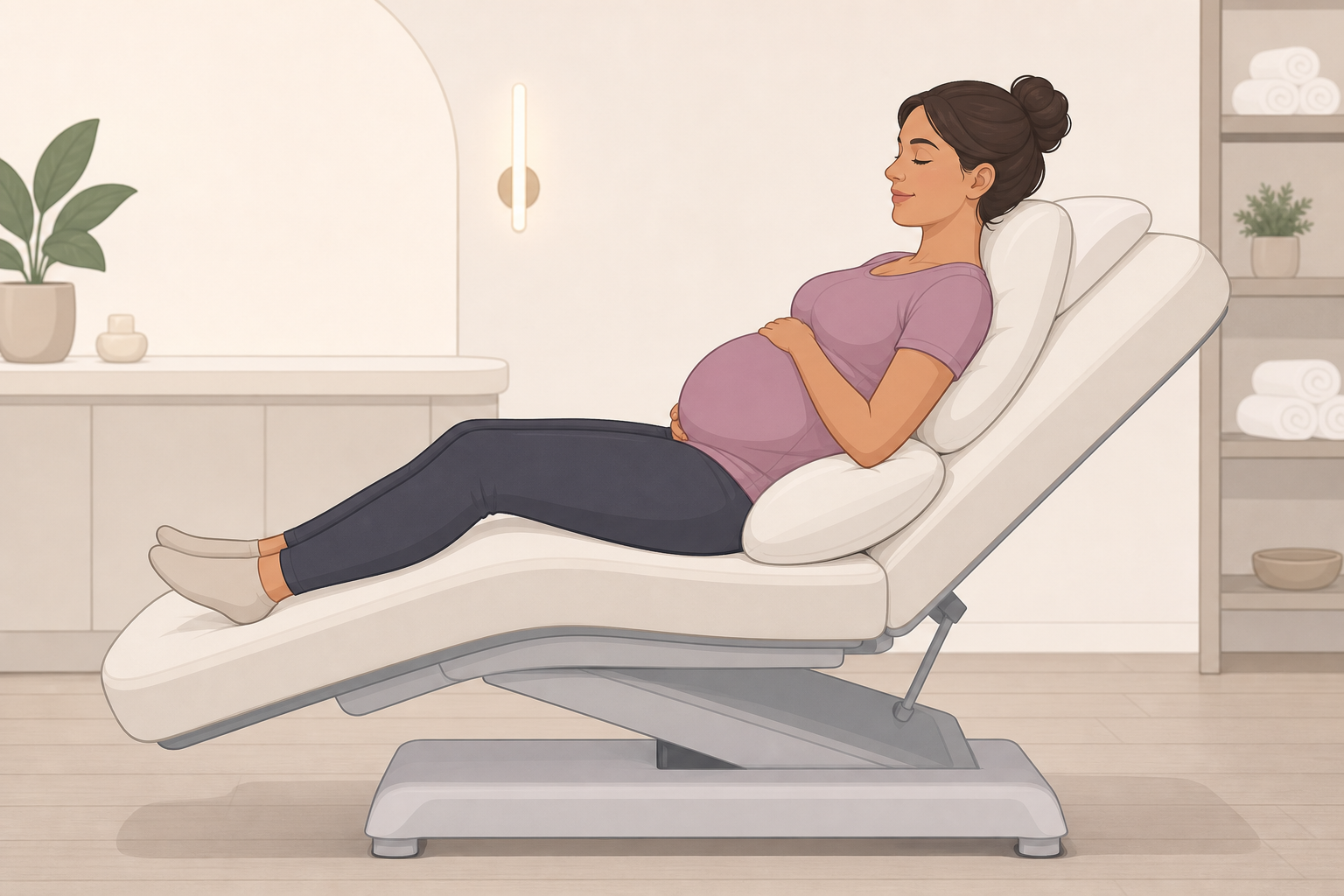
Symptoms of supine hypotension include sudden dizziness, nausea, low blood pressure, sweating, and increased heart rate. To prevent this condition, implement specific positioning guidelines during services:
- Adjust the treatment couch to a semi-reclined angle of 30 to 45 degrees rather than lying flat.
- Place supportive firm pillows under the client’s right hip and lower back to tilt the pelvis slightly toward the left side.
- Keep total treatment durations as brief as possible to minimize continuous recline times.
- Provide scheduled movement breaks every 30 minutes, allowing the client to sit up, walk around the room, and stretch their legs to encourage venous circulation.
If a client experiences lightheadedness or pallor at any point during the session, immediately transition them to a full left-side lateral position until symptoms completely resolve.
Alternative Pregnancy-Safe Lash and Brow Services
When chemical lifts or extensions are contraindicated or declined, technicians can offer modified enhancements that maintain lash aesthetics with low risk.
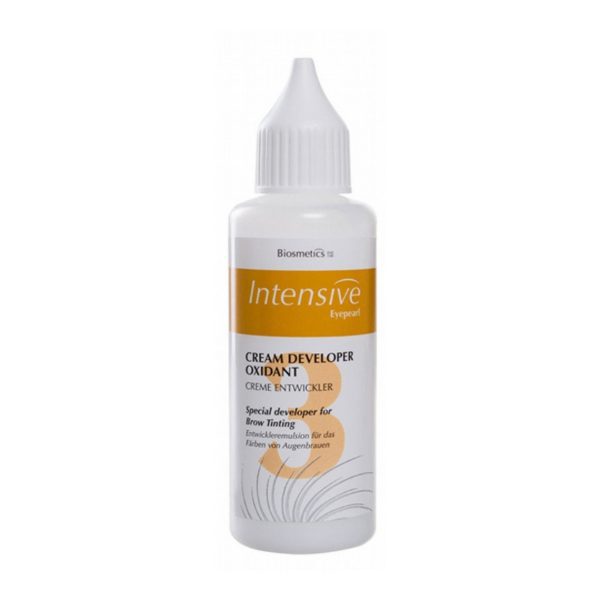
- Gentle tinting using mild, low-volume developer options from professional eyelash tints to define natural lashes without heavy structural perming.
- Mechanical brow shaping and micro-tweezing in place of chemical perming, keeping in mind specific safety parameters surrounding brow lamination during pregnancy.
- Daily nourishing routines using dedicated lash lift aftercare serums rich in peptides, keratin, and plant oils to strengthen the natural lash matrix during pregnancy growth phases.
Providing client-focused alternatives keeps clients engaged with your salon service menu while maintaining strict health standards across all professional lash lift solutions.


Mastering Pregnancy Lash Services
Successfully managing pregnancy lash services requires balancing technical precision with rigorous health protocols. By conducting mandatory 48-hour patch tests, selecting gentler cysteamine-based formulas, adapting treatment beds to semi-reclined angles, and setting realistic expectations regarding hormone-driven retention, technicians protect both client safety and treatment quality.
Review your salon’s intake forms and update your service guidelines today to ensure every pregnant client receives safe, tailored care. Explore our complete selection of professional cysteamine lotions, gentle cleansing foams, and nourishing aftercare products to elevate your treatment standards.
