


Professional lash lifting is more than just a technical application; it is a clinical assessment of hair health, skin sensitivity, and ocular safety. Before any curling lotion touches a client’s lashes, a thorough screening of medical and cosmetic contraindications is mandatory to prevent adverse reactions and ensure the longevity of the lift. As a technician, your role is to identify when a treatment must be modified, deferred, or denied to protect both the client and your professional reputation.
Eye Health and Medical History
The most immediate contraindications involve the health of the eye and the surrounding ocular tissue. Active infections such as conjunctivitis, blepharitis, or styes are absolute contraindications. Performing a treatment during an active infection can exacerbate inflammation, spread bacteria through your tools, and cause significant distress to the client. You must wait until the infection has completely cleared and any prescribed medication cycle is finished before proceeding with any lash service.
Chronic conditions like severe dry eye syndrome or glaucoma require additional caution. While not always a total barrier, clients with glaucoma should consult their ophthalmologist, as the pressure applied during the shield placement or the potential for lash treatment risks like chemical irritation can be problematic. Similarly, anyone who has undergone recent eye surgery – including LASIK or cataract removal – should wait a minimum of six to eight weeks and provide medical clearance from their surgeon to ensure the corneal tissue is sufficiently stable to withstand the manipulation of a lift.
Skin Sensitivity and Allergies
The delicate skin of the eyelids is highly susceptible to allergic contact dermatitis and chemical burns. Clients with active eczema, psoriasis, or perioral dermatitis around the eyes should not be treated until the skin is fully healed and unbroken. The active ingredients in lifting solutions, such as ammonium thioglycolate or cysteamine HCL, can penetrate compromised skin barriers, leading to severe swelling and irritation that may require medical intervention.
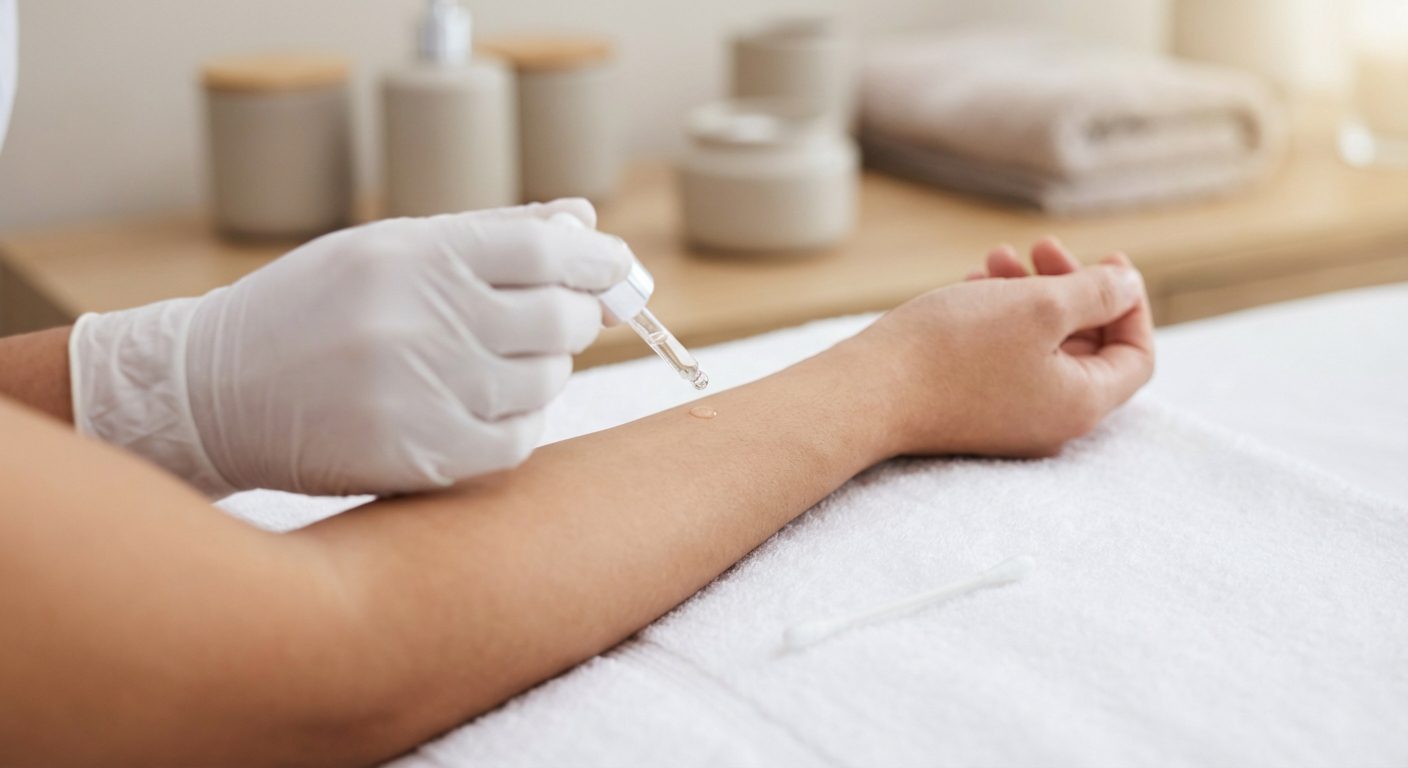
A patch test performed 24 to 48 hours before the service is the industry standard for managing lash chemicals and their interaction with the skin. This is especially critical when using eyelash tints, as PPD (paraphenylenediamine) is a common allergen that can cause delayed hypersensitivity. If a client shows any signs of redness, itching, or inflammation during the patch test, the service must be cancelled to avoid a systemic or severe localized reaction.
Systemic Health and Medications
A client’s internal health and medication regimen directly influence the structural integrity of their lashes. One of the most significant contraindications is the use of Roaccutane (isotretinoin). This medication severely thins the skin and hair, making the eye area hypersensitive and the lashes prone to breakage or shedding. It is generally advised to wait a full 12 months after finishing a course of Roaccutane before performing a lash lift to ensure the skin’s lipid barrier and the hair’s keratin structure have normalized.
Other systemic factors to consider include:
- Chemotherapy and Radiation: These treatments often result in fragile, brittle lash regrowth. Professional guidance suggests waiting several months post-treatment and obtaining medical clearance, as the hair follicles may be too weak to withstand chemical processing.
- Retinoids and AHAs: Topical Vitamin A (Retinol) or high-percentage chemical exfoliants can make the eyelid skin paper-thin. Advise clients to stop using these products around the eye area for at least 7 days prior to treatment.
- Antibiotics and Blood Thinners: These can sometimes increase skin sensitivity or the likelihood of bruising from eye patches. A 2-week wait after finishing a course of antibiotics is a safe precaution.
Hormonal Factors and Pregnancy
Hormonal fluctuations can have an unpredictable effect on the disulfide bonds within the hair. During pregnancy and breastfeeding, many technicians find that the hair does not take the curl as expected, or the lift drops prematurely because the chemical bonds do not reform correctly. Beyond the aesthetic result, there is an increased risk of developing new sensitivities due to the heightened immune response associated with pregnancy.
While not always a strictly medical “no,” most professionals advise against lash lifts while pregnant, particularly in the first trimester. If a client chooses to proceed, they must be informed that the results may be inconsistent due to shifting lash growth patterns. Consent and medical consultation are paramount in these cases to ensure the client is fully aware of the potential for uneven or temporary results.
Professional Screening Protocol
To ensure the highest safety standards, every appointment should begin with a systematic lash analysis. This involves checking for lash gaps, brittleness, or signs of alopecia. If the natural lashes are over-processed from a previous lift or damaged from recent extensions, you may need to defer the service. In these instances, recommending intensive lash lift aftercare serums is the best course of action to restore hair health before attempting a new lift.
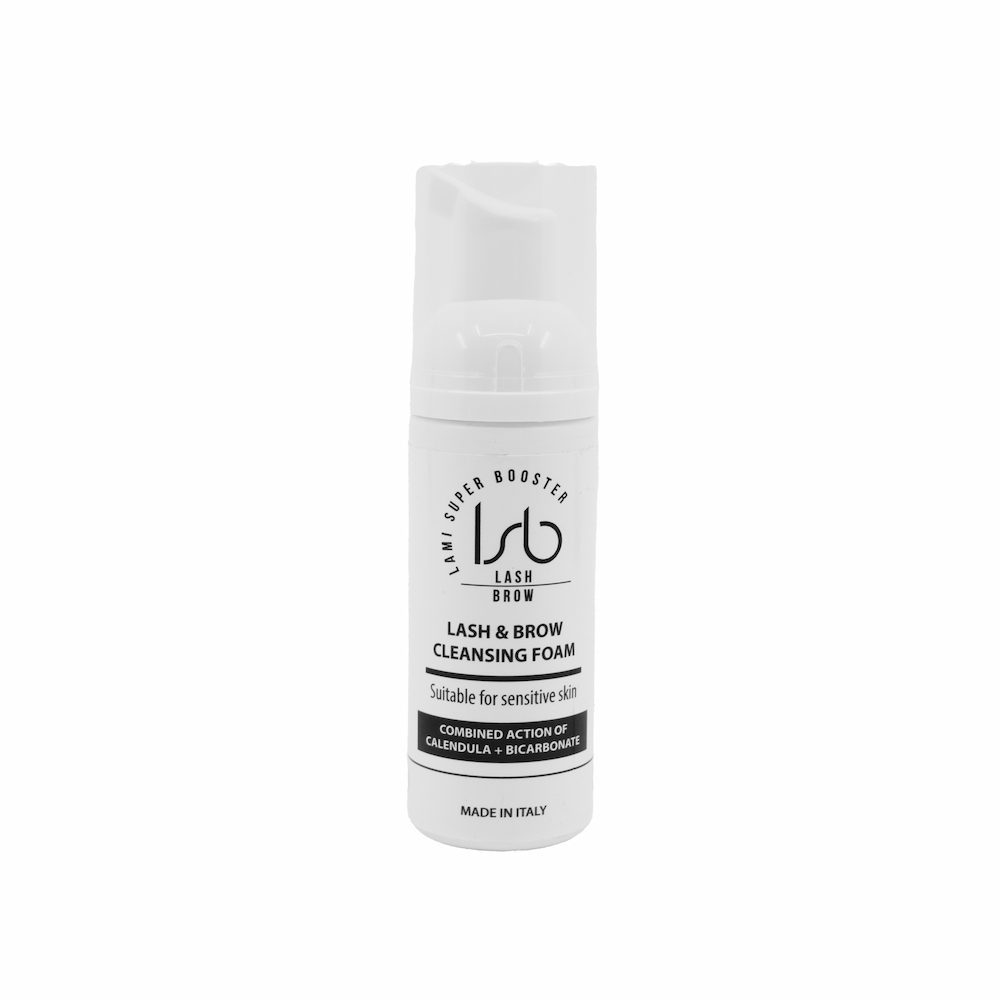
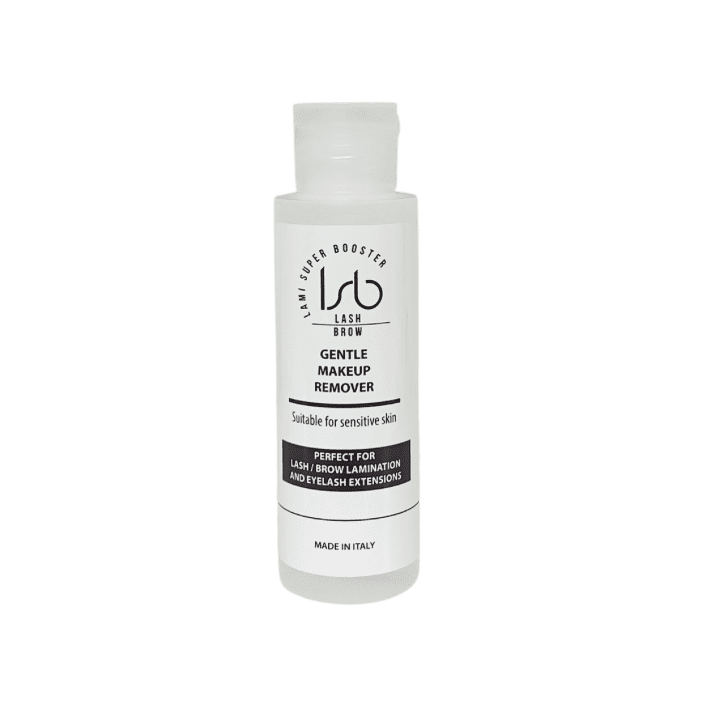
Before beginning the application, ensure the eye area is perfectly prepared and free of all contaminants. Use a specialized cleansing foam or makeup remover to clear all traces of oils, proteins, and cosmetics. These residues can interfere with the chemical processing, leading to inconsistent lifts or increased irritation.
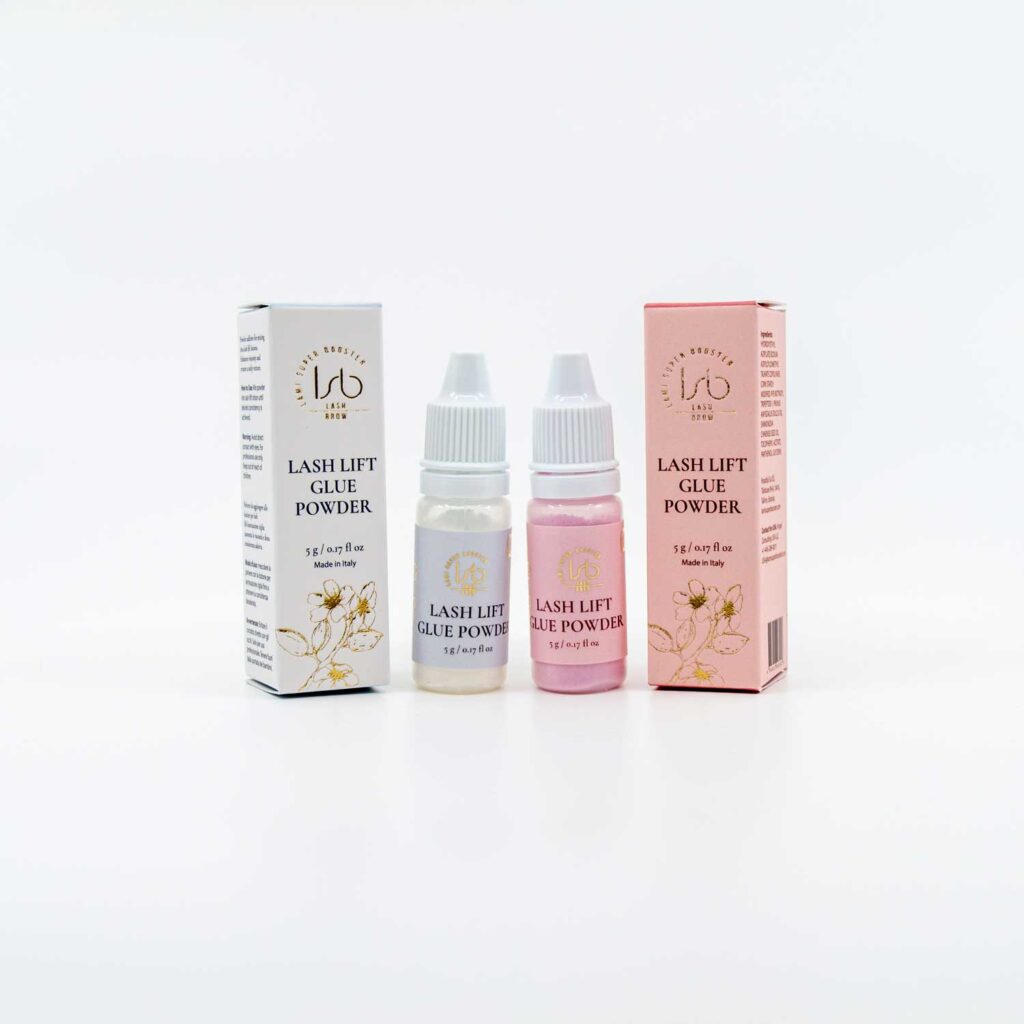
Lash Lift Glue Powder
Successful lash lifting relies on your ability to prioritize safety and say “no” when the risks outweigh the benefits. By maintaining detailed client records, conducting thorough consultations, and understanding the science behind the chemicals, you provide a service that is both beautiful and ethically sound. If a client presents with a temporary contraindication, use the opportunity to educate them on lash health so they can return for a safe treatment in the future. Ensure your kit is always stocked with professional-grade formulas that offer both efficacy and safety by exploring our full range of lash lift lotions and specialized tools.