


An over-curled lash lift is one of the most common technical challenges for beauty technicians. Instead of a graceful, wide-eyed lift, the lashes may appear crimped, fried, or curled back so tightly they touch the eyelid. This result is rarely a failure of the product itself; rather, it is typically a consequence of technical misalignment during the chemical or mechanical stages of the treatment. Understanding the technical science of lash chemical bonds and the precise parameters of processing is essential for maintaining professional standards and client safety.
Technical Causes of Over-Curling
The primary reason lashes over-curl is the improper disruption and reformation of disulfide bonds. During the lifting phase, alkaline solutions with a pH between 8.1 and 9.5 break these strong covalent bonds, making the hair malleable. If the process is not controlled with precision, the structural integrity of the keratin is compromised, leading to a rigid, overly tight arc that defies the intended aesthetic.
Incorrect Shield or Rod Sizing
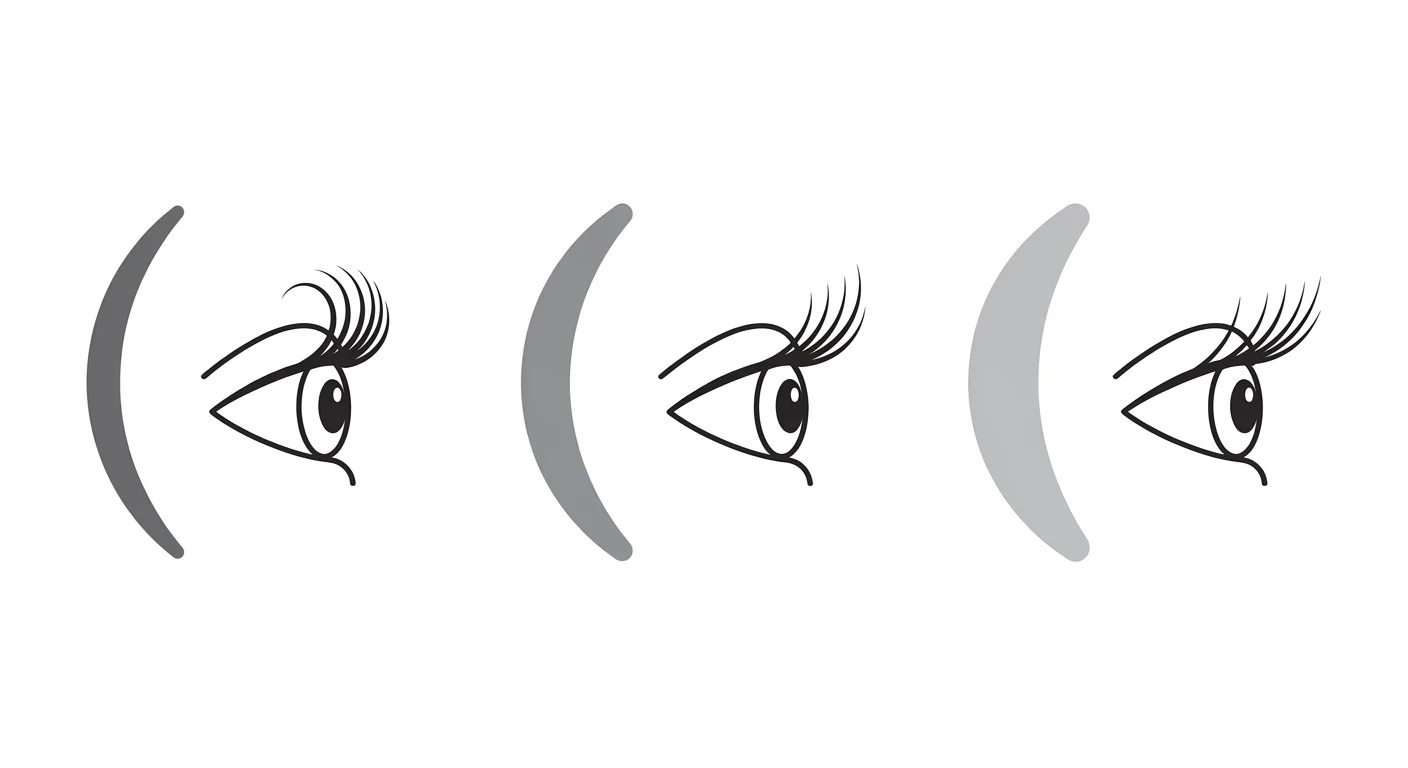
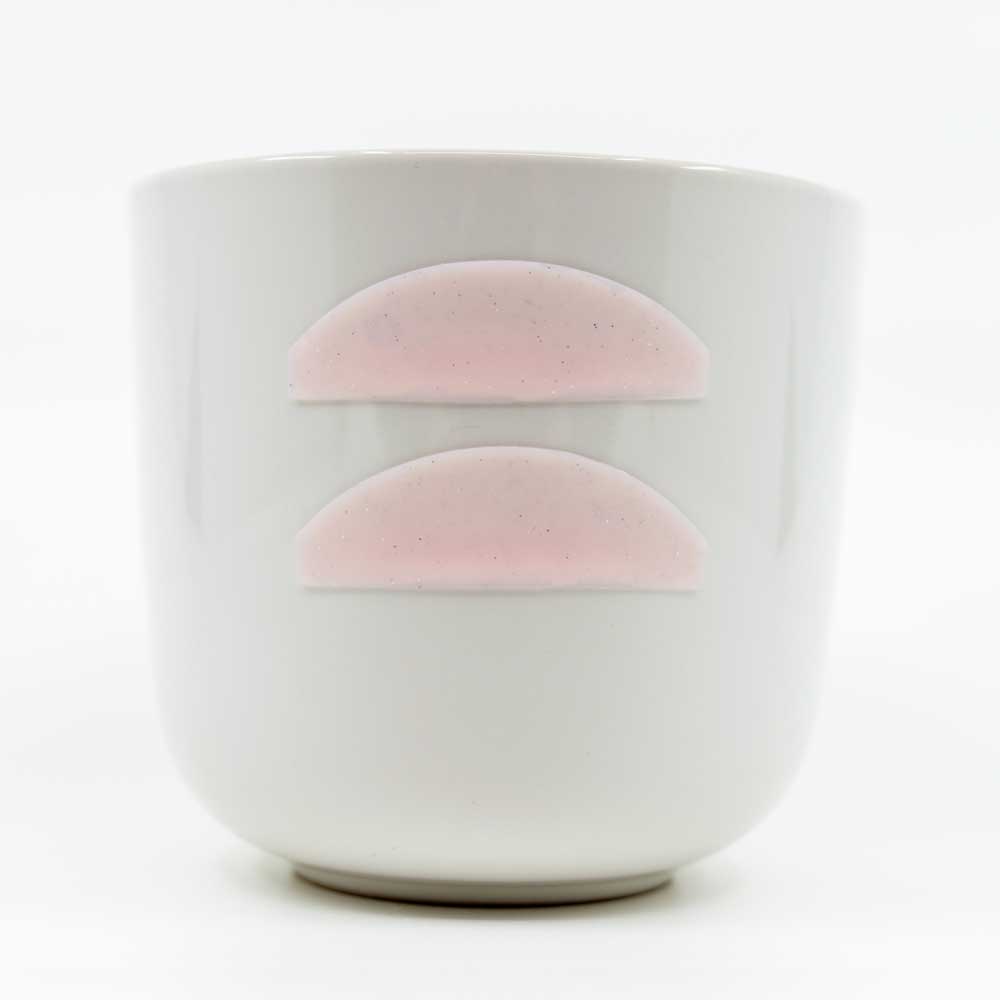
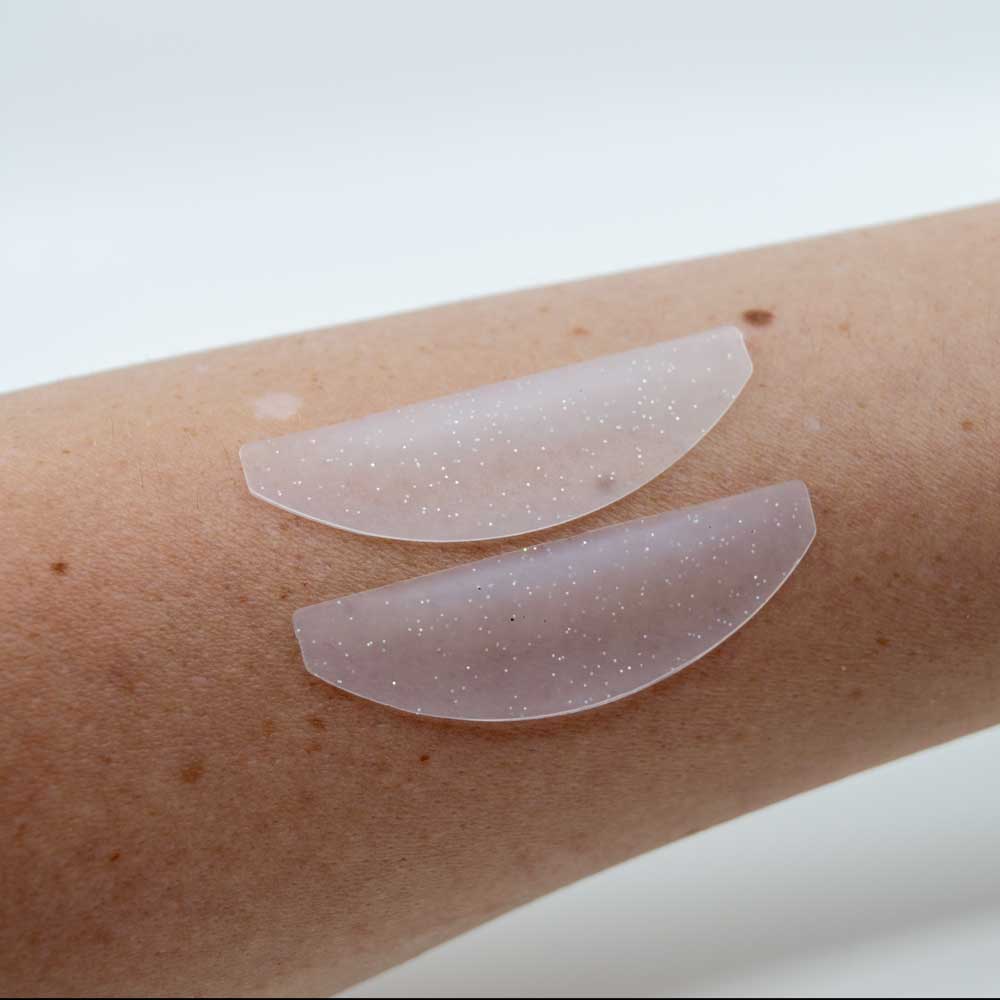
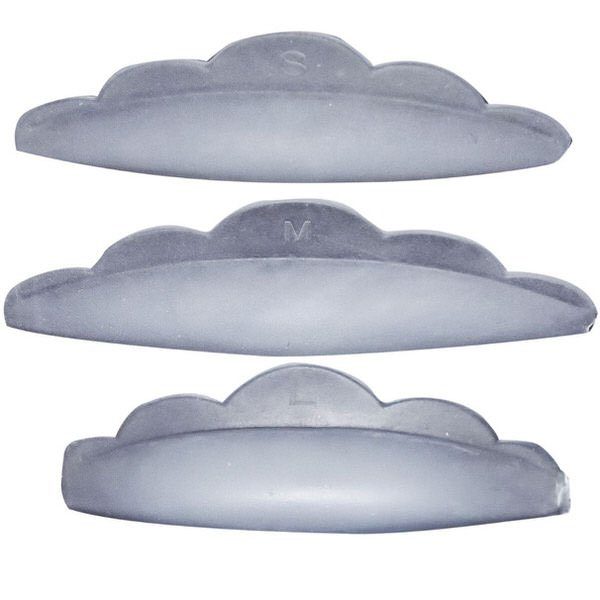
Selecting a shield that is too small for the client’s natural lash length is a frequent cause of over-curling. A small shield forces the lashes into a tighter radius, creating a dramatic “O” shape rather than a clean lift. Conversely, placing the shield too high on the eyelid increases tension at the mid-shaft, resulting in a sharp, unnatural bend. For detailed sizing protocols, technicians should refer to a professional lash lift shield size guide to match the shield apex to the natural lash length.
Excessive Processing Times
Timing is not a universal metric; it must be tailored to the specific hair texture of the client. Fine, porous, or previously treated lashes process significantly faster than coarse, stubborn hair. Exceeding the recommended dwelling time allows the curling lotion to excessively break disulfide bonds, making it impossible for the neutralizer to restore them to a healthy, flexible state. Professionals should always monitor the hair’s flexibility throughout the process.
Solution Placement and Mechanical Tension
When doing a classical lash lift, the lifting solution should ideally be applied from the base to approximately 3/4 of the way up the lash. If the solution is applied all the way to the tips, the thinnest part of the hair is exposed to chemicals it cannot withstand, resulting in “hooked” or frizzy ends. Furthermore, using a thick, uneven layer of adhesive can create a barrier that prevents the lifting solution from penetrating evenly. If a technician applies excessive tension while wrapping the lashes onto the shield, they mechanically stress the hair fibers. When the chemical bonds are broken under this high tension, the lashes often “snap” into a tighter curl once the fixing agent is applied.
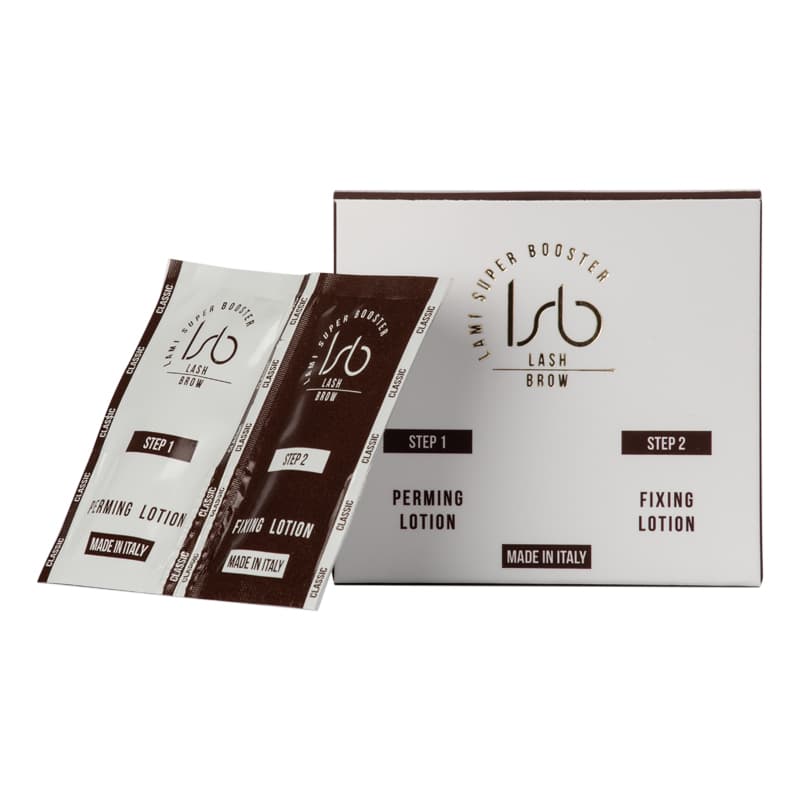
Professional Methods for Correcting Over-Curled Lashes
If a client returns with over-curled or “scrunchy” lashes, immediate corrective action must be balanced with hair health. While the instinct may be to re-lift immediately, the lashes need a stabilization period. In cases where the lashes show signs of severe keratin damage, such as brittleness or singed tips, technicians should avoid further chemical correction and instead prescribe a 6–12 week rehabilitation plan. Most experts recommend waiting a minimum of 4–6 weeks before attempting a full new treatment.
The Professional Relaxing Technique
The most effective method for fixing an over-curl is “relaxing” the lashes. This involves a shortened re-processing of the lashes to gently straighten the curve. To begin, thoroughly clean the lashes with a professional cleansing foam to remove any oils or aftercare products. Choose a significantly larger shield or perform the relaxation “off-shield” by brushing the lashes downward.
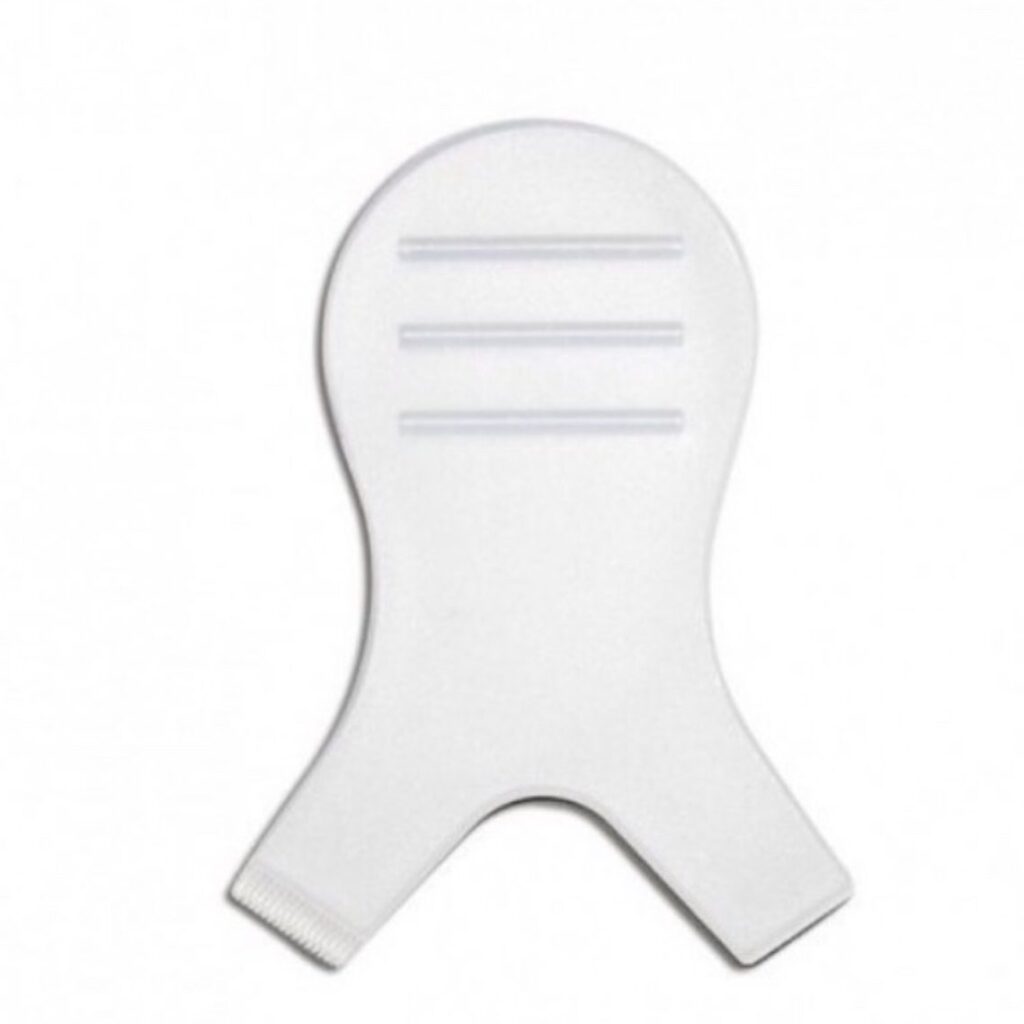
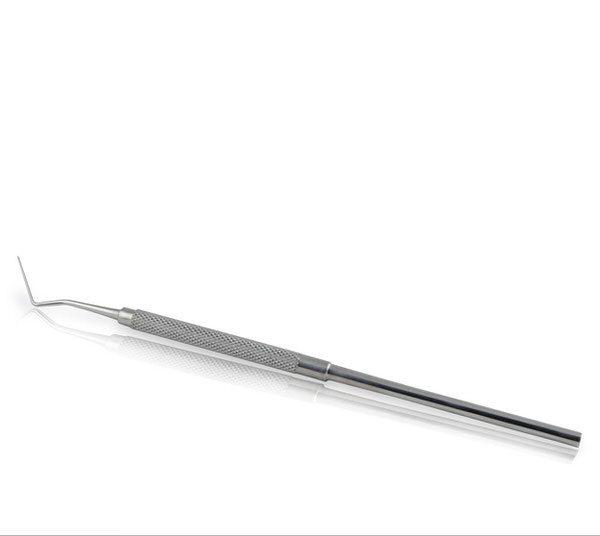
Apply the lifting lotion and brush the lashes downward with a lash lift separation tool. Reduce the processing time significantly – usually only 2–4 minutes, or roughly 50% of the original duration, is required to soften the curl. Apply the fixing lotion for the same shortened duration to lock the new, relaxed shape in place. Finally, apply a protein-rich nourishing lamination cream to seal the cuticle and restore moisture.
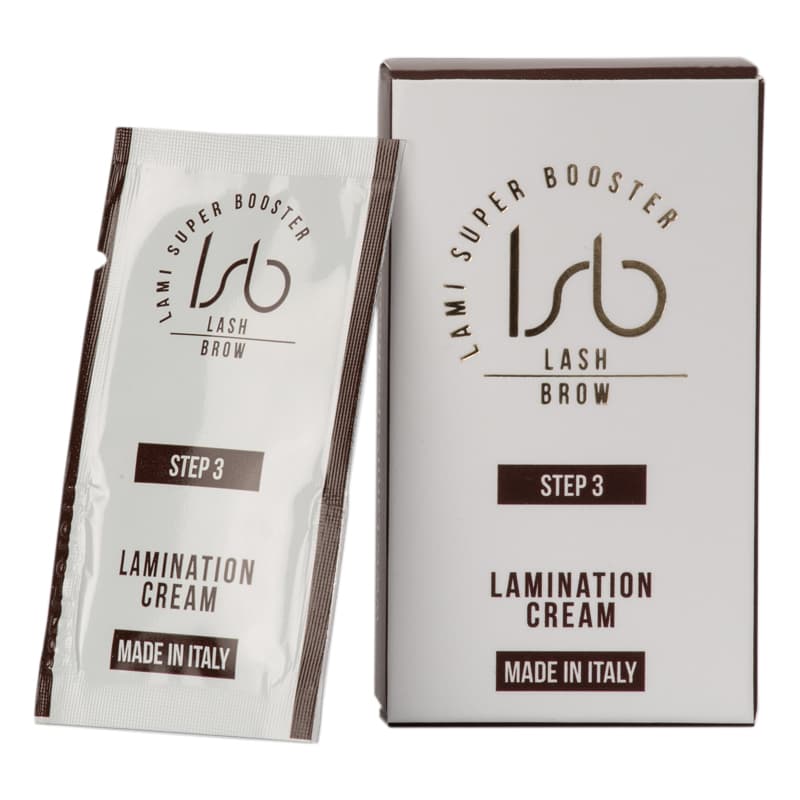
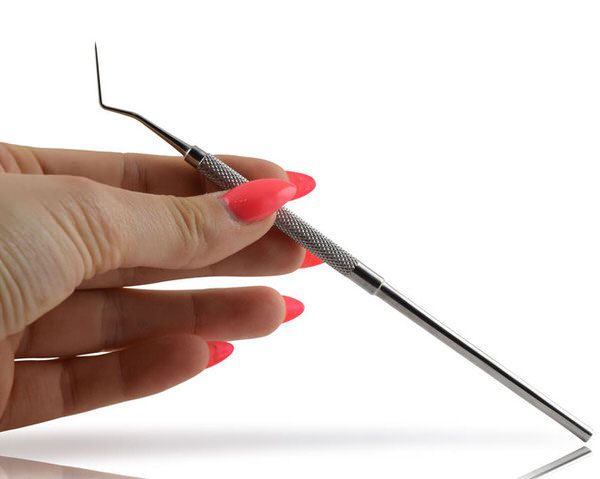
Prevention Strategies and Best Practices
Prevention is rooted in a thorough pre-treatment assessment of contraindications and lash health. Evaluating the lash texture, porosity, and natural growth direction before selecting your tools ensures a customized approach for every client.
- Always use timers, but monitor lashes closely and perform lash flex test to see how processed they are.
- Use lash lift compensators to ensure lashes stay perfectly aligned and tension remains consistent throughout the processing time. But be mindful that compensators speed up the processing time.
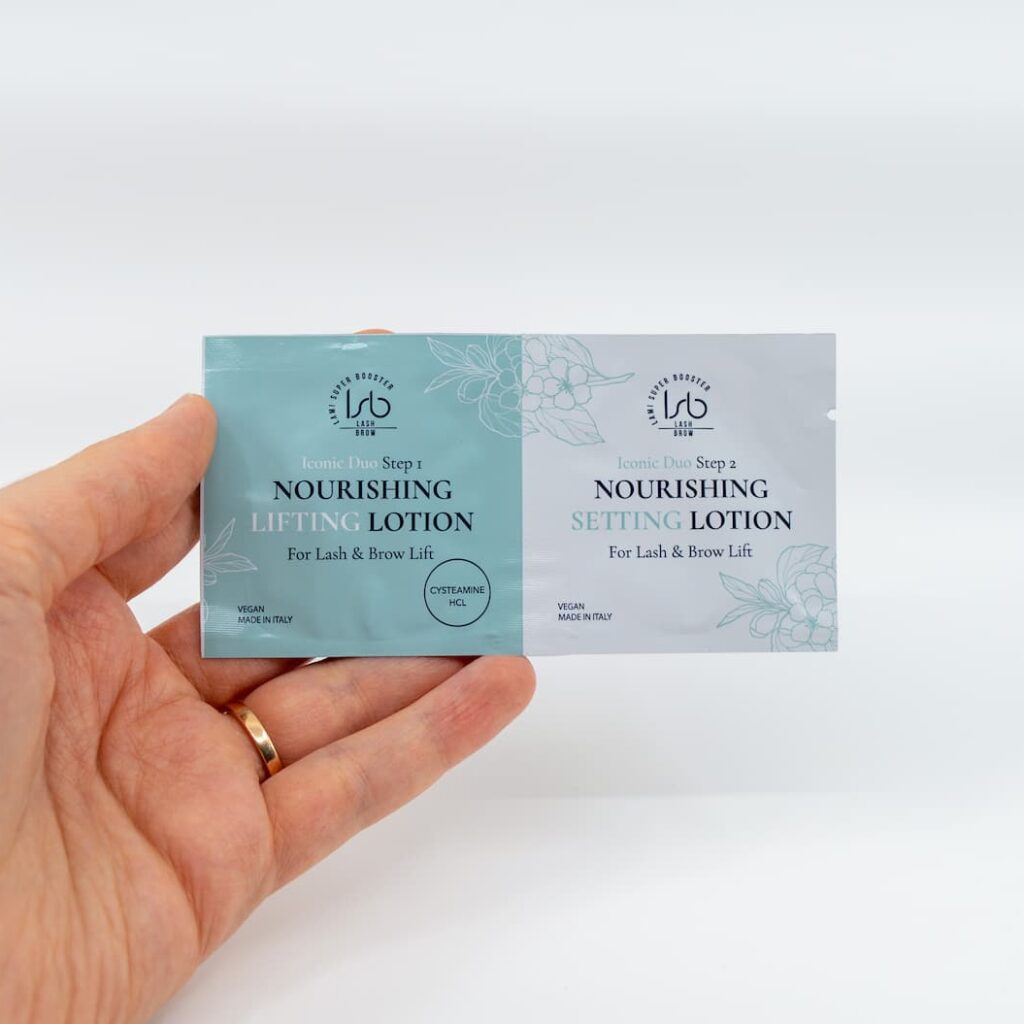
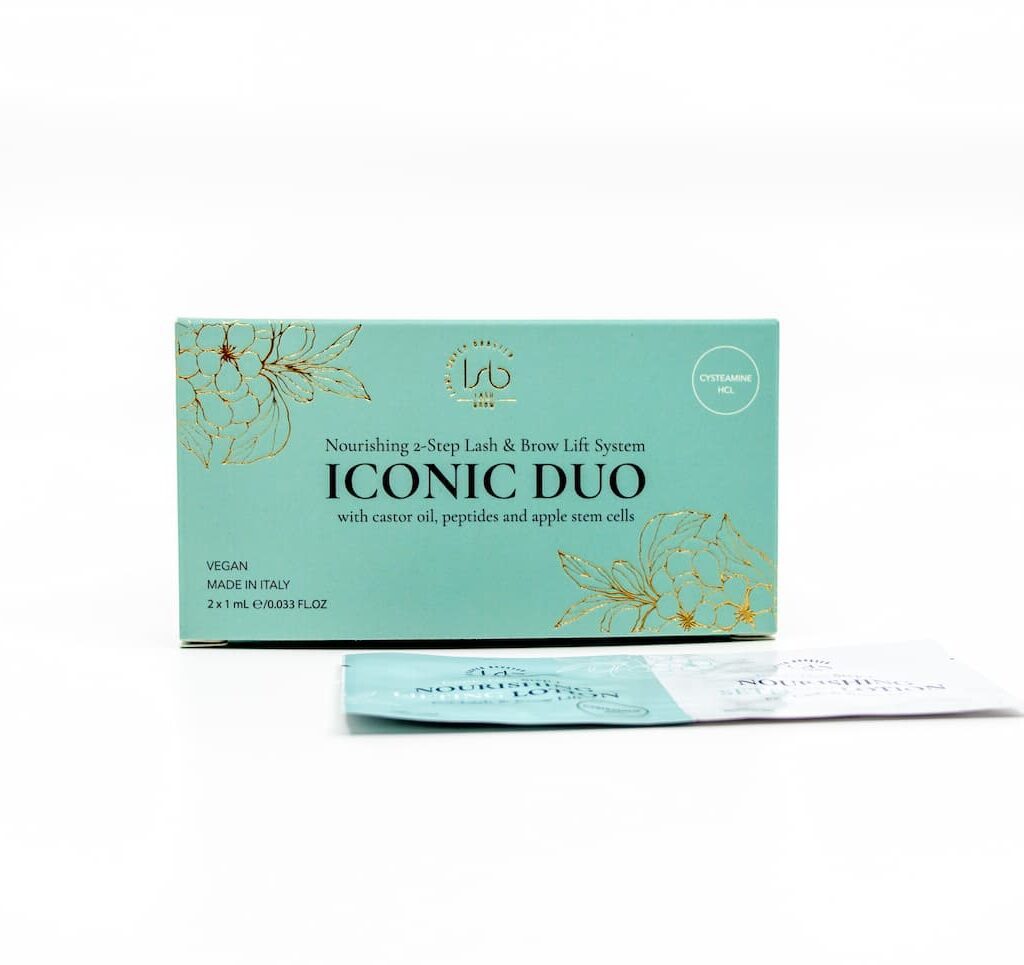
- For clients with sensitive or fine lashes, consider using a cysteamine HCl-based system, which is often gentler than traditional ammonium thioglycolate formulas.
- If the lifting lotion has a runny consistency, mix in a small amount of lash lift glue powder to thicken the formula, preventing migration toward the delicate lash tips.
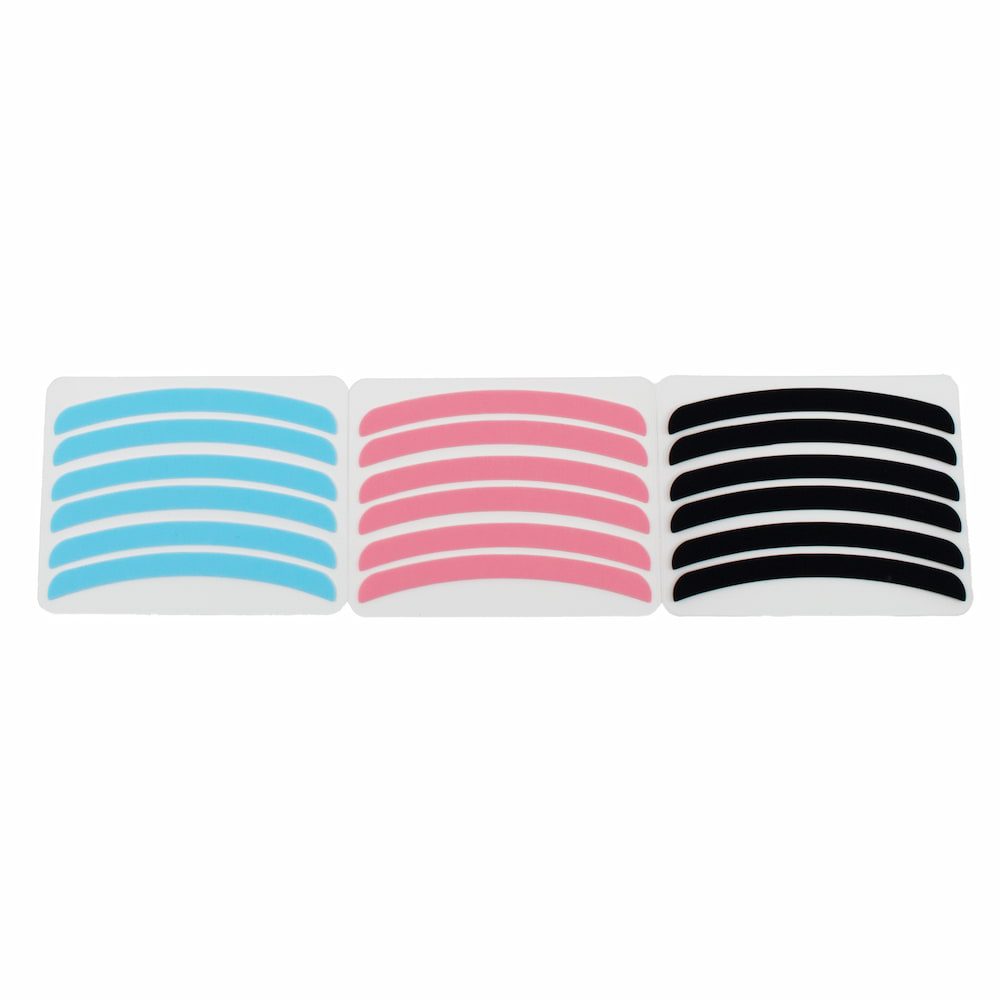
Lash Lift Compensators, 3 Pairs
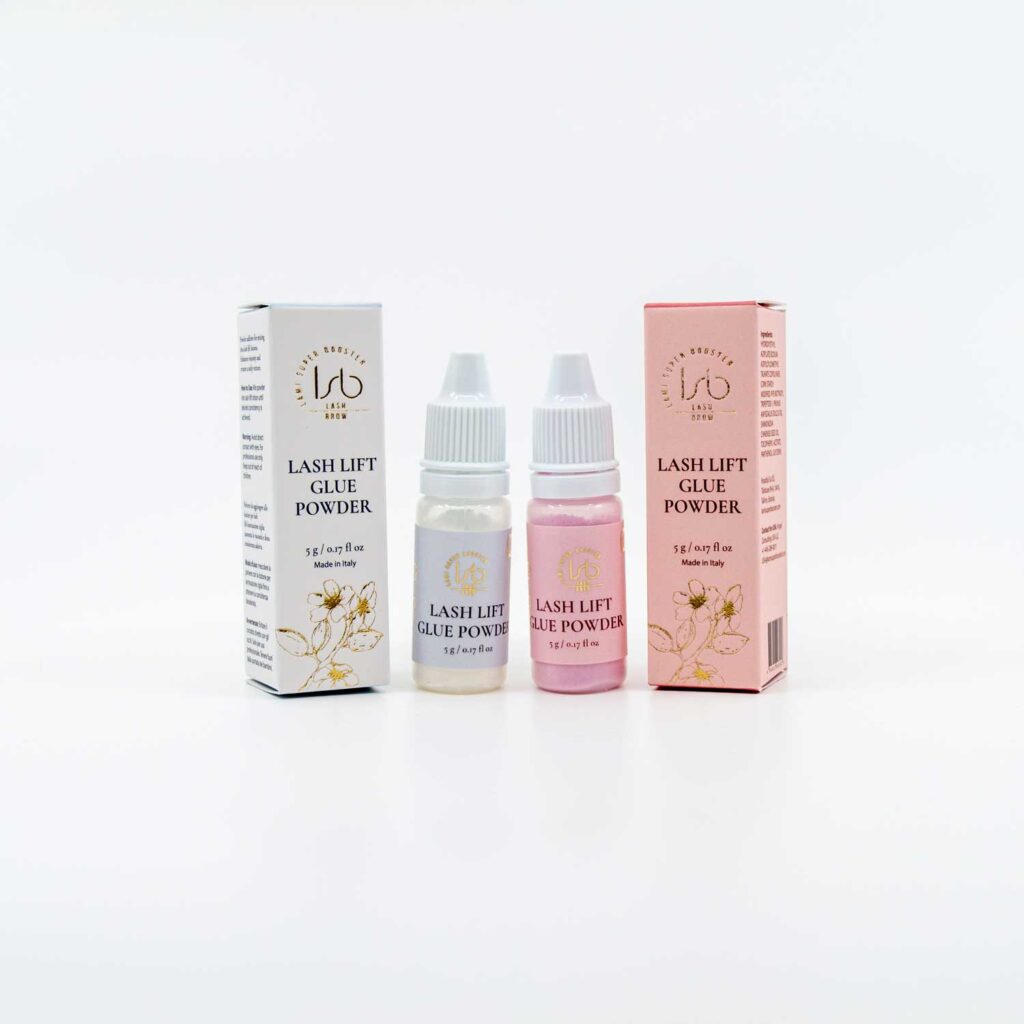
Lash Lift Glue Powder
Client Management and Technical Records
When an over-curl occurs, transparency is the best policy. Explain the technical reasons for the result to the client and provide a clear corrective plan. Document every detail of the service, including the shield size, lot numbers of the lash chemicals used, and exact processing times. This data is invaluable for troubleshooting future treatments and protecting your professional liability.
To prevent future issues, always provide clear aftercare instructions. Advise clients to avoid steam, heat, and oil-based cleansers for the first 24–48 hours to allow for proper neutralizing pH and bond stabilization. Mastering the balance between chemical processing and mechanical tension is what separates a beginner from a master technician. By focusing on precise shield selection and strict adherence to timing, you can ensure every lash lift results in a healthy, beautiful curve.
Ready to upgrade your station with professional-grade tools? Explore our full range of lash lift shields and accessories to ensure precision in every treatment.