



Performing a lash lift on a pregnant client requires a heightened level of professional due diligence. While many clients seek low-maintenance beauty treatments during pregnancy, the physiological changes occurring in the body – specifically hormonal shifts and increased skin sensitivity – directly impact how lash chemicals interact with the hair and skin. As a technician, your role is to balance aesthetic results with strict safety protocols and informed consent.
Hormonal Influence on Treatment Outcomes
During pregnancy, elevated levels of estrogen and folate can significantly alter the natural eyelash growth cycle. Some clients may experience thicker, faster-growing lashes, while others might deal with increased shedding or changes in hair texture. These fluctuations act like an invisible variable in your treatment room; for example, a client with historically “easy-to-lift” lashes may suddenly present with hair that is more resistant to lifting lotions or, conversely, hair that is more porous and prone to over-processing.
Furthermore, pregnancy often leads to heightened skin and ocular sensitivity. A client who has previously shown no reaction to lifting chemicals may suddenly develop lash treatment risks such as contact dermatitis or allergic conjunctivitis. This increased reactivity makes the assessment of lash lift contraindications even more critical during the consultation phase, as the body’s immune response is often in a state of flux.
Chemical Safety and Ingredient Choice
The primary concern regarding lash lift chemicals during pregnancy is the lack of specific clinical data regarding fetal development. Also, many medications are forbidden during pregnancy, therefore, if the client develop an allergic reaction, it’s more difficult to treat.
Most professional lifting lotions utilize either Ammonium Thioglycolate or Cysteamine HCL to break the disulfide bonds in the hair. Ammonium Thioglycolate is highly effective for stubborn lashes but carries a stronger odor and a more aggressive chemical profile.
For pregnant clients, many professionals prefer using a cysteamine-based lifting lotion. Cysteamine is a gentler alternative, however, it typically carries a higher risk of causing irritation and contact dermatitis. Regardless of the active ingredient chosen, ensuring the salon is well-ventilated is essential to minimize the inhalation of fumes, which can be particularly bothersome to clients experiencing pregnancy-related nausea or scent sensitivity.
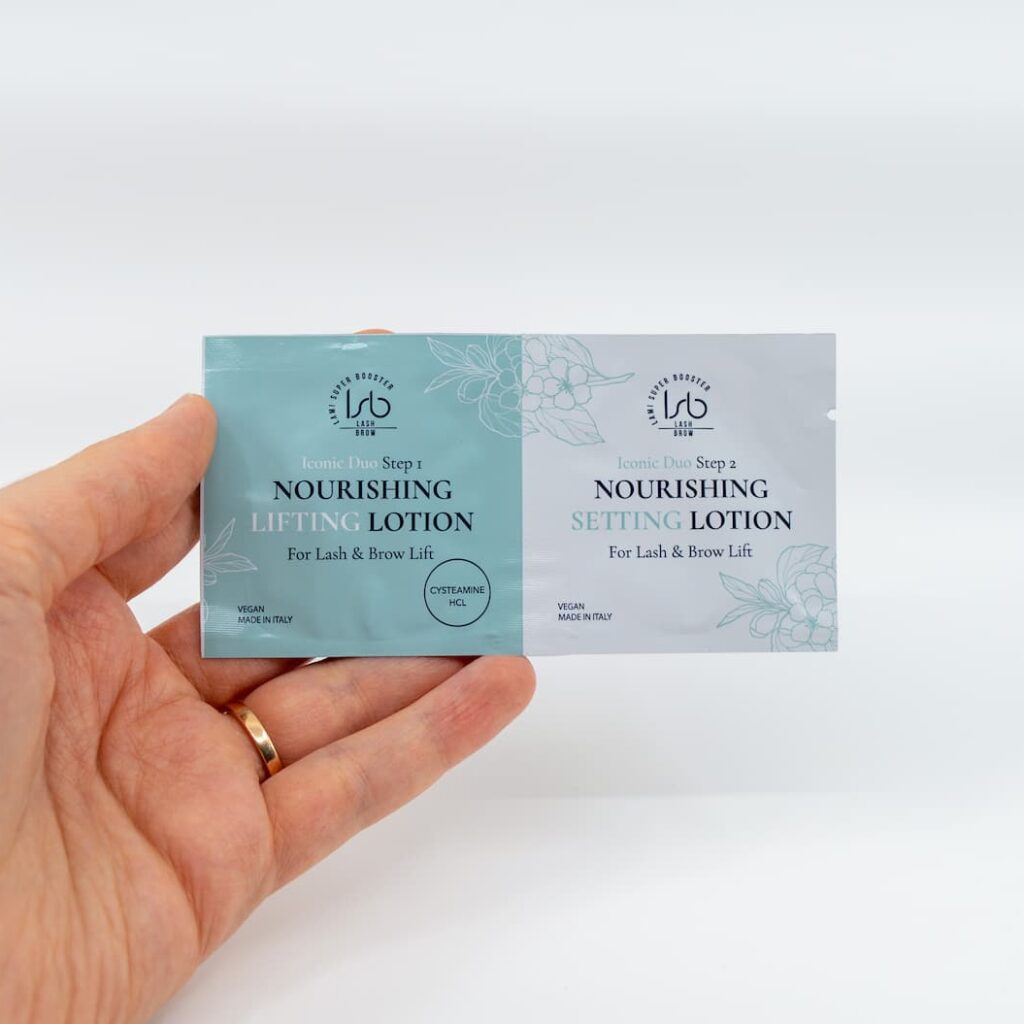
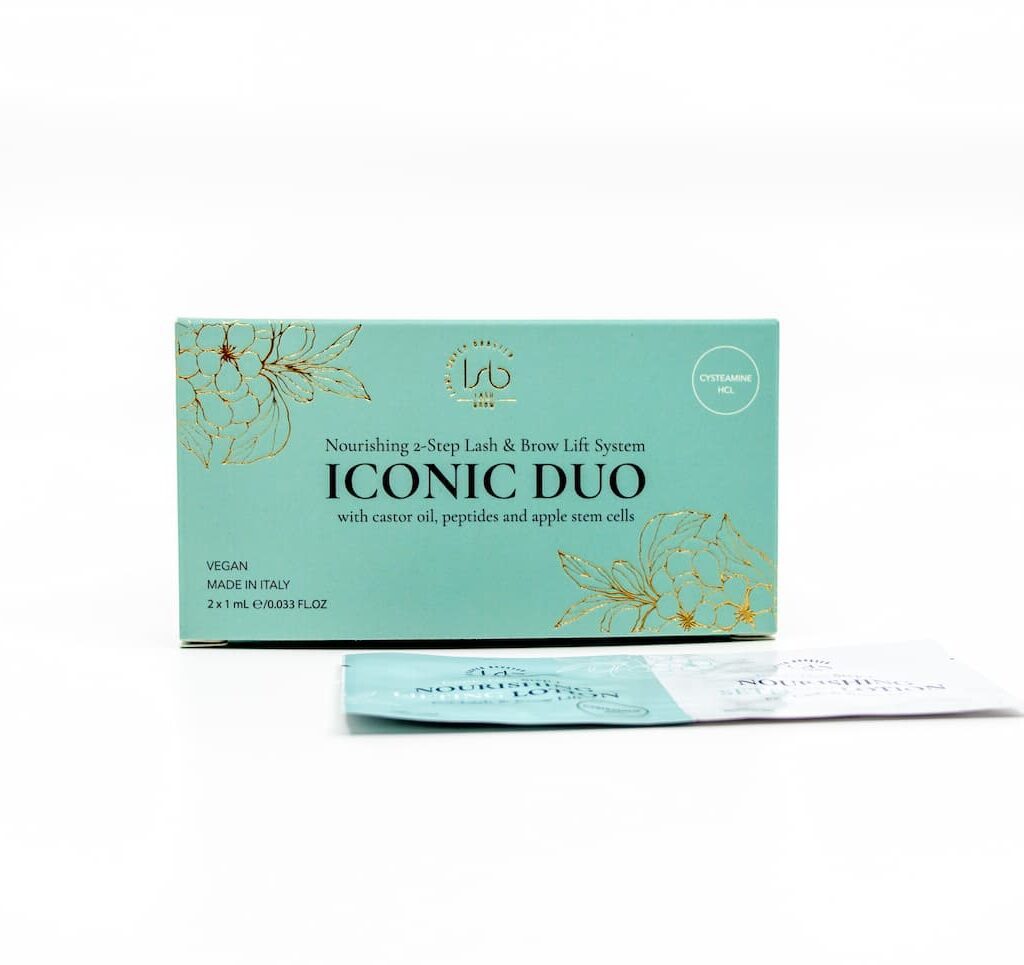
When selecting products, prioritize formulations that include integrated nourishing agents like keratin, castor oil, and amino acids. These components act as a safety net, helping to maintain the structural integrity of the lash during the chemical transition. Using lotions that seal the cuticle effectively can prevent the lashes from becoming brittle during subsequent hormonal shifts.

Professional Technical Protocols
To manage the physiological risks associated with pregnancy, technicians should implement specific technical modifications to their standard workflow. These adjustments prioritize both the safety of the ocular area and the physical comfort of the client as their pregnancy progresses.
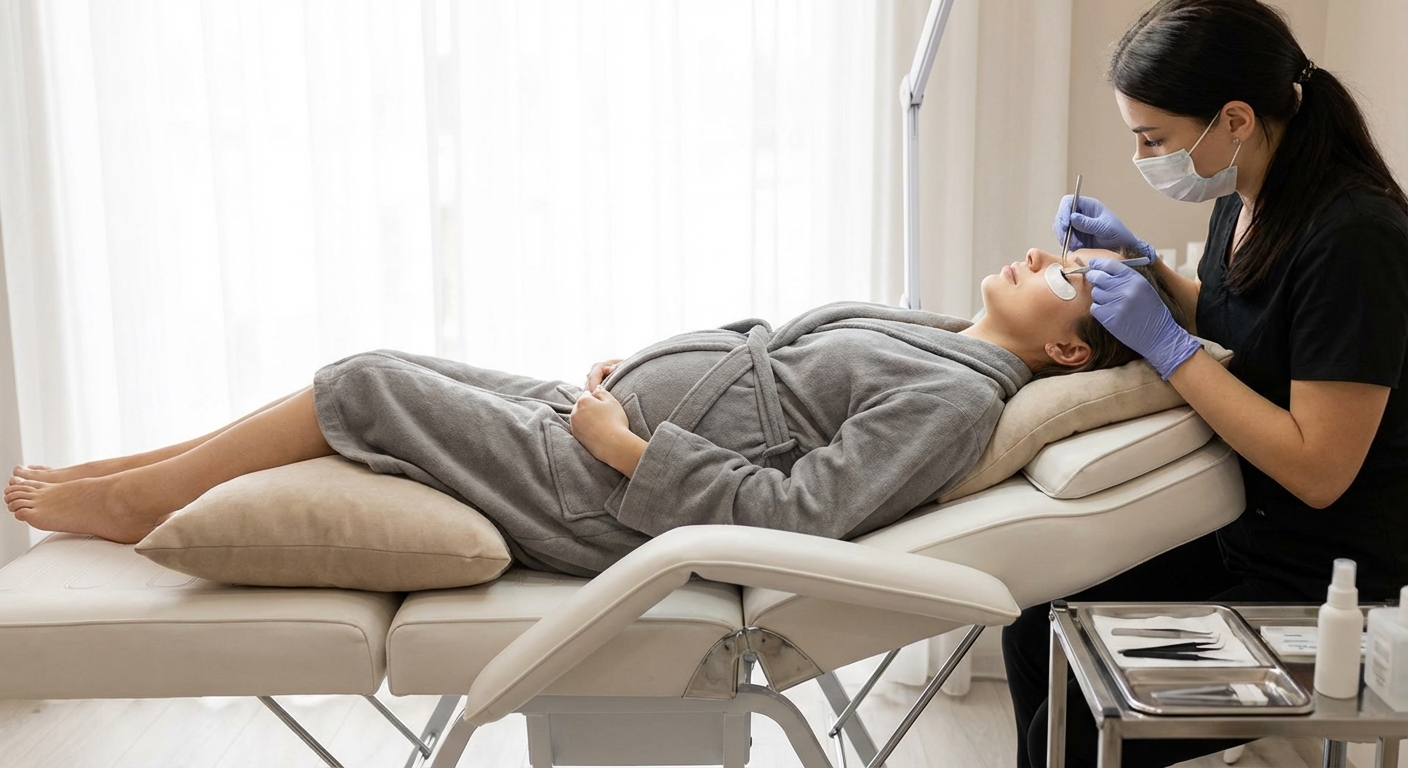
- Mandatory Patch Testing: Even for regular clients, perform a comprehensive patch test at least 48 hours prior to the treatment. This should involve all products intended for use, including the adhesive, lifting lotions, and tints.
- Trimester Considerations: Many experts recommend avoiding chemical treatments entirely during the first trimester. If proceeding in later trimesters, ensure the client has obtained approval from their healthcare provider.
- Precision Application: Apply lifting lotions with extreme precision, maintaining a strict 1mm gap from the lash line. Avoiding direct skin contact reduces the risk of dermal absorption and localized irritation.
- Positioning and Comfort: According to professional pregnancy lash treatments protocols, a client should not lie flat on their back after 20 weeks of gestation. Use a semi-reclined position at a 30–45 degree angle using adjustable treatment beds or pregnancy pillows to avoid supine hypotensive syndrome.
Managing the Tinting Process
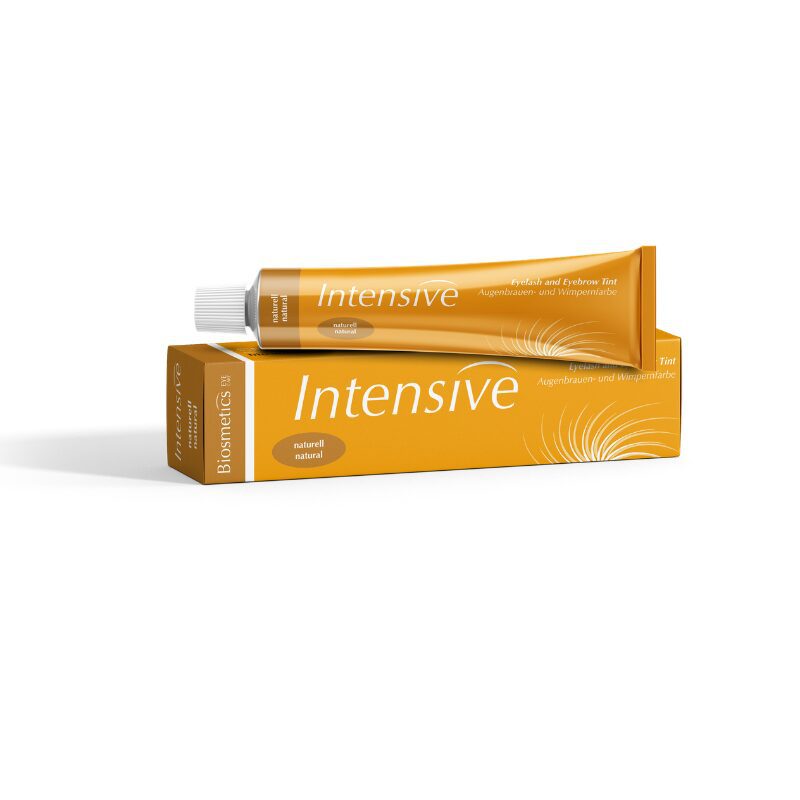
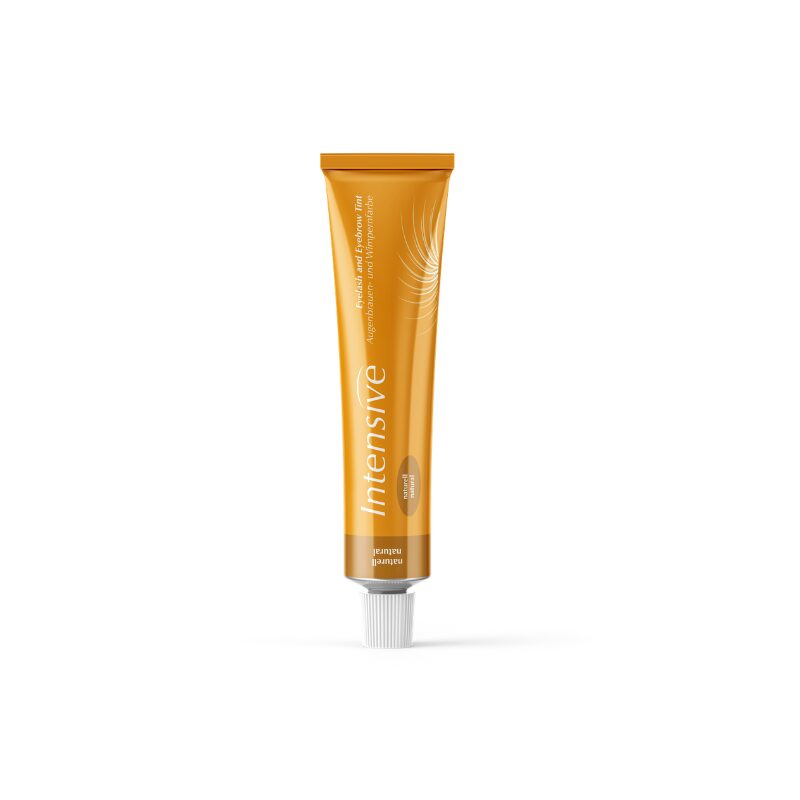
If a client requests an eyelash tint as part of the service, technical adjustments are necessary to account for increased skin porosity. Use a high-quality cream oxidant formulated for sensitive skin with a low developer concentration, typically 2%.
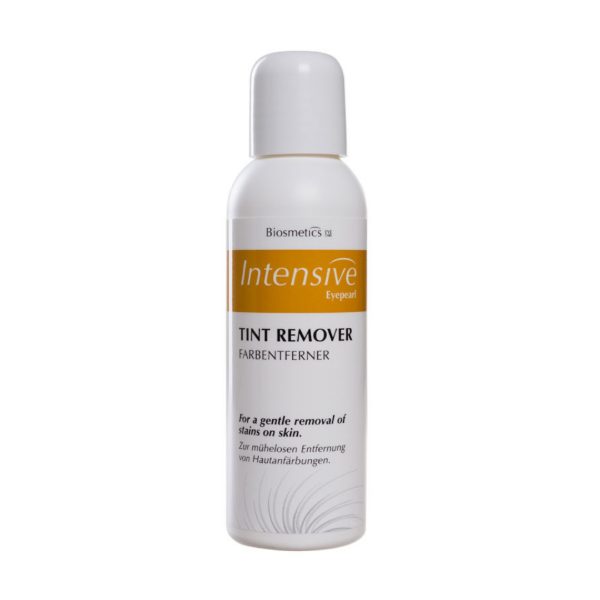
Because the skin is often more reactive during pregnancy, processing times for the tint may need to be shortened by 1–2 minutes to prevent over-staining or chemical burns. Constantly monitor the client for any signs of stinging or redness, and be prepared to remove the product immediately if discomfort occurs.

Insurance and Documentation
Before performing any treatment on a pregnant client, verify that your professional indemnity insurance covers these services, as many policies contain specific pregnancy clauses. It is standard professional practice to have the client sign a specific informed consent waiver that outlines the potential for heightened sensitivity and the lack of clinical studies regarding chemical exposure.
Detailed record-keeping is your best defense and troubleshooting tool. Document the specific products used, batch numbers, and the size of the lash lift shields used for every session. This allows you to track changes in hair response across different trimesters and adjust your timing or formula selection accordingly for future visits.
Post-Treatment Aftercare and Support
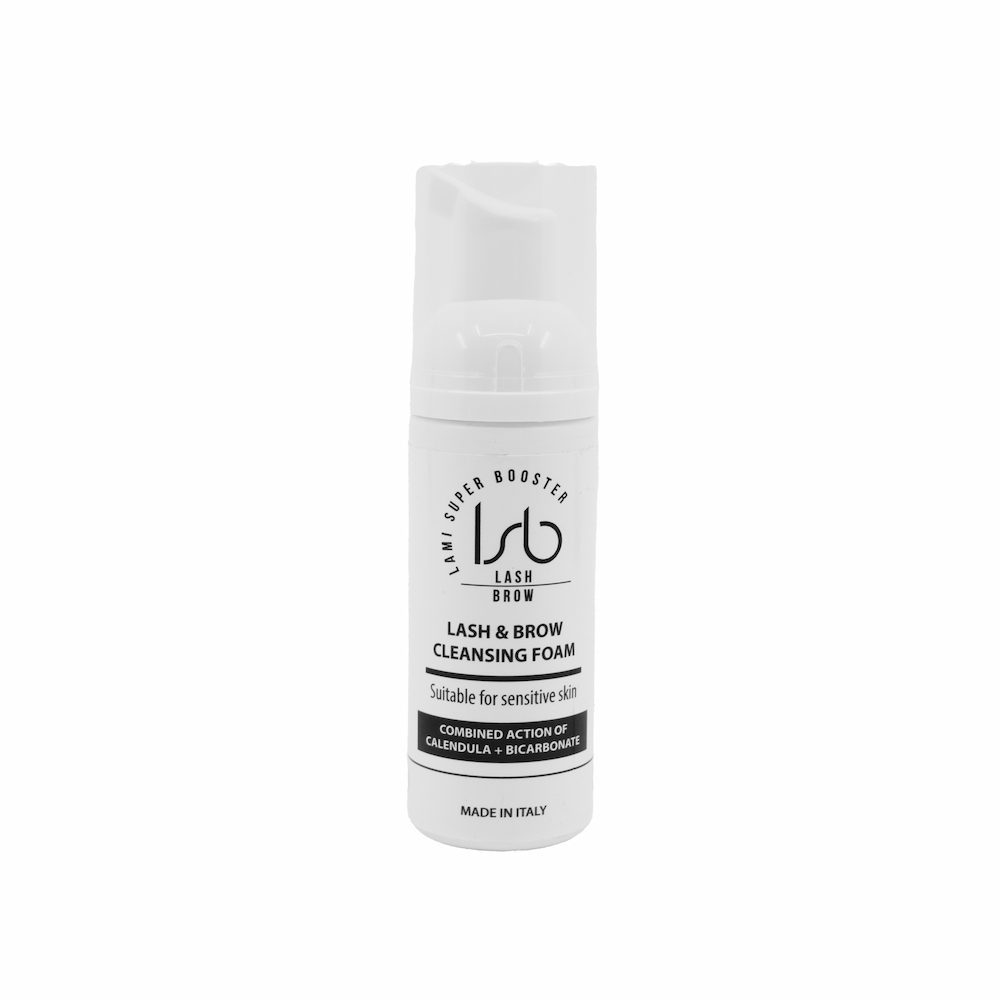
Educating the client on lash lift aftercare is essential to prevent infections and maintain lash health. Pregnant clients should avoid harsh, oil-based makeup removers that can irritate sensitive eyes. Instead, recommend a pH-balanced cleansing foam infused with soothing ingredients like calendula to keep the eye area clean.
Recommending a daily nourishing serum can also help manage hormonal-related lash brittleness and support the hair during the shedding phase of the growth cycle. This proactive approach ensures the lashes remain healthy enough for future treatments once the client has moved into the postpartum period.
Providing a safe lash lift for a pregnant client relies on transparent communication, the use of gentle proven formulas, and meticulous technical execution. By prioritizing the client’s comfort and physiological safety, you maintain professional standards while delivering the results they desire.
Equip your salon with the industry’s most trusted products by exploring our full range of professional lash lift systems and accessories.