For beauty professionals, lash health is the absolute foundation of any successful chemical treatment. Whether executing a lash lift, tinting, or lamination, the moisture balance within the hair shaft determines the flexibility, longevity, and structural integrity of the finished look. Understanding how to moisturize eyelashes and maintain deep hydration throughout professional treatments ensures that lashes remain soft, pliable, and resilient against environmental stress.
Dry, brittle lashes are highly prone to breakage and cuticle damage. By integrating systematic moisturizing protocols into your salon workflow, you can deliver superior results that keep your clients’ lashes healthy and structurally sound.
The Science of Eyelash Hydration
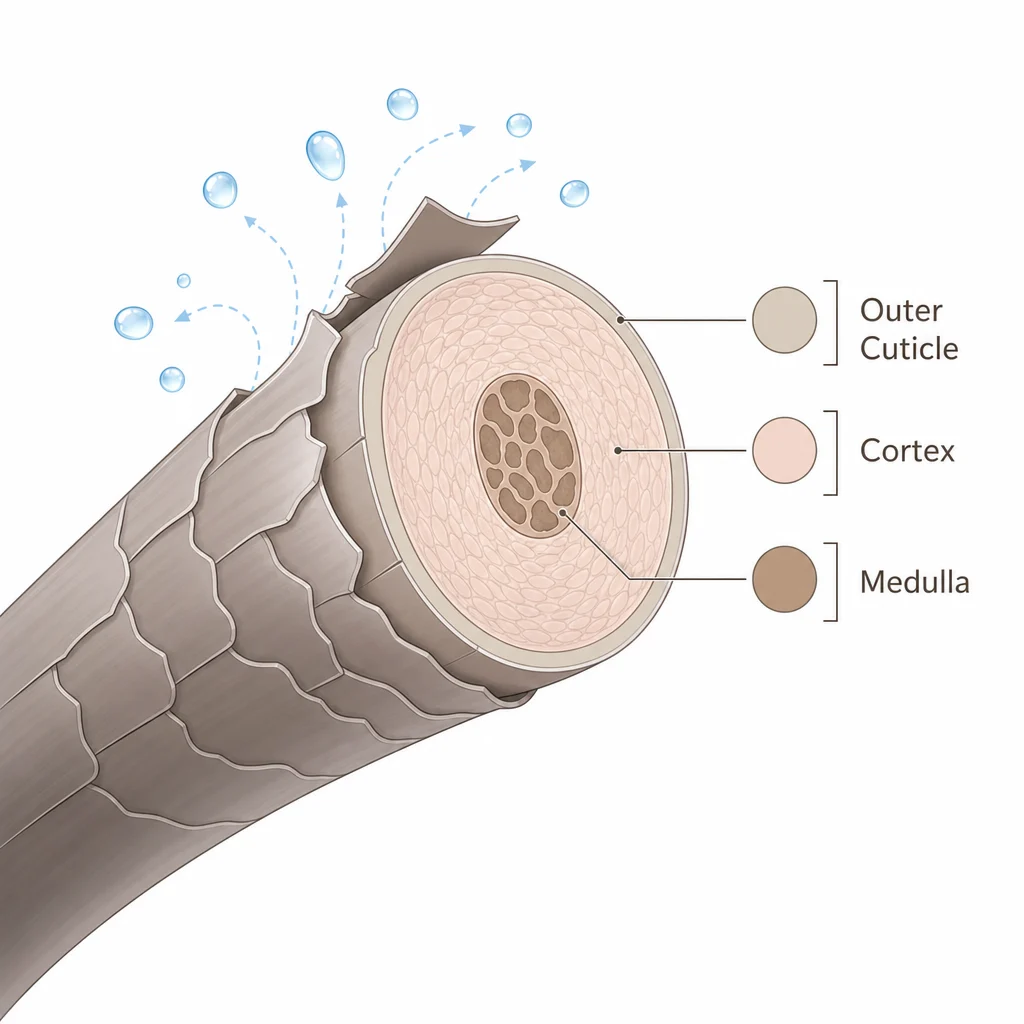
Maintaining moisture in the lashes requires a solid understanding of hair anatomy. The lash shaft is composed of three distinct layers: the inner medulla, the structural cortex, and the outer protective cuticle. When you perform chemical services, the alkaline solutions temporarily lift the cuticle to modify the disulfide bonds in the cortex. This process naturally allows moisture to escape, leaving the lashes vulnerable to dehydration.
To protect these delicate structures, technicians must focus on understanding lash cuticle scales and how they control the entry and exit of moisture. Closed, healthy cuticle scales lock in water and lipids, reflecting light to create a natural, glossy appearance. When performing services, moisturizing agents are essential to smooth these scales back down.
Furthermore, a deep understanding of lash biology must take into account how hydration affects the follicle. By understanding the eyelash follicle structure, professionals can better appreciate how topical treatments support the growing root. Eyelash hydration needs also change depending on the different stages of hair growth. For example, lashes in the active anagen phase require targeted nourishment to develop structural strength, while resting telogen lashes need protective surface hydration to prevent premature fallout. Understanding how the eyelash growth rate and cycles affect shedding will also help you determine the optimal frequency of deeply nourishing treatments for each individual client.
Pre-Treatment Preparation and Cleansing
Moisturization protocols begin before any chemical solutions are applied. Preparing the lashes with gentle, professional products ensures a clean, receptive canvas without stripping the hair’s natural moisture barrier. Heavy sebum, oils, and makeup residue act as a block, preventing both active lifting lotions and hydrating ingredients from penetrating the hair shaft evenly.
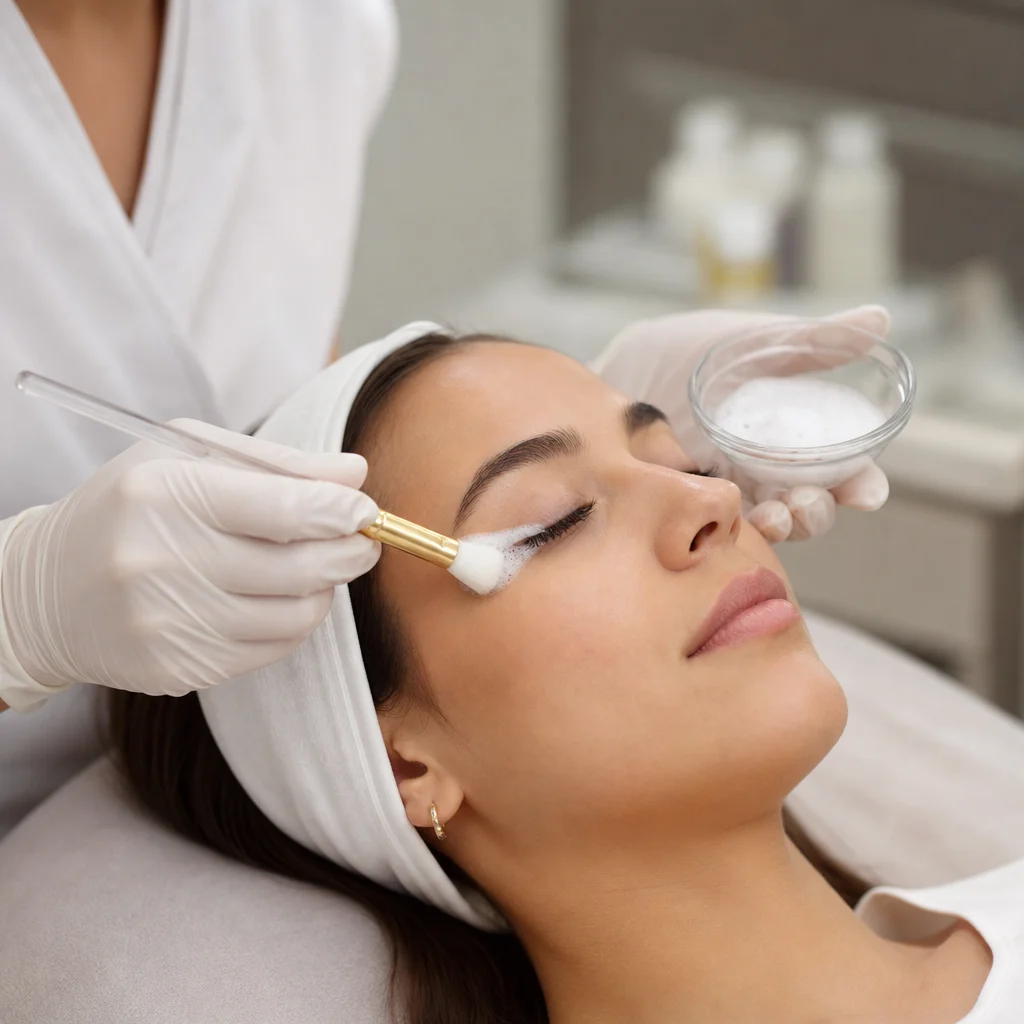
To prepare the lashes safely, follow this professional workflow:
- Analyze the natural moisture levels of the client’s lashes under high magnification, looking for dry, rough cuticle textures or split tips.
- Remove all traces of eye makeup using a professional, water-based formula that is entirely paraben-free, silicone-free, and hormone-free.
- Cleanse the lashes and eye area thoroughly with a non-irritating foam, applying the product with a soft brush in gentle, circular motions to remove sebum and dust.
- Rinse the area with lukewarm water and pat dry with a clean, lint-free towel, avoiding aggressive rubbing that can mechanically damage the cuticle.
Using gentle cleansing techniques prevents moisture loss prior to chemical treatments and ensures that subsequent moisturizing steps can be absorbed fully.
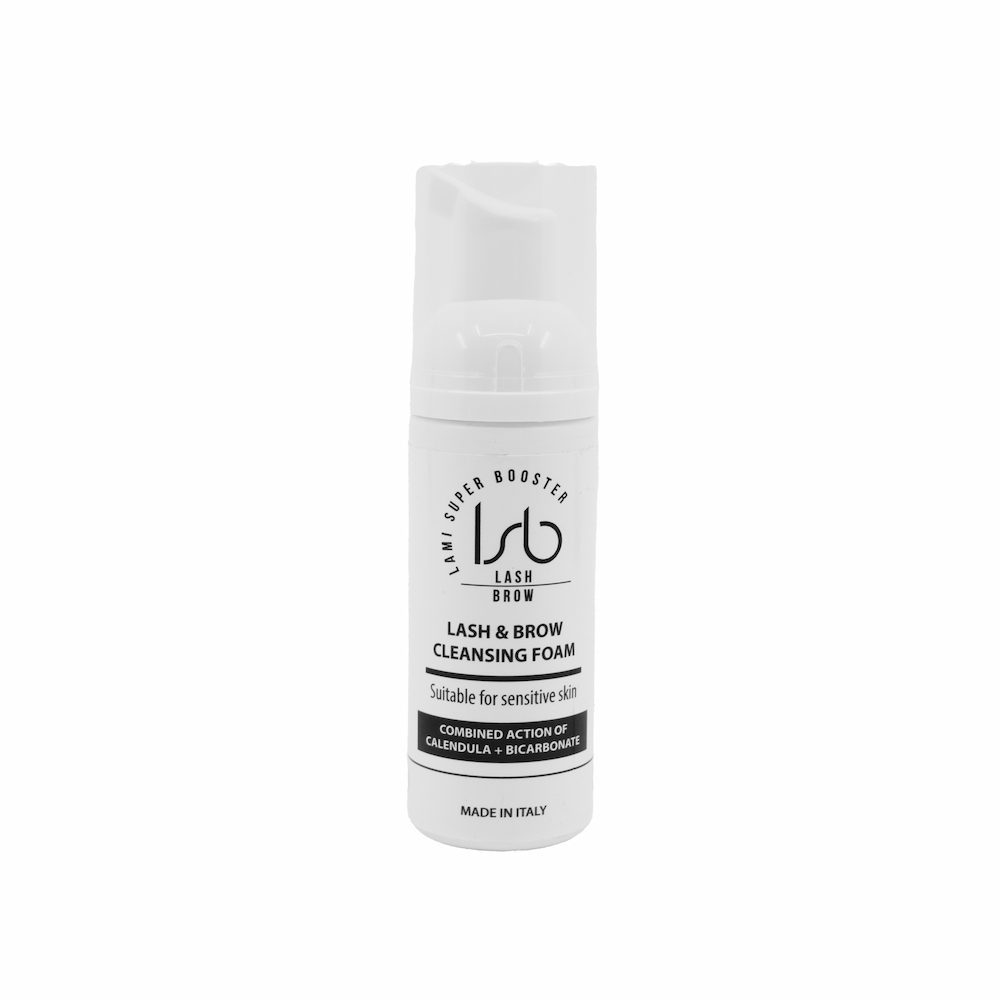
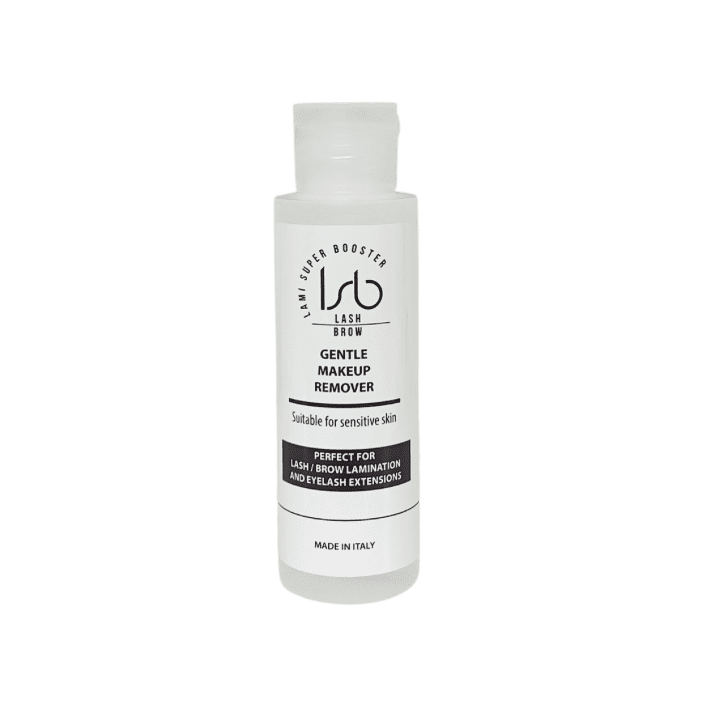
Moisture Retention During Chemical Services
When performing chemical treatments, safeguarding the lash’s moisture balance is crucial. Standard lifting and perming solutions break down structural disulfide bonds, which can compromise the cortex if processing times are not strictly managed.
To maximize hydration and protect lash health during treatments, implement these professional practices:
- Evaluate the health of the cuticle before starting. If you are identifying and treating lash cuticle damage from previous treatments or mechanical curlers, adjust your chemical processing times downward by 20% to prevent over-processing.
- Align product application with the direction of the cuticle scales to ensure even chemical processing and avoid unnecessary structural swelling.
- Integrate high-quality adhesives designed to preserve the hair’s moisture barrier. For example, selecting a Lash Lift Glue Powder formulated with built-in vitamins, proteins, and plant-based lipids can shield the lash shaft from chemical dehydration during the lifting phase.
- Carefully measure your product applications, applying a precise 1mm layer of barrier cream or moisturizing balm over vulnerable lash tips to prevent them from drying out during processing.
By choosing protective, nutrient-rich formulations, you ensure your clients experience the full benefits of a keratin eyelash lift without suffering structural moisture depletion.
Post-Treatment Restorative Protocols
The immediate post-treatment window is the most critical phase for moisture restoration. Once chemical solutions have been neutralized, the lash cuticles must be sealed and infused with deep-penetrating moisture. This step is essential to rebuild elasticity, prevent brittleness, and maximize the durability of the treatment.
Professional restoration formulas should utilize a highly targeted blend of active ingredients to repair the cortex and seal the outer cuticle layer:
- Hydrolyzed Keratin and Silk: These low-molecular-weight proteins easily penetrate the cortex, replacing lost protein structures and restoring natural hair volume and elasticity.
- Sodium Hyaluronate: This powerful humectant binds water to the hair shaft, providing deep, long-lasting moisture retention.
- Panthenol (Pro-Vitamin B5): Highly effective for softening and conditioning, panthenol improves lash flexibility, making them less prone to snapping.
- Lightweight Plant Oils: Ingredients such as argan oil, jojoba oil, and castor seed oil smooth the cuticle scales, creating a protective barrier that seals in moisture and adds a radiant, healthy shine.
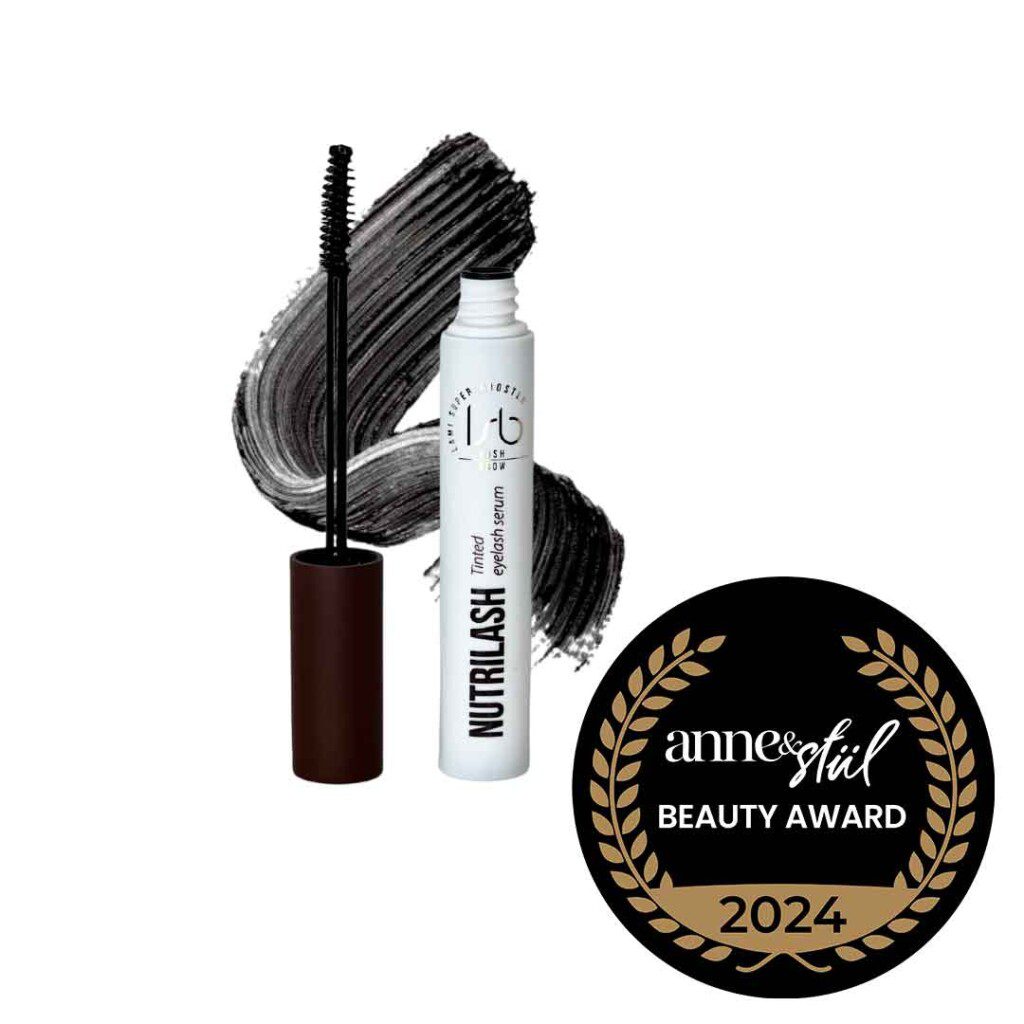
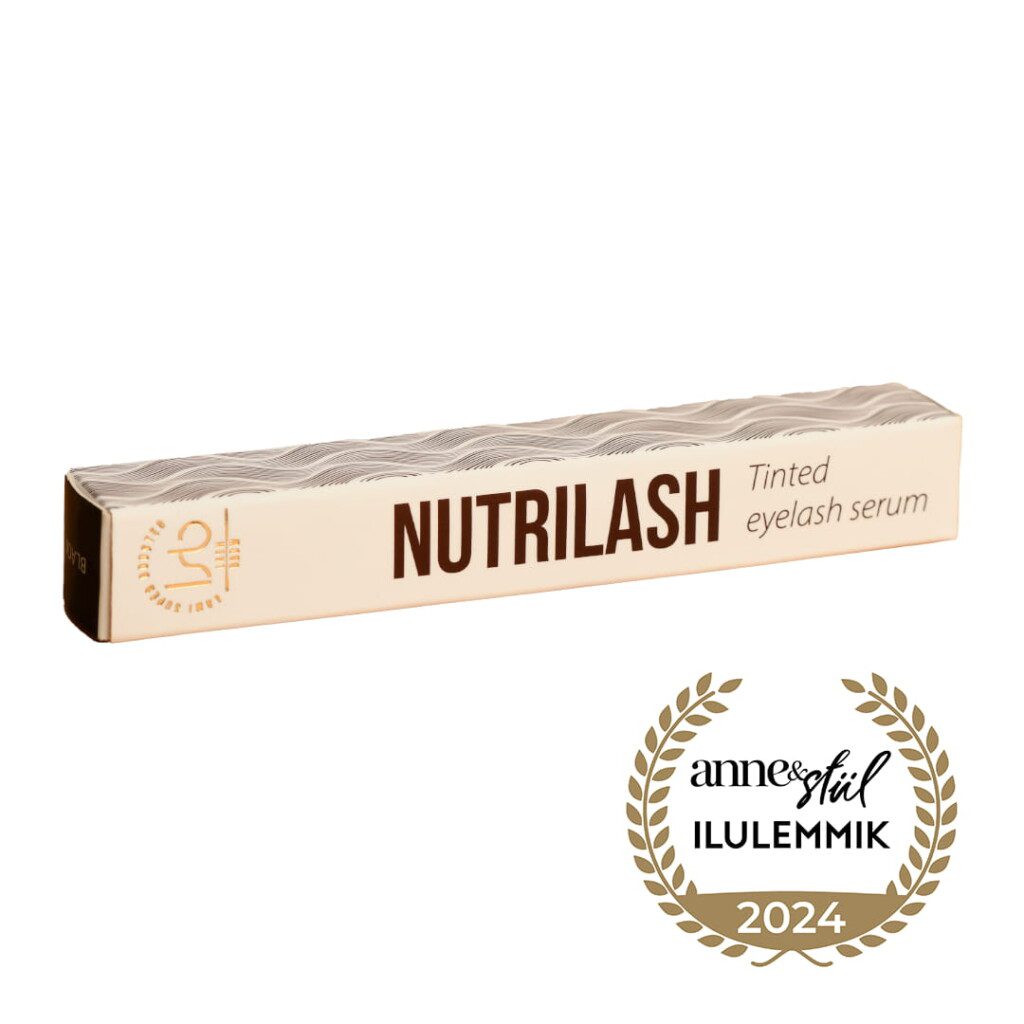
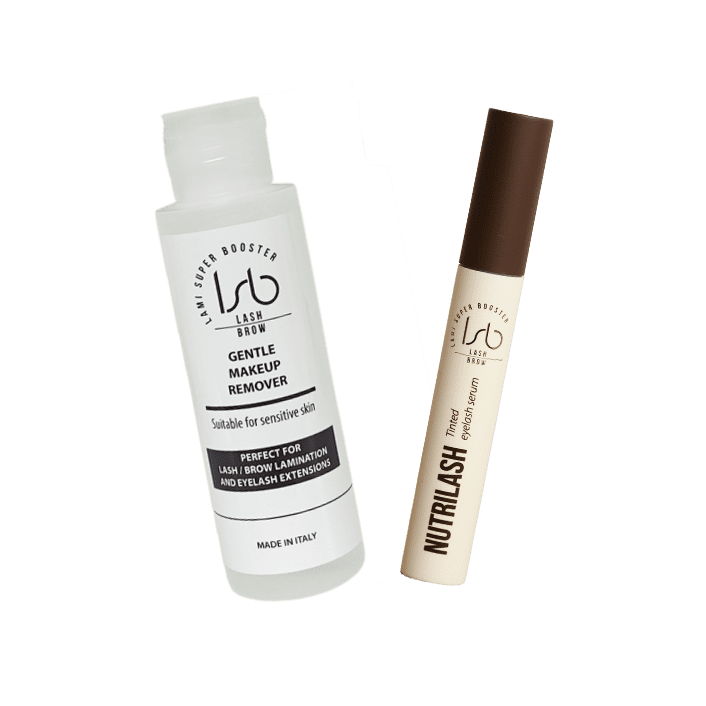
Nutrilash Eyelash Serum, 6pc
Troubleshooting Hydration Issues
Even with careful service delivery, technicians occasionally encounter clients presenting with severe dehydration, uneven processing, or poor treatment retention. Addressing these issues requires a systematic troubleshooting approach.
When a client presents with extremely dry or brittle lashes, or if you are troubleshooting underprocessed lash lifts where the hair structure is too compromised to hold a curl, check for external and physiological factors:
- Nutritional and Hormonal Influences: Broad systemic health factors play a major role in lash quality. For instance, the impact of Vitamin D on lash health is significant; chronic deficiencies can lead to dry, fragile lashes and increased shedding, which may require you to adjust processing times or recommend gentler, vitamin-infused formulas.
- Improper Makeup Removal: Educate clients on the drying effects of harsh waterproof mascaras and alcohol-based makeup removers, which strip natural lipids from the lash shaft.
- Incompatible Aftercare Products: Many clients instinctively use heavy, single-ingredient oils to condition dry lashes. However, you should educate them on professional alternatives to castor oil. While pure castor oil can be heavy and sometimes cause follicle clogging or eye irritation, lighter plant oils (like jojoba, argan, or sweet almond oil) and multi-ingredient peptide serums offer superior, non-comedogenic hydration.
Recommend that clients seeking lightweight, daily moisture look for specialized professional lash serums that contain high concentrations of hyaluronic acid and hydrolyzed proteins rather than heavy, occlusive oils.
Client Home Care and Long-Term Maintenance
Your professional in-salon treatments represent only half of the lash health equation; the other half is determined by the client’s daily routine at home. Providing comprehensive, easy-to-follow guidelines ensures that their lashes remain hydrated and the curl lasts as long as possible.
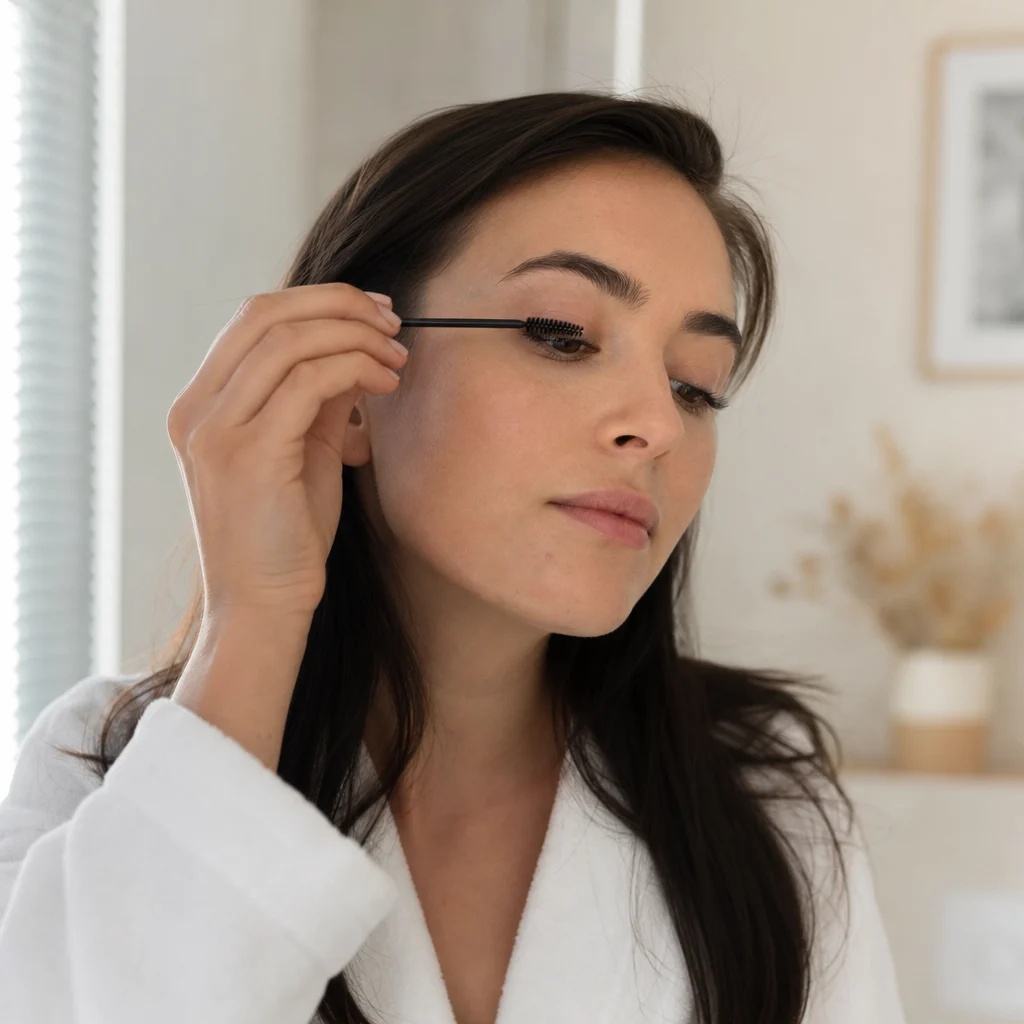
Instruct your clients on these essential daily home care protocols:
- Observe the 24-48 Hour Window: Avoid water, steam, high heat, and heavy sweating for the first 24 to 48 hours post-treatment. During this period, the lash lift bonds are still setting, and exposure to moisture can disrupt the curl pattern.
- Skip Makeup Temporarily: Instruct clients to avoid mascara and other eye cosmetics for the first 24 hours to let the lashes settle.
- Cleanse Gently: Show clients how to clean their lashes using an oil-free, lash-safe foam cleanser, avoiding harsh scrubbing or dragging motions that can snap delicate hairs.
- Nourish Daily: Advise the daily application of a professional lash serum containing hydrolyzed keratin and hyaluronate to maintain flexibility and softness.
- Avoid Mechanical Stress: Instruct clients to brush their lashes daily with a clean spoolie brush and completely avoid mechanical eyelash curlers, which can cause severe cuticle fractures on chemically treated hair.
Providing clients with a structured regimen, along with professional-grade lash lift aftercare products, will drastically improve treatment retention. To keep their lashes looking their best, recommend scheduling maintenance appointments every 4 to 6 weeks for a professional evaluation and deep-conditioning treatment.
Mastering Salon Eyelash Health
Integrating advanced moisturizing techniques into your salon services is key to delivering high-performance, damage-free lash transformations. By paying close attention to cuticle health, selecting advanced, nutrient-dense formulas, and educating your clients on proper home care, you can ensure their lashes remain strong, shiny, and beautifully curled.
Take your lash services to the next level by ensuring your workspace is stocked with professional-grade, scientifically back solutions. Introduce your clients to comprehensive lash lift aftercare guidelines and provide them with premium, salon-tested home care kits to maintain exceptional lash hydration and structural integrity between appointments.