


Clients frequently ask beauty technicians about using raw castor oil to encourage lash and brow growth. While castor oil remains a popular DIY suggestion, beauty professionals need evidence-based alternatives that deliver reliable conditioning, protect chemical service results, and maintain eyelid health. Understanding the cosmetic chemistry behind hair conditioning allows technicians to recommend superior in-salon protocols and home care regimens that truly support follicle and shaft integrity.
The Reality of Castor Oil vs. Science-Backed Conditioning
Castor oil is widely perceived by clients as a natural growth elixir, primarily due to its thick viscosity and high gloss finish. However, its heavy ricinoleic acid content merely creates an occlusive surface coat that adds temporary shine and reduces friction breakage.
Applying heavy, unrefined castor oil directly near the eye line presents several operational drawbacks for technicians and clients:
- Occlusion of eyelid oil glands, which can clog meibomian glands and trigger localized irritation or eyelid inflammation.
- Migration into the eye, causing blurred vision, tearing, and potential chemical irritation during wear.
- Premature breakdown of chemical lamination and lash lift bonds when applied during early setting windows.
- Inconsistent viscosity that weighs down delicate lash fibers rather than penetrating the hair shaft.
Technicians must educate clients on the distinction between heavy surface coatings and true fiber restoration. Redirecting clients toward formulated botanicals and active peptide serums ensures safer application and superior structural retention.
Botanical Oil Alternatives for Lash and Brow Care
When client preferences or specific dry-hair conditions call for lipid-based conditioning, several plant-derived oils offer significantly better fiber affinity and lightweight absorption than castor oil.
Coconut Oil
Coconut oil stands out as one of the few botanical oils capable of deeply penetrating the hair cuticle and cortex. Its triglyceride structure is rich in lauric acid, a low-molecular-weight, linear fatty acid with a strong affinity for hair proteins. When applied to delicate lash and brow hairs, coconut oil binds to internal keratin structures, significantly reducing protein loss caused by washing, grooming, and chemical processing.
Jojoba Oil
Jojoba oil is chemically a liquid wax ester that closely mirrors human sebum. Because of its structural similarity to natural skin lipids, jojoba oil absorbs quickly without leaving a heavy, sticky film. Fiber testing shows that jojoba oil increases the tensile stress resistance and weight of chemically treated and bleached hair fibers, making it an excellent choice for strengthening fragile brows post-lightening.
Argan Oil
High in oleic acid, linoleic acid, and vitamin E, argan oil balances partial shaft penetration with a light protective coating. Clinical testing demonstrates that topical argan oil significantly decreases transepidermal water loss and improves skin hydration. For brow area care, it restores soft texture and flexibility without clogging pores or disrupting brow tint retention.
High-Performance Water-Based Serums and Actives
While botanical oils offer light surface conditioning, advanced active serums provide targeted fiber repair that raw oils cannot achieve. Professional formulations utilize water-soluble humectants, proteins, and structural polymers designed specifically for delicate periocular skin and fine hair fibers. Recommending specialized professional lash and brow serums ensures that clients receive precise, balanced hydration without oily residue.

Key active ingredients in advanced serum formulations include:
- Hydrolyzed Keratin: Replenishes natural keratin proteins broken down during alkaline chemical processing, reinforcing structural elasticity and hair thickness.
- Sodium Hyaluronate: A low-molecular humectant that draws deep moisture into the hair fiber and periocular skin, smoothing rough cuticles.
- Soluble Collagen: Forms a lightweight, flexible protective matrix over the lash sheath to prevent environmental moisture loss and maintain elasticity.
- Hydrolyzed Silk: Adds exceptional softness and high reflective shine while protecting hair cuticles from mechanical friction.
Applying water-based active serums daily supports proper lash lift and lamination aftercare by nourishing the hair cortex while keeping cuticles aligned between salon visits.


Integrating Alternatives into Salon Treatment Protocols
To maximize client satisfaction and hair longevity, beauty technicians should integrate professional conditioning agents directly into their service steps and post-procedure protocols.
Step 3 Lamination Restorative Shield
Chemical lifting and perming solutions rely on alkaline agents to swell the hair cuticle and alter disulfide bonds. Once processing and tinting are complete, the hair fiber is highly porous and susceptible to moisture loss.
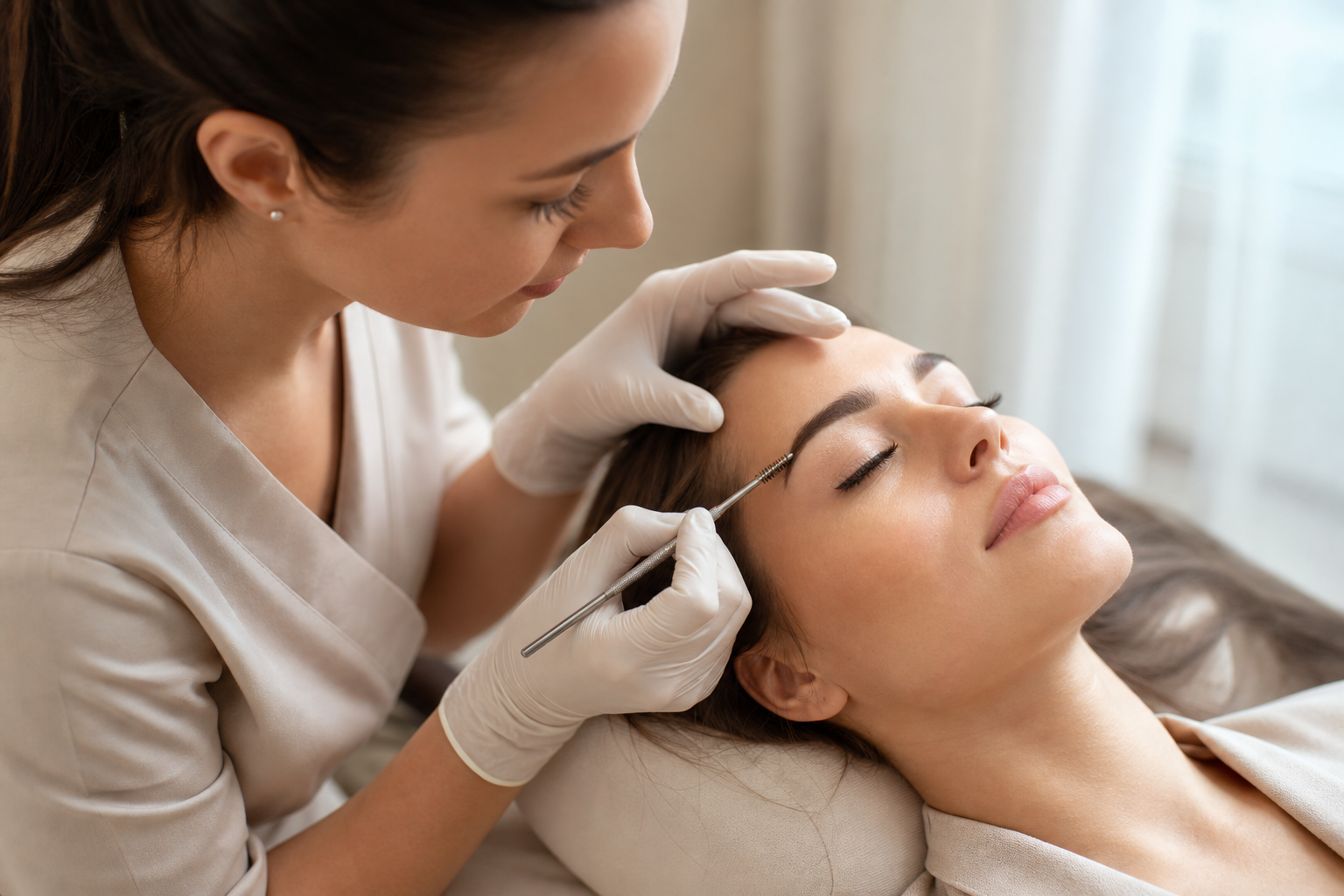
Immediately following lotion removal, apply a 1mm layer of a dedicated keratin and argan lamination cream across the lashes or brows. Allow the cream to process for 5 to 10 minutes. Gently remove the excess product using a dry cotton pad. Do not rinse with water; leaving a microscopic film intact establishes a protective shield that locks in nutrients and keeps cuticles sealed.
Post-Treatment Timeline Management
Client aftercare routines must align with the chemical setting timeline of their specific treatment:
- First 24 Hours: Enforce strict adherence to keeping the eye area dry. Instruct clients following brow lamination aftercare guidelines and lash lift aftercare protocols to avoid all heavy oils, steam, sweating, and direct water contact while the reformed disulfide bonds complete stabilization.
- After 24 Hours: Advise clients to begin daily gentle cleansing using a non-greasy, dedicated eye cleansing foam. Introduce daily application of a prostaglandin-free nourishing serum 1 to 2 times per day.
- Regular Maintenance: Schedule chemical lamination and lifting services every 6 to 8 weeks depending on individual hair growth velocity and fiber porosity.
Client Management and Sensitivity Considerations
Always account for individual hair porosity and health when recommending maintenance routines. For instance, managing eyelash growth and care during pregnancy requires heightened awareness, as elevated hormone levels can accelerate shedding or increase skin sensitivity. In such cases, switching clients from heavy oil-based products to dermatologically tested, prostaglandin-free nourishing serums ensures consistent hydration without triggering inflammatory responses.
Strategic Professional Recommendations
Guiding clients away from unverified DIY methods like castor oil strengthens your authority as a beauty professional and builds long-term client trust. Educate your clients on how heavy oils weigh down fresh lifts and explain how hydrolyzed proteins actually penetrate the hair shaft to maintain strength.
Stocking verified post-treatment aftercare products at your front desk makes compliance effortless for clients. Salons looking to scale their retail revenue can offer multi-pack retail options or explore private-label formulations to establish a cohesive brand experience.
Nutrilash Eyelash Serum, 6pc
Nutrilash Eyelash Serum, 12pc
Replacing castor oil with scientifically formulated serums and penetration-capable botanical oils is essential for preserving chemical service longevity and hair health. Transition your clients to professional-grade aftercare solutions today by upgrading your salon’s post-treatment retail offerings and treatment protocols.
