Managing eyelash loss caused by alopecia requires a specialized professional approach that balances aesthetic restoration with the strict preservation of follicle health. As a beauty technician, your role involves providing a safe, empathetic environment while navigating the technical limitations of compromised or thinning lash lines. Whether a client is experiencing patchy loss from alopecia areata or is navigating the fragile regrowth stage following chemotherapy, a foundational knowledge of eyelash follicle anatomy is essential for selecting the safest and most effective cosmetic solution.
Understanding Alopecia-Related Eyelash Loss
Before recommending any service, a technician must identify the specific pattern of hair loss. This diagnostic understanding dictates which professional treatments are viable and which may pose a risk to the client’s ocular health.
- Alopecia Areata: This condition typically presents as patchy, non-scarring loss. In a clinical setting, you will observe well-demarcated areas of complete loss often surrounded by normal-appearing lashes.
- Frontal Fibrosing Alopecia (FFA): This is a scarring alopecia where the lash line may gradually thin or recede along the lid margin. The skin often appears smooth, pale, and shiny, indicating a loss of follicular openings that makes certain lash-anchoring services impossible.
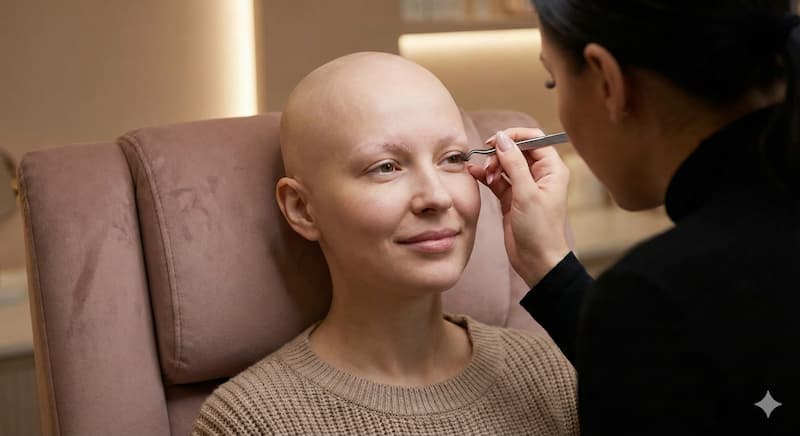
- Chemotherapy-Induced Alopecia: This causes temporary, diffuse loss across the entire lid. During the regrowth phase, the lashes are exceptionally fragile and the follicles are weakened. This state requires extreme caution, and many technicians opt for restorative aftercare rather than chemical services during the early stages of regrowth.
For an in-depth exploration of how these conditions impact specific service eligibility, you can review our professional guide on eyelash solutions for alopecia.
Cosmetic Options and Professional Indications
The feasibility of any lash service depends entirely on the presence and quality of the natural base lashes. Technicians must be prepared to decline services if the natural foundation cannot safely support the weight or chemical processing of the treatment.
Lash Extensions for Partial Loss
Lash extensions are appropriate only for clients with sufficient residual lashes to serve as anchors. If a client presents with complete lash loss, extensions are strictly contraindicated, as applying adhesive directly to the skin or a weakened follicle can cause permanent damage. When applying individual extensions to sparse lashes, never exceed 2mm beyond the lash length to prevent traction stress. For safety, use a precise adhesive bead of 0.5–1mm and maintain a strict 1–2mm distance from the eyelid skin to prevent contact irritation.
Lash Lifts and Tints
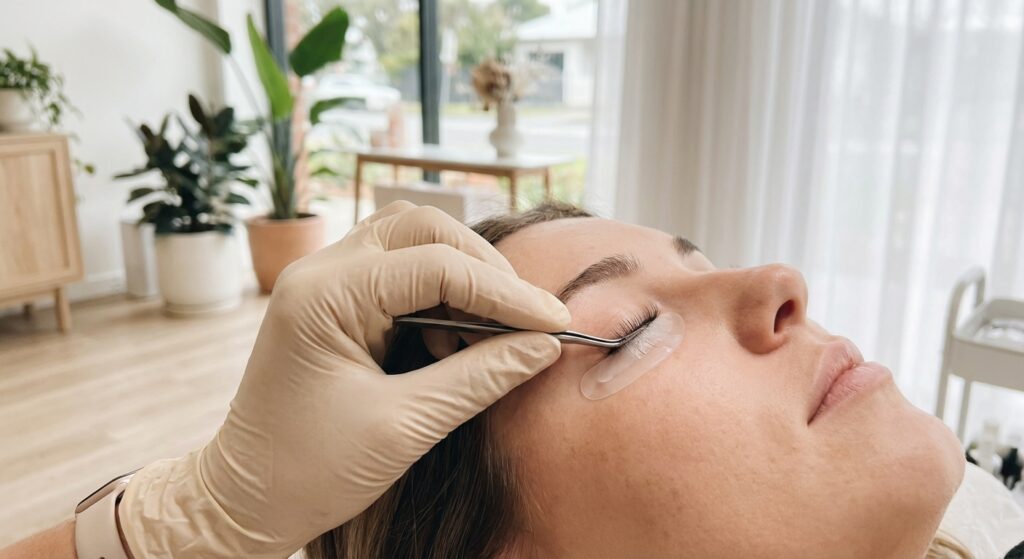
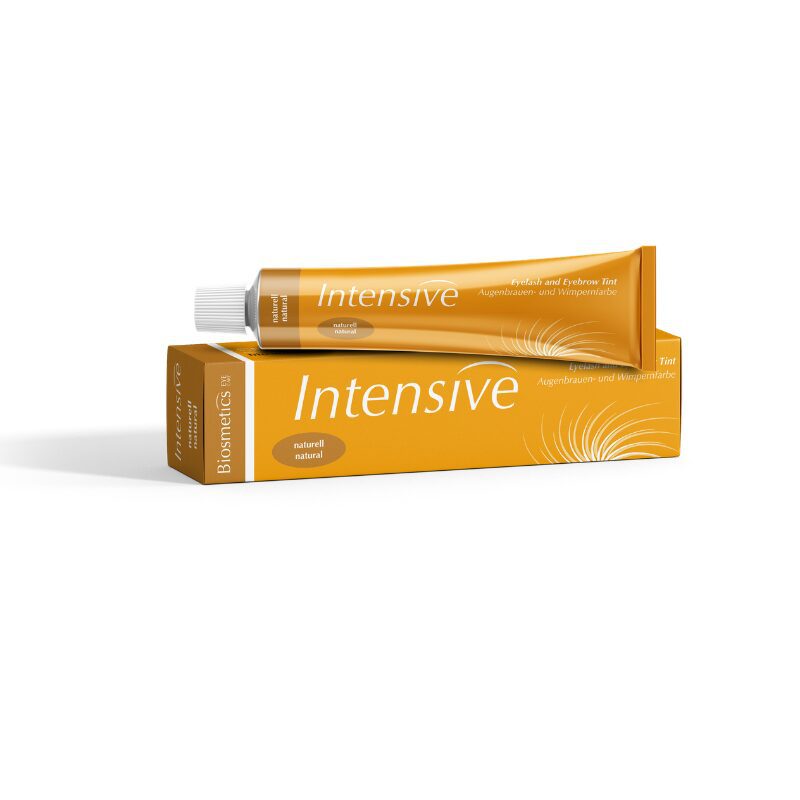
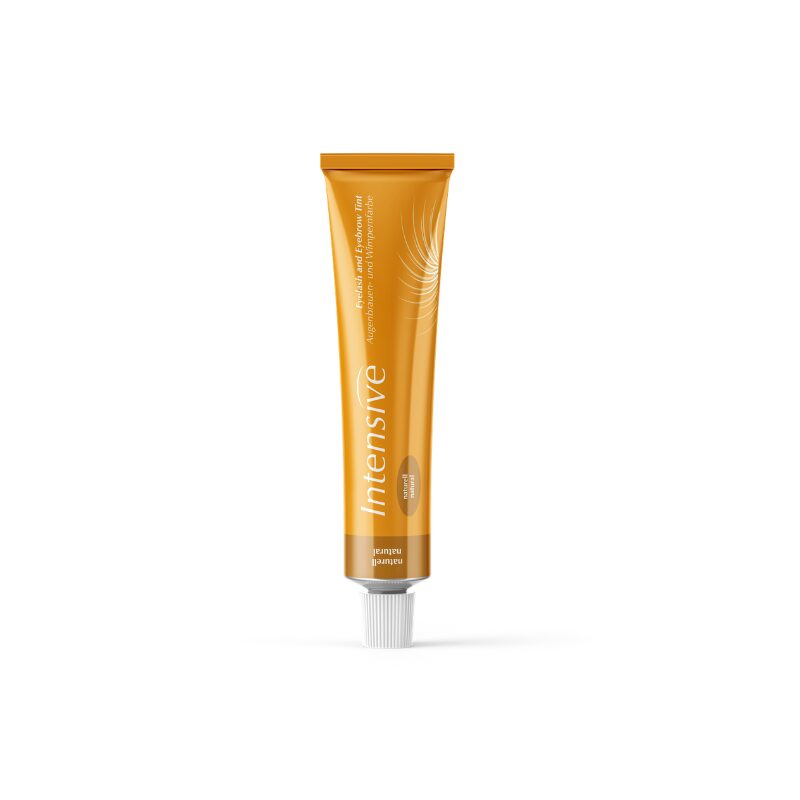
For clients with thinning but intact lashes, a professional service can provide the illusion of volume by maximizing natural curvature. However, fragile or post-chemotherapy lashes require significantly reduced processing times. For instance, whereas a healthy lash may require 10–12 minutes, a compromised lash should be processed for only 7–8 minutes. Pairing this with a professional tint helps define the lash line, effectively masking sparse areas and providing a fuller appearance.

Strip and Magnetic Lashes
In cases involving total alopecia, strip lashes or magnetic systems serve as the primary non-invasive options. Because these clients lack a natural lash “buffer,” the eyelid skin is directly exposed to external materials and adhesives. Technicians should recommend hypoallergenic, latex-free adhesives and emphasize the necessity of daily removal. This prevents the bacterial buildup on the lid margin that often leads to blepharitis or other inflammatory conditions.
Professional Application and Safety Protocols
When working with compromised skin or follicles, lash safety guidelines must be followed with zero compromise to protect both the client and the technician’s professional standing.
Mandatory Patch Testing
Technicians must perform a patch test 24–48 hours before any chemical service or adhesive application. Apply a small amount of the specific perming lotion or adhesive to the inner arm or behind the ear, then wash off to monitor for adverse reactions. This step is critical for alopecia clients, as their skin is often more reactive to chemical irritants. For more on managing potential sensitivities, consult our guide on identifying and mitigating lash treatment risks.
Skin Preparation
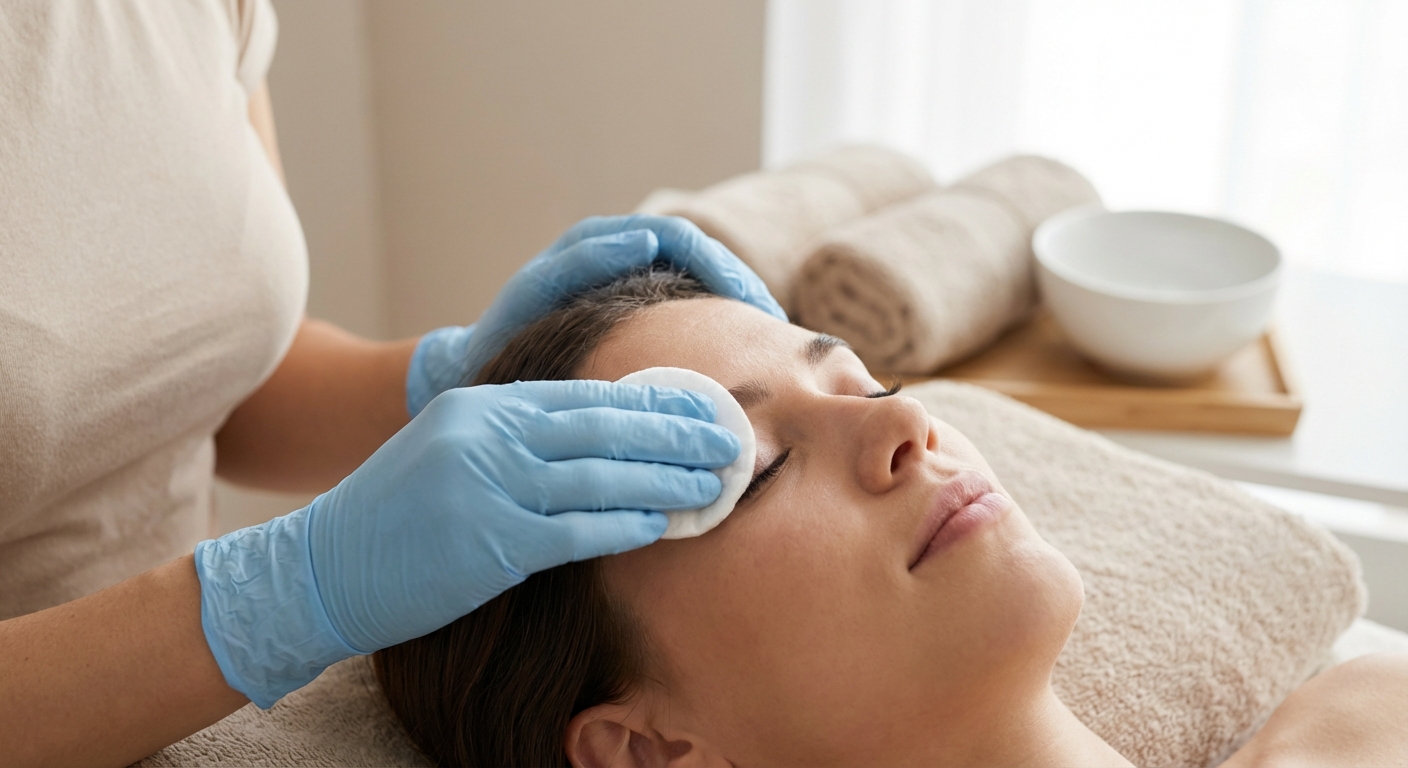
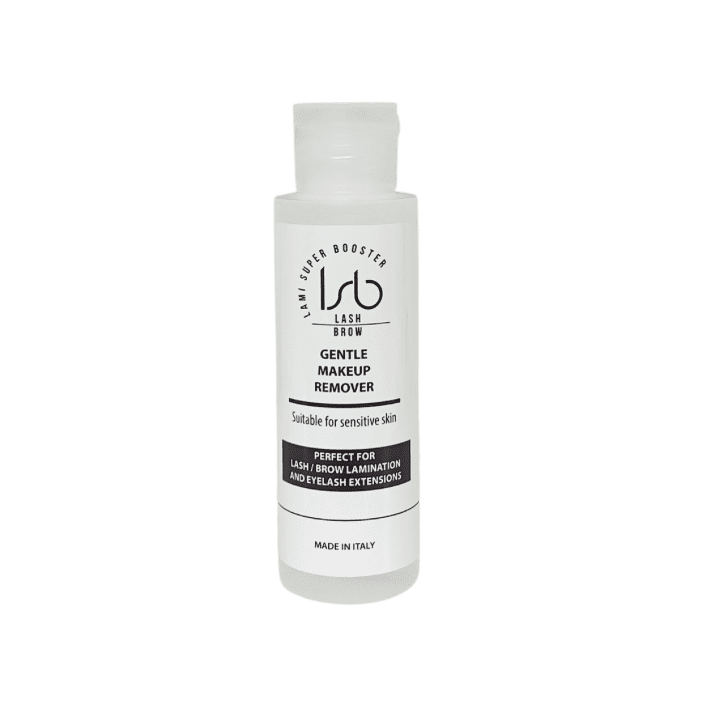
Preparing the lid requires a gentle touch. Use a non-greasy, pH-balanced cleanser to remove sebum and debris without stripping the skin’s natural lipid barrier. Technicians should avoid heavy rubbing or mechanical exfoliation, which can further stress weakened follicles and cause premature shedding.
Application Modifications
Success with alopecia clients often requires a shift in standard technique to accommodate shorter or fewer natural lashes.
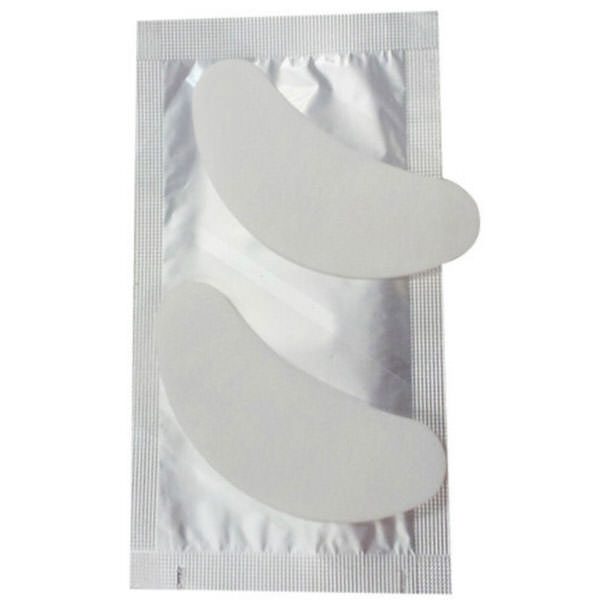
- Precise Isolation: In sparse lash lines, perfect isolation is vital to prevent “clumping,” which can lead to traction alopecia and the premature shedding of the remaining healthy lashes.
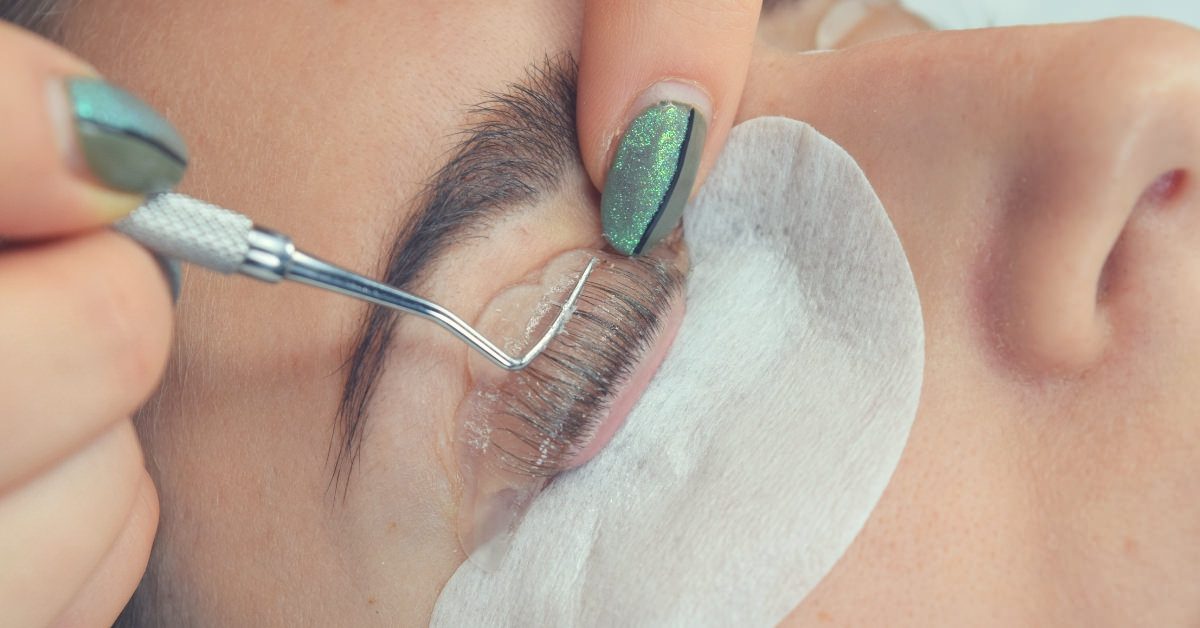
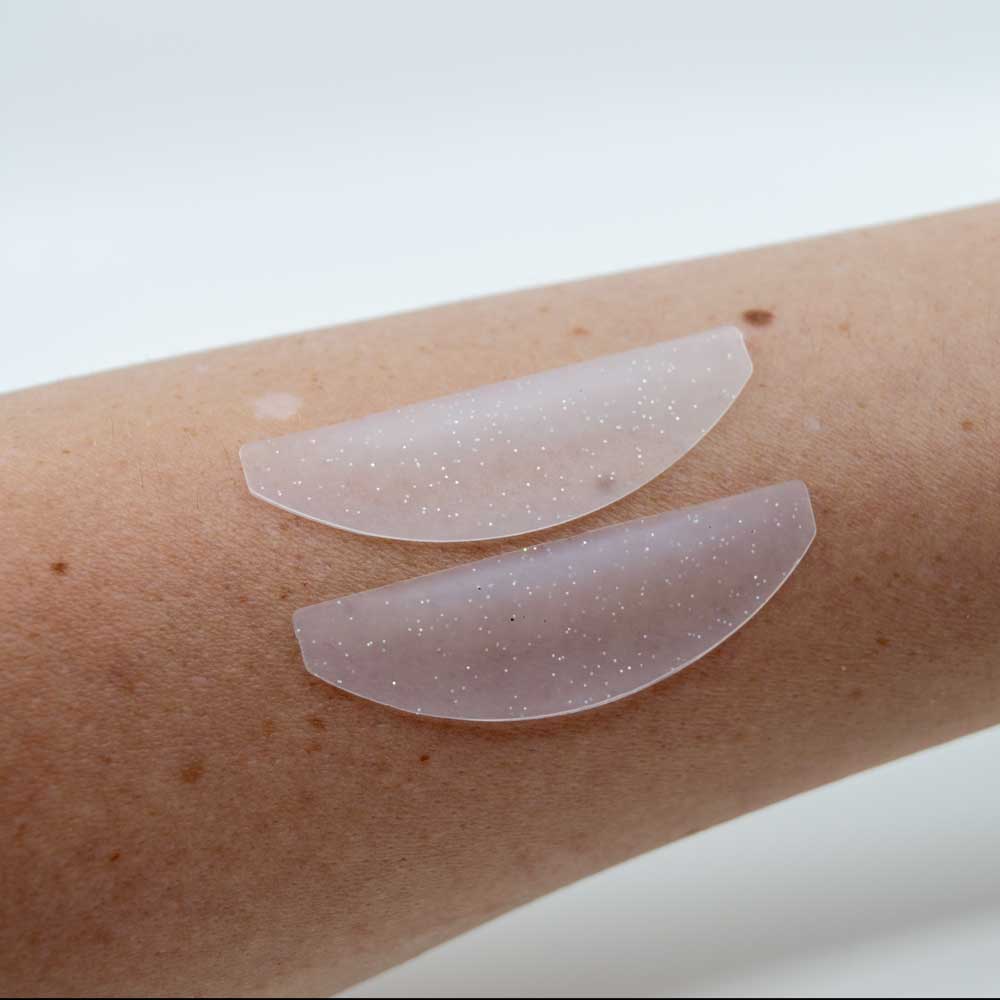
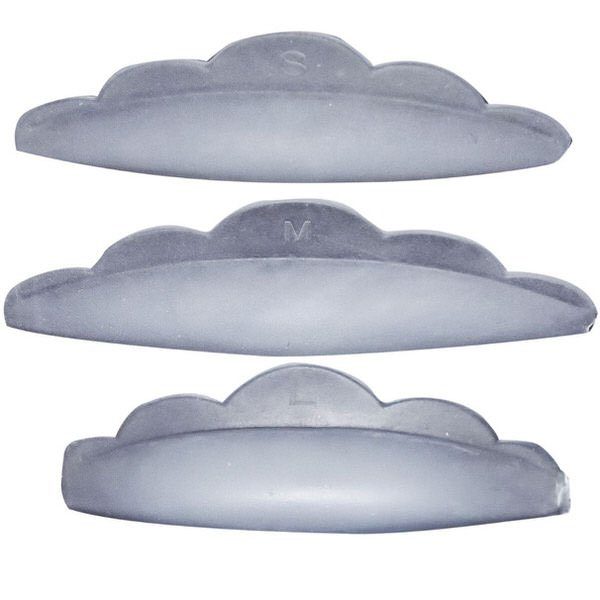
- Shield Selection: Utilize smaller silicone lash lift shields for shorter, finer lashes. This ensures a visible lift from the root, providing the maximum possible impact for the client.
- Traction Management: With eyelash extensions, use the lightest possible extensions, such as 0.05 or 0.07 diameters, to minimize the gravitational weight placed on the follicle.
Consultation and Client Management
Setting realistic expectations is the most important part of the professional consultation. It is vital to clarify that cosmetic enhancements are aesthetic interventions, not medical treatments; they will not “cure” alopecia or guarantee biological regrowth.
Technicians must carefully screen for lash lift contraindications and other health-related barriers. If the client exhibits active inflammation, oozing, or undiagnosed progressive loss, you should refer them to a dermatologist before proceeding. For clients currently undergoing chemotherapy, it is industry standard to require a written release from their oncologist before performing any chemical treatments.
Aftercare and Maintenance
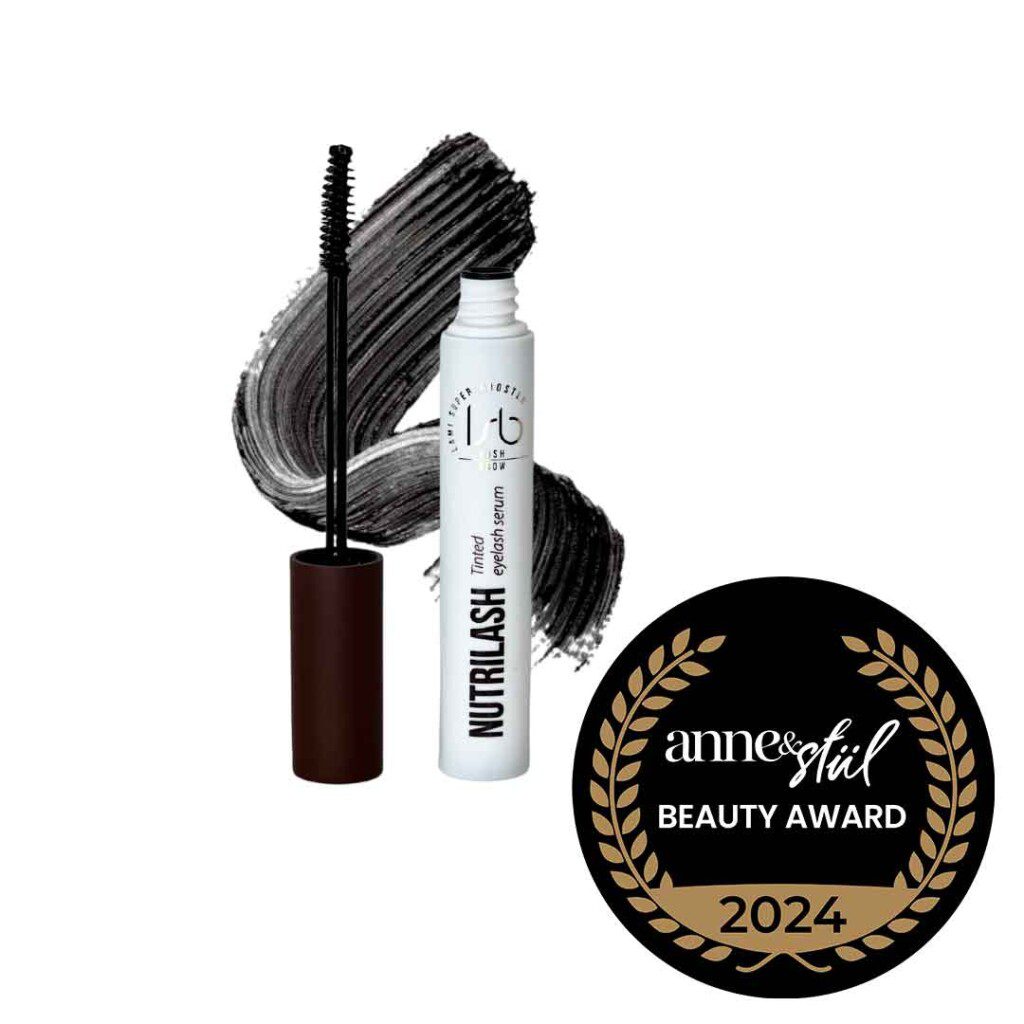
The longevity of the result and the ongoing health of the natural lashes depend heavily on a structured lash lift aftercare routine. Alopecia clients should be encouraged to use nourishing serums that support hair integrity without the use of harsh prostaglandins.
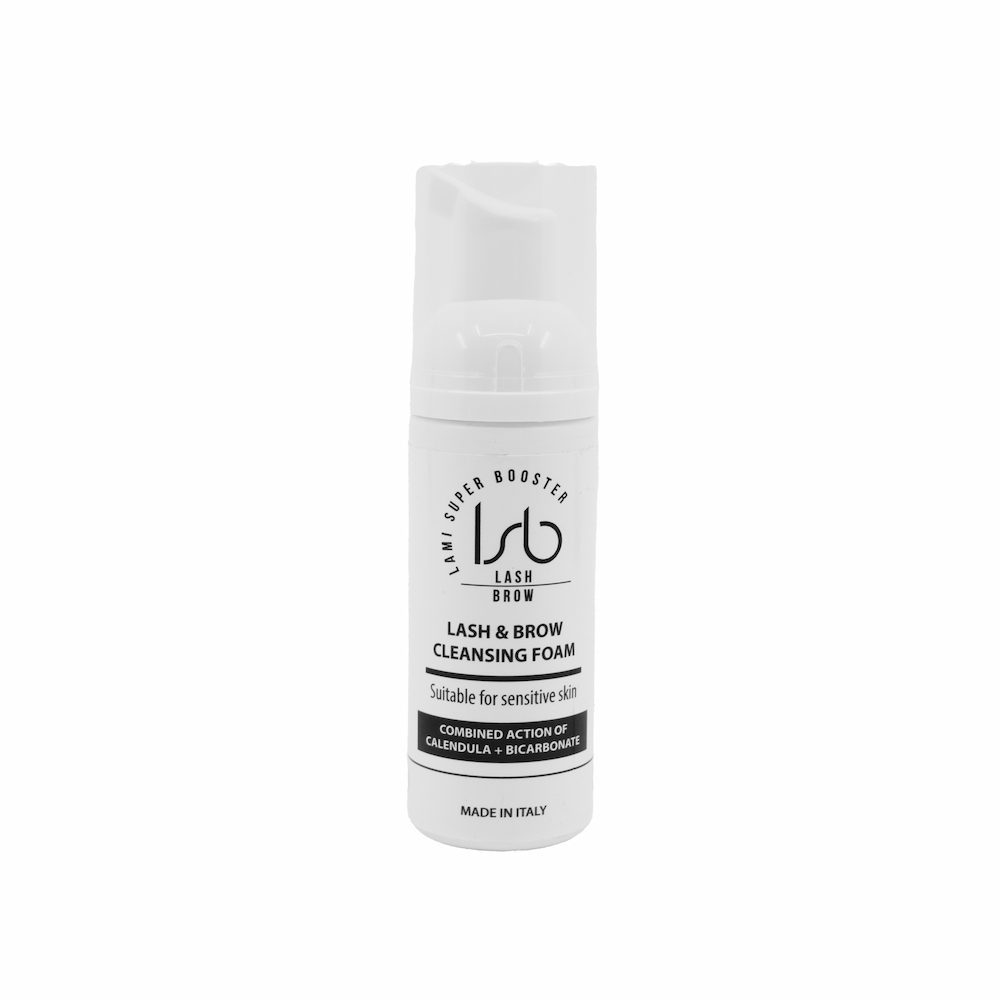
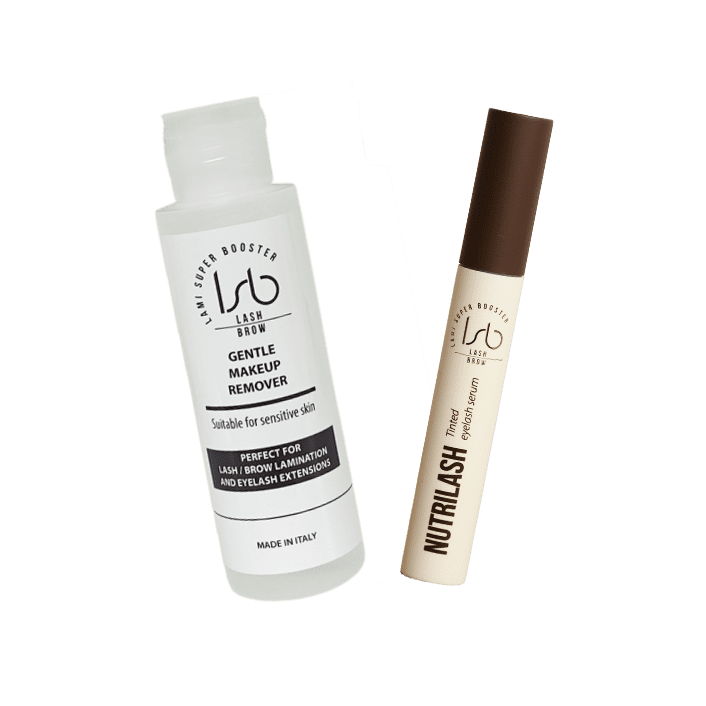
Technicians should advise clients to strictly avoid oil-based removers and instead use a dedicated cleansing foam to keep the lash line clear of debris. Educating clients on the natural lash shedding cycle helps them distinguish between normal daily loss and the sudden, excessive shedding that may require medical attention.
Supporting clients with alopecia requires a high level of technical skill and a deep understanding of safety protocols. By utilizing gentle application methods, performing rigorous patch tests, and recommending the right nourishing aftercare, you can help these clients regain their confidence while protecting their delicate lash health.
Expand your salon’s specialized toolkit by stocking professional-grade, sensitive-skin-friendly products designed for maximum safety and precision.