As a professional brow technician, your primary responsibility is the safety and health of your client’s periocular skin and hair. While brow lamination is a highly popular service for creating fuller, more uniform brows, the chemical nature of the process carries inherent risks. Understanding the clinical difference between a chemical burn and an allergic reaction – and knowing how to respond effectively to both – is essential for rigorous risk management and professional practice.
Recognizing Normal vs. Dangerous Skin Reactions
It is common for clients to experience mild erythema, or redness, immediately following a treatment. This is particularly frequent if the client has naturally sensitive skin or if you have performed threading or waxing in conjunction with the lamination. This transient redness typically subsides within one to two hours and does not indicate a clinical injury.
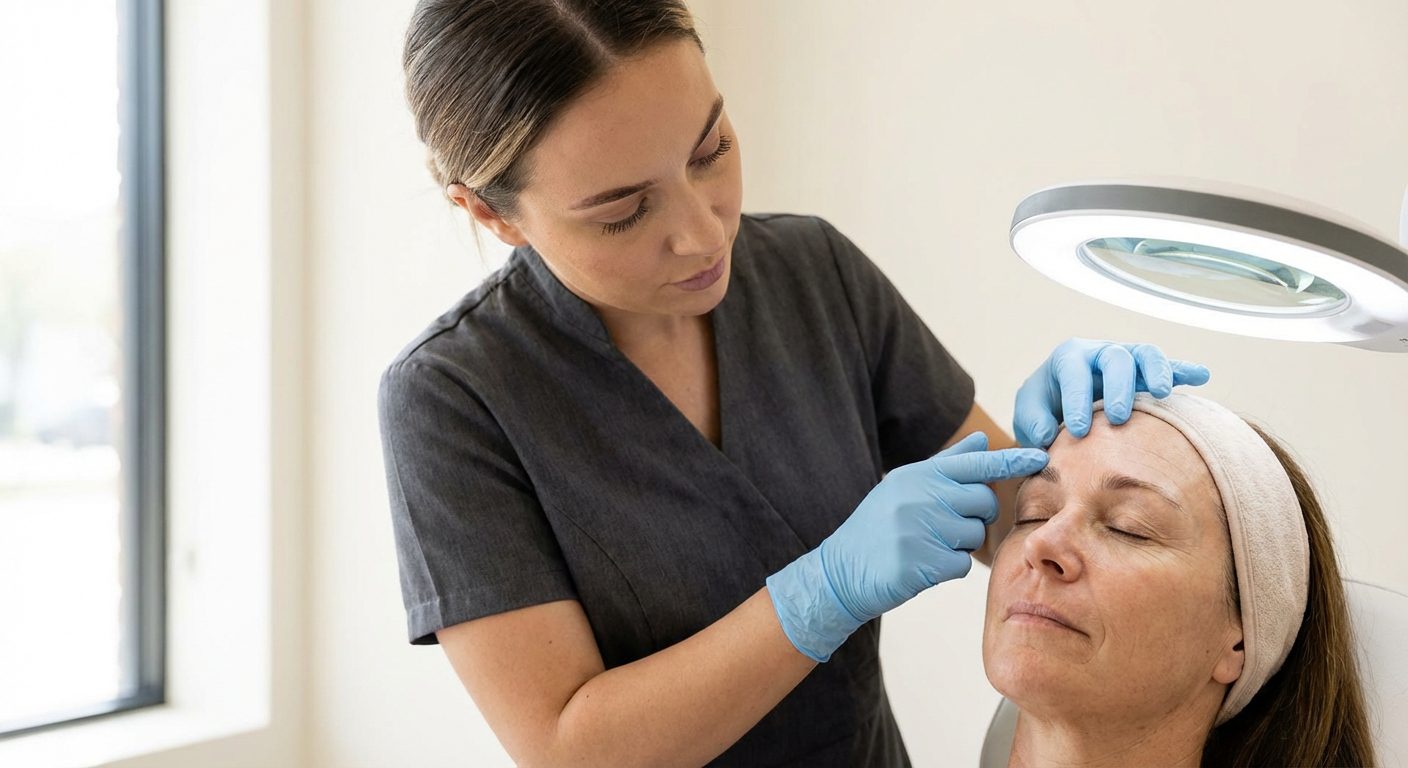
However, technicians must remain vigilant for “red-flag” symptoms that signal a more serious adverse event. Distinguishing between expected sensitivity and a severe reaction involves monitoring for intense stinging or localized heat. If a client reports a sharp, burning sensation during the processing time, the solution must be removed immediately to prevent tissue damage. Other critical indicators include blistering, weeping, or significant oedema – swelling that extends beyond the brow bone or into the eyelids. Any redness or itching that persists longer than 24 hours suggests that the skin barrier has been compromised and requires professional assessment. Before beginning any application, technicians should always perform a visual examination of the brow area to ensure there are no pre-existing abrasions or contraindications.
Chemical Burn vs. Allergic Reaction: What Is the Difference?
While the symptoms of these conditions can appear similar, the underlying physiological causes and management strategies differ significantly. A chemical burn, technically known as irritant contact dermatitis, is a localized injury caused by the caustic nature of the curling lotion or fixing solutions. These burns are generally confined to the exact area where the product was applied. Common causes include overprocessing, where lotions are left on for longer than the manufacturer’s recommended timing, or product seepage where the solution sits on the delicate skin surrounding the brow rather than being applied solely to the hair. Furthermore, applying chemicals over skin recently treated with Retinol or AHAs can lead to burns as these ingredients thin the stratum corneum and increase skin permeability.
In contrast, an allergic reaction, or allergic contact dermatitis, is an immune system response to a specific ingredient, such as a preservative, fragrance, or the lifting agent itself. Unlike a localized burn, an allergic reaction can cause swelling that spreads to the eyelids or other parts of the face. Symptoms may not appear until 24 to 48 hours after the service, making aftercare communication vital for early detection.

Immediate First Aid Steps for Technicians
If a client experiences an adverse reaction during the service, you must act decisively to minimize skin damage. The first priority is the immediate removal of all chemical agents. Use a dry cotton swab to lift the bulk of the product off the skin, taking care not to drag the chemical across unaffected areas.
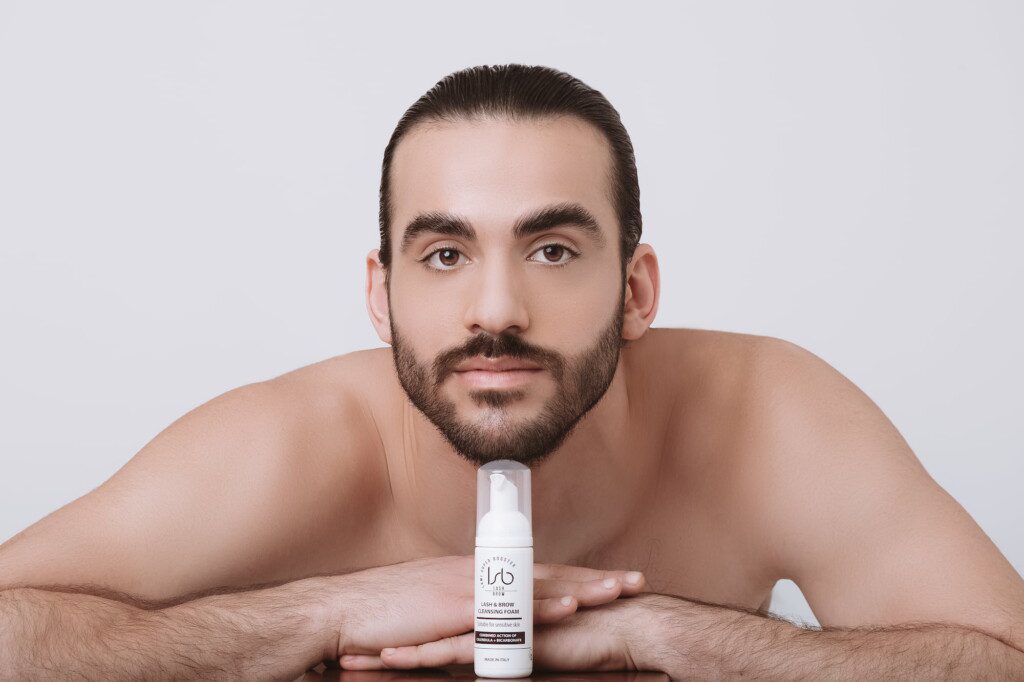
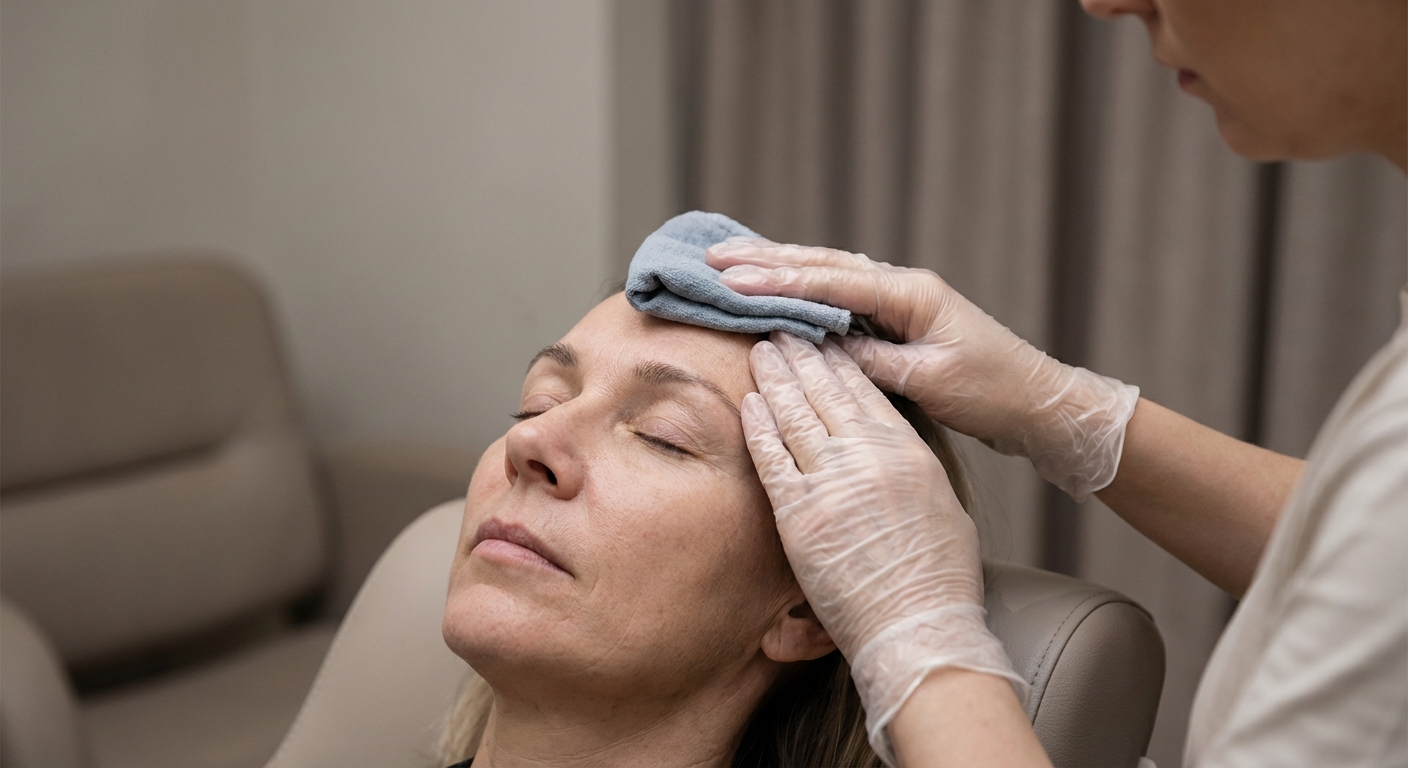
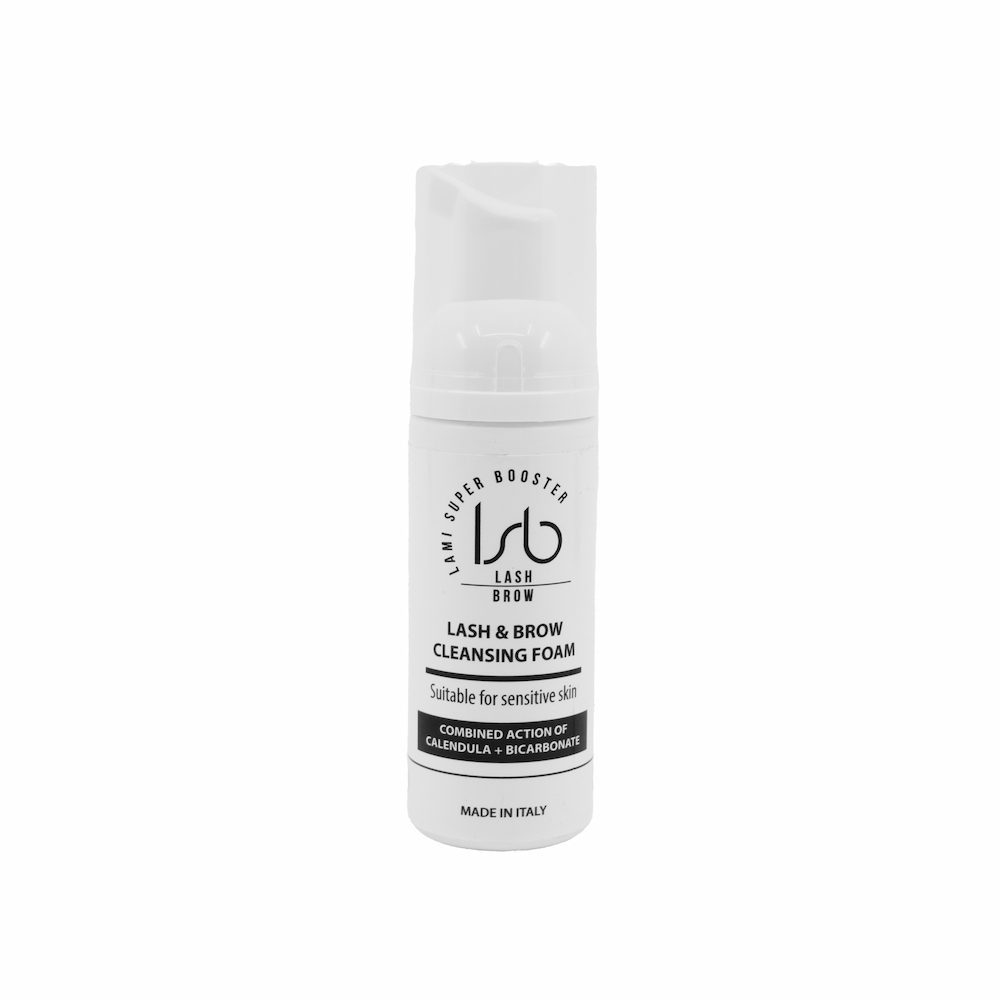
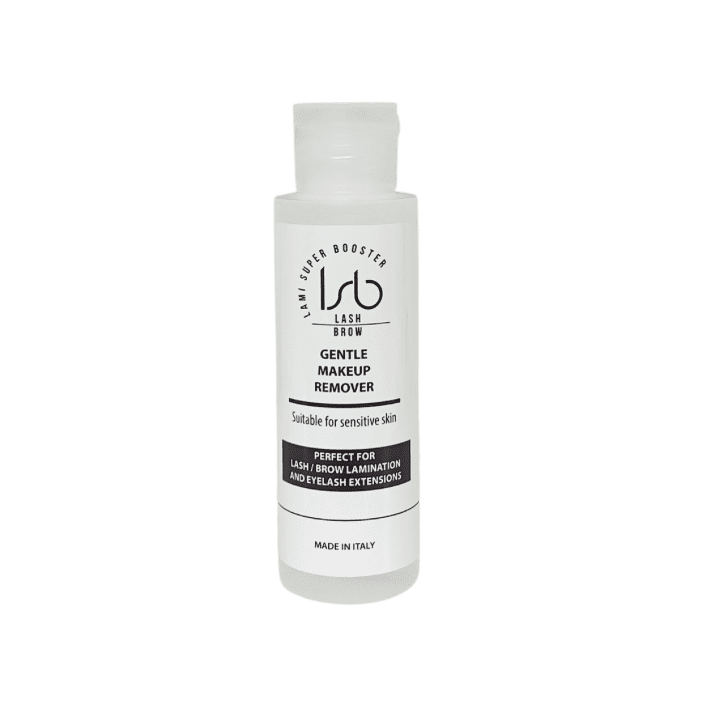
Once the bulk is removed, you must neutralize and irrigate the site. Thoroughly cleanse the area with a gentle, pH-balanced cleansing foam to ensure all chemical residue is eliminated. Rinse the skin repeatedly with cool, lukewarm water or saline. Following irrigation, apply a cool, damp compress to the area to soothe the heat and reduce inflammation. As a final step, once the skin is clean and dry, applying a thin layer of a soothing, fragrance-free makeup remover can help remove any stubborn traces and prepare the area for a protective barrier balm.
When to Seek Medical Help
As a technician, you are qualified to provide immediate comfort but should never attempt to diagnose or medically treat a reaction. If a client exhibits signs of infection, such as pus, extreme localized warmth, or fever, they must be referred to a doctor or pharmacist immediately. Severe blistering, open sores, or swelling that obstructs vision also require medical intervention. In extremely rare cases, a client may experience difficulty breathing or throat swelling; this is a sign of anaphylaxis and requires emergency medical services immediately.
Realistic Healing Timelines
The recovery period for a skin reaction depends entirely on the severity of the injury and the client’s own healing rate.
- Acute Phase (Days 1–3): The skin may remain red and tender or begin to form a fine crust. During this period, the client must avoid all active skincare, makeup, and further brow treatments to prevent further irritation.
- Reparative Phase (Days 4–10): The skin begins the renewal process, which often results in peeling or flaking. Maintaining moisture is critical during this stage to support the skin barrier and prevent potential scarring.
- Full Recovery: Most minor chemical burns or reactions resolve within 7 to 14 days. While the skin heals, the brow hairs themselves may remain dry or brittle.
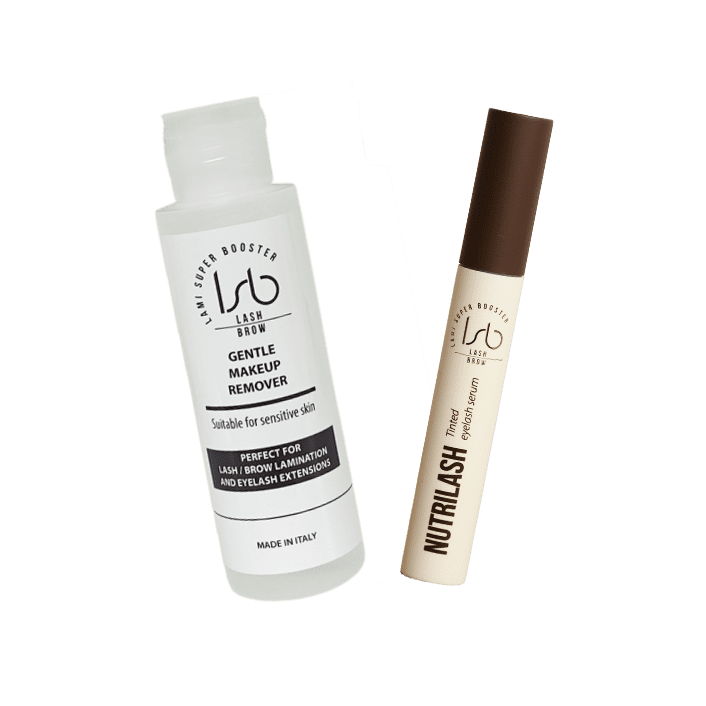
During the recovery period, technicians should guide clients toward specialized aftercare that prioritizes deep hydration and nourishment over aesthetic styling.
How to Prevent Adverse Reactions
Technical precision and informed product selection are the most effective ways to virtually eliminate the risk of chemical injuries in the salon.
Correct Timing and Technique
Always tailor your processing times to the client’s specific hair texture. For instance, thin or fine hair may only require 4 to 7 minutes of exposure, whereas coarse hair may safely process for 10 to 12 minutes. Technicians should apply a controlled layer of product and monitor the hair’s integrity every 2 minutes by performing a “tension test” to check for over-processing.
Mandatory Patch Testing
Performing a patch test at least 24 to 48 hours before the treatment is a non-negotiable safety standard, especially for new clients or those who have not had a treatment in over six months. Apply a small amount of both the perming and fixing lotions to the crook of the elbow or behind the ear to monitor for any latent safety profiles or sensitivities.
Choosing Safer Product Formulations
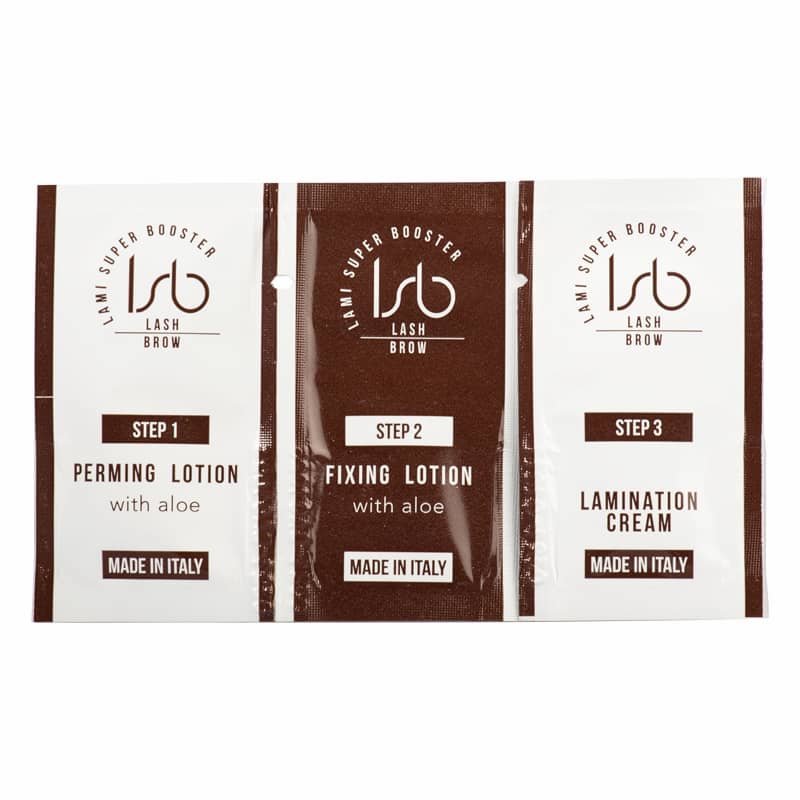
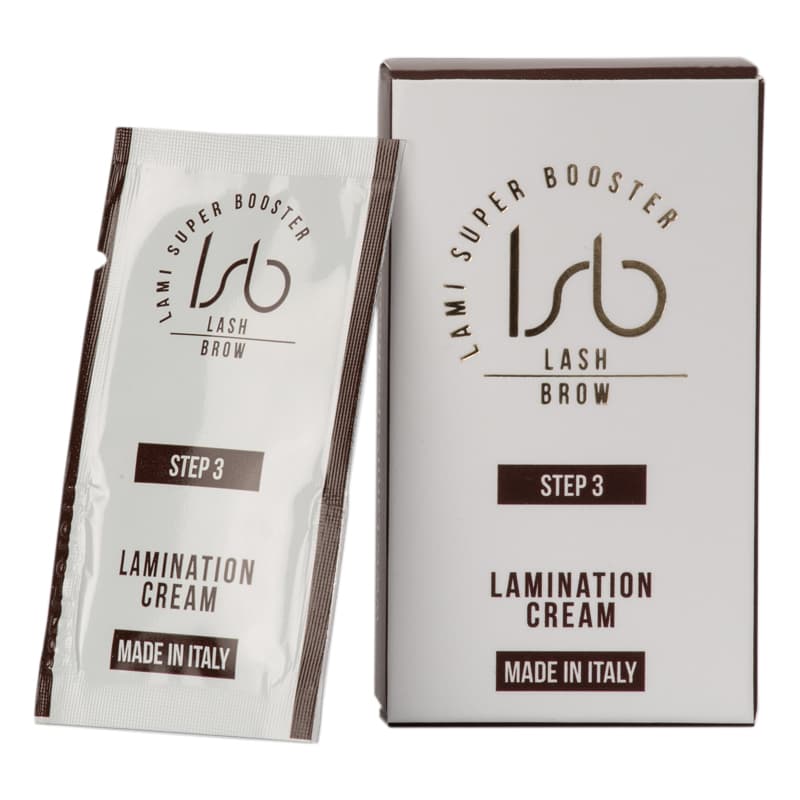
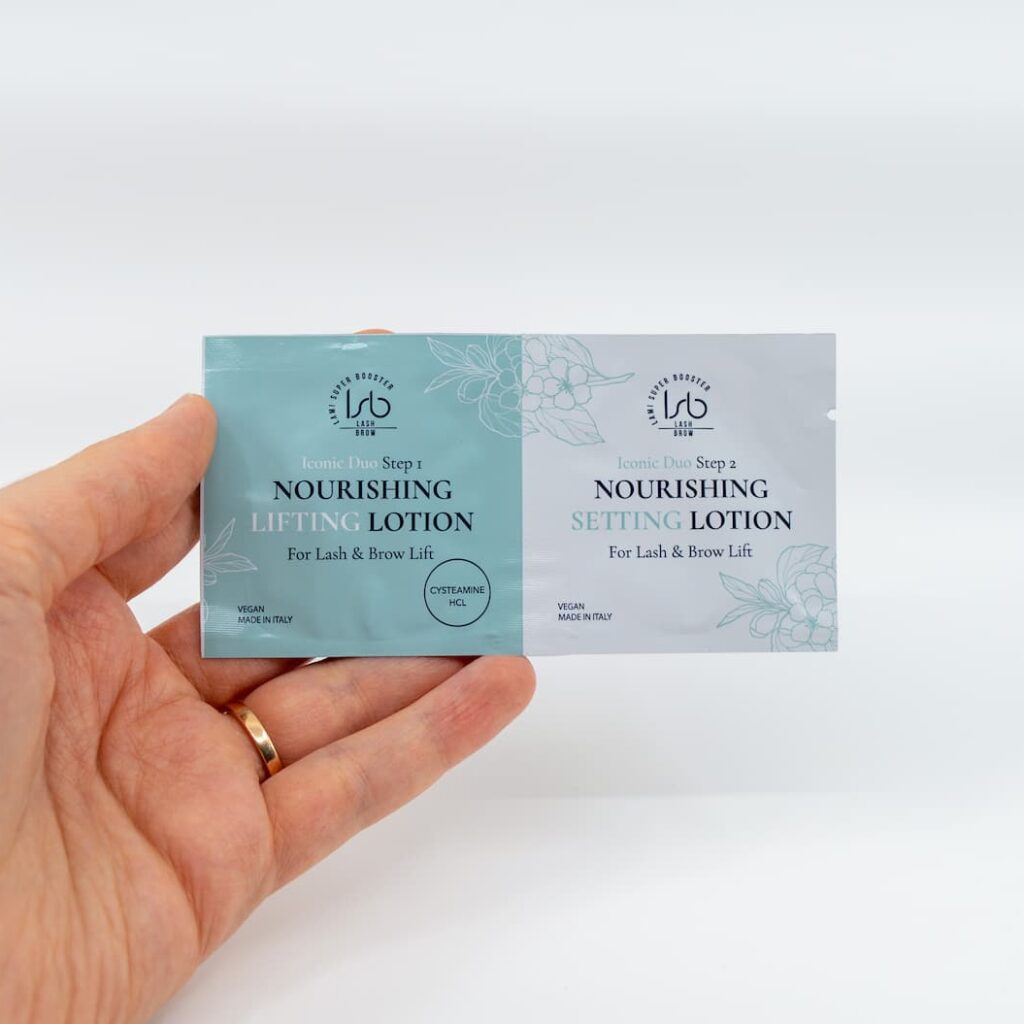
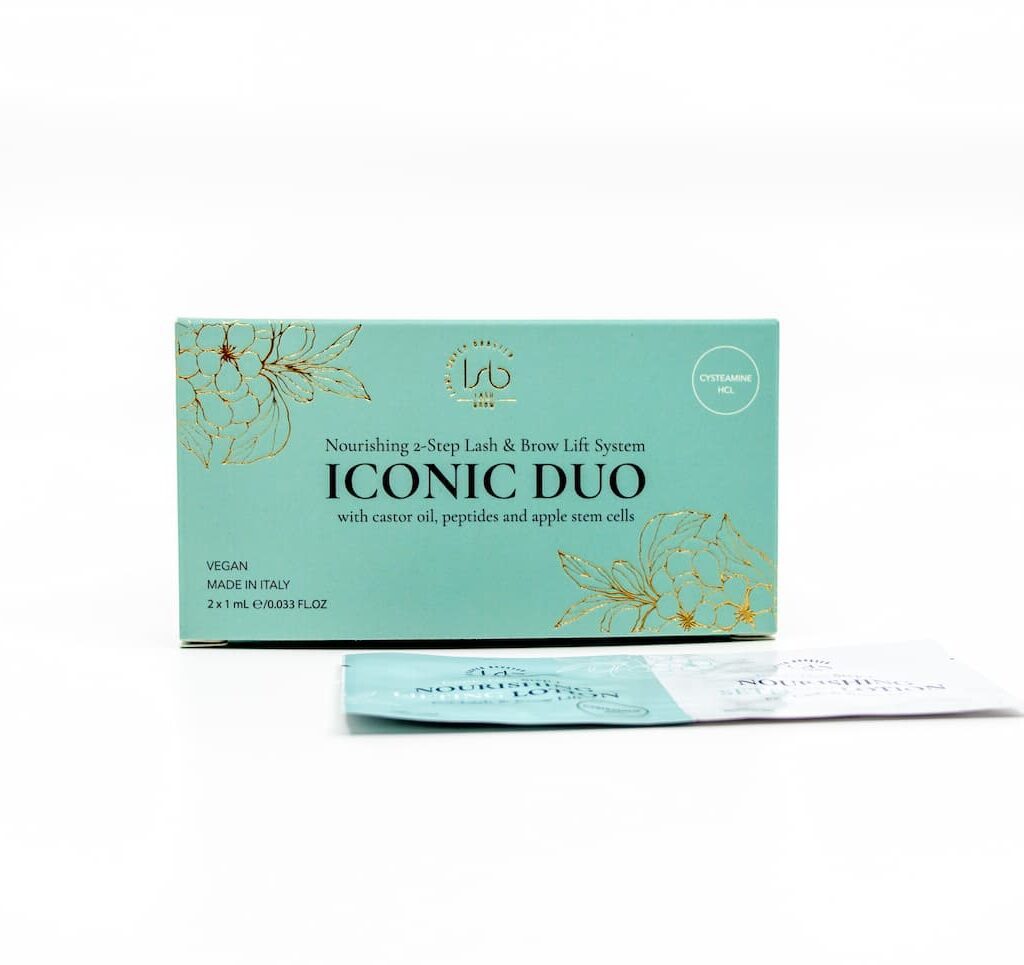
The chemical agent used can significantly impact skin safety. While traditional Ammonium Thioglycolate is highly effective for coarse hair, Cysteamine HCL is a gentler alternative often preferred for clients with a history of sensitivity. Cysteamine-based systems are less likely to cause irritation or accidentally overprocess the hair. Furthermore, using single-use sachets ensures product stability and eliminates the risk of cross-contamination.
Maintaining the highest standards of safety in brow lamination requires a combination of technical skill, high-quality products, and transparent communication. By adhering strictly to contraindication protocols and refining your application technique, you can provide a luxury service that protects the long-term health of your client’s skin and hair.
Enhance your professional standards and client safety by integrating our specialized, Cysteamine-based systems into your service menu.