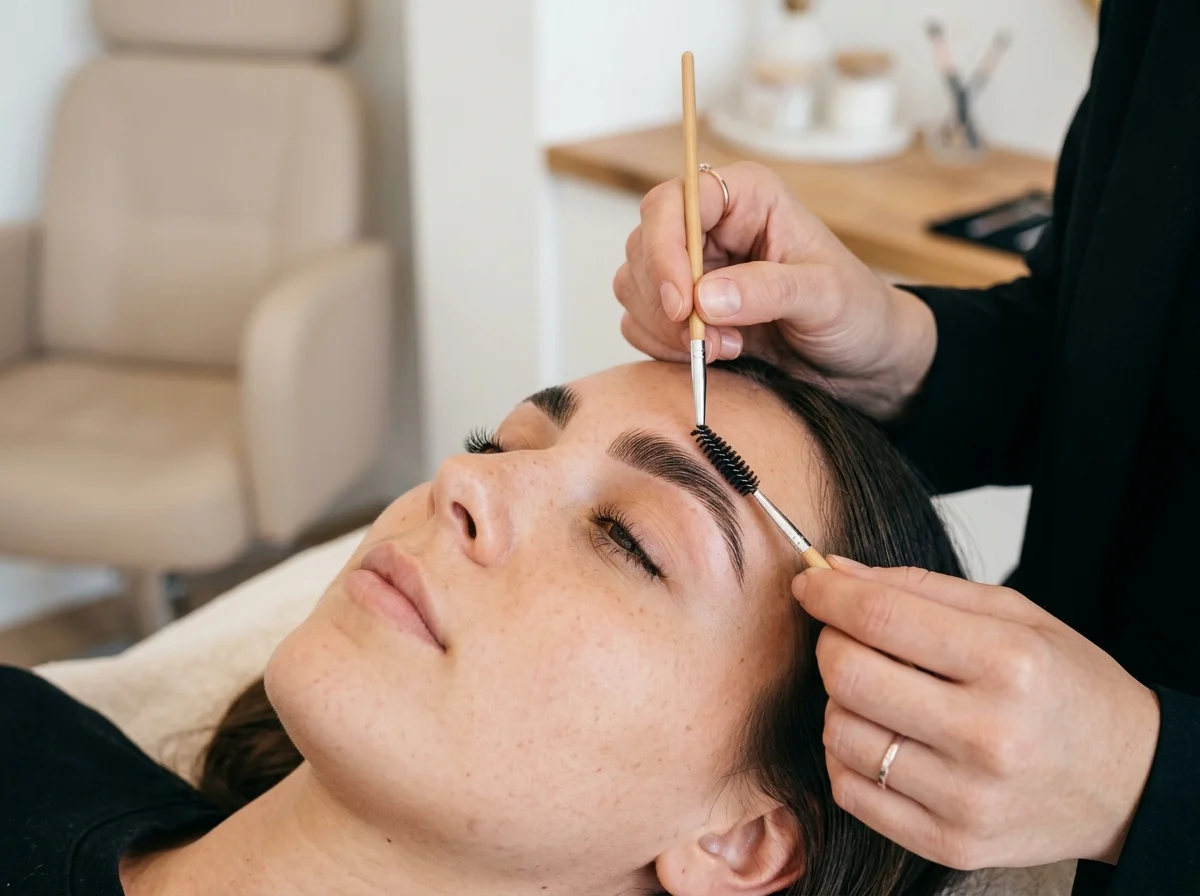
Brow lamination has emerged as a fundamental service for beauty technicians looking to offer clients a non-invasive solution for sparse, unruly, or downward-growing eyebrows. Often described as a “perm for the brows,” this treatment chemically restructures the hair fibers to keep them in a desired shape, typically providing a fuller, more uniform, and high-definition appearance. For the professional, understanding the delicate chemical balance and procedural nuances is essential to delivering consistent results while maintaining hair integrity.
The Technical Principles of Brow Lamination
The success of a brow lamination depends entirely on the manipulation of the hair’s internal structure. Human hair is held together by three primary types of bonds: hydrogen, ionic, and disulfide bonds. While hydrogen and ionic bonds are easily influenced by water and pH changes, the lash chemical bonds known as disulfide bonds are the strongest and require a specific chemical intervention to alter.
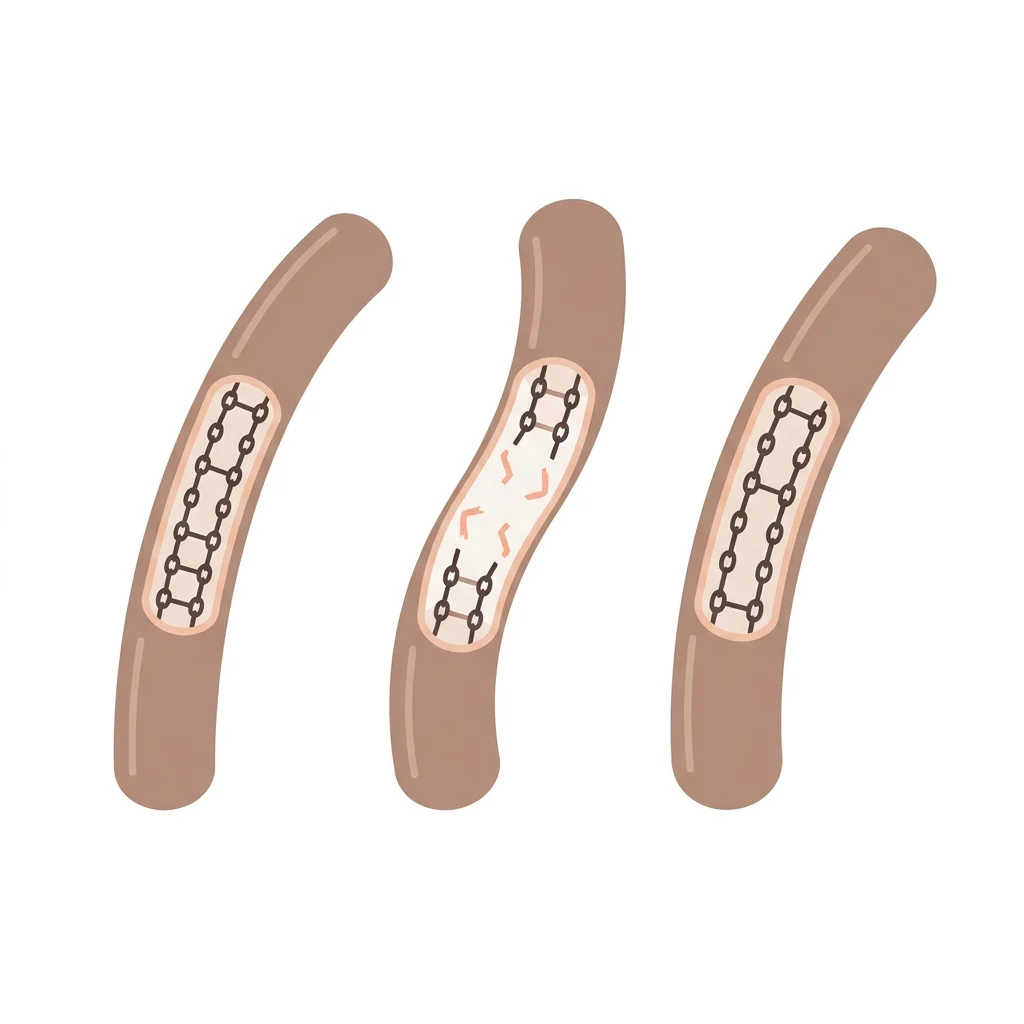
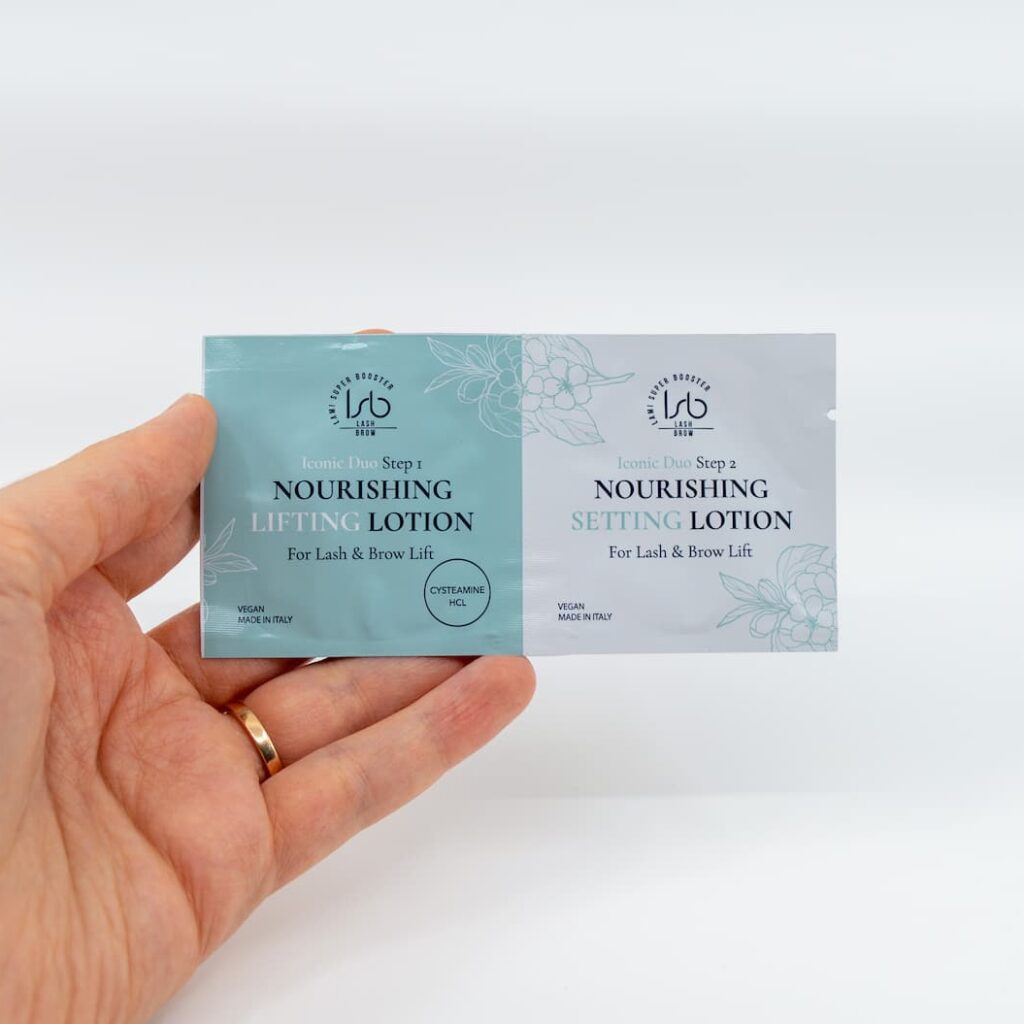
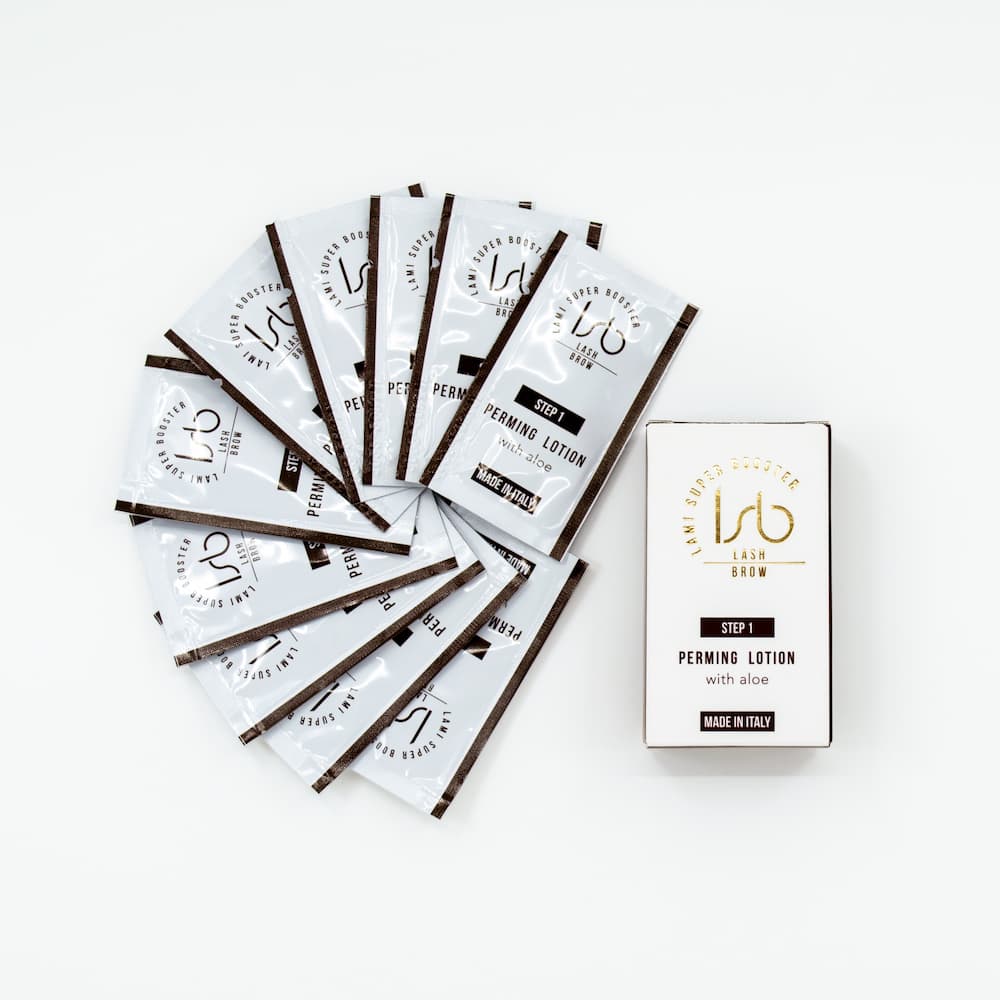
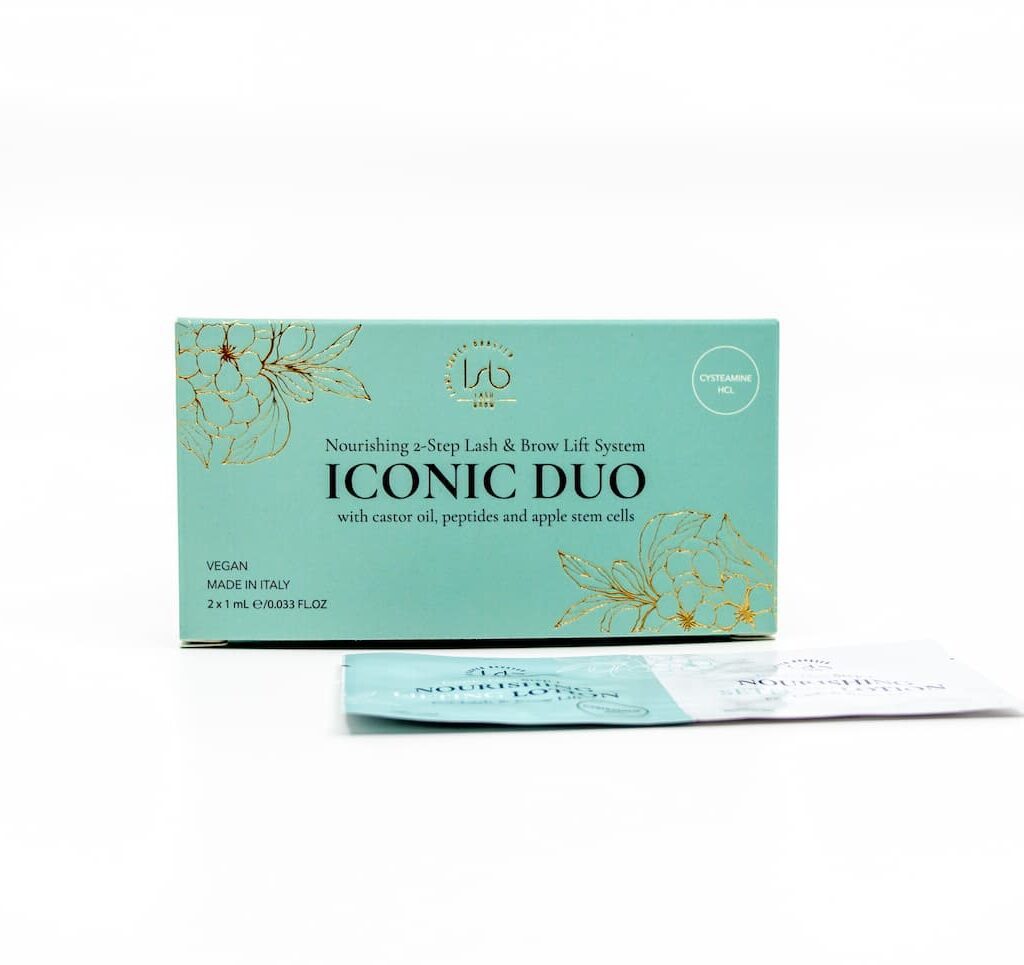
The process begins with the application of a lifting or perming lotion, which typically utilizes reducing agents such as Ammonium Thioglycolate or Cysteamine HCL. These alkaline agents swell the hair and penetrate the cuticle scales to break the disulfide bonds. This “reduction” phase softens the hair, making it pliable and ready to be reshaped. Technicians must carefully monitor this stage, as processing times vary depending on the product used, client’s hair thickness and porosity.
Neutralizing and Stabilizing the Brow Shape
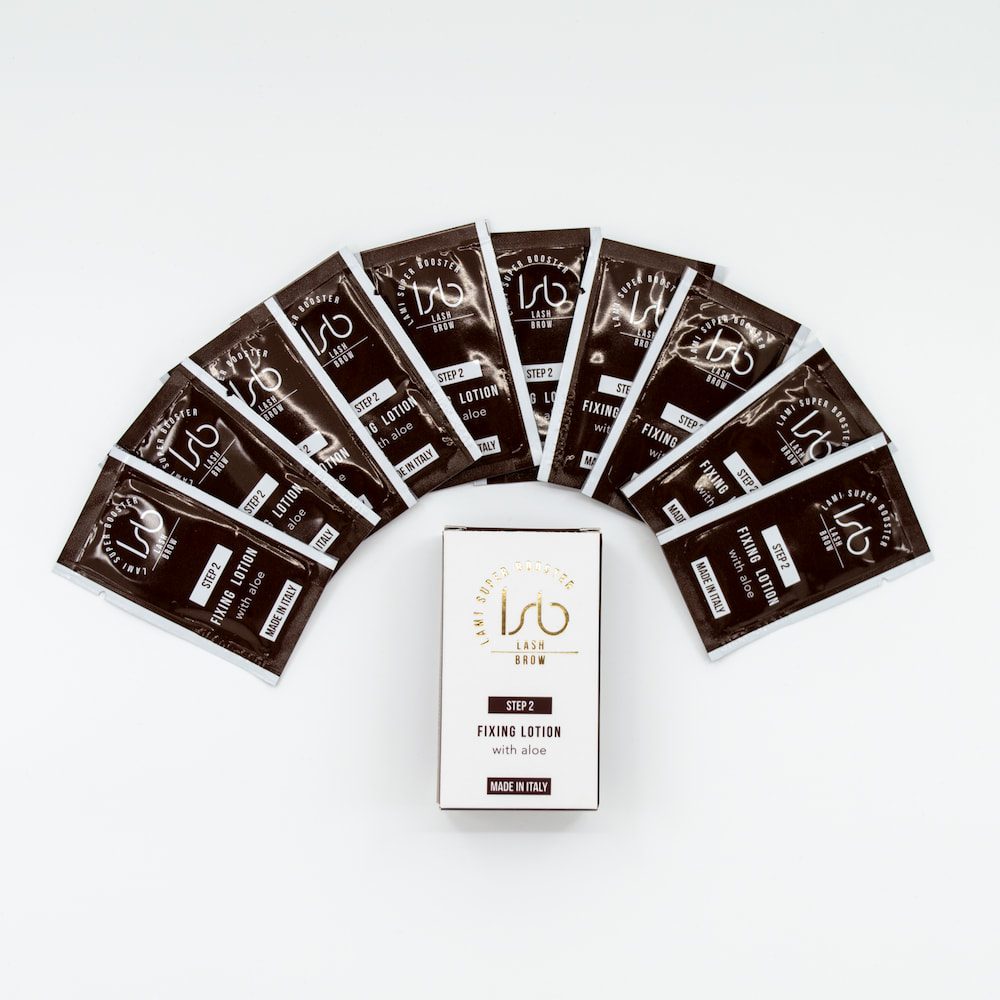
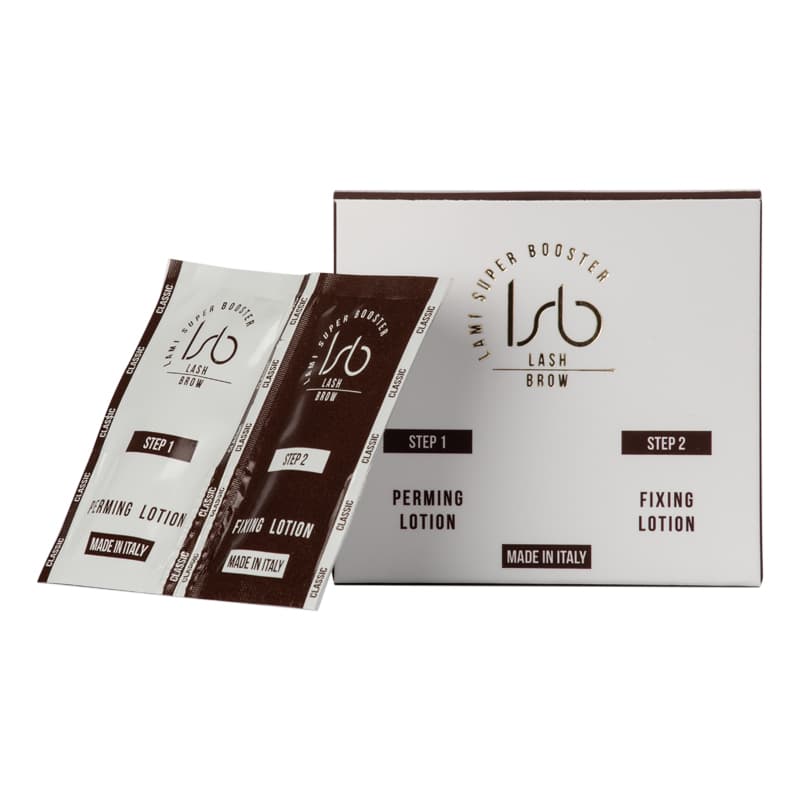
Once the hair has been mechanically straightened or brushed into the intended position, the next critical step is the application of a fixing or neutralizing lotion. This step is vital because it stops the chemical reaction of the lifting lotion and begins the “oxidation” phase.
The fixing lotion effects are centered on lowering the pH of the hair and rebuilding the broken disulfide bonds in their new, strained position. Most professional formulations use Hydrogen Peroxide to reform approximately 85–95% of these bonds, effectively “locking” the brow hairs into their new vertical or groomed alignment. Many modern systems also incorporate soothing agents like Aloe Vera to calm the skin and hair follicle immediately after the chemical processing.
Integrating Tinting and Nourishment
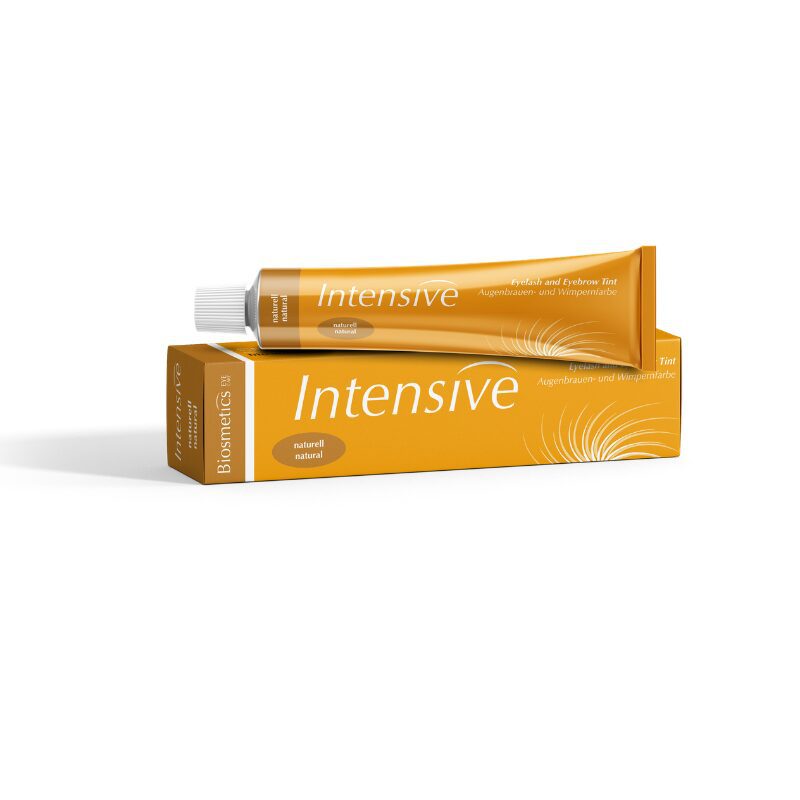
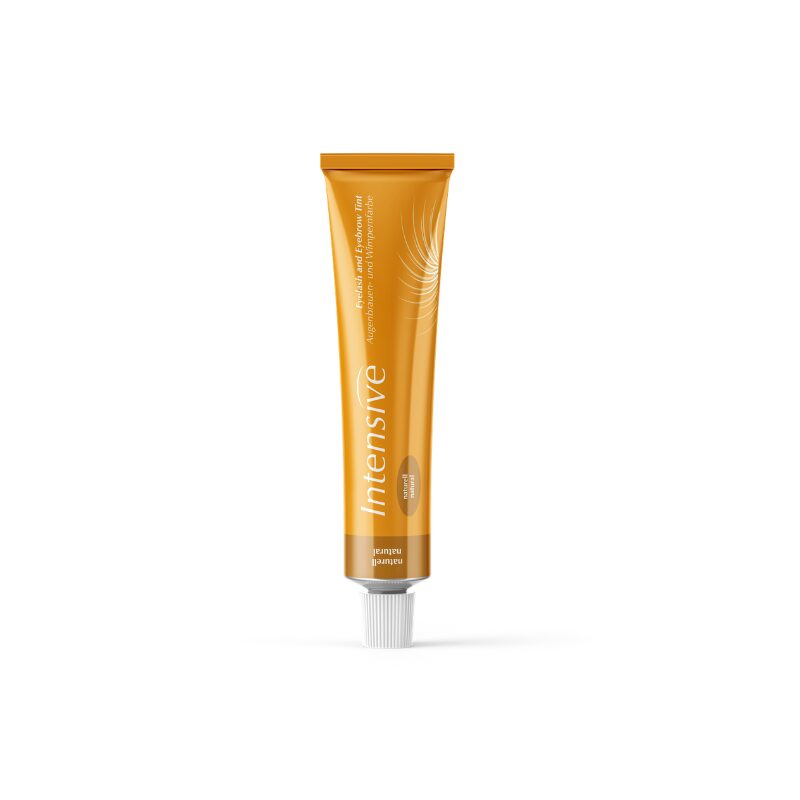
For many clients, lamination is only part of the transformation. Integrating color can significantly enhance the final result, particularly for those with light-colored hair or gaps in their brow profile. Professionals generally agree that the optimal sequence is to perform tinting after lamination and neutralizing. Because the hair cuticle is still slightly open following the lifting process, the hair absorbs pigment more readily, often requiring a shorter processing time of only 2 to 5 minutes.
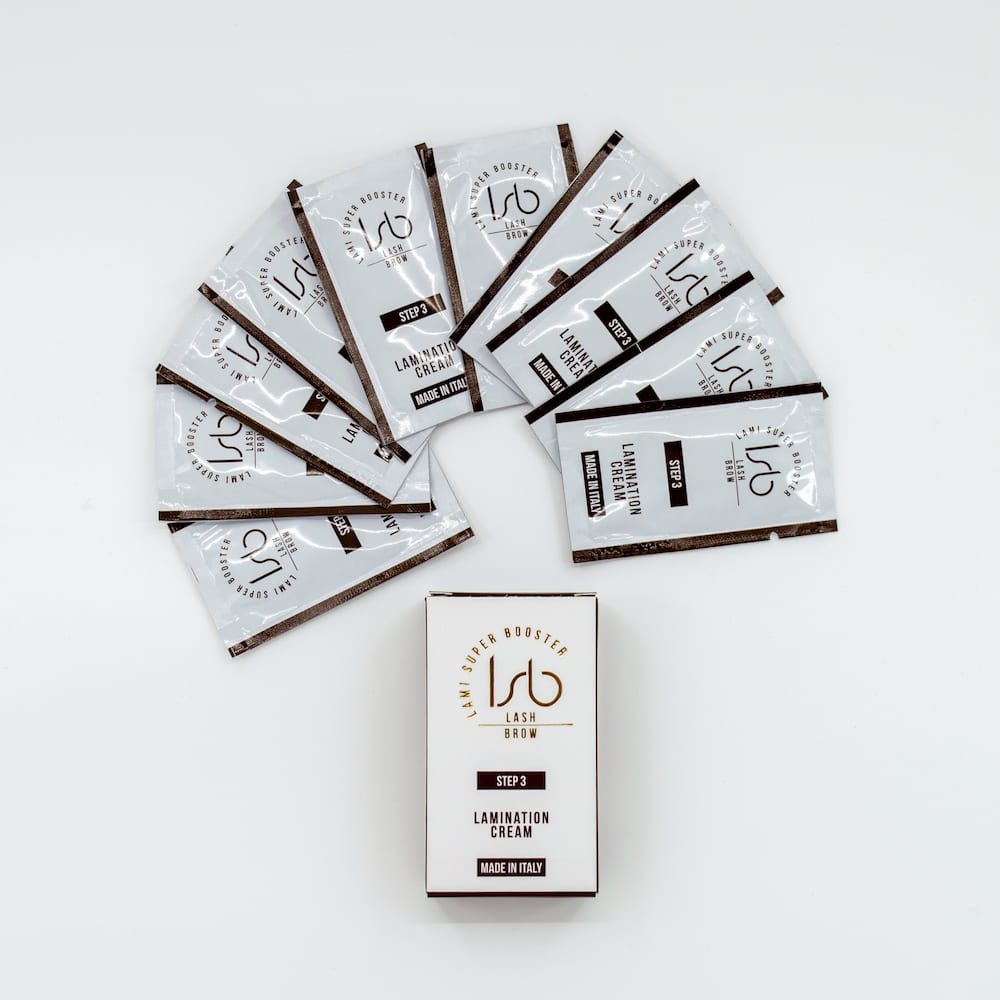
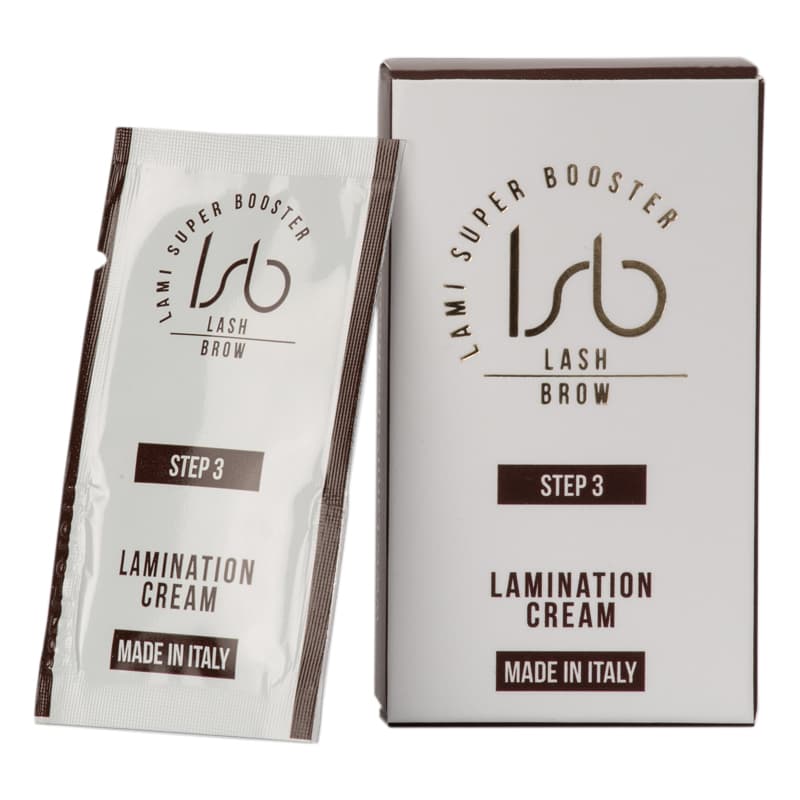
Following the tint, the final stage is nourishment. Chemical treatments and tints can leave the hair vulnerable to dehydration. Applying a keratin-based lamination cream acts as a deep-conditioning sealant. These formulas often include argan oil, jojoba oil, and amino acids to close the cuticles, lock in moisture, and ensure the brows appear healthy and lustrous rather than brittle or frizzy.
Professional Safety and Treatment Frequency
Maintaining brow health is a long-term commitment that requires technicians to manage client expectations regarding frequency. Performing the treatment too often can lead to overprocessing, resulting in singed tips or hair breakage. The standard recommendation is that brow lamination can be performed every 6–8 weeks, which aligns with the natural hair growth cycle and allows the brow hairs to recover fully.
Safety protocols are non-negotiable in a professional setting. Before any procedure, a technician must conduct a thorough consultation to screen for brow lamination contraindications, such as active skin conditions, recent microblading, or ultra-sensitive skin. Furthermore, performing a patch test at least 24 to 48 hours prior to treatment is the industry standard to prevent allergic reactions or chemical burns. When these protocols are followed, brow lamination is a safe and highly effective service for achieving a low-maintenance, polished look.
Essential Tools and Aftercare Management
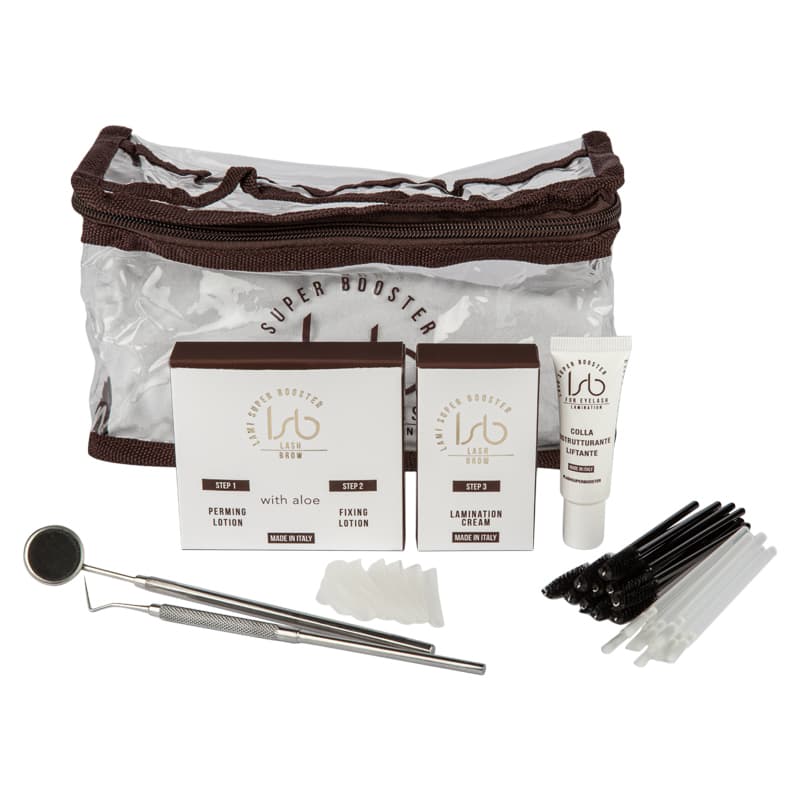
Beyond the chemical solutions, the precision of the treatment relies on the quality of the tools used. Technicians should utilize specialized brow mapping tools and micro-brushes to ensure every hair is perfectly aligned. For the client, the service does not end when they leave the chair. The first 24 to 48 hours are critical for the longevity of the results, and providing a clear brow lamination aftercare plan is essential. Clients should be instructed to avoid moisture, heat, and steam during this window to allow the bonds to stabilize completely.
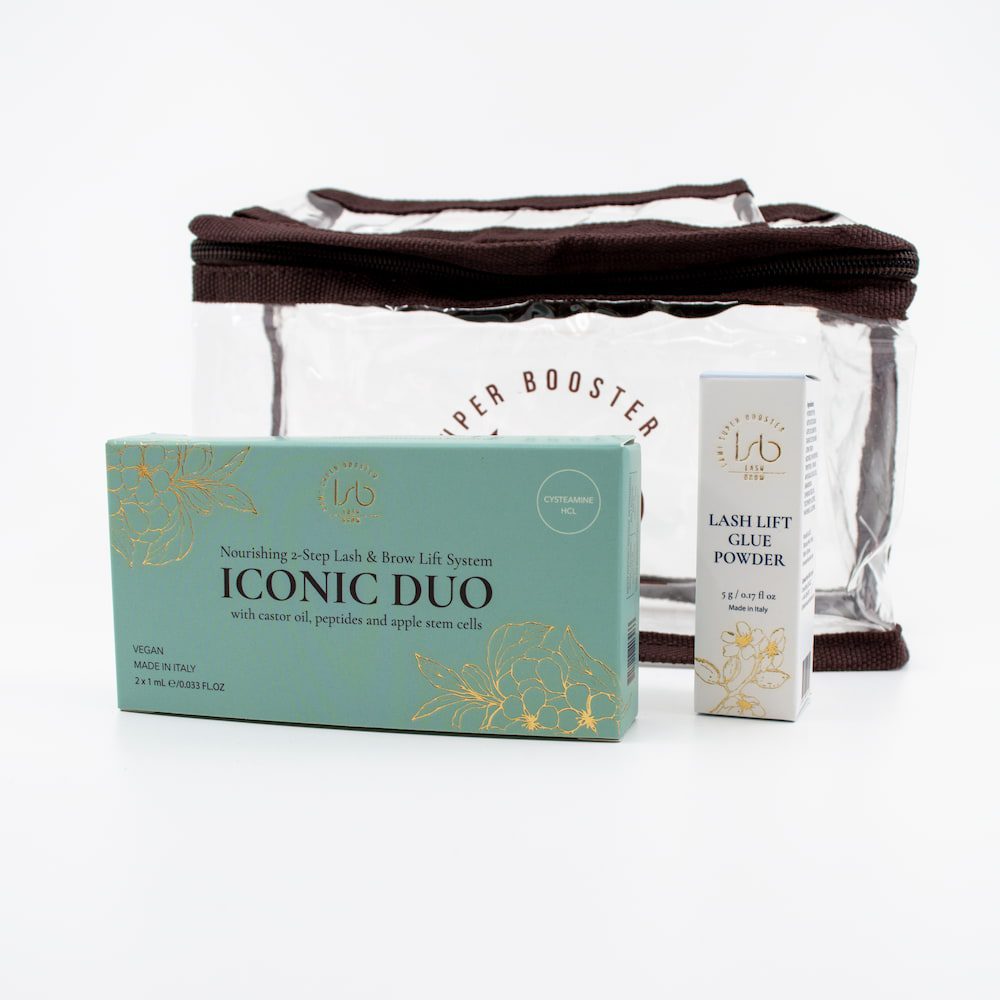
Korean Lash Lift & Brow Lamination Mini Kit
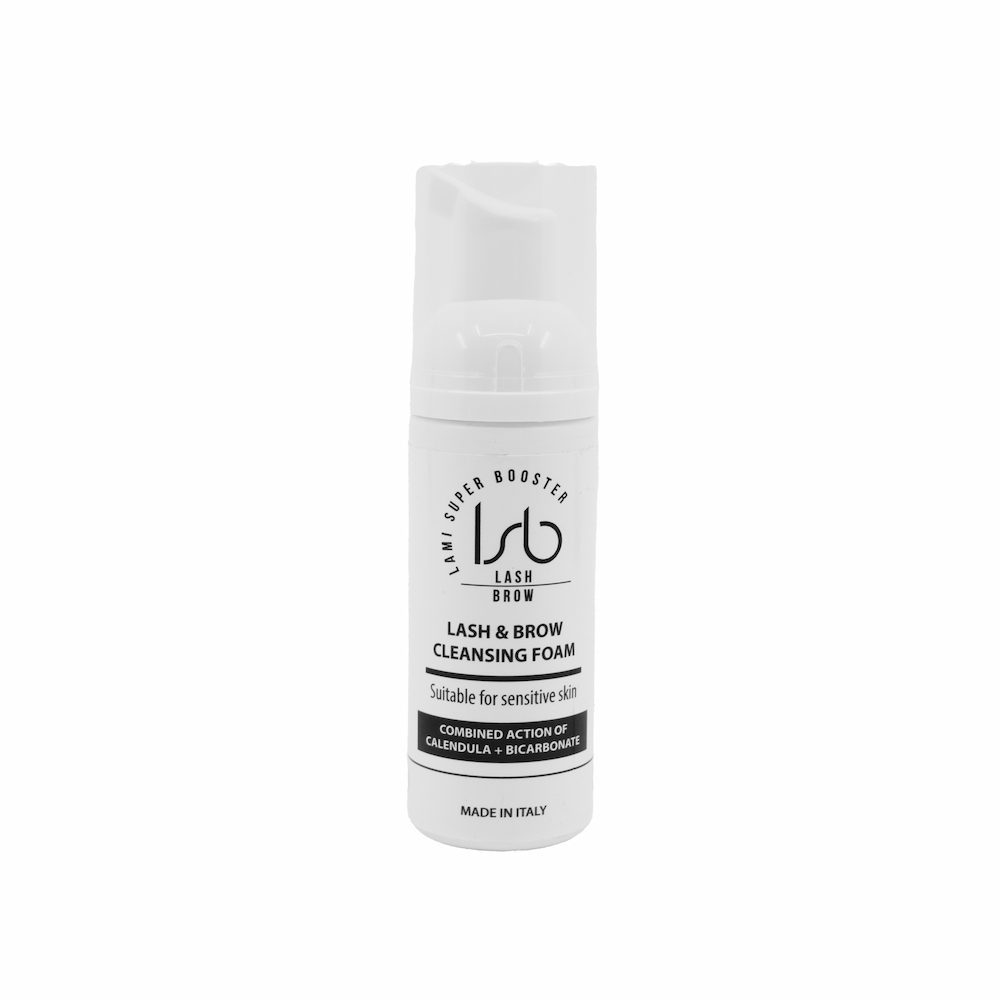
Mastering the technical steps of how to do brow lamination allows beauty professionals to offer a transformative service that caters to a wide variety of hair types and aesthetic goals. By prioritizing chemical bond integrity, precise timing, and high-quality nourishing agents, you can ensure your clients enjoy full, sculpted brows that remain healthy throughout the entire growth cycle. Browse our professional kits and individual lotions to equip your salon with the industry’s leading brow systems.