
Professional brow shaping is the architectural foundation upon which all other treatments – from tinting to lamination – are built. For a technician, mastering the nuances of brow mapping and the mechanical removal of hair is what distinguishes a standard service from a bespoke facial transformation. Understanding how to manipulate the arch, tail, and density to complement specific bone structures ensures that every client leaves with a look that is both balanced and harmonized.
The Foundation of Brow Mapping
Before any hair is removed, the brow must be mapped. This process removes the guesswork and provides a blueprint for symmetry. Using a mapping string or a precise tool, technicians should identify three key points: the start, the arch, and the tail. The start should align vertically from the bridge of the nose or the inner corner of the eye. The arch is ideally positioned on a diagonal line from the tip of the nose through the outer edge of the iris. Finally, the tail should end on a diagonal line from the nostril to the outer corner of the eye.
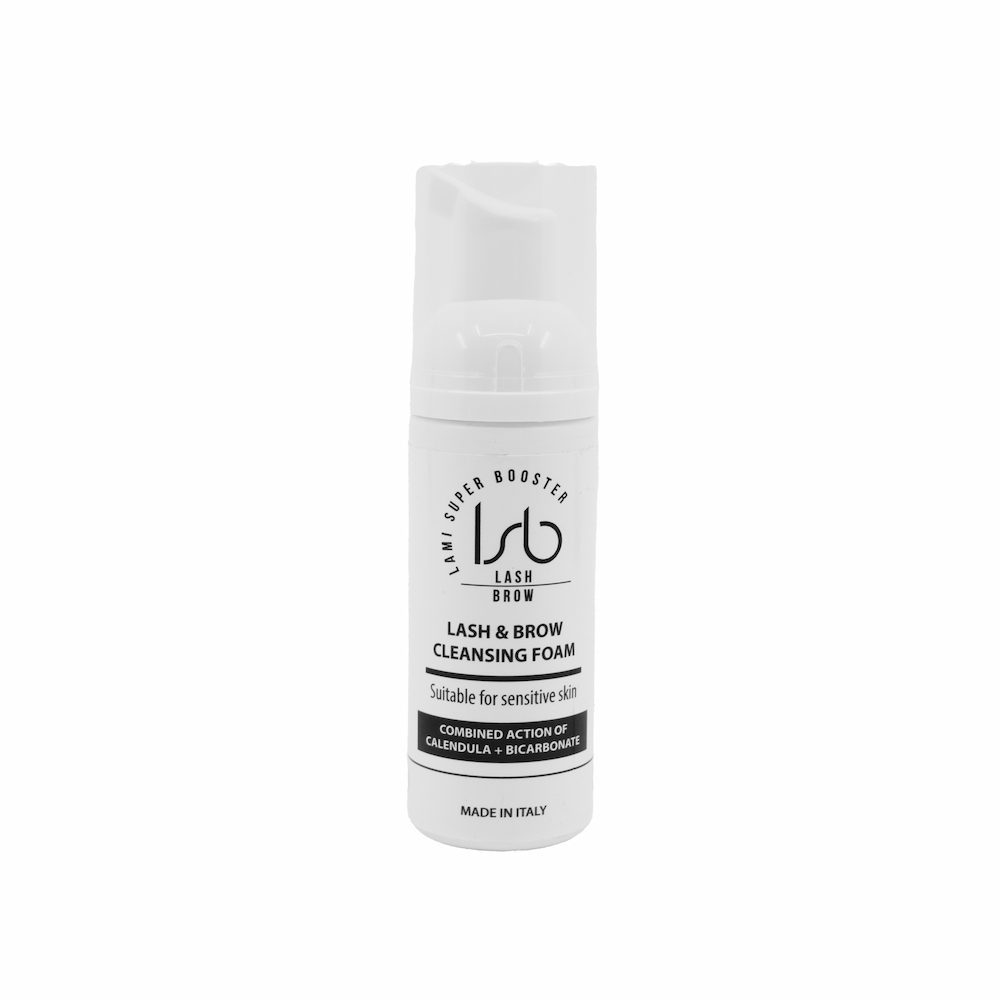
To ensure the mapping stays crisp during the procedure, the skin must be free of oils and debris. A clean, matte canvas allows mapping pencils or strings to adhere properly without smudging or sliding. Using a professional cleanser ensures that the treatment area is sterile and prepared for high-precision work.
Adapting Brow Shapes to Face Geometry
A “perfect” brow is subjective; what works for one client may disrupt the proportions of another. Technicians must analyze the client’s face shape to determine the most flattering brow architecture. For round faces, the goal is to add structure and the illusion of length. Technicians should aim for high, angled arches while avoiding rounded brow shapes, as these only emphasize the circular nature of the face. Conversely, a square face with a strong jawline requires softening. In these cases, creating higher, more curved arches with a smooth, continuous flow helps to balance the angular features and create a more oval appearance.
Heart-shaped faces, which feature a wider forehead and a pointed chin, require a delicate touch to soften the overall facial proportions. Professionals should opt for soft, rounded arches and keep the brows fluffy and full to match the widest part of the face. For clients with long or oblong faces, the priority is to visually widen and shorten the face. This is achieved by focusing on straighter, horizontal brows with a low arch, ensuring the tail does not drop too low, which could inadvertently elongate the face further.
Oval and diamond face shapes require specific peak placements to maintain their inherent balance. The oval face is versatile and suits most styles, but following the natural brow line with a soft, slight arch is usually the most effective approach for maintaining harmony. Diamond faces, characterized by wide cheekbones, are best balanced by curved brows with an angled arch. The peak should be positioned just above the outer edge of the iris to lengthen the forehead and draw attention away from the width of the cheeks.
Mechanical Techniques: Waxing, Tweezing, and Threading
Once the map is established, the technician chooses the removal method based on the client’s skin sensitivity and hair type. Each method serves a specific purpose in the grooming protocol.
Professional Waxing
Waxing is the most efficient method for removing large areas of hair and fine vellus fuzz. Technicians should apply a thin, 1mm layer of high-quality wax in the direction of hair growth and remove it swiftly in the opposite direction. It is crucial to maintain firm skin tension during the pull to prevent bruising or skin lifting. For technicians performing brow lamination, it is often recommended to wax after the chemical processing. This sequence helps avoid excessive skin irritation, as the lamination solutions can sensitize the skin before mechanical hair removal takes place.
Precision Tweezing
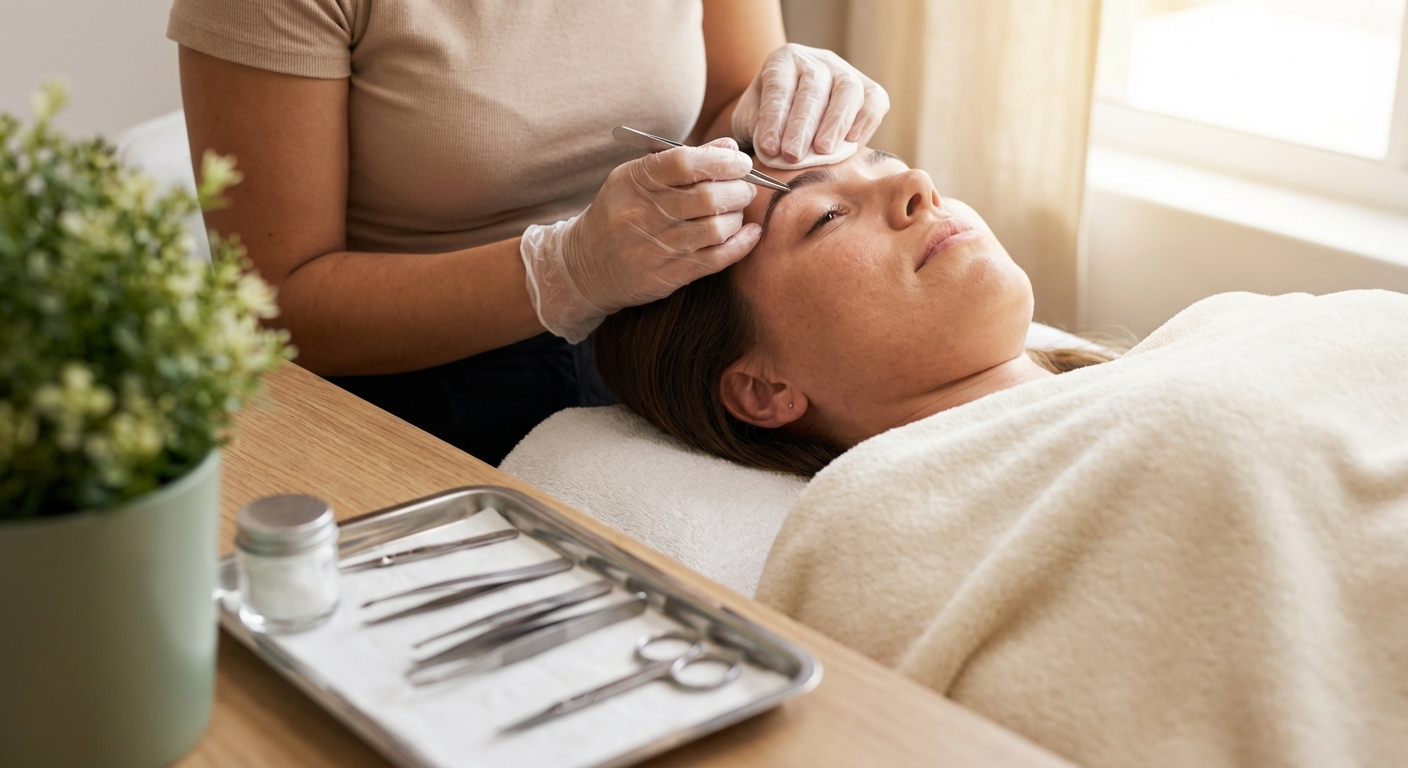
Tweezing is the gold standard for detail work and finalizing the shape. It allows for the removal of individual hairs that are too close to the mapped line for waxing or threading. Technicians should always pull the hair in the direction of growth to avoid follicle damage or the development of ingrown hairs. During complex treatments, using specialized brushes helps to isolate specific hairs and check the “flow” of the brow as you work, ensuring every hair contributes to the desired silhouette.
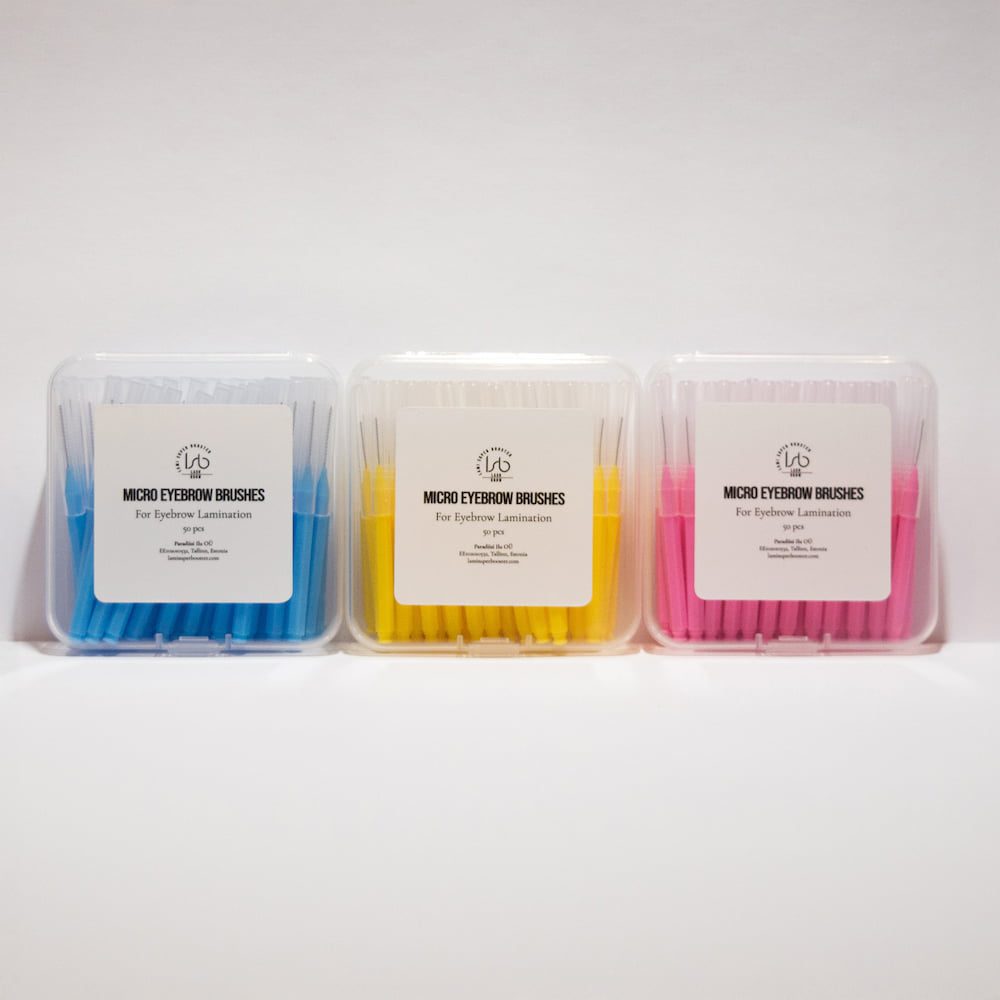
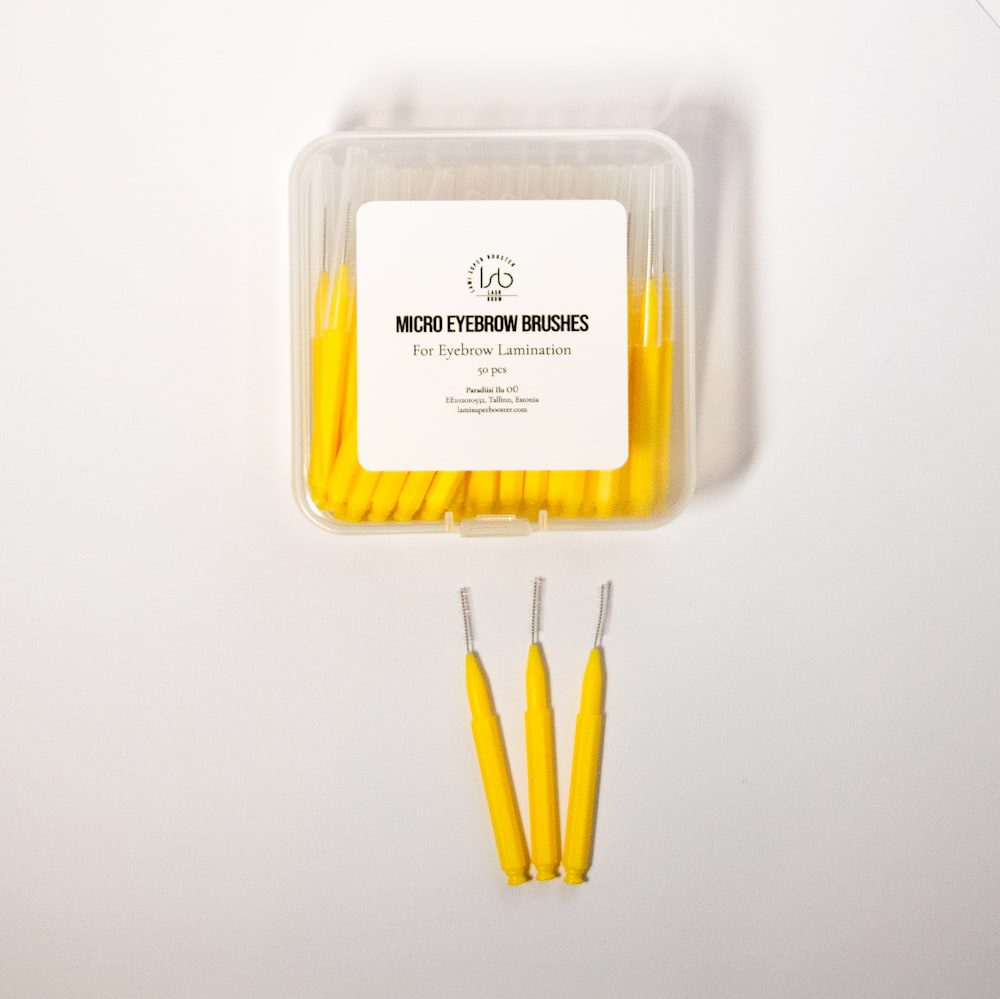
50 Micro Eyebrow Brushes
Threading and Trimming
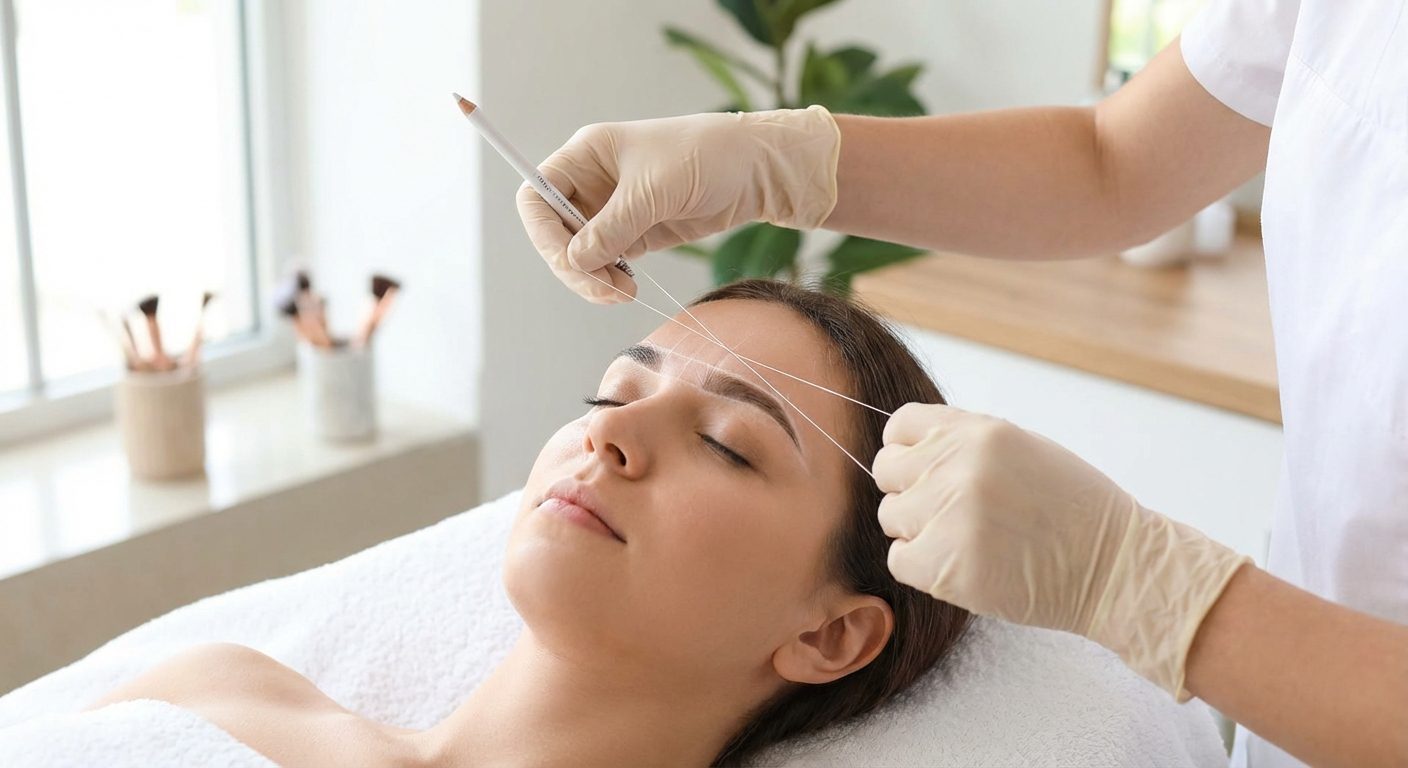
Threading offers a clean, chemical-free alternative for clients with ultra-sensitive skin or those using active skincare ingredients like retinoids. This technique provides a sharp, defined line that is difficult to achieve with waxing alone. Trimming is often the final touch in the shaping process. Technicians should brush the hairs upward with a spoolie and manage long brow hairs by cutting only the excess length that falls outside the mapped shape. It is safer to trim 1mm at a time rather than making a single, deep cut, which can create unintended gaps in the brow’s density.
Integrating Shaping with Lamination and Tinting
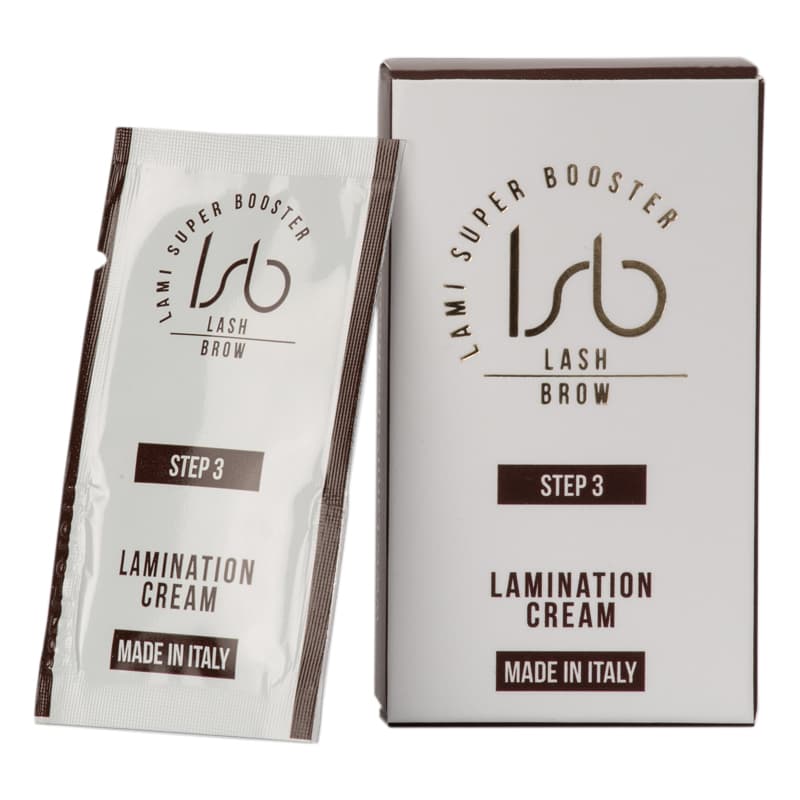
For the modern technician, shaping is rarely a standalone service and is frequently paired with professional brow kits to create a fuller, brushed-up look. When performing these treatments, the order of operations is critical. If you are using advanced systems designed for both lash and brow hair, the hairs become significantly more pliable. Shaping should typically occur after the lifting and setting lotions have been applied, as the new direction of the hair may reveal different areas that require cleaning up.

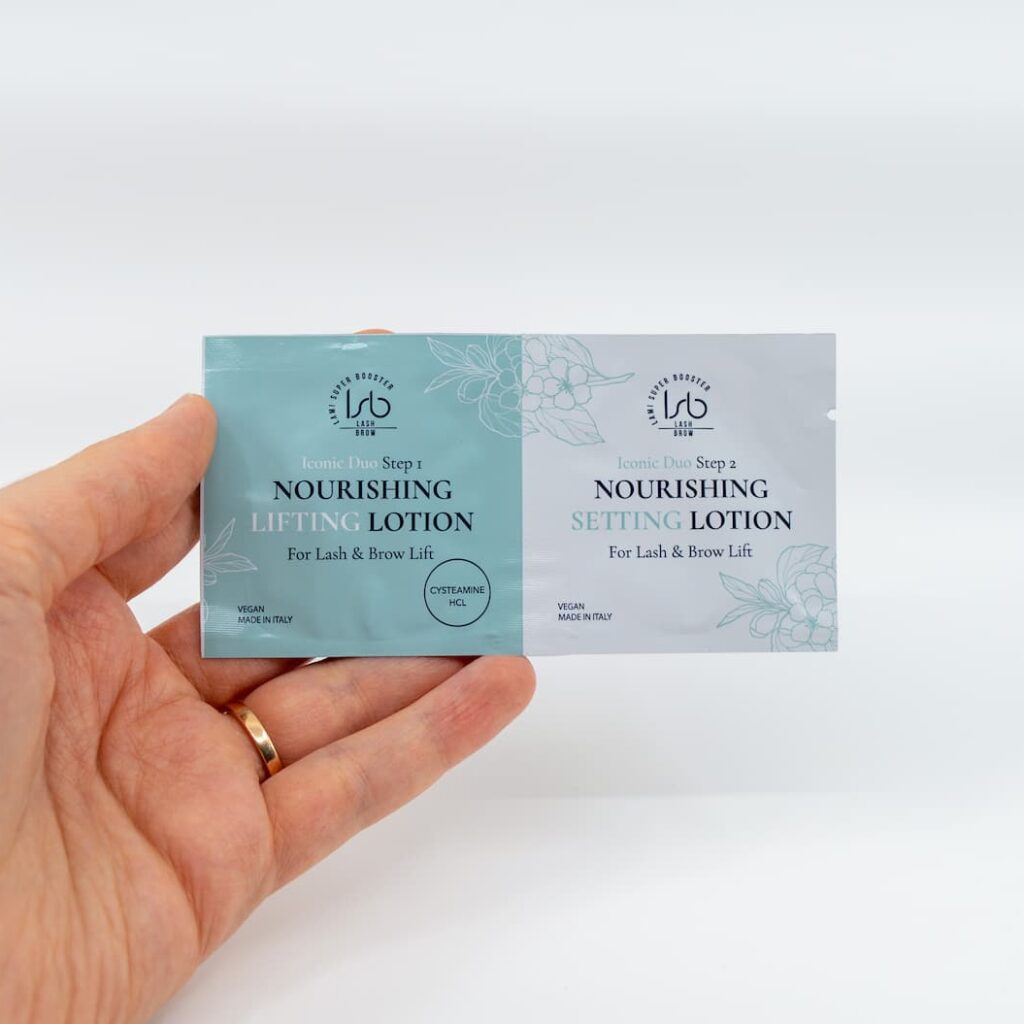
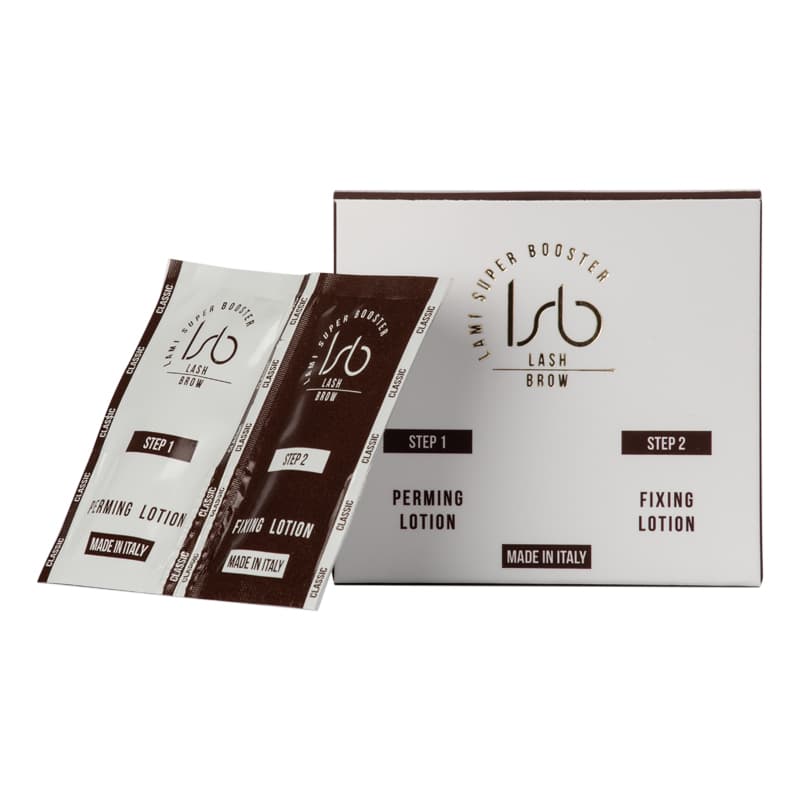
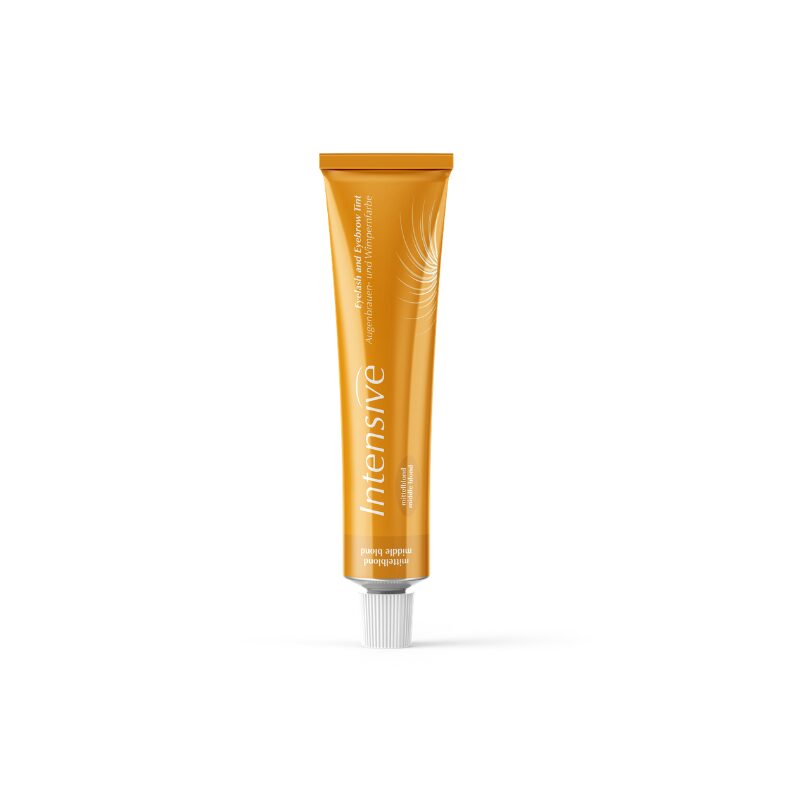
Following the shape and lamination, tinting the brows adds necessary depth and definition. Since the hair cuticle is open after lamination, the tint will take effect much faster than usual. Technicians should monitor the processing time closely, often requiring only a few minutes to achieve the desired intensity. Choosing a versatile brown shade provides a staple for various skin tones, offering definition without appearing overly harsh against the client’s complexion.

Troubleshooting and Professional Maintenance
Technicians often encounter difficult brows, such as those with stubborn cowlicks or significant asymmetry. In these cases, it is vital to rely heavily on the established mapping rather than following the natural growth pattern too closely. If a client has sparse areas, avoid the temptation to over-pluck the surrounding hairs to match the gap. Instead, use a nourishing treatment as the final step of the service to encourage hair health and suggest a long-term regrowth plan.
Safety remains the priority in every appointment. Technicians must always review the contraindications for brow treatments before starting any mechanical or chemical service. If the skin is broken or irritated, or if the client is using medications like Accutane, mechanical hair removal must be postponed to ensure the safety and integrity of the skin.
By combining precise mapping, a deep understanding of facial geometry, and high-quality professional tools, you can elevate a standard grooming session into a corrective beauty treatment. Success lies in technical precision: the tension of the skin, the angle of the trim, and the choice of products that support hair health. To further refine your skills and stock your studio with high-performance solutions, explore our range of shaping tools and accessories.