
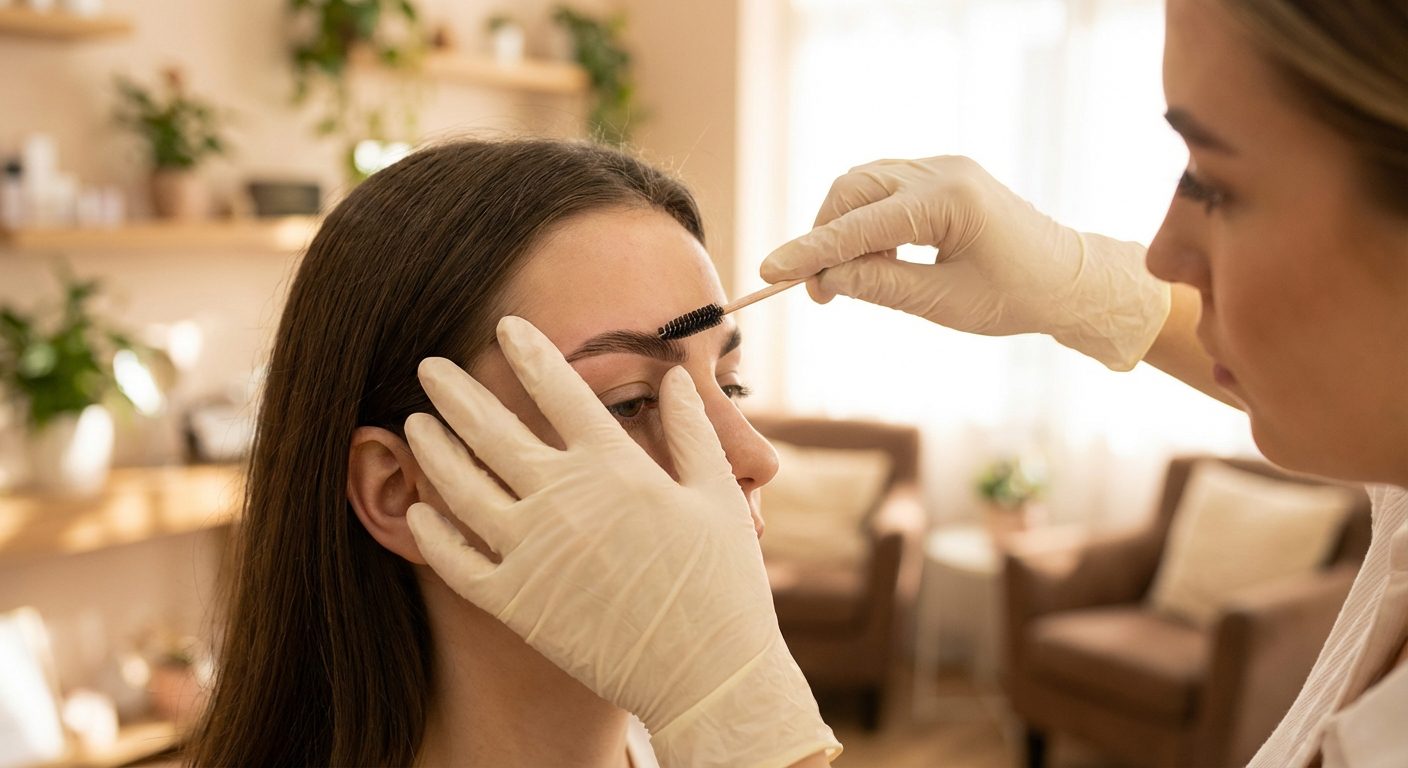
For many beauty professionals, the most common concern raised by clients is why their eyebrows have stopped growing or appear perpetually sparse. As a technician, your role extends beyond styling; you are a consultant for “brow rehab.” Helping a client transition from over-plucked or stagnant growth to a fuller, healthier brow requires a deep understanding of follicular biology, realistic timelines, and the right product protocols.
Understanding the Brow Growth Cycle
Unlike the hair on the scalp, which has an anagen phase lasting years, eyebrow hairs operate on a significantly shorter timeline. This physiological difference is why brows never reach the length of head hair. The stages of hair growth for eyebrows typically consist of three distinct periods:
- Anagen (Active Growth): This phase lasts approximately 30 to 45 days. Only about 10% of the brow hairs are in this phase at any given time, growing at a rate of roughly 0.3mm per day.
- Catagen (Transition): A brief two to three-week period where the follicle shrinks and the hair stops growing.
- Telogen (Resting/Shedding): This phase lasts between two to four months. Toward the end, the old hair falls out to make room for a new one.
A complete eyebrow growth cycle takes approximately four months to conclude. When a client complains that their brows seem stuck, they are often seeing the cumulative effects of a disrupted cycle or follicles remaining in an extended telogen phase. Since each eyebrow contains approximately 1,000 hairs with independent life cycles, the goal is to synchronize and support these follicles for a denser appearance.
Why Brow Hair Growth Slows or Stops
Several factors can impede the natural growth cycle. Identifying these during the consultation allows you to adjust your treatment plan and provide better advice to your clients. Mechanical trauma is one of the most frequent culprits; years of over-tweezing or waxing can cause traction alopecia. Constant pulling can eventually damage the dermal papilla, leading to permanent follicle dormancy or death.
Biological aging also plays a significant role. As clients age, the length of the anagen phase naturally decreases, and the proportion of follicles in the active growth stage declines. This results in hairs that are thinner and weaker than they once were. Furthermore, frequent or poorly timed chemical treatments can lead to premature shedding. It is vital to understand how often you can laminate brows – typically waiting six to eight weeks – to avoid weakening the hair structure during the sensitive catagen phase.
Medical and hormonal factors must also be considered. Conditions such as hypothyroidism, nutritional deficiencies, or autoimmune issues like alopecia areata can significantly impact density. If you notice localized bald patches or sudden total loss, it is professional practice to refer the client to a dermatologist, as these symptoms may be brow lamination contraindications that require medical clearance before further aesthetic work.
Professional Protocols to Stimulate Growth
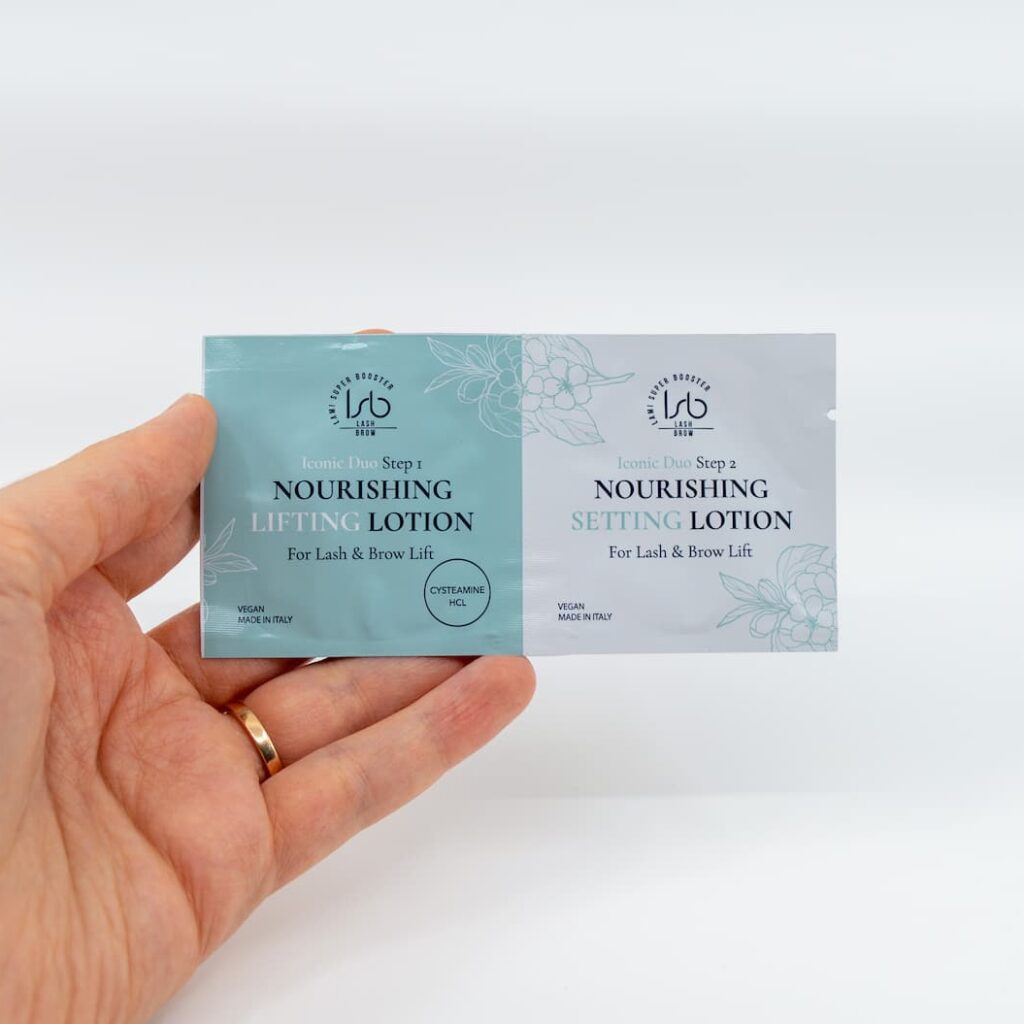
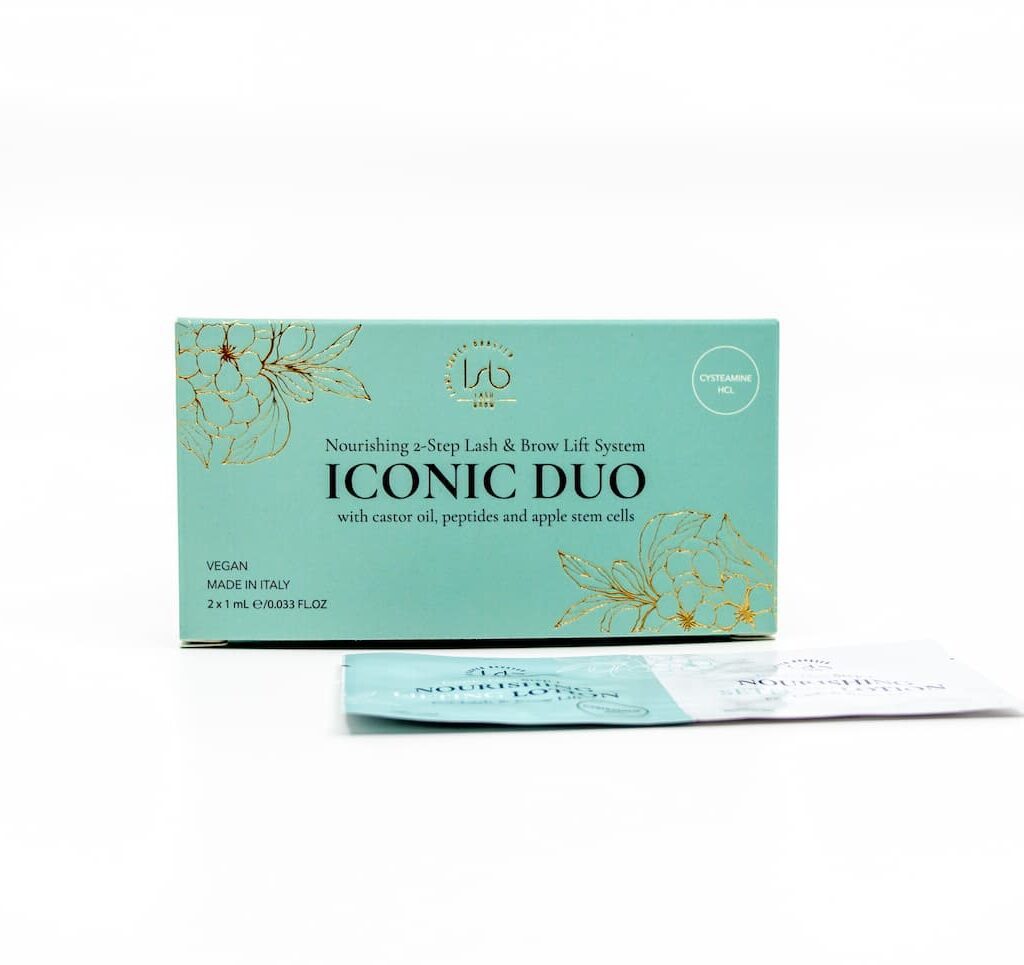
To support brow regrowth, the primary objective is to extend the anagen phase and provide the follicle with necessary nutrients. In-salon treatments should focus on maintaining the integrity of existing hair while creating the ideal environment for new growth. During a brow lamination or tinting service, use systems that incorporate active “booster” ingredients rather than just harsh chemicals.
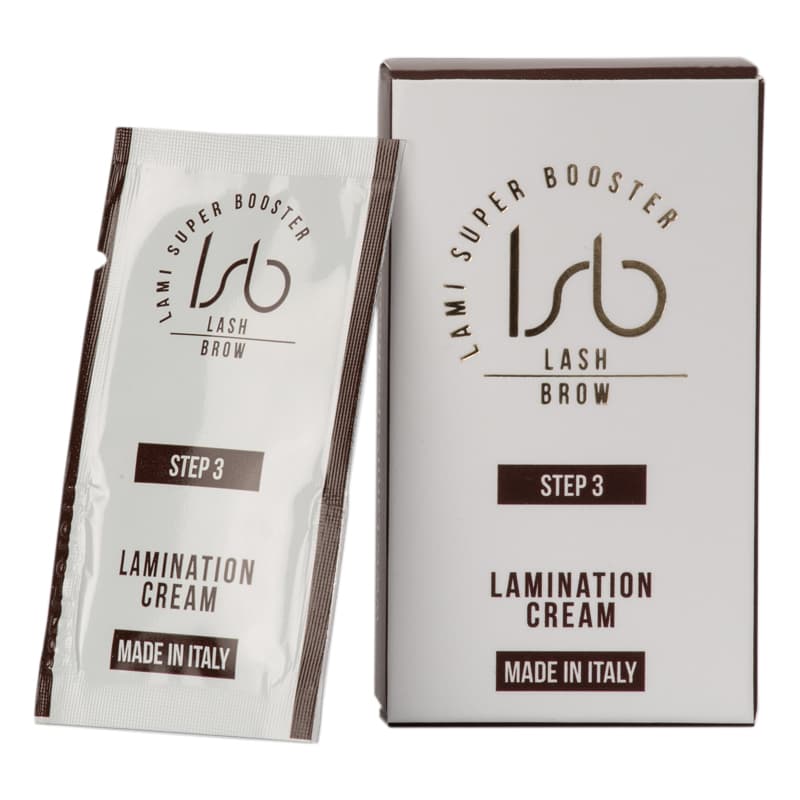
Formulas containing Biotinoyl Tripeptide-1, apple stem cells, and hydrolyzed keratin help protect the follicle and reduce breakage. When performing a lamination, applying a 1mm layer of a nourishing cream as the final step seals the cuticle and delivers essential amino acids directly into the hair shaft. This process mimics the natural sealing of the hair, making the brows appear darker and fuller instantly while providing long-term structural support.
Physical stimulation is another useful tool in a technician’s kit. Gently grooming the brows during the service can stimulate local blood flow to the follicles. This must be done with precision tools to avoid mechanical damage. Advising the client to maintain this habit at home with clean, professional tools can help sustain the results of your in-salon work.
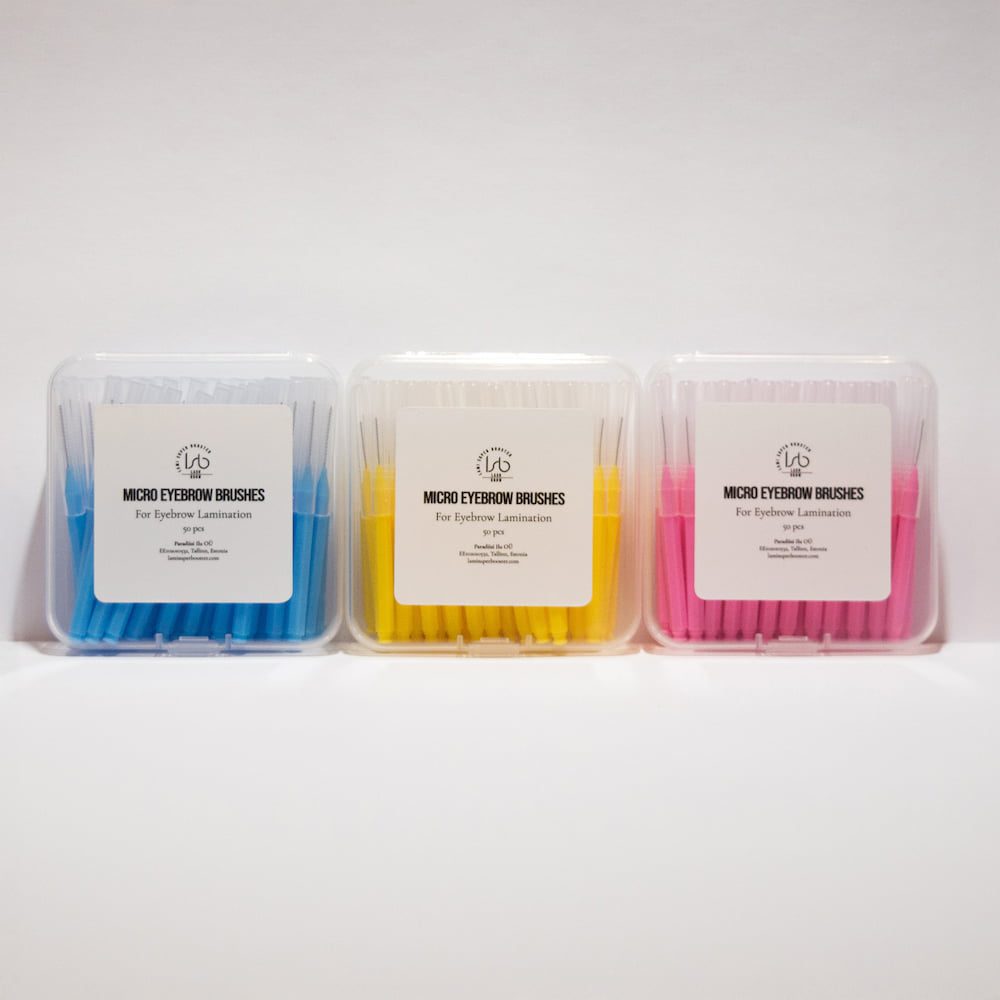
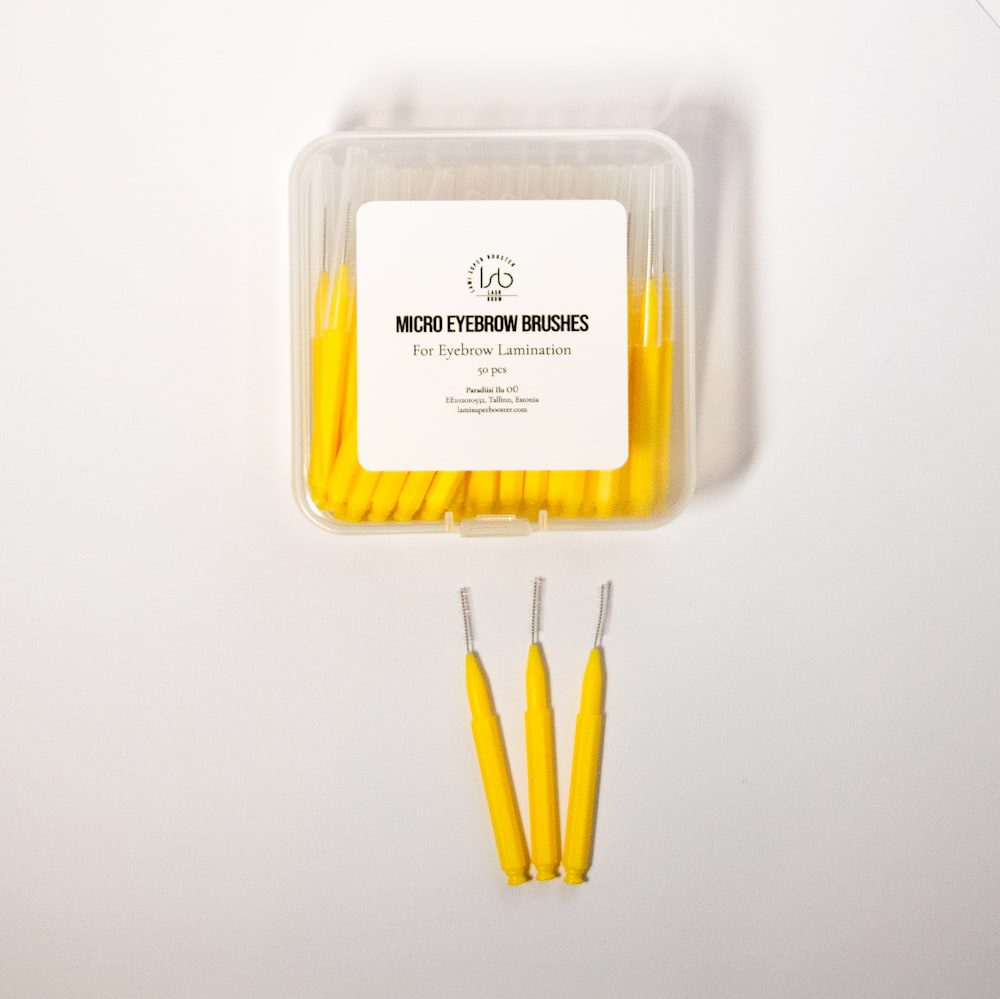
50 Micro Eyebrow Brushes
Recommended Home Care and Growth Serums
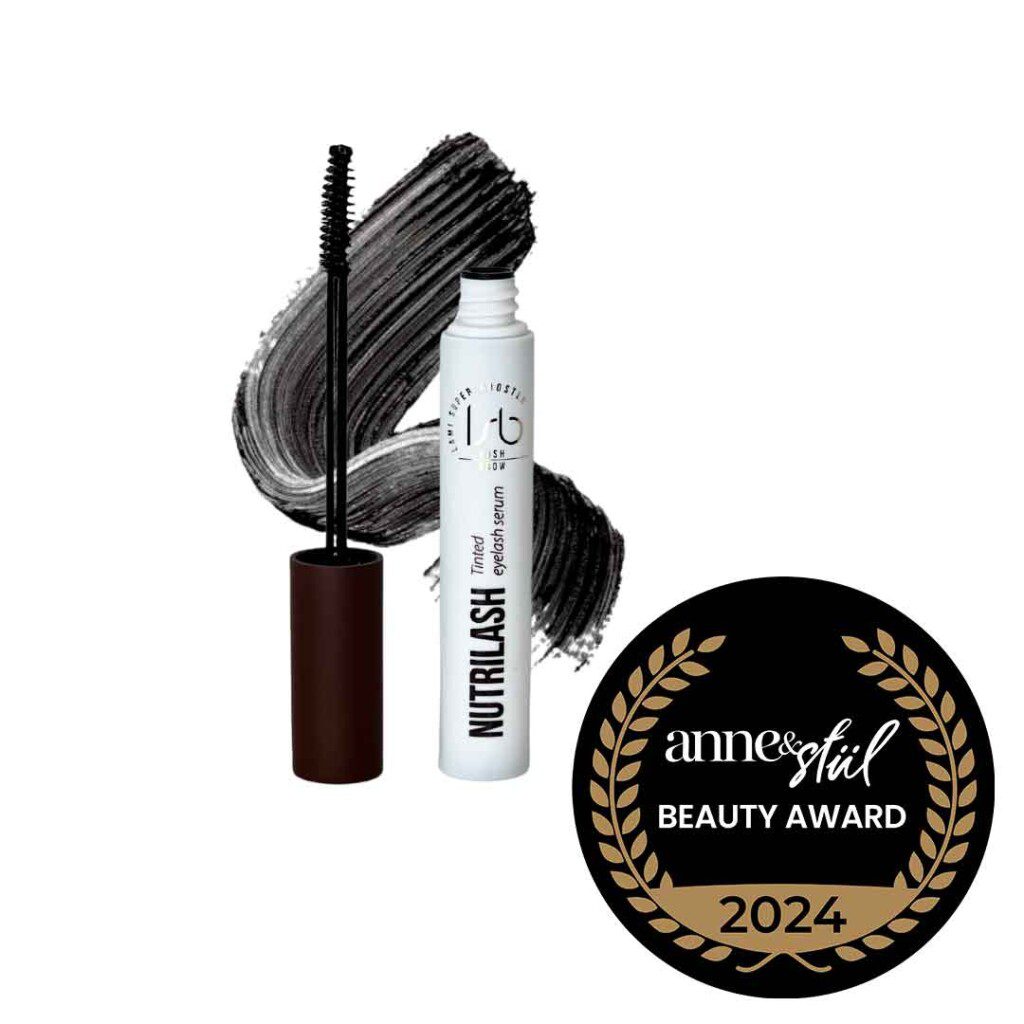
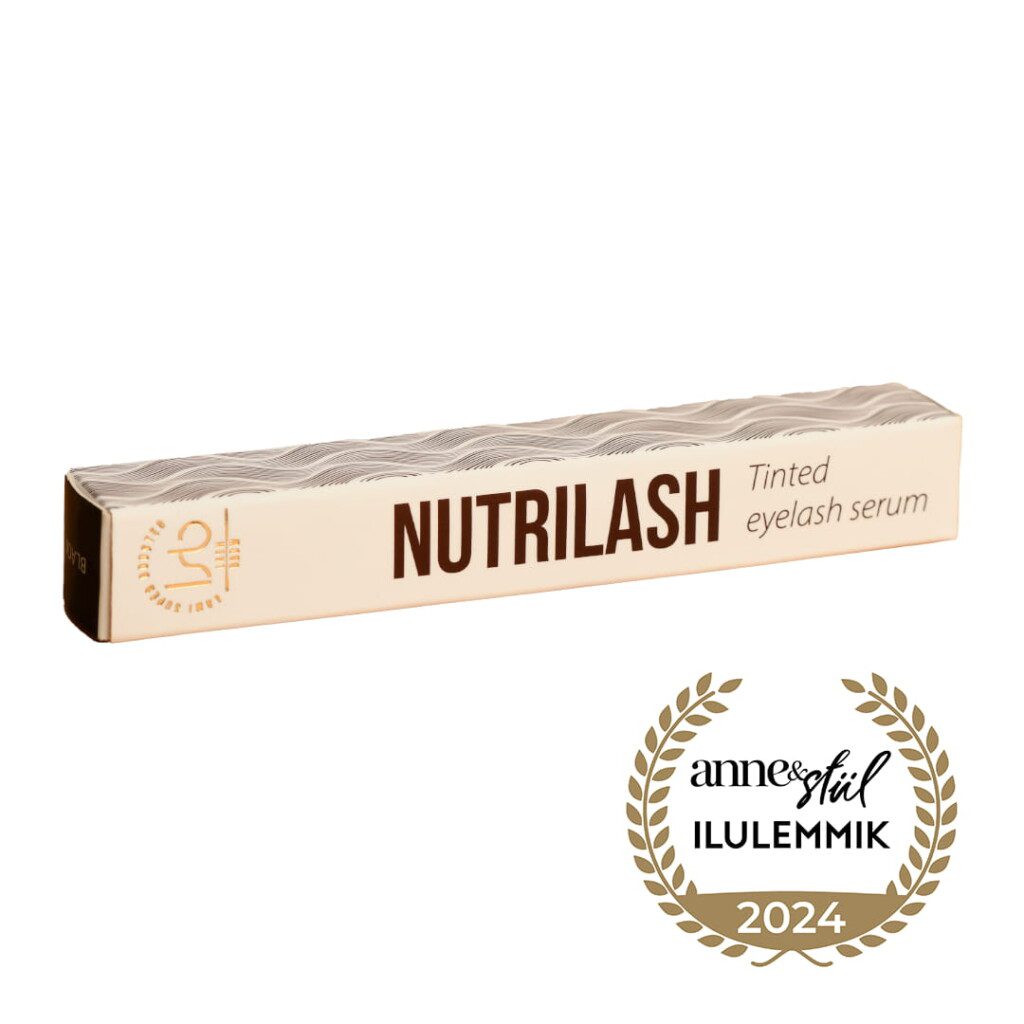
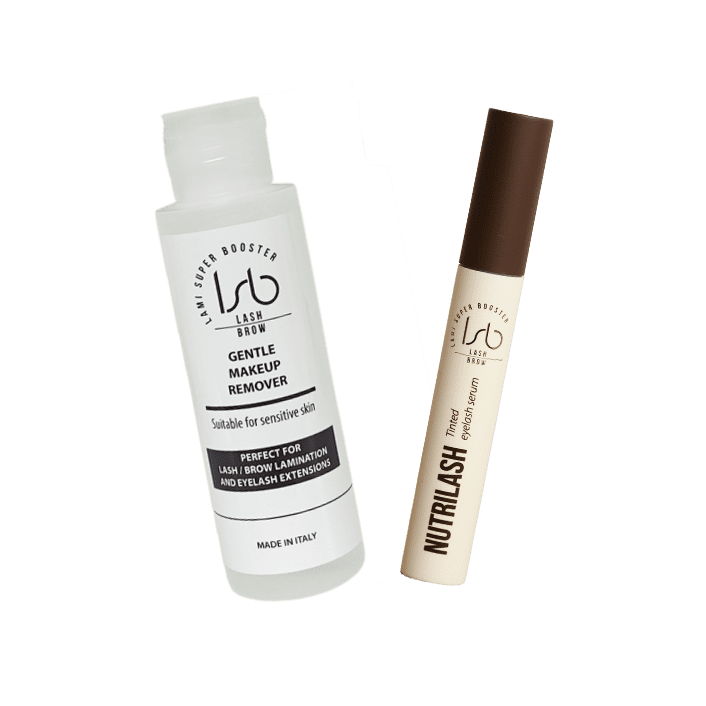
The “rehab” process happens largely at home between appointments. Clients should be guided away from heavy, single-ingredient oils and toward castor oil alternatives that contain advanced peptides and sodium hyaluronate. Unlike pure oils, which can sometimes clog follicles if not cleaned properly, professional-grade serums are designed to penetrate the skin and support the follicle directly.
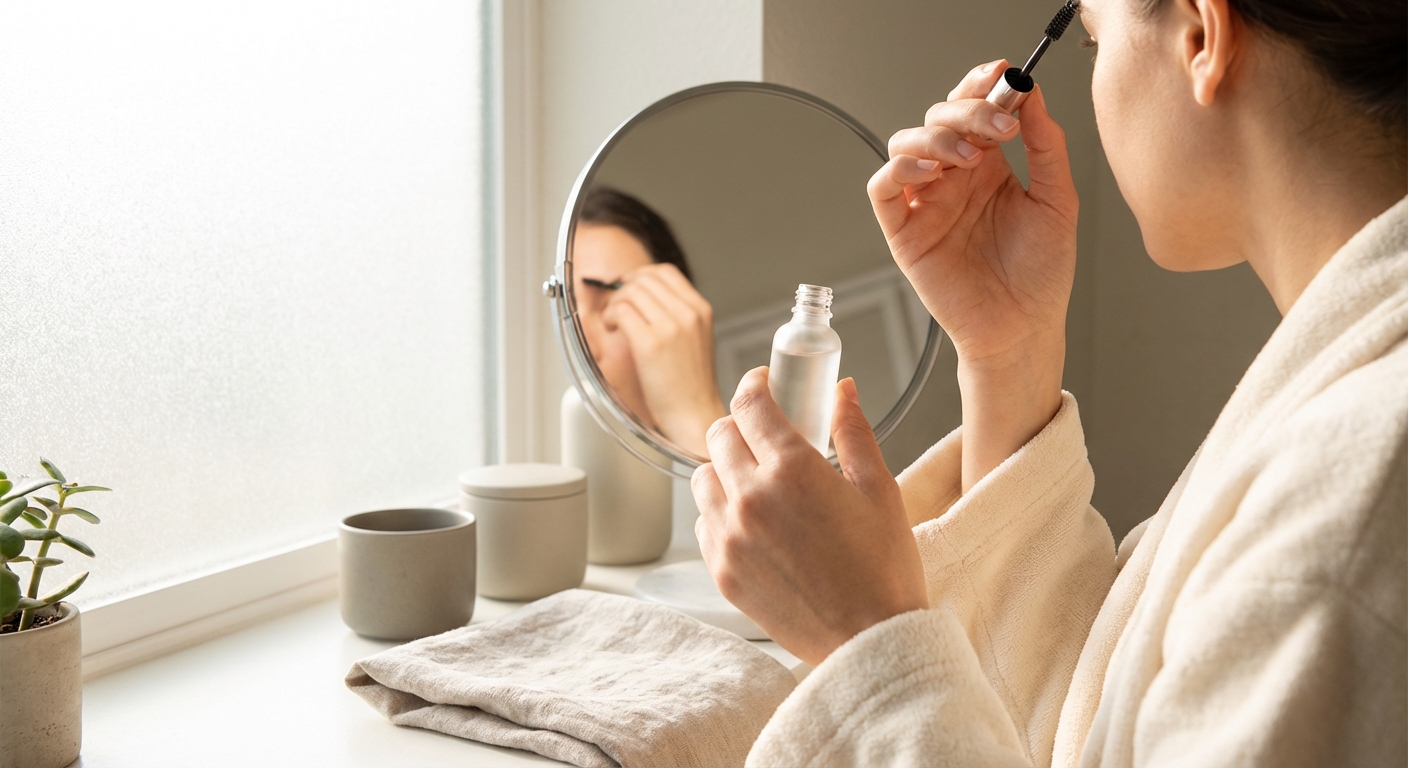
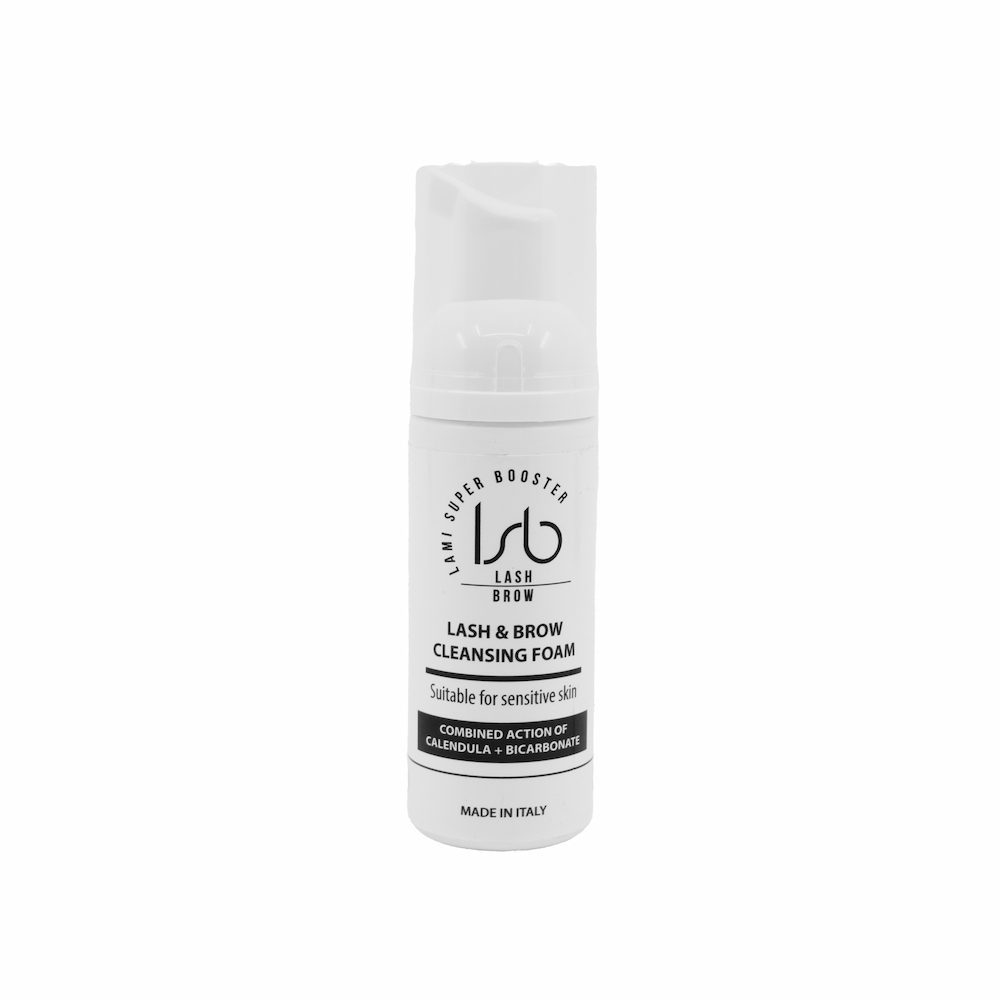
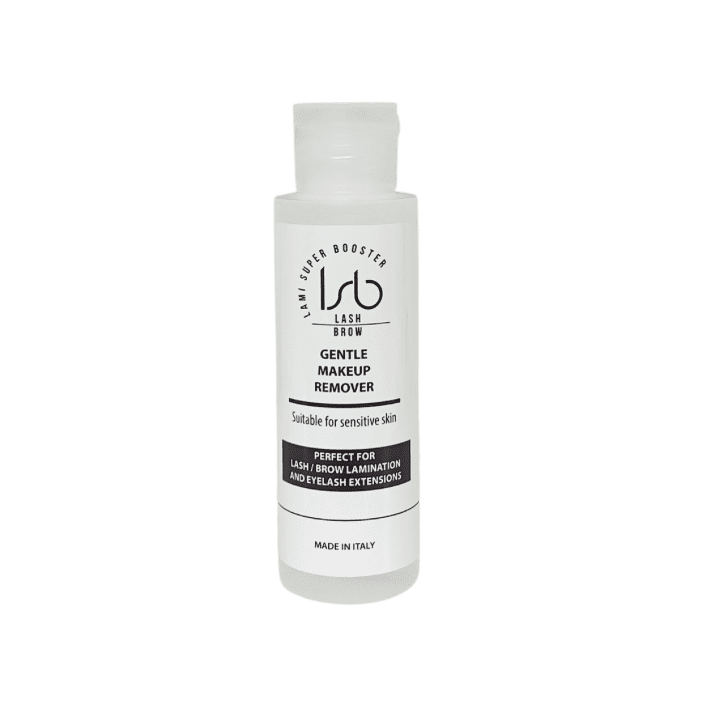
Daily cleansing is also paramount for regrowth success. Makeup residue and sebum buildup can hinder new, fine hairs from breaking through the skin’s surface. A gentle, non-greasy foam cleanser ensures the brow area remains a healthy environment for growth without compromising the bonds of any professional treatments you have performed. This is especially important after chemical services to keep the skin hydrated and free of irritation.
Realistic Timelines and Client Expectations
Education is your most powerful tool for client retention and trust. You must manage expectations by explaining that visible results from growth serums and “rehab” routines take at least three to four months – the length of one full cycle. While the client waits for new hairs to emerge, you can offer immediate aesthetic improvements.
Utilizing brow lamination for thin brows is an excellent interim solution. It allows you to reposition existing hairs to cover sparse patches, giving the illusion of fullness while the new hairs are still in the anagen phase. To ensure the best aesthetic outcome, you can also guide the client toward a good brow shape that works with their natural growth patterns rather than against them.
Successful brow growth is a partnership between the technician’s expert application and the client’s commitment to aftercare. By monitoring the hair growth cycle and adjusting treatment frequency to match, you can help even the most “over-plucked” clients achieve the density they desire. To provide the highest level of care for your clients’ brow health, ensure your kit is stocked with nourishing, peptide-rich formulas designed for both professional use and retail maintenance.