


Maintaining strict health, hygiene, and application standards is fundamental for every beauty technician. Adhering to professional safety protocols protects client eye health, reduces the risk of adverse reactions, and ensures long-lasting retention.
Workspace Preparation and Sanitation Protocols
Maintaining a clinical-grade working environment is mandatory for protecting clients against ocular bacterial infections, blepharitis, and cross-contamination. Every surface in the treatment room requires systematic decontamination between appointments.
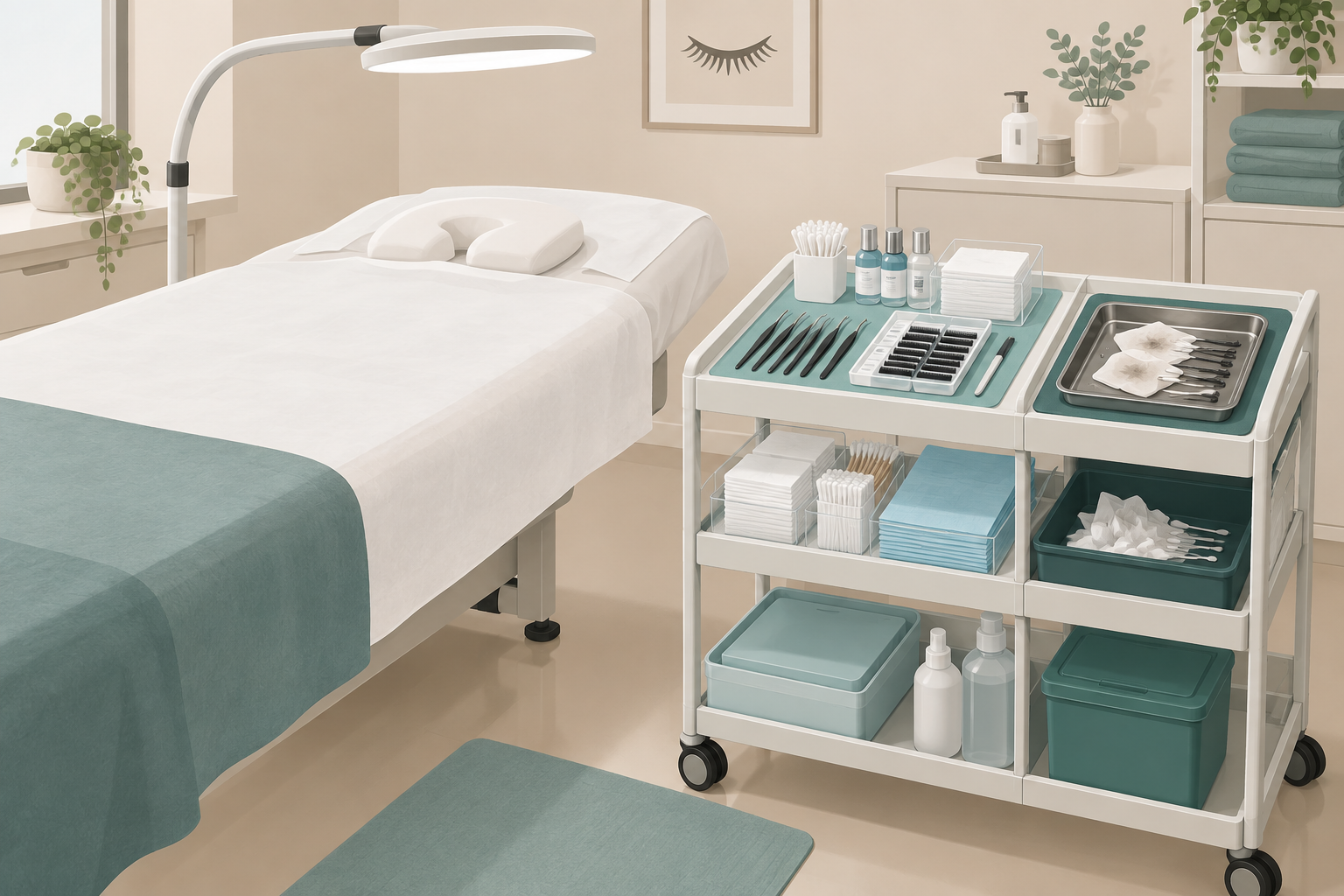
- Clean treatment tables, trolleys, and lamp handles with an EPA-registered hospital-grade disinfectant, ensuring surfaces remain wet for the full contact time specified on the product label.
- Establish distinct clean and dirty zones on your workstation to isolate sterile implements from used tools.
- Dispose of non-reusable porous items – such as cotton pads, wooden applicators, and mascara wands – immediately after a single service.
- Wash hands thoroughly with soap and water or use an alcohol-based hand rub before and after client contact, immediately following glove removal, or after touching contaminated surfaces.
- Install local exhaust ventilation to continuously manage cyanoacrylate adhesive fumes and protect both technician and client respiratory health.
Before applying extensions, thoroughly cleanse the client’s eye area to eliminate sebum, cosmetic oils, and cellular debris that weaken the adhesive bond and harbor micro-organisms.


Client Screening and Consultation
Before initiating any service, technicians must conduct a thorough lash client consultation to gather medical history, assess natural lash health, and evaluate potential contraindications. Screening safeguards the client’s eye health and establishes clear expectations.
When checking for contraindications, ensure the eye area is completely free of active ocular conditions. Conditions such as conjunctivitis, blepharitis, styes, dry eye syndrome, or recent eye surgeries within the past six months require postponing the treatment until fully resolved or medically cleared. Additionally, when treating pregnant clients, discuss potential hormonal changes that may affect lash retention or heighten skin sensitivity.
Performing structured patch testing protocols 24 to 48 hours prior to the initial service is an essential step for identifying acrylate or chemical hypersensitivity. Apply a small amount of adhesive to a discrete area behind the ear or on the outer corner lashes and monitor for redness, swelling, or itching. Document all findings, natural lash thickness and length, and obtain a signed consent form before commencing application. This diligence is integral to evaluating lash treatment risks and maintaining professional standards.
Lash Extension Application Safety Standards
Executing precise application mechanics protects the structural integrity of the natural lashes and prevents corneal or eyelid irritation. Isolation and placement require disciplined hand movement under focused illumination.
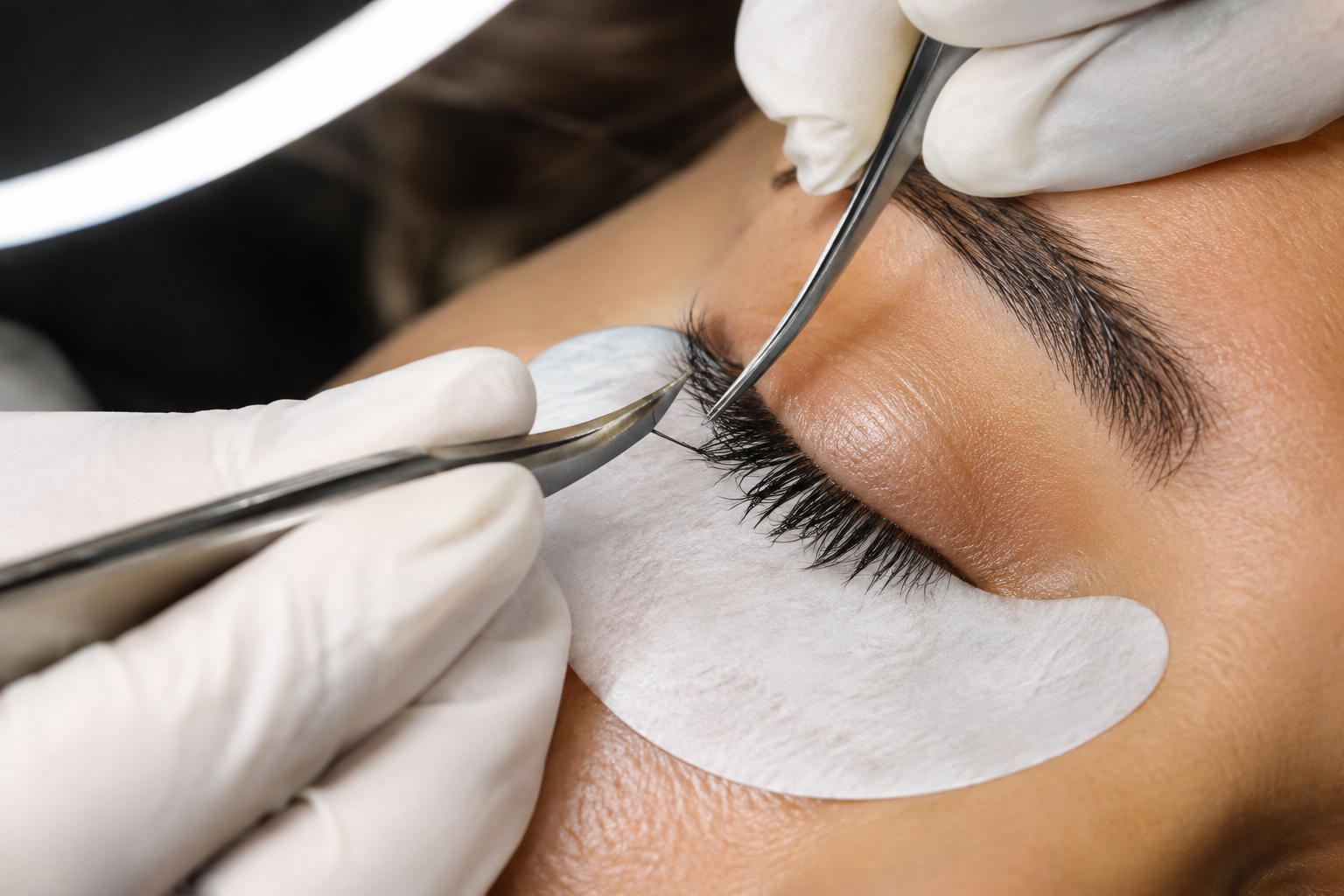
Begin by isolating the lower eyelashes using lint-free under-eye patches to prevent lower lashes from bonding to the top set during application.

Adhere strictly to key application metrics during every extension service:
- Maintain a precise 1–2mm distance between the extension adhesive and the eyelid margin to avoid direct skin contact and contact dermatitis.
- Isolate and bond to exactly one natural lash per extension or hand-made fan to prevent clumping, premature shedding, or follicular strain.
- Control adhesive volume by dipping the extension base to form a consistent 0.5–1mm adhesive bead.
- Select extension lengths that do not exceed 2mm beyond the client’s healthy natural lash length.
Using dedicated single-use micro applicators and disposable wands during separation and brush-through maintains strict hygienic isolation throughout the service.
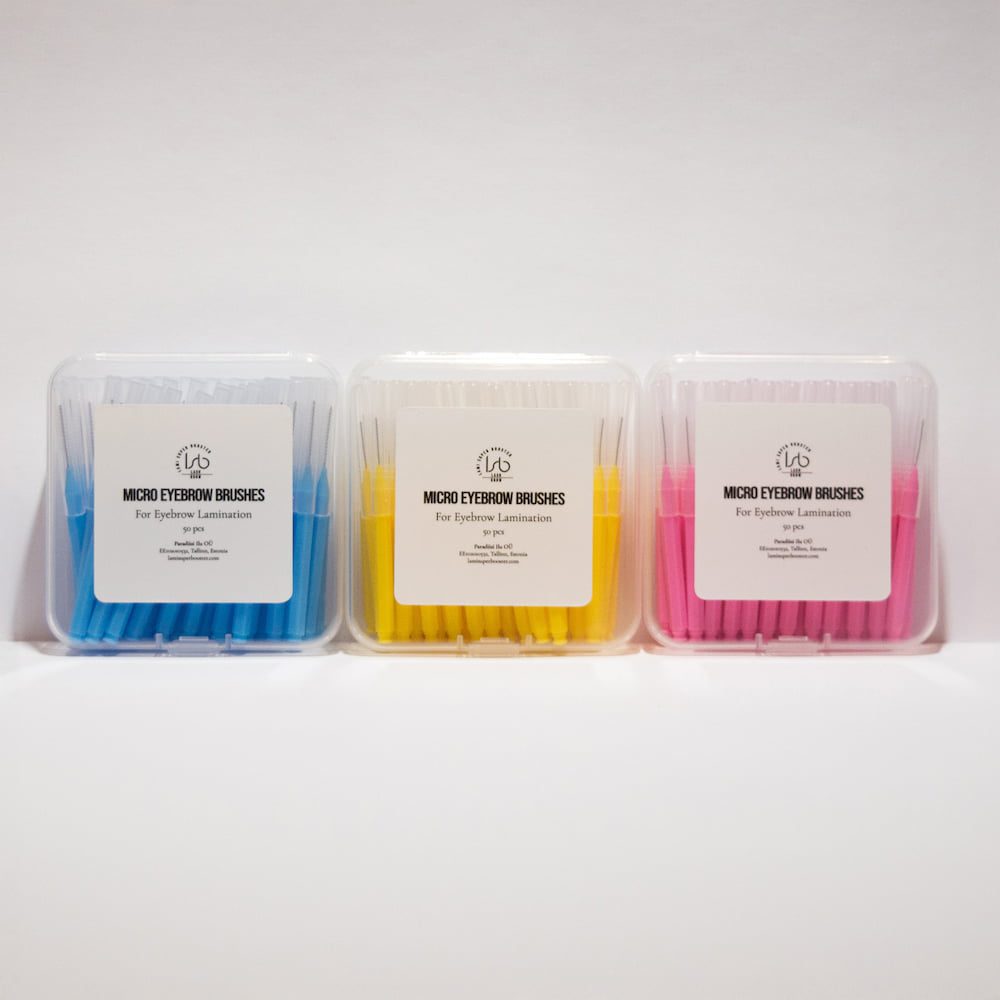
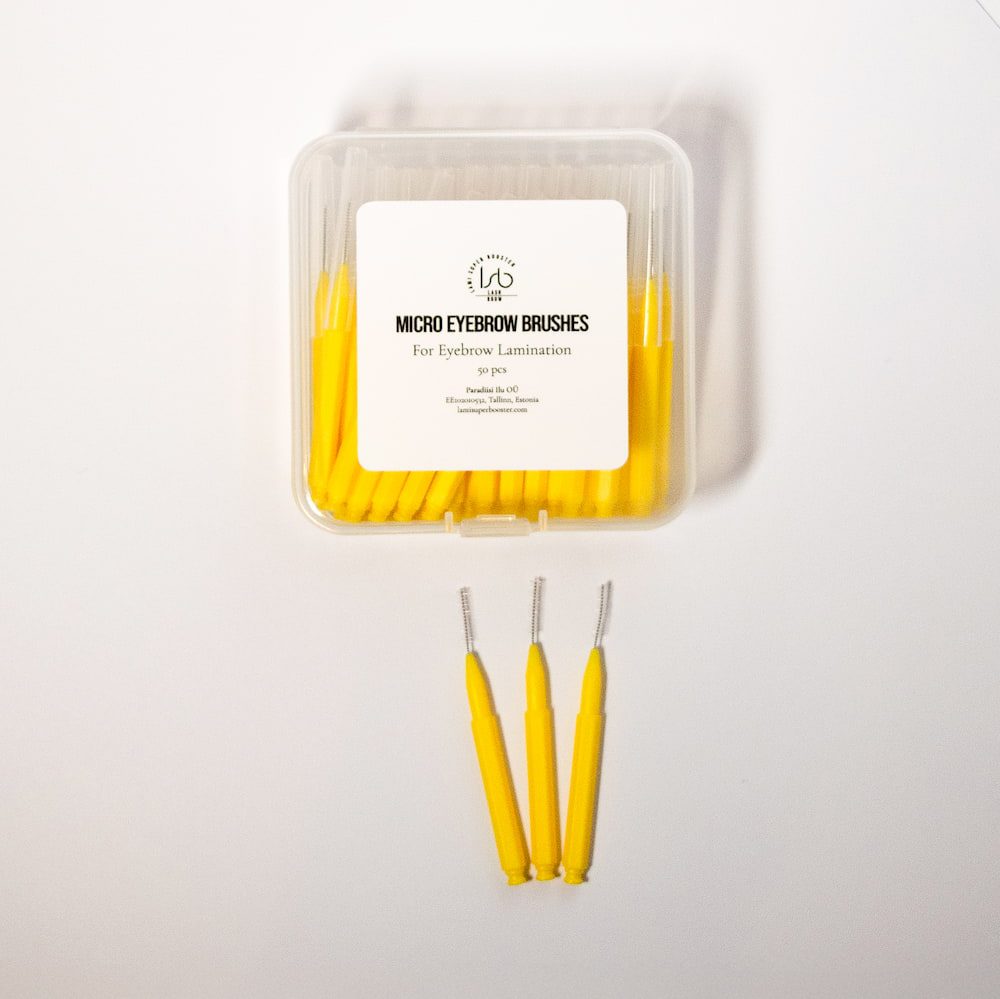
50 Micro Eyebrow Brushes
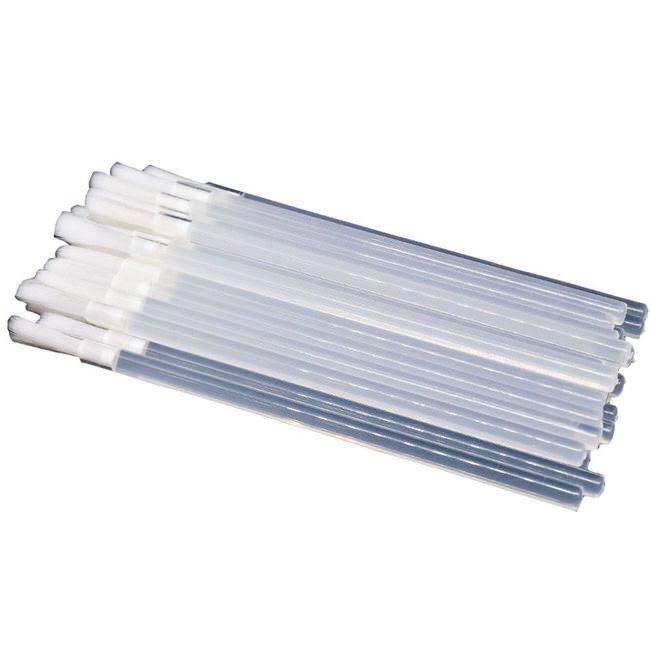


For complementary lash services like tinting, always verify product stability and follow eyelash tint safety standards. Access essential professional lash application tools and silicone lash shields to stock your treatment station with high-precision accessories.
Adhesive Storage and Chemical Handling
Cyanoacrylate adhesives are chemically reactive and temperature-sensitive. Proper storage and environmental controls maintain product integrity, cure speed, and fume stability.
- Store unopened and opened adhesives in a climate-controlled room between 18–22°C (64–72°F) with relative humidity between 45% and 60%.
- Record opening dates on the bottle label and replace open adhesive containers every 4 to 6 weeks.
- Track lot numbers and expiration dates for every chemical batch to maintain complete service traceability.
- Keep Safety Data Sheets (SDS) accessible in the salon to comply with chemical safety requirements and exposure guidelines.
Emergency Response Protocols
When an unexpected reaction or chemical contact occurs, taking immediate and systematic steps limits discomfort and prevents further complications.
If uncured adhesive contacts the skin, do not pull the skin apart or force bonded areas. Soak the affected skin with warm, soapy water to slowly loosen the cyanoacrylate bond. Acetone must never be used around the eyes, face, or mucous membranes. If accidental direct ocular contact occurs or cured adhesive fragments cause abrasive grittiness behind the eyelid, flush immediately with sterile saline solution and advise the client to seek prompt medical assessment from an eye care specialist.
Client Aftercare and Lash Maintenance
Educating clients on proper post-treatment care protects adhesive longevity and prevents bacterial buildup along the lash line. Advise clients to cleanse their extensions daily with oil-free, water-based cleansers, brushing gently with clean mascara wands once dry.
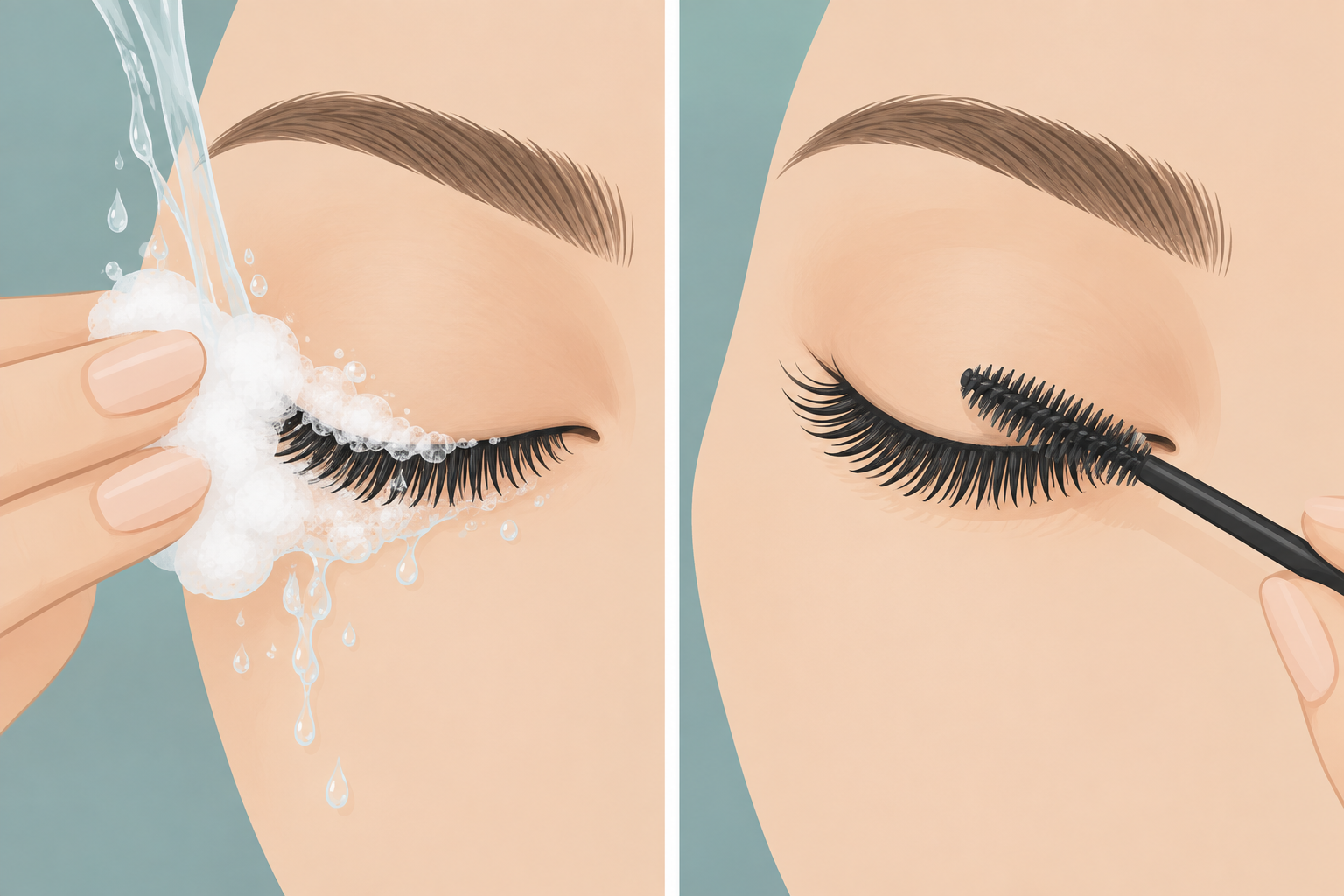
Providing clients with dedicated lash aftercare products supports healthy natural lash growth and maintains clean retention between refill appointments.
Elevating your salon’s technical standards requires a continuous commitment to hygiene, careful screening, and precise chemical control. Refresh your workstation with professional supplies, review safety protocols regularly, and explore our range of tools and aftercare essentials to deliver pristine, high-performing lash treatments.
