Brow lamination has become a staple in the beauty industry, offering a semi-permanent solution for clients seeking fuller, more disciplined eyebrows. However, for the professional technician, the chemical nature of the treatment requires a deep understanding of hair anatomy and chemical interaction. When the process is mismanaged, it can lead to structural damage, ranging from minor frizz to severe hair shaft breakage. Understanding the technical causes of over-processing is essential for any professional looking to provide consistent, high-quality results while maintaining the integrity of the client’s brows.
Understanding the Chemical Mechanism
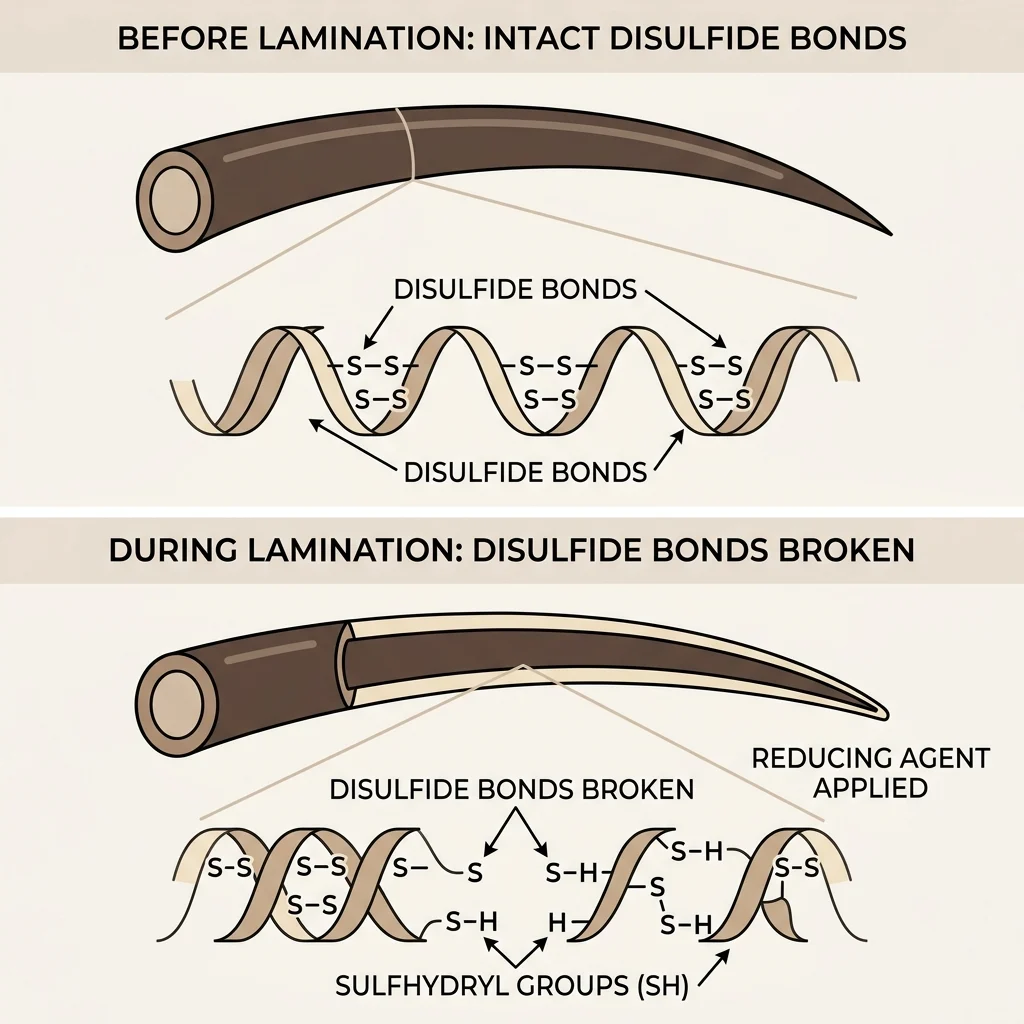
The transformation of the brow hair relies on the manipulation of disulfide bonds, which are the strongest chemical bridges within the hair’s keratin structure. During the lifting phase, a reducing agent – typically Ammonium Thioglycolate or Cysteamine HCl – is applied to break these covalent bonds. This process, known as reduction, transforms the rigid disulfide bridges into malleable sulfhydryl groups. This state of temporary “disorder” allows the technician to reposition the hair into the desired shape.
However, this chemical breakdown is not without risk. If the curling lotion is left on for too long or applied to compromised hair, the reduction process goes beyond the necessary limit. This leads to cuticle damage and an altered keratin structure, specifically affecting the alpha-helical organization of the hair proteins. When the internal structure is excessively weakened, the hair loses its elasticity and structural support, leading to the common signs of chemical damage.
Identifying Over-Processed Brows
Recognizing brow lamination gone wrong is critical for immediate troubleshooting. Over-processed hair often presents as dry, crispy, or brittle to the touch. In more severe cases, you may notice significant frizz or “singed” ends where the hair has reacted too strongly to the alkaline solution. Visible breakage or shedding during the grooming phase is a clear indicator that the hair’s internal bonds have been compromised.
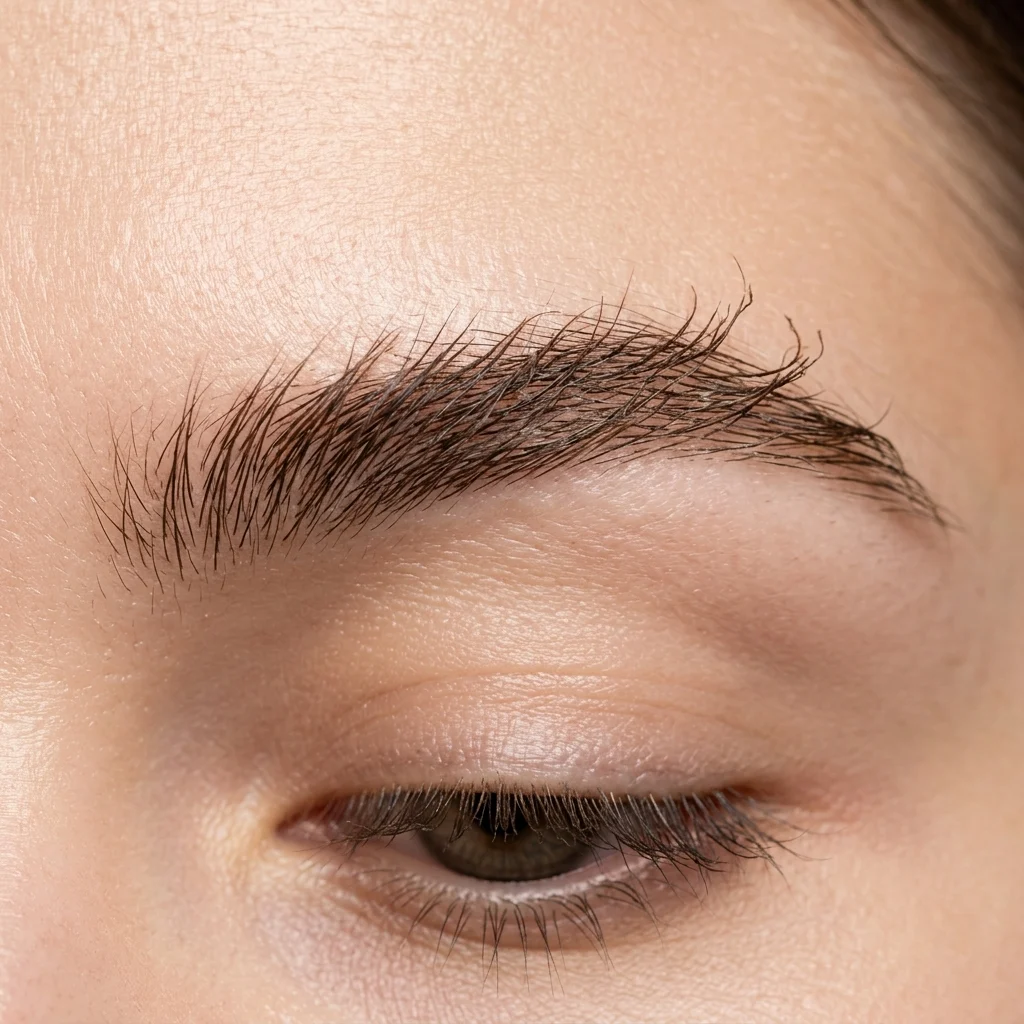
Technicians should also look for an overly lifted appearance where the hair looks unnaturally stiff or “plastered” to the skin. If the client experiences persistent redness, stinging, or inflammation during or after the service, it may indicate that the solution has interacted poorly with the skin or was applied despite existing brow lamination contraindications. In extreme cases, improper application can lead to a chemical burn from brow lamination, which requires immediate cessation of the treatment and medical consultation.
Primary Causes of Structural Damage
The most common cause of damage is an incorrect assessment of the hair type and subsequent miscalculation of processing times. Thin or fine brow hair is significantly more porous and requires much shorter exposure to chemicals than thick, coarse hair. Relying on a “one size fits all” timing approach is a frequent procedural error. Furthermore, environmental factors such as room temperature and humidity can accelerate the chemical reaction, leading to faster processing than anticipated.
Another significant factor is the failure to monitor the hair during the treatment. Technicians should perform “stress tests” on the hair every few minutes to check its flexibility. If the hair is over-manipulated or brushed too aggressively while the lash chemical bonds are broken, the physical stress can cause mechanical damage on top of the chemical strain. Additionally, treating the brows too frequently – sooner than the recommended 6 to 8 weeks – does not allow the hair to fully recover its structural integrity before the next round of reduction.
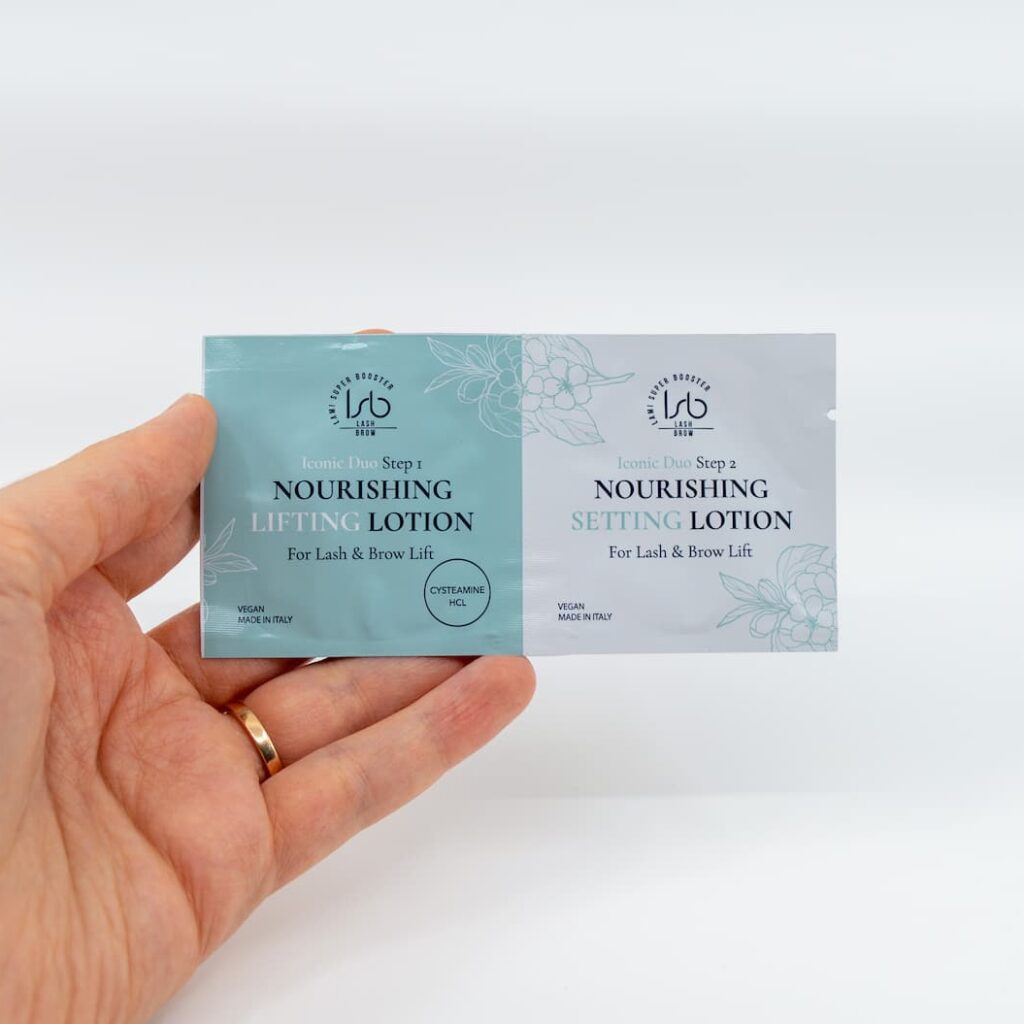
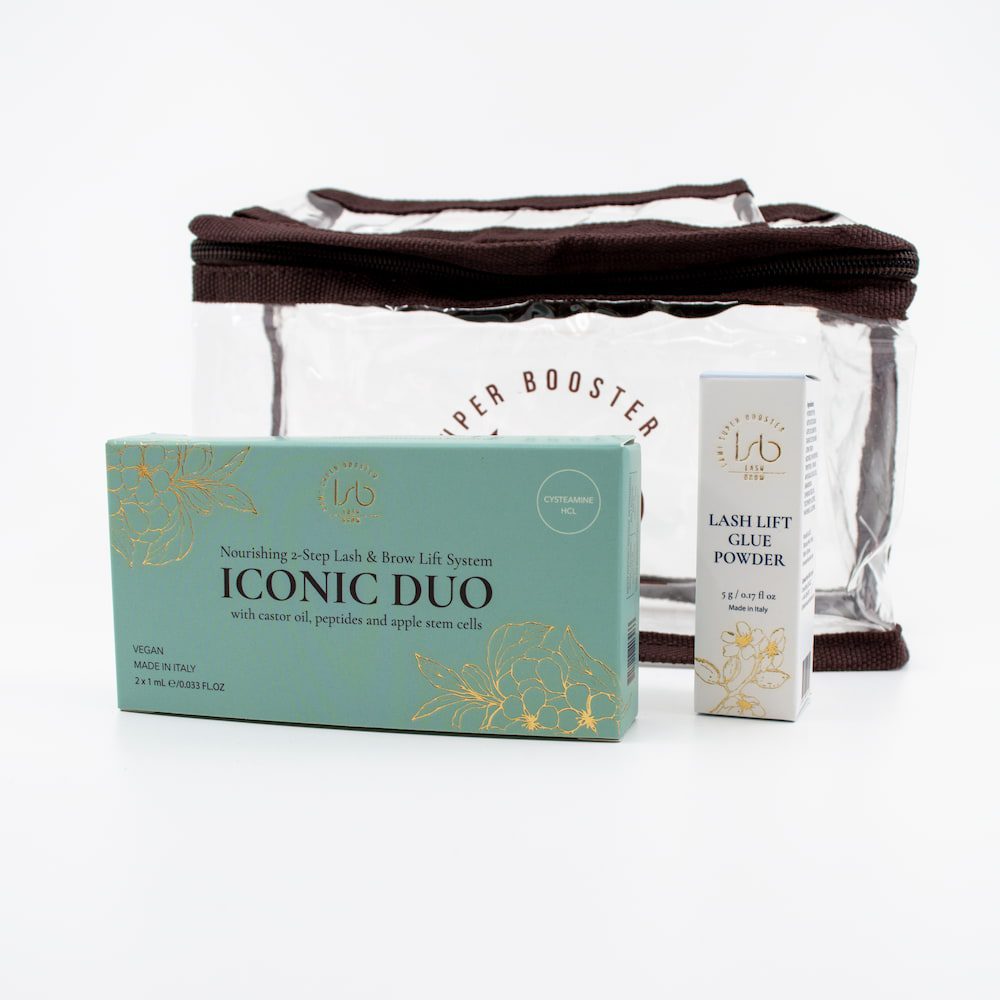
Korean Lash Lift & Brow Lamination Mini Kit
Professional Protocols for Damage Prevention
Prevention begins with a thorough consultation and a mandatory patch test at least 48 hours before the service. It is vital to screen for contraindications such as the use of Accutane within the last 12 months, or the use of Retinol, AHAs, and BHAs within the last 7 days. These products thin the skin and increase the risk of chemical injury. Furthermore, if a client has recently undergone microblading, you must wait a minimum of 4 to 6 weeks before performing a lamination to ensure the skin is fully healed.
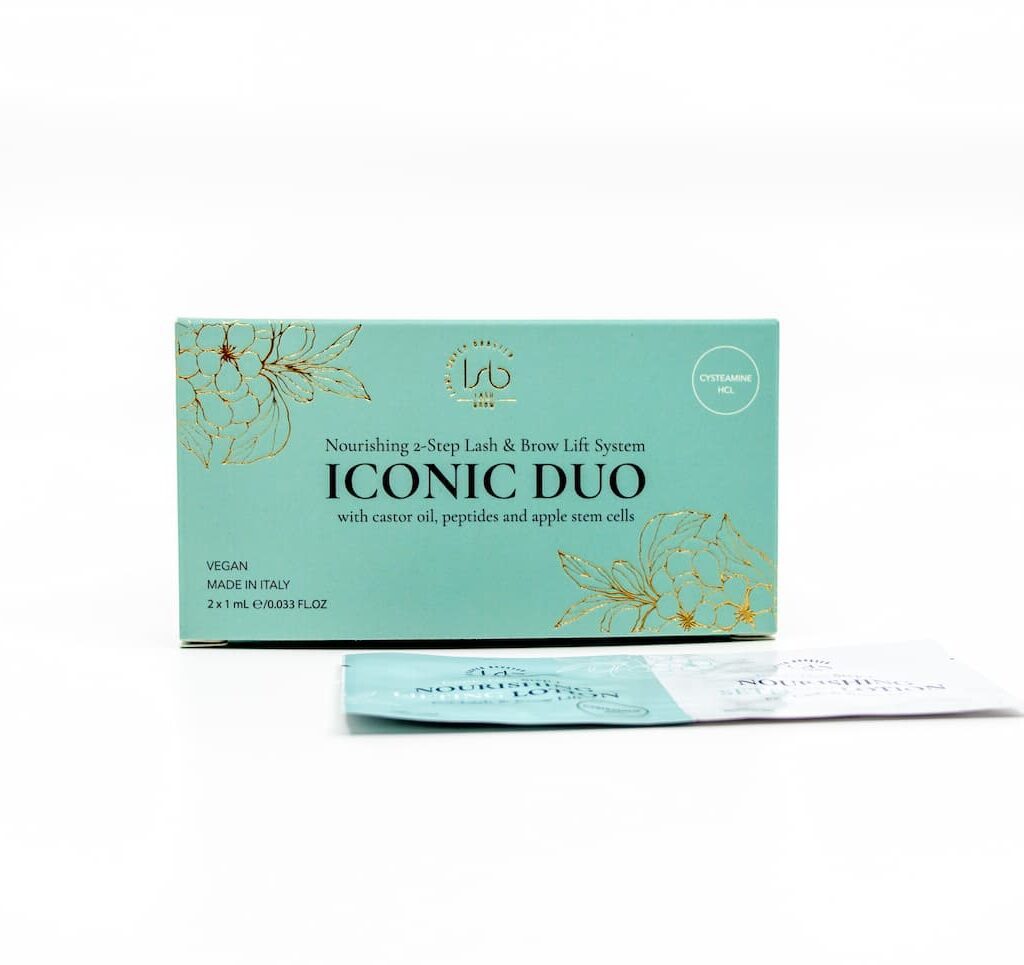
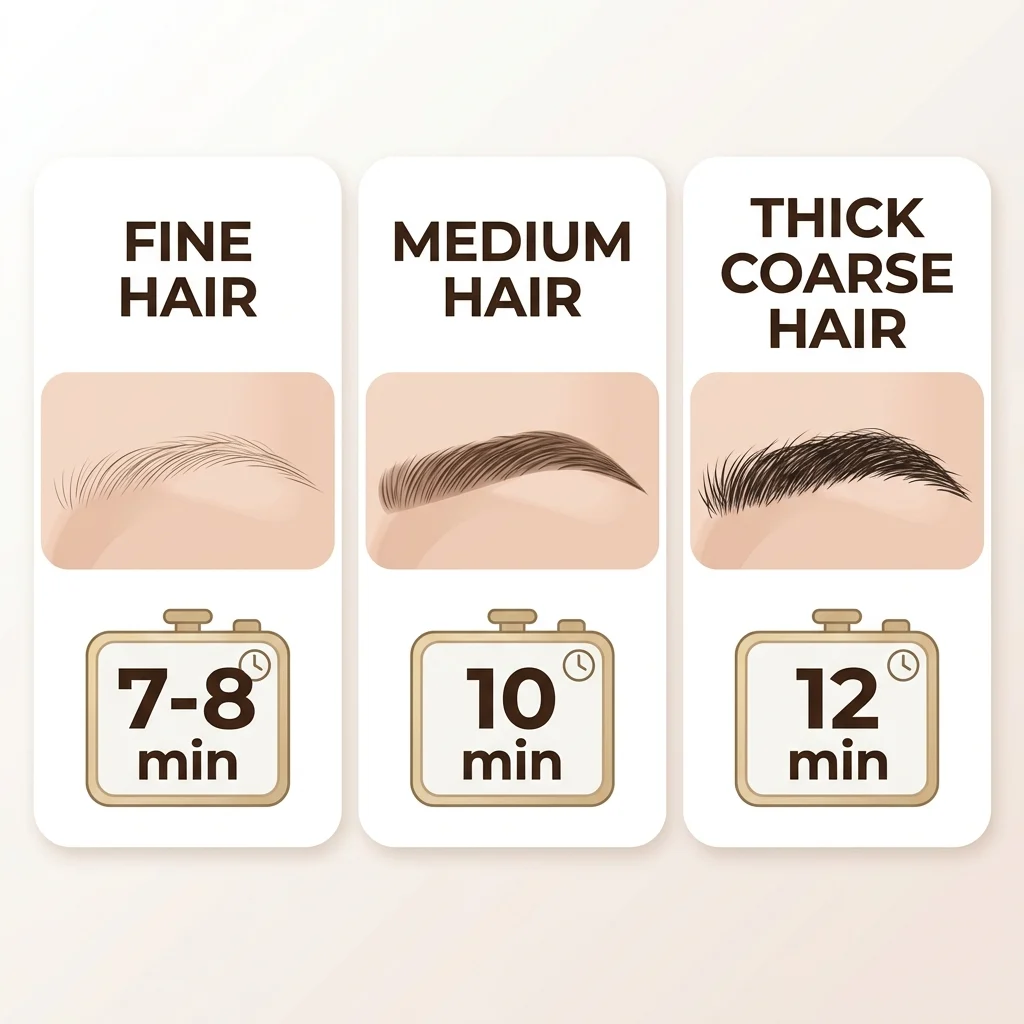
Precise timing is the technician’s best tool for safety. For classical formulations, fine hair typically requires 7 to 8 minutes, medium hair requires 10 minutes, and very thick hair may need up to 12 minutes. When using specialized systems like the Iconic Duo, these times may be shorter, often ranging from 4 to 10 minutes depending on the strength of the hair. Always err on the side of caution; it is easier to add another minute of processing than it is to reverse the effects of an over-processed brow.
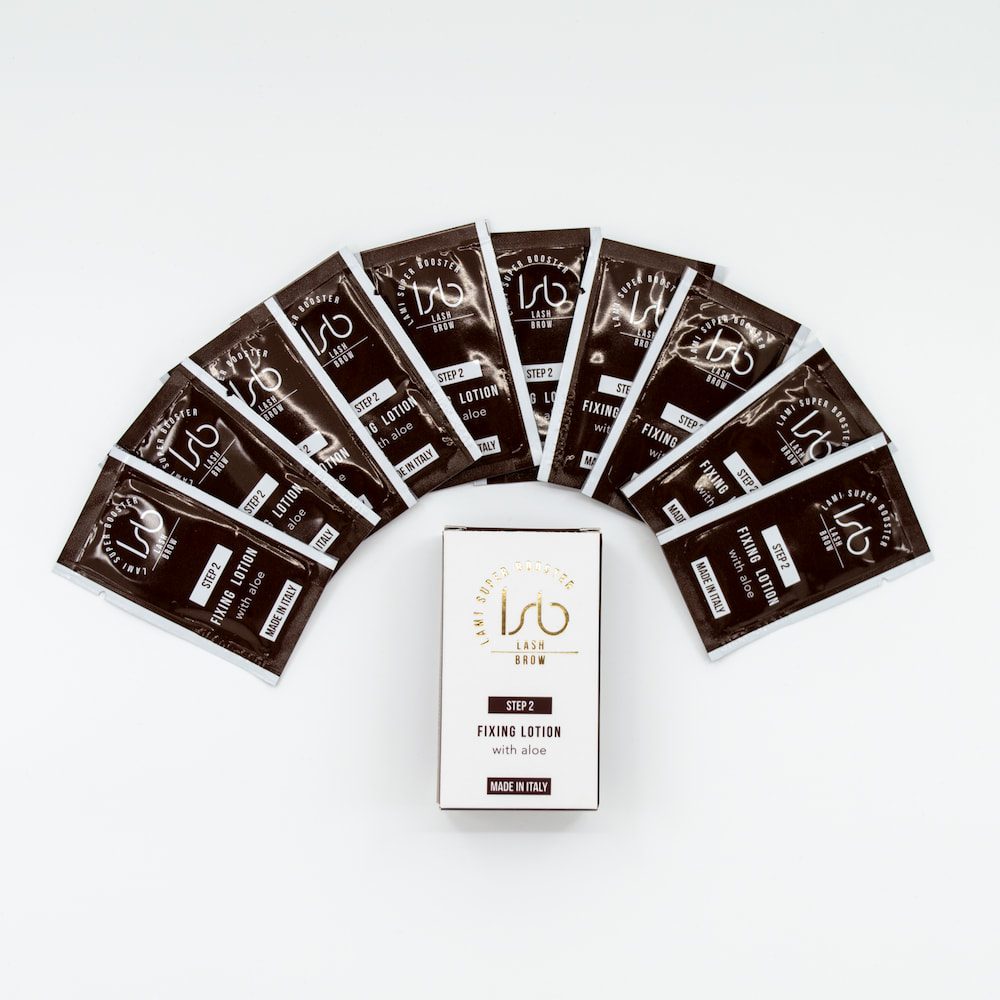
The setting phase is just as important as the lifting phase. The fixing lotion effects are what stabilize the hair by rebuilding the disulfide bonds in their new position. Skipping or rushing this step leaves the hair in a weakened, “open” state, making it highly susceptible to environmental damage. Applying an even, 1mm layer of fixing lotion ensures that the pH is neutralized and the hair structure is locked in.
Managing and Reversing Chemical Damage
If a client presents with damaged brows, the priority shifts from styling to restoration. The first rule is to stop all further chemical services, including tinting, which can further dehydrate the hair shaft. While you cannot technically “rejoin” a broken hair, you can improve the appearance and manageability of the brows through intensive nourishment.
Clients should be instructed to follow a strict brow lamination aftercare routine. This includes avoiding water and steam for the first 24 to 48 hours to allow the bonds to fully stabilize. Beyond that window, the daily application of a nourishing serum or oil is essential. Ingredients like keratin, argan oil, and jojoba oil help to seal the hair cuticle and mimic the hair’s natural lipids, providing a protective barrier and reducing the appearance of frizz.
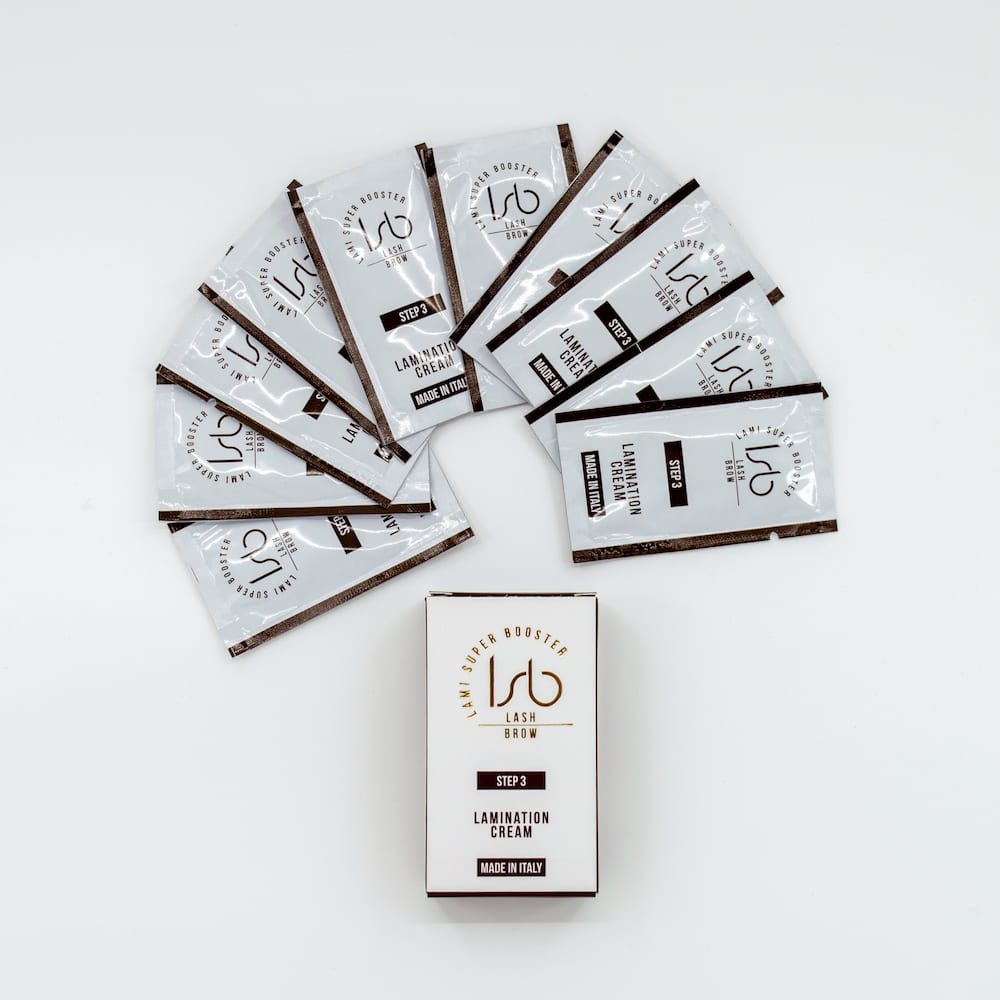
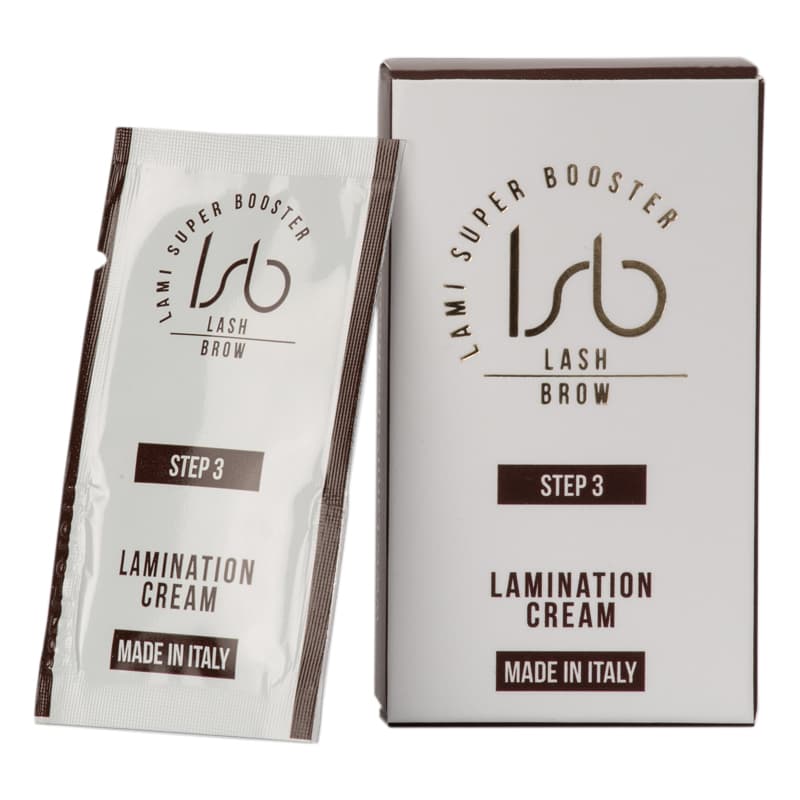
Achieving the perfect brow lamination is a balance of chemistry, timing, and hair health assessment. By adhering to strict processing protocols and prioritizing the structural integrity of the hair over aggressive styling, you can deliver the lifted, full results your clients want without the risk of long-term damage. If you are ready to elevate your service standards with professional-grade formulations, explore our full range of brow lamination systems and nourishment essentials.