



As a beauty professional, your clients trust you not only for precise applications of lash lifts and brow laminations but also for expert advice on daily skin maintenance. A common query in the salon is how to safely and cost-effectively remove cosmetics at home without relying on harsh commercial formulas. While DIY makeup removers utilizing common household ingredients are popular among eco-conscious and budget-savvy clients, they present unique chemical and microbiological challenges.
Understanding the science behind these homemade formulations allows you to guide your clients toward safe practices that preserve the integrity of your professional work.
The Chemical Impact of Makeup Removers on Professional Treatments
To properly advise clients, you must understand how different ingredients interact with the chemical bonds of professional services.
Lash Extensions and Adhesives
Cyanoacrylate-based lash adhesives are highly sensitive to lipids. Oil-based DIY removers actively break down these adhesive bonds, leading to poor retention and premature lash loss. Evidence-based extension care emphasizes daily cleansing of the lashes with a dedicated, oil-free, water-based cleanser to remove sebum and debris while protecting the adhesive bond.
Lash Lifts and Brow Laminations
During a lash lift or brow lamination, disulfide bonds in the hair are chemically reshaped. The first 24 to 48 hours post-treatment are absolutely critical for the lift to set. Exposing the eye area to oils, heavy creams, or intensive DIY removers during this setting phase can weaken the chemical bonds, causing the curl to drop or relax prematurely. Clients should be reminded of the guidelines outlined in the lash lift aftercare guidelines and brow lamination aftercare instructions, which advise keeping lashes and brows free from cosmetics and oil-based products during the initial setting window.
Furthermore, waterproof cosmetics are highly discouraged because they require aggressive rubbing and strong, oil-based solvents to break down, both of which will ruin a lash lift or extension set. If a client experiences a poor result elsewhere and asks about safely reversing a lash lift, controlled oil application is sometimes used as a relaxation technique – but this should never be an unintended consequence of daily makeup removal.
Deconstructing DIY Ingredients: What is Safe and What to Avoid
When clients formulate their own mixtures, they often raid their kitchens for ingredients. It is vital to teach them which household elements are skin-safe and which present severe dermatological risks.
Safe Base Ingredients (For Untreated Lashes)
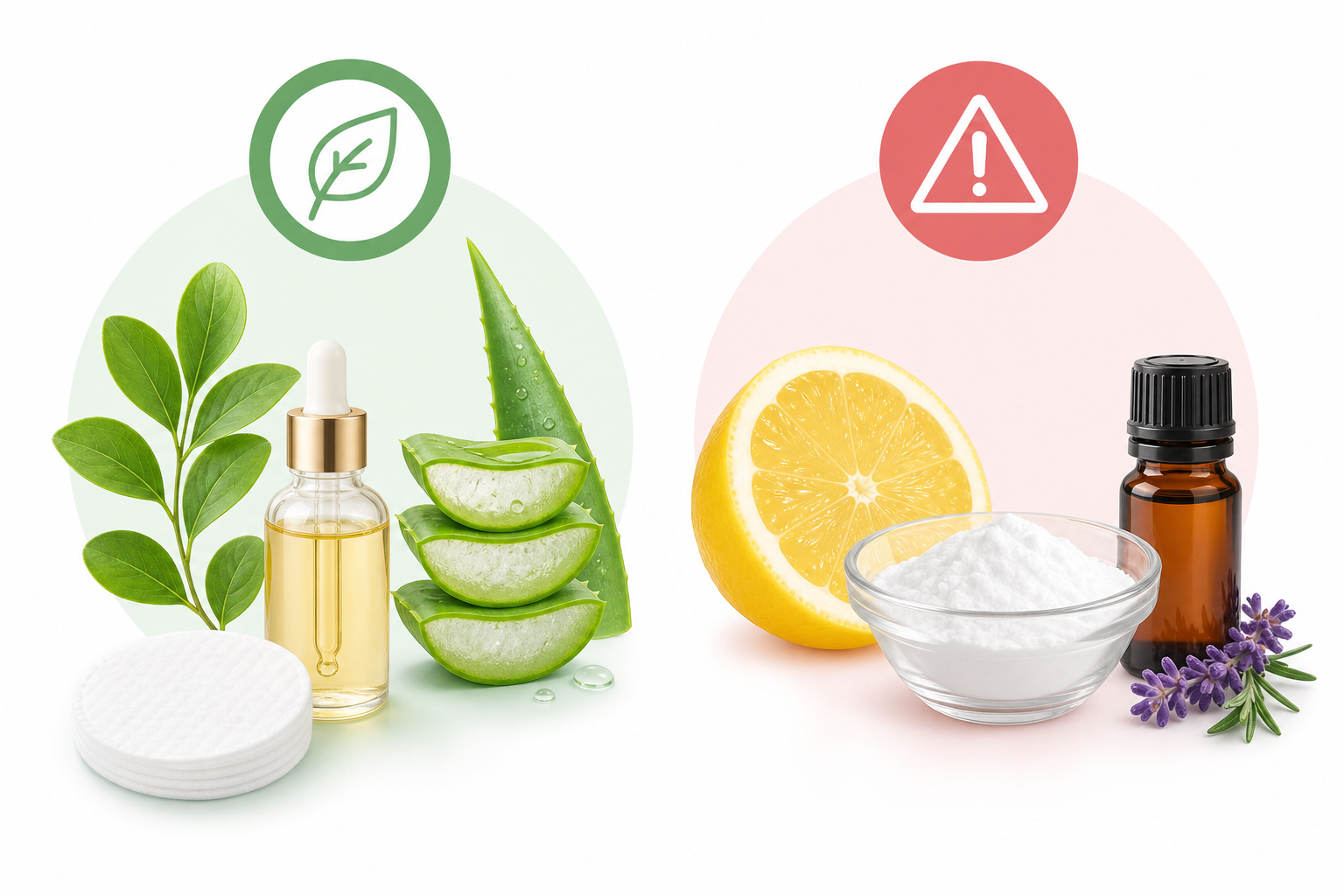
- Witch Hazel: Clients should use alcohol-free, unscented witch hazel. Alcohol-based versions dry out the delicate eyelid skin and can cause irritation.
- Carrier Oils: High-quality, cosmetic-grade carrier oils like jojoba, sweet almond, or extra-virgin olive oil are excellent for breaking down standard face makeup. However, you must emphasize that these are strictly for clients without lash extensions or active lash lifts.
- Aloe Vera Juice: A soothing, hydrating agent that provides a lightweight slip to DIY micellar formulations.
Ingredients to Strictly Avoid
- Baking Soda: Some viral online hacks suggest baking soda for deep cleansing or makeup removal. Warn clients that baking soda is highly alkaline and will severely disrupt the skin’s natural acidic pH barrier. This can lead to chemical burns, red rashes, long-term irritation, and worsening of dark spots.
- Lemon Juice: Direct application of lemon juice to the face is highly dangerous. It is acidic, causes intense stinging, and contains psoralens, which induce extreme photosensitivity. This can lead to severe blistering, peeling, sun damage, or chemical burns when exposed to sunlight.
- Raw Coconut Oil: While highly praised in DIY circles, coconut oil is highly comedogenic. On the thin, delicate skin under the eyes, it frequently clogs pores, resulting in whiteheads, blackheads, or milia.
- Essential Oils: Pure essential oils should never be applied undiluted. Lemon essential oil is phototoxic, and keeping all essential oils away from the immediate eye area is standard toxicological advice to prevent chemical burns and corneal irritation.
DIY Makeup Remover Recipes and Formulation Guidelines
When clients insist on mixing their own removers, providing them with safe, measured recipes ensures they do not cause self-inflicted skin barrier damage.
Dual-Phase Witch Hazel and Oil Remover (Strictly for Non-Lash Clients)
- Ingredients: Use 3 tablespoons of alcohol-free witch hazel and 2 tablespoons of cosmetic-grade jojoba or sweet almond oil.
- Preparation: Combine the ingredients in a clean, sterilized glass bottle.
- Application: Shake vigorously before each use to temporarily emulsify the phases. Apply a small amount to a clean cotton pad and gently sweep over the face.
Aloe-Infused Micellar-Style Cleanser
- Ingredients: Use 1 teaspoon of aloe vera juice, 2 teaspoons of liquid castile soap, 1 teaspoon of alcohol-free witch hazel, and 1/4 cup of distilled water. An optional 1 teaspoon of carrier oil can be added only if the client does not have active lash treatments.
- Preparation: Combine all ingredients in a small spray bottle.
- Application: Lightly spritz onto a cotton pad and gently wipe the skin to remove light cosmetics.
Pure Carrier Oil Cleansing
- Ingredients: Use 100% cosmetic-grade jojoba or grapeseed oil.
- Application: Apply a moderate amount of the single oil directly to dry skin. Massage gently in light, circular motions for approximately 60 seconds to break down foundation and pigments. Wipe away thoroughly with a warm, damp microfiber towel, or follow with a gentle water-based cleanser.
Microbiological Hazards of Homemade Formulations
The biggest hidden danger of DIY cosmetics is microbial contamination. Unlike commercial products, homemade mixtures lack broad-spectrum cosmetic preservatives. Water-based formulations (such as those containing aloe juice or water) are highly susceptible to rapid bacterial and fungal growth. Contaminated eye cosmetics can lead to severe eye infections, corneal scratching, and, in rare instances, temporary or permanent vision loss.
To mitigate these risks, advise your clients on the following hygiene practices:
- Always wash hands thoroughly before mixing or applying any eye-area cosmetic.
- Never use tap water. Instruct clients to use only distilled or filtered water to reduce initial bacterial loads.
- Store all DIY mixtures in cool, dry places, keeping storage temperatures strictly below 29°C (85°F) to prevent rapid microbial bloom and premature ingredient breakdown.
- Avoid touching the mouth of the storage bottle with used cotton pads or fingers to prevent cross-contamination.
- Because these formulas do not contain professional preservation systems, they should be made in small batches and discarded after 7 to 10 days, or immediately if any change in color, odor, or consistency occurs.
If a client currently has an active eye infection or inflammation, they must halt all cosmetic use immediately, avoid eye makeup entirely until completely healed, and discard any DIY or professional products used during the onset of the infection.
Safety Protocols: Patch Testing and Irritation Management
Before using any homemade mixture, clients must conduct a proper patch test. To test skin compatibility, instruct them to apply a quarter-sized amount of the formulation to a low-visibility area, such as the underside of the arm or the bend of the elbow, twice daily for 7 to 10 days. For wash-off products like cleansers, the mixture should remain on the test area for approximately 5 minutes before being rinsed off. If any redness, itching, or swelling develops, they must wash the area immediately, discontinue use, and apply a cool compress.
For sensitive eyes, an ophthalmic-focused approach is recommended:
- Apply a small dab behind the ear or on the inside of the wrist and wait 24 hours.
- If no reaction occurs, apply a tiny amount to one eyelid only and wait another 24 hours to ensure safety before applying to both eyes.
If a client experiences irritation or accidental contact with the eyeballs, they should immediately flush the eye with clean water or preservative-free artificial tears for several minutes. They must remove any contact lenses and strictly avoid rubbing the eyes to prevent corneal damage. If symptoms like redness, pain, blurry vision, or swelling persist beyond a few hours, they should seek professional medical evaluation. Technicians should also review the lash lift contraindications to ensure clients with highly reactive skin or pre-existing eye conditions are managed with extreme care.
Why Professional-Grade Products Form the Safest Choice
While DIY recipes offer a cost-effective alternative for general skincare, they cannot match the safety, stability, and formulation precision of professional-grade products designed specifically for lash and brow aftercare. For clients who invest in lash lifts, brow laminations, or extensions, utilizing a certified oil-free, water-based cleanser is the only way to guarantee maximum retention and protect your chemical work.
Our professional aftercare line offers a balanced, non-greasy solution that thoroughly cleanses without compromising adhesive bonds or weakening lift solutions. The Lami Super Booster Gentle Makeup Remover is an ideal professional tool for prepping eyelashes before applying lash lift solutions and is perfect for retailing to clients for safe daily use.

For salons looking to provide consistent care solutions, bulk packs offer an excellent retail opportunity to ensure clients are sent home with the exact products needed to protect their investments.
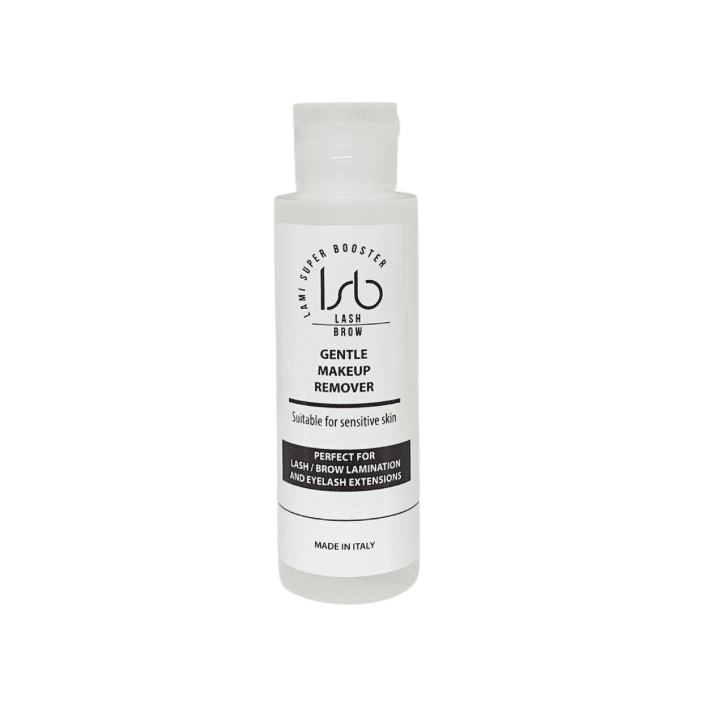
Gentle Makeup Remover, 6pc
Gentle Makeup Remover, 12pc
Alternatively, a dedicated lash cleansing foam can be recommended to eliminate sebum, environmental debris, and cosmetics safely. Our professional foam utilizes a soothing blend of calendula and sodium bicarbonate, designed to refresh the eye area without stripping the lash bonds.

For comprehensive post-treatment care, combining a safe cleanser with a nourishing lash serum containing hydrolyzed keratin and sodium hyaluronate is the ultimate way to maintain soft, beautifully lifted lashes.


Educating your clients on the science of makeup removal not only builds trust but directly improves your retention rates and treatment longevity. By discussing the chemical and microbiological risks of kitchen-brewed DIY mixtures, you can confidently guide them toward safe, balanced aftercare routines. Explore our complete lash lift aftercare range to stock up on professional-grade, oil-free retail products that protect your clients’ eyes and keep your expert work looking flawless week after week.
