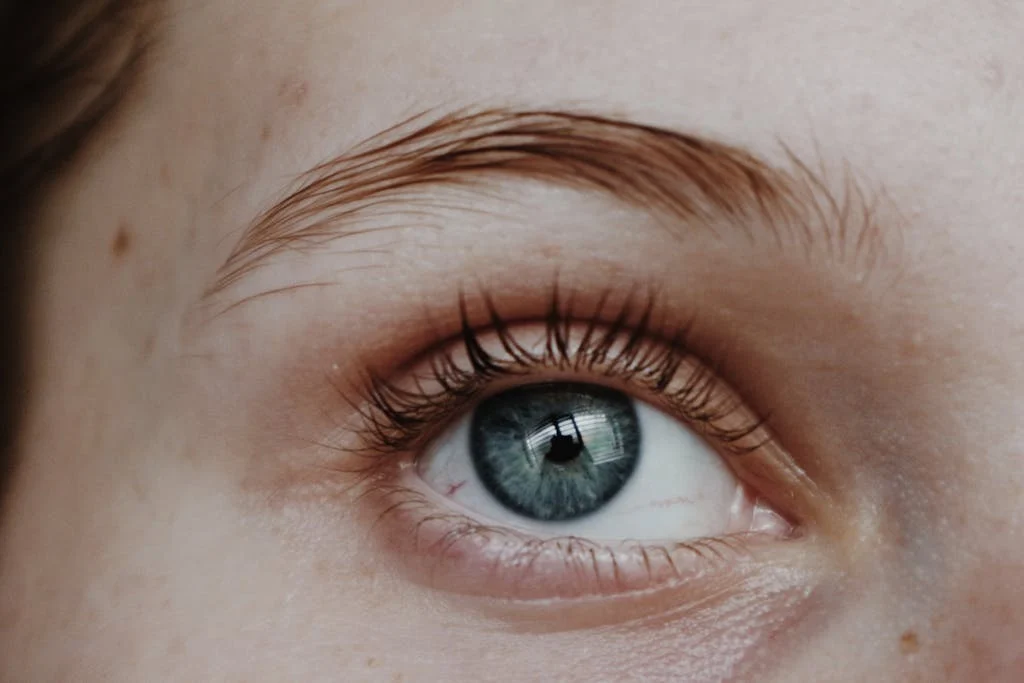
Eyelash tinting is a fundamental service in the modern beauty salon, offering clients a practical alternative to daily mascara. By utilizing a semi-permanent dye designed to penetrate the hair shaft, technicians can darken and intensify the natural lash line, providing depth and definition. This treatment is highly versatile, serving as a standalone service or as an essential final step when performing an eyelash lamination or a standard lash lift.
For beauty professionals, mastering the science behind tint longevity, application safety, and post-treatment care is key to managing client expectations and securing repeat bookings.
Eyelash Tint Longevity and the Hair Growth Cycle
On average, a professional eyelash tint lasts between 3 to 6 weeks, with high-quality formulations often maintaining their vibrancy for up to 7 weeks. Technicians must educate their clients that this timeline is naturally limited by the human lash growth cycle.
Eyelashes undergo a continuous cycle consisting of growing (anagen), regressing (catagen), and shedding (telogen) phases. Individual lashes typically grow for 30 to 45 days before naturally shedding to make room for new, uncoloured hair growth. Because of this physiological process, the fading of a lash tint is gradual. As the tinted lashes shed, they are replaced by the client’s lighter natural lashes, which eventually necessitates a touch-up appointment.
Technical Factors Influencing Dye Retention
While the natural growth cycle dictates the ultimate lifespan of the tint, several external factors can accelerate fading. Understanding these variables allows beauty technicians to troubleshoot retention issues with their clients:
- Sebum Production: Clients with naturally oily skin may experience faster fading, as excess sebum can gradually break down the dye molecules.
- Moisture and Environmental Exposure: Frequent swimming, exposure to chlorinated water, and prolonged sessions in steam rooms or saunas can compromise the tint’s bond.
- Sun and UV Exposure: Extended exposure to ultraviolet rays acts as a natural bleaching agent, lifting the depth of the pigment prematurely.
- Skincare Formulations: The use of heavy, oil-based makeup removers, facial oils, and rich eye creams near the lash line will dissolve the dye and reduce the treatment’s lifespan.
- Mechanical Friction: Constant rubbing of the eyes or aggressive makeup removal causes mechanical wear, leading to premature shedding of the tinted lashes.
Professional Application Techniques for Maximum Color Retention
Achieving consistent, long-lasting results requires a meticulous and standardized application protocol. Technicians should always prioritize eye safety while ensuring the pigment is distributed evenly.
Begin by thoroughly cleansing the eye area with a gentle, non-greasy cleanser to remove all traces of makeup, oil, and proteins. Even minor residues can form a barrier that prevents the tint from penetrating the hair shaft. Once the lashes are completely dry, apply protective gel pads or silicone shields to isolate the lower lashes and protect the delicate periocular skin.
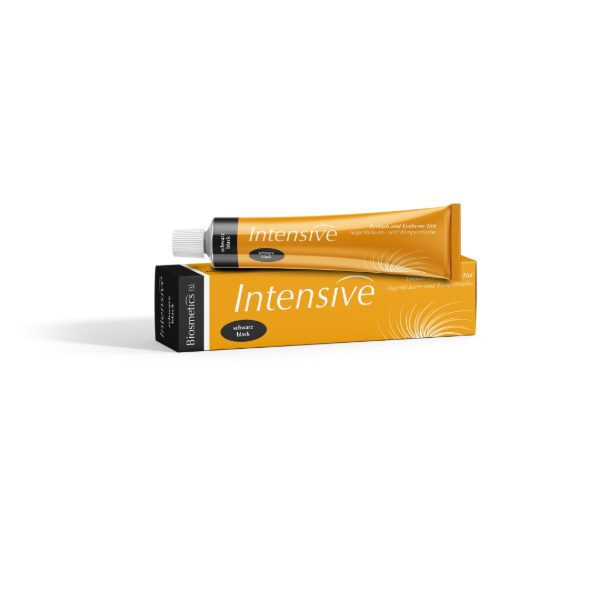
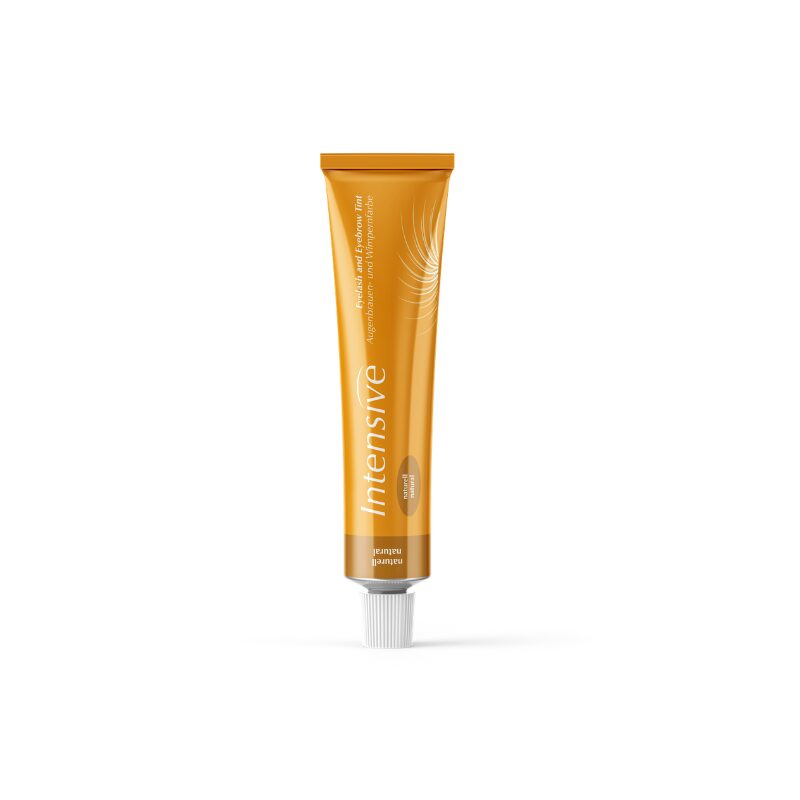
For mixing, consistency is vital. When using professional developers, mix exactly 6 drops of 2% cream oxidant for every 2 cm of tint. This ratio creates a smooth, no-drip creamy mixture that sits precisely where it is applied without running into the client’s eyes. Apply the mixture with a fine brush or applicator, ensuring every lash is coated from root to tip.
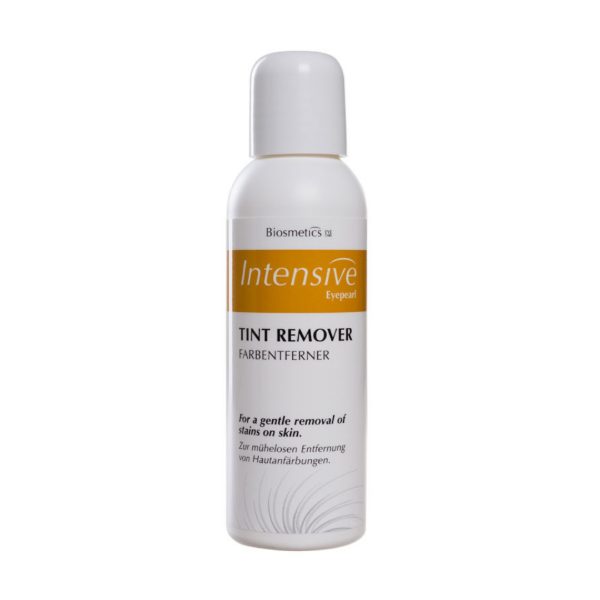
To protect the client’s eyelids from chemical contact and cosmetic issues, use precise stroke movements. For more details on avoiding skin staining, review our guide on understanding lash pigmentation. Keep processing times strictly within the recommended 4 to 10 minutes depending on the desired color depth. If any accidental skin staining occurs, immediately clean the area using a professional-grade tint remover on a micro-brush or cotton pad.
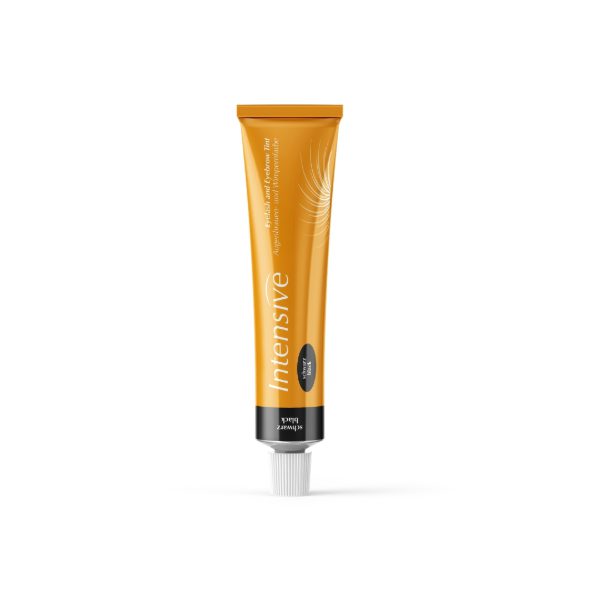
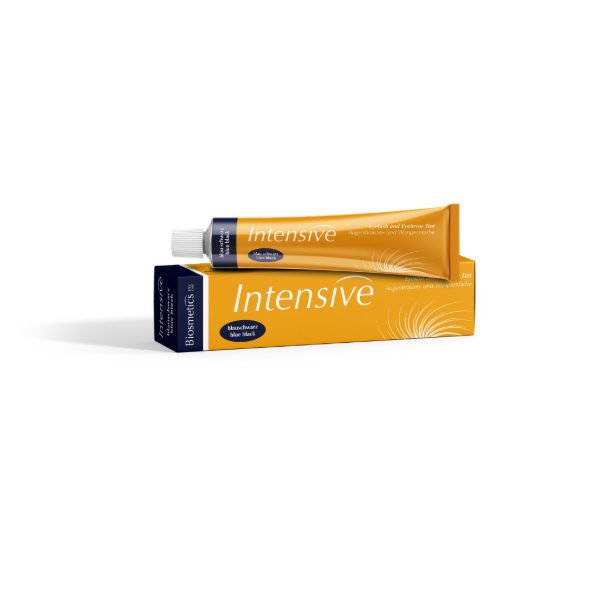
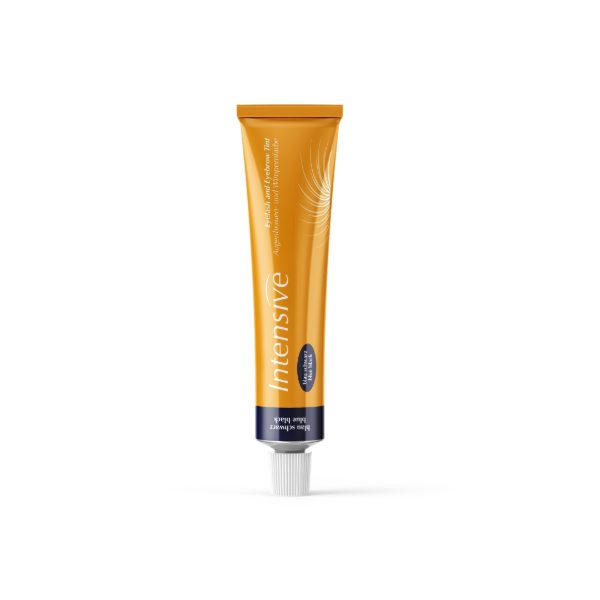
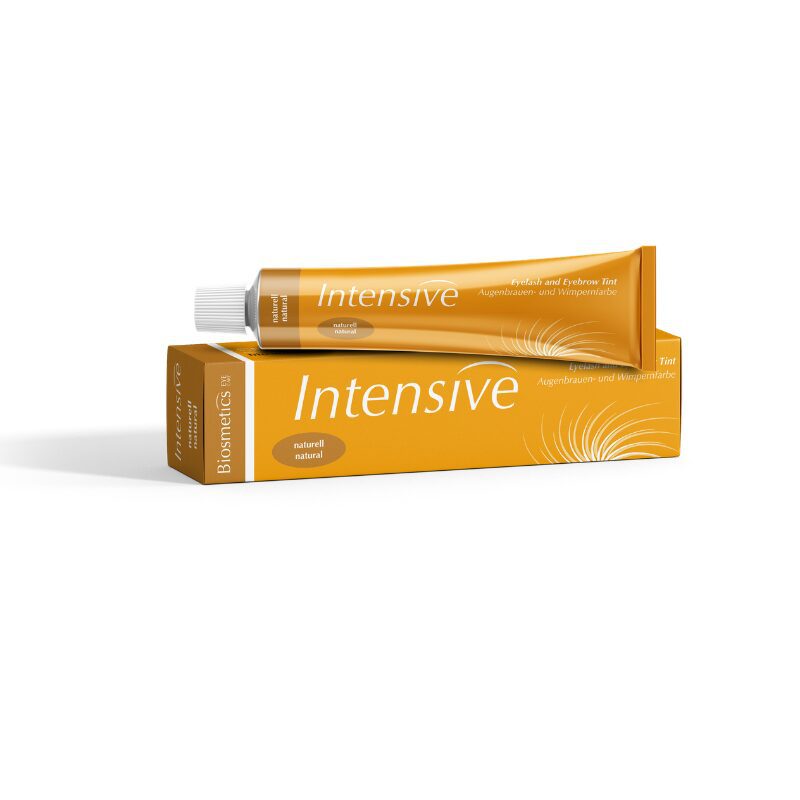
Using premium professional tint systems ensures consistent depth, reliable processing times, and excellent longevity for salon clients.

Safety Protocols, Contraindications, and Eye Care
Because periocular cosmetic treatments work in close proximity to the eyes, strict adherence to safety standards is paramount. Allergic or irritant reactions affecting the eyelids and conjunctiva can occur if protocols are ignored.
A patch test must be performed 24 to 48 hours prior to the client’s first treatment or if they are returning after a long absence. Technicians should also remain aware of regulatory guidelines. For instance, the FDA highlights that color additives must be specifically approved for use on eyelashes and eyebrows, warning that unapproved hair dyes used in the eye area can cause severe injuries.
During the treatment, monitor the client constantly for any signs of discomfort. If the client experiences burning or itching, immediately remove the product and flush the eyes with sterile saline, professional eye wash, or cool water. Severe allergic reactions require prompt medical attention.
Furthermore, technicians must carefully screen clients during the initial consultation. Consult the contraindications for lash lift and tint to identify clients who are temporarily or permanently ineligible for the service. Key contraindications include active eye infections, dry eye syndrome, glaucoma, recent eye surgeries (typically requiring a six-month waiting period), or increased hormonal sensitivities. For pregnant or breastfeeding clients, refer to our specialized guide to lash treatments during pregnancy to ensure you are offering the safest possible recommendations.
Client Maintenance and Professional Aftercare Protocols
The first 24 to 48 hours following an eyelash tint are critical for allowing the pigment to stabilize within the hair structure. Provide every client with a physical or digital aftercare guide detailing these essential rules:
- Avoid exposing the lashes to water, steam, or heavy moisture for the first 24 to 48 hours.
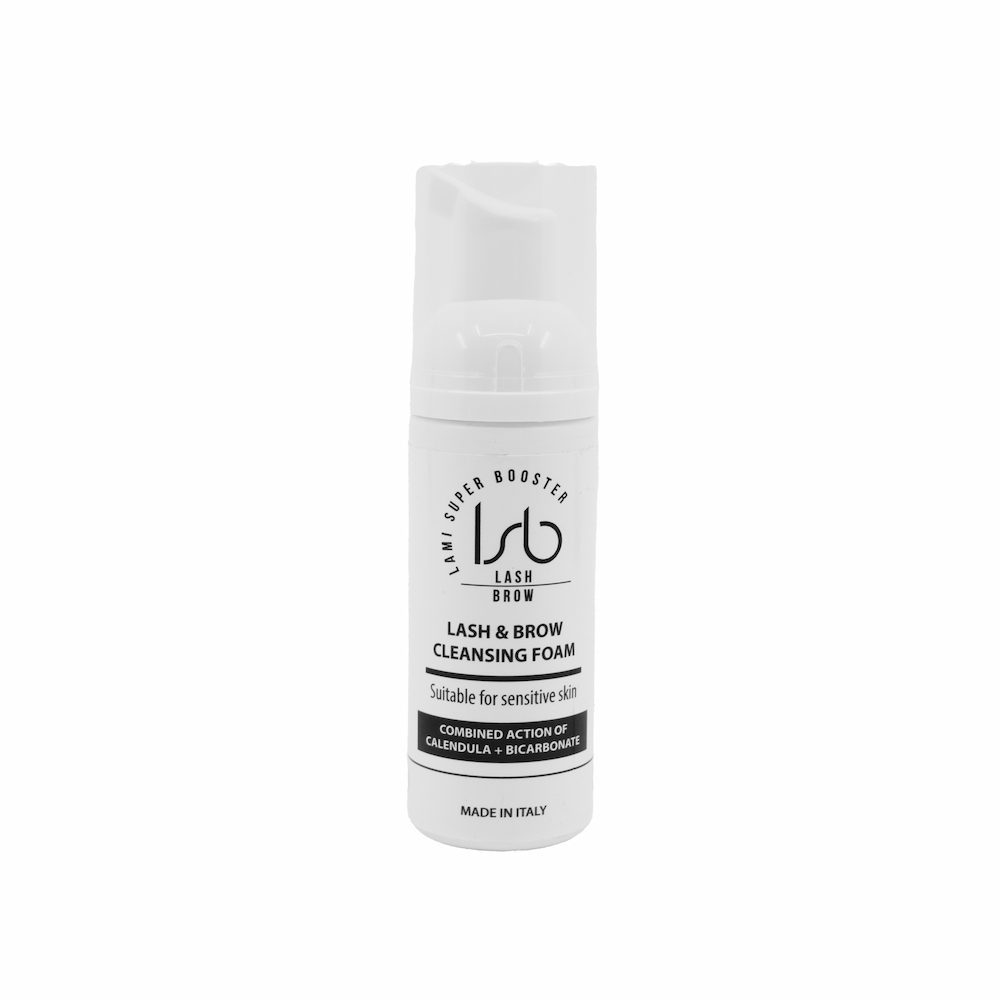
- Instruct clients to cleanse their face daily using a mild, oil-free cleanser.
- Demonstrate proper cleansing mechanics: use a soft brush or fingertips in gentle, downward motions, rinse with lukewarm water, and pat dry with a lint-free towel.
- Advise against rubbing the eyes or using manual eyelash curlers.
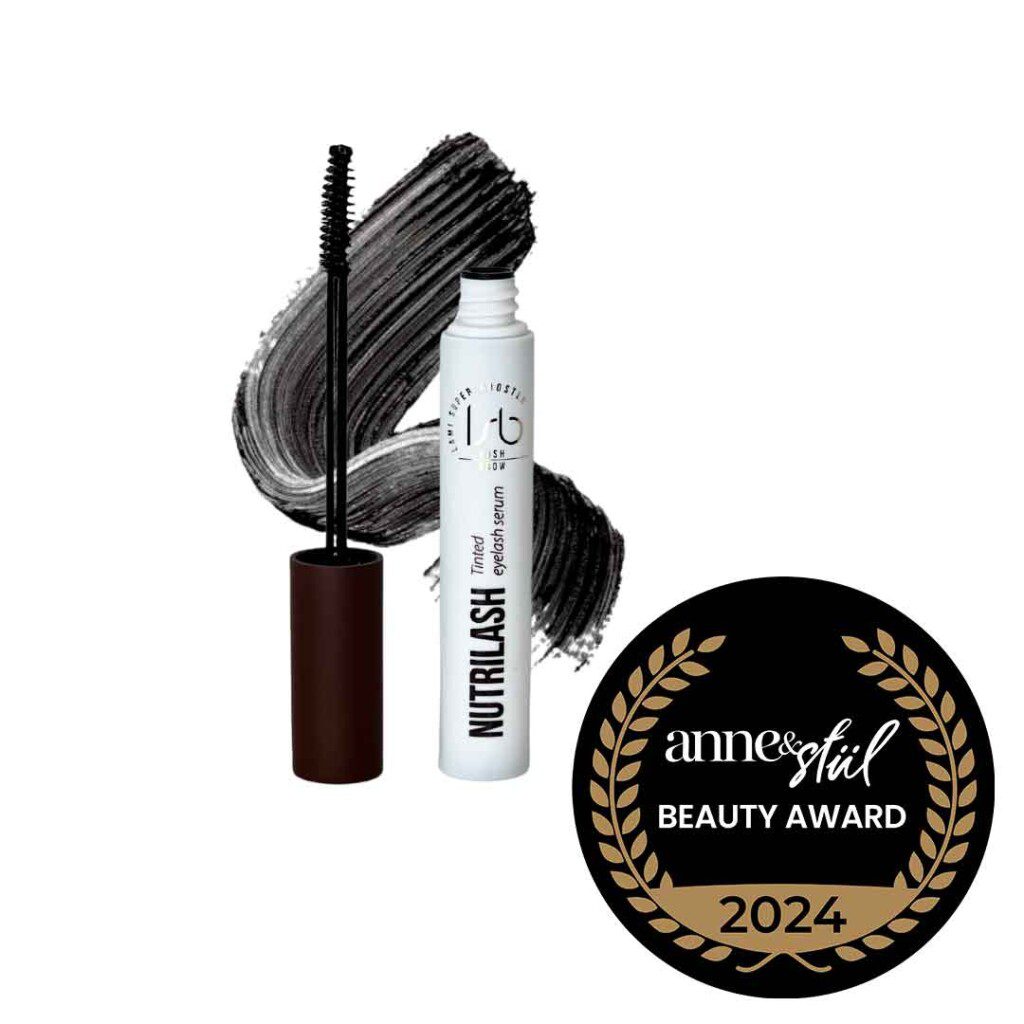
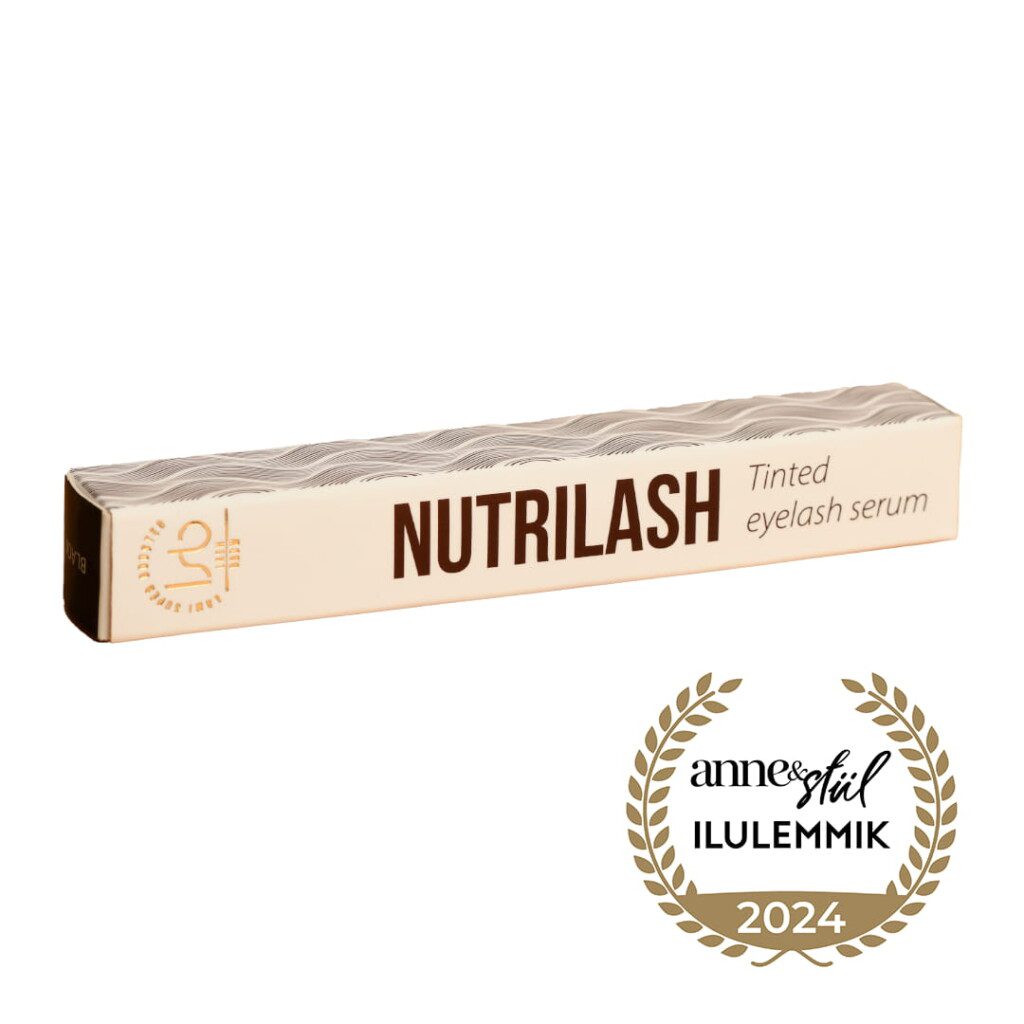
- Recommend the daily application of a professional, hormone-free lash serum to nourish the lashes, which keeps the hair strong and helps prolong the retention of the tint.
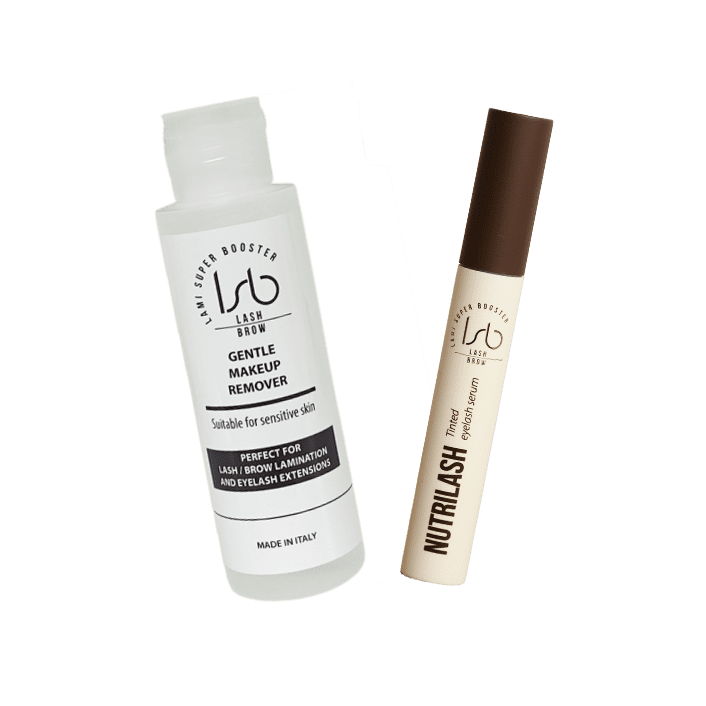
Providing clients with dedicated aftercare kits ensures they have the correct tools to protect their investment. Standardizing salon retail options with daily maintenance foams and nourishing serums helps support lash health and builds post-treatment satisfaction.
Positioning Lash Tinting in Your Salon Service Menu
Eyelash tinting is an excellent low-maintenance service to promote to clients who want darker, defined lashes without the daily hassle of mascara. In a salon environment, positioning tinting alongside lash lifts is highly profitable.
While a standalone tint is a quick 15-to-30-minute booking, a combined lift and tint service takes approximately 45 to 60 minutes. Understanding how long a lash lift and tint takes allows technicians to optimize their daily scheduling. This combination results in a dramatic transformation that lasts several weeks, making it an easy upsell.
When scheduling touch-up sessions, technicians should align the frequency with the natural lash cycle. Standalone tints can be refreshed every 4 weeks. However, if the client is receiving a combined lift and tint, consult the professional guidelines on how soon a lash lift can be safely repeated – typically every 4 to 6 weeks – to ensure the natural lashes remain healthy, hydrated, and undamaged.
By focusing on precise mixing ratios, maintaining strict hygiene protocols, and educating clients on proper aftercare, beauty technicians can deliver beautiful, long-lasting eyelash tints that keep clients returning. To elevate your salon services, explore our professional range of high-quality eyelash tints and discover premium retail options in our lash lift aftercare collection.