

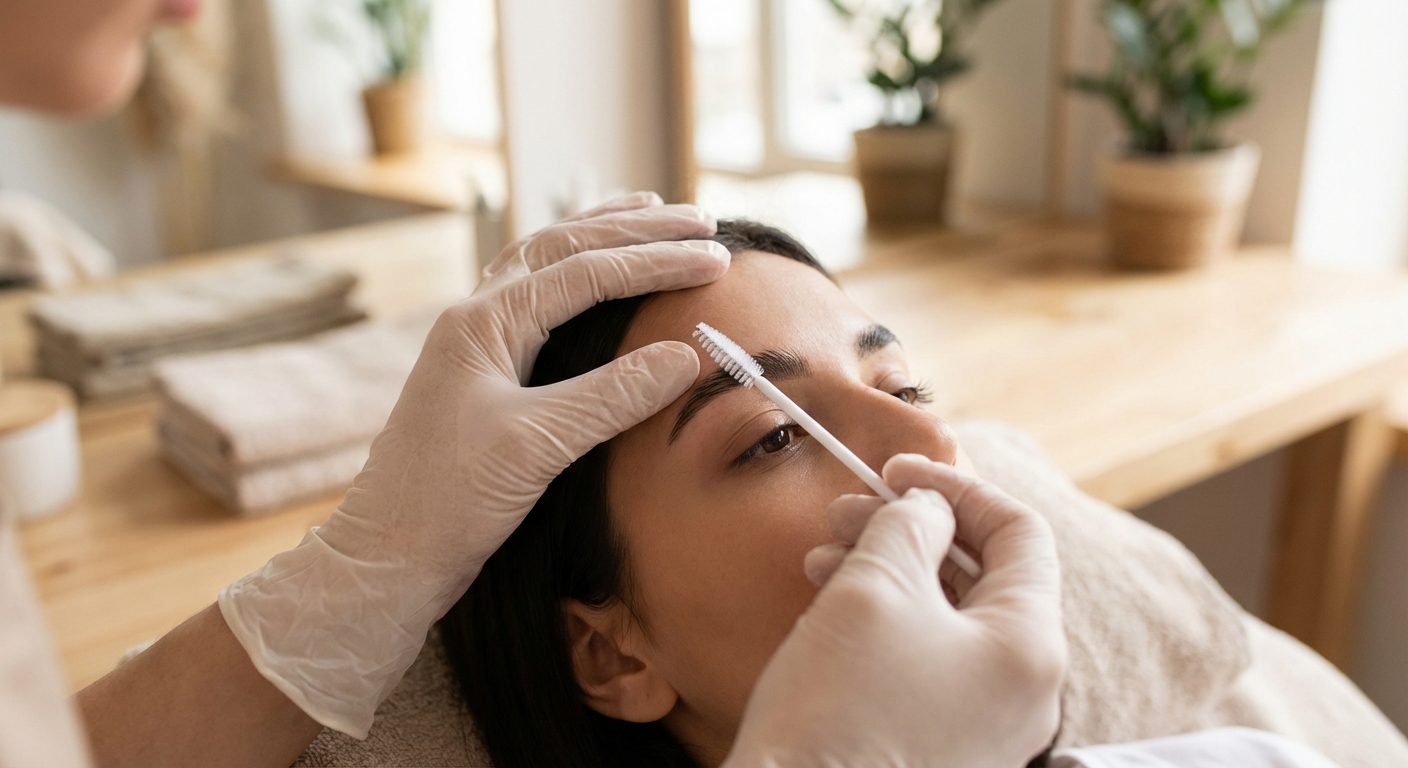
In the world of professional brow styling, “too long” is a subjective term that often masks a deeper need for structural control. While some clients naturally possess longer brow hairs, others may experience unruly growth due to hormonal changes, age, or a robust anagen growth phase. For a technician, the challenge lies in shortening these hairs without compromising the brow’s density or creating unsightly gaps that can ruin the symmetry of the face.
Effective management involves a blend of precision trimming, strategic brow shaping techniques, and often, the chemical redirection provided by lamination. Understanding the anatomy of the hair and the tools required is the first step toward achieving a groomed, professional finish that meets high-end salon standards.
Understanding the Brow Growth Cycle and Length
The natural cycle of eyebrow hair growth is significantly shorter than that of the hair on the scalp. The active growth phase, or anagen, typically lasts between four and eight weeks for lashes and brows. During this time, hairs grow at a rate of approximately 0.12mm to 0.14mm per day. Because 90% of hairs are typically in this phase at any given time, technicians have a large volume of active hair to manage during a service.
When a client presents with hairs that seem excessively long, they are often hairs that have reached the maximum extension of their anagen phase but have not yet entered the telogen (resting) phase to shed. These longer hairs can easily break the silhouette of a good brow shape, drooping downward or sticking straight out. Before reaching for the scissors, it is essential to determine if the length is a result of natural variation or if the hair is simply growing at a sharp angle that could be corrected through chemical redirection.
Assessment: When to Trim and When to Laminate
Trimming should never be the default response to length. Over-trimming can lead to a stubbly appearance because the naturally tapered tip of the hair is replaced by a blunt, thick edge. Before performing any service, start with a thorough professional assessment to determine the best course of action.
- Perform a directional check by brushing the hairs upward using a clean spoolie. If the hair extends more than 2mm past the desired top line of the brow map, it may require a micro-trim.
- Conduct a density check to ensure the brow is not sparse. If the brow lacks fullness, trimming long hairs can make the brow look thinner, as those long hairs often help cover “holes” or gaps in the brow map.
- Evaluate the texture for coarse, stubborn hairs that refuse to lie flat. For these clients, brow lamination is often a superior alternative to trimming. By breaking the disulfide bonds and resetting the hair in a new direction, you can utilize that length to create a fuller, fluffier look rather than cutting the asset away.
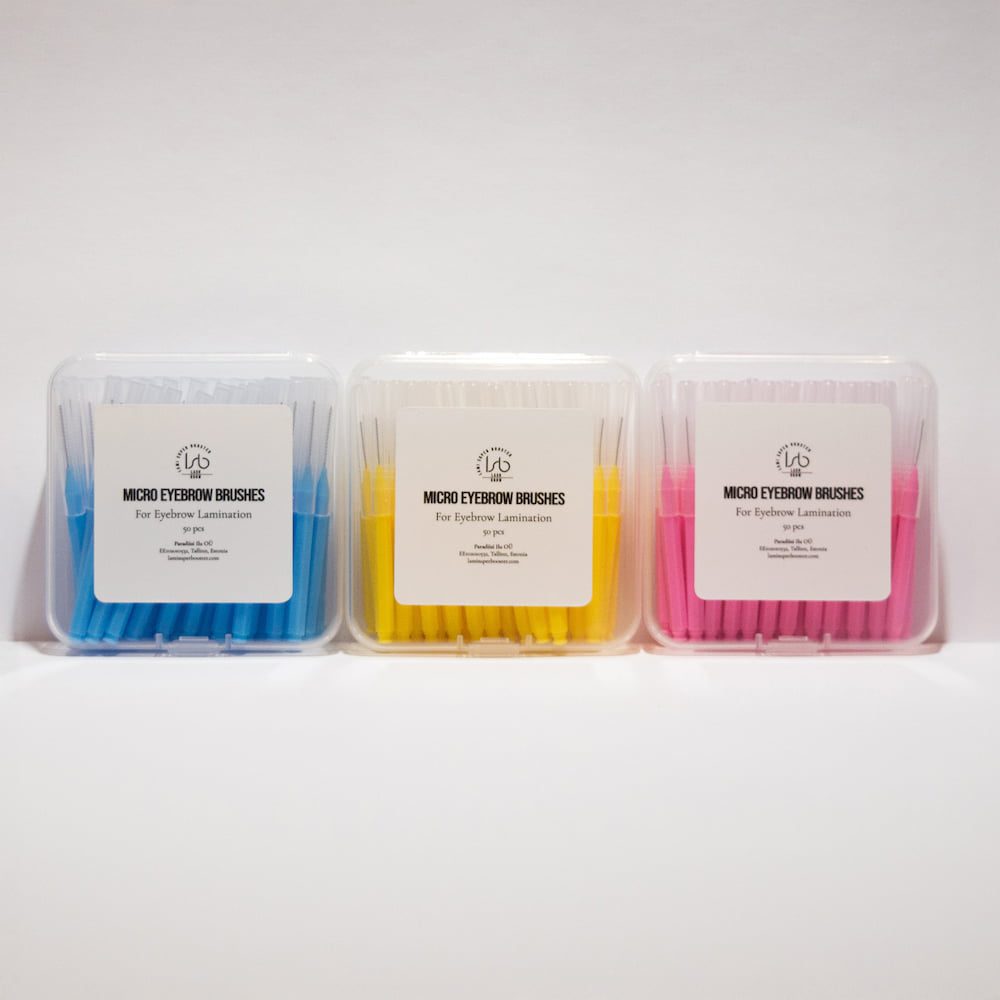
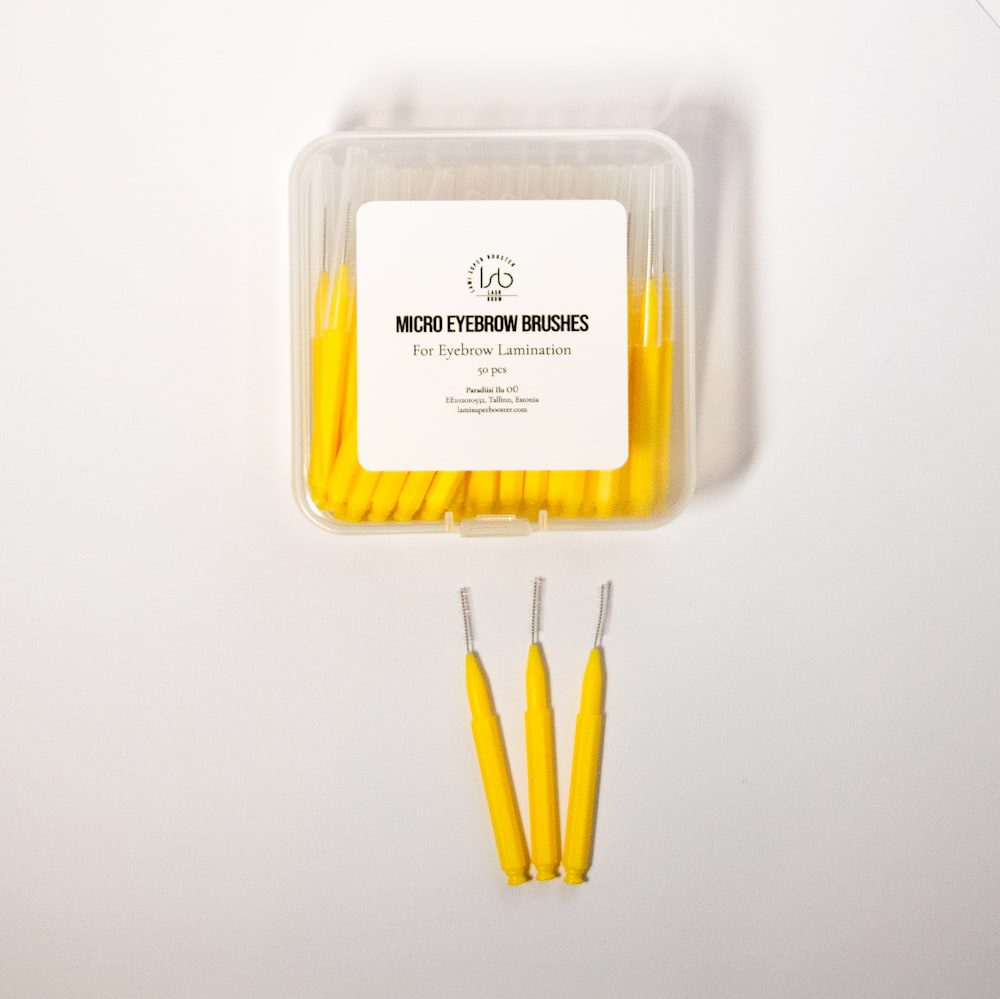
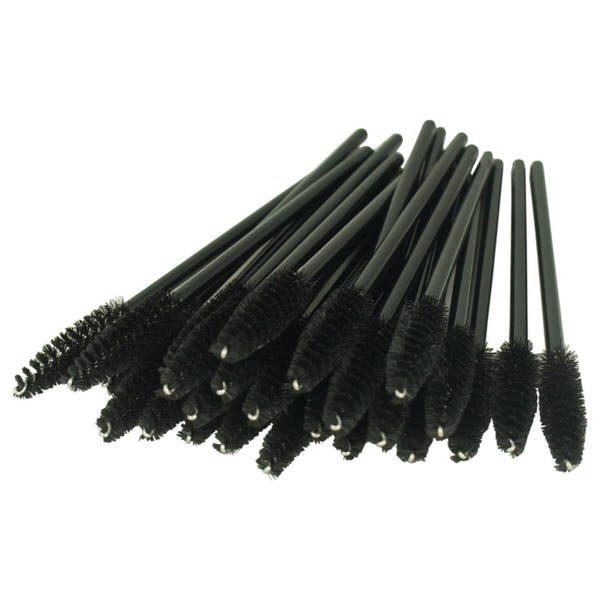
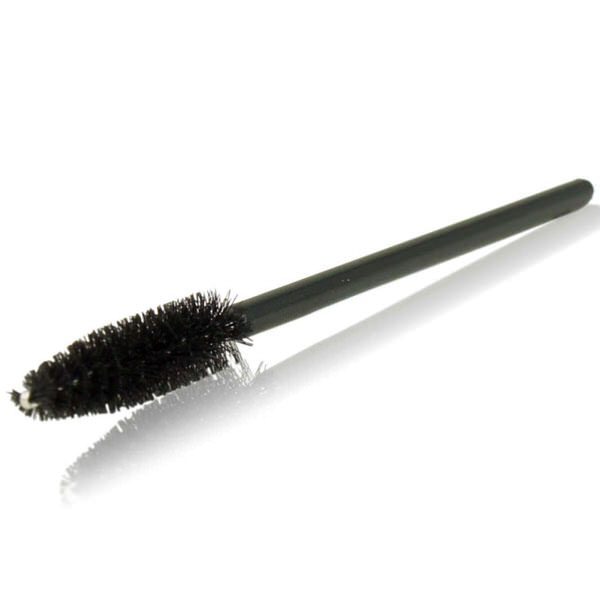
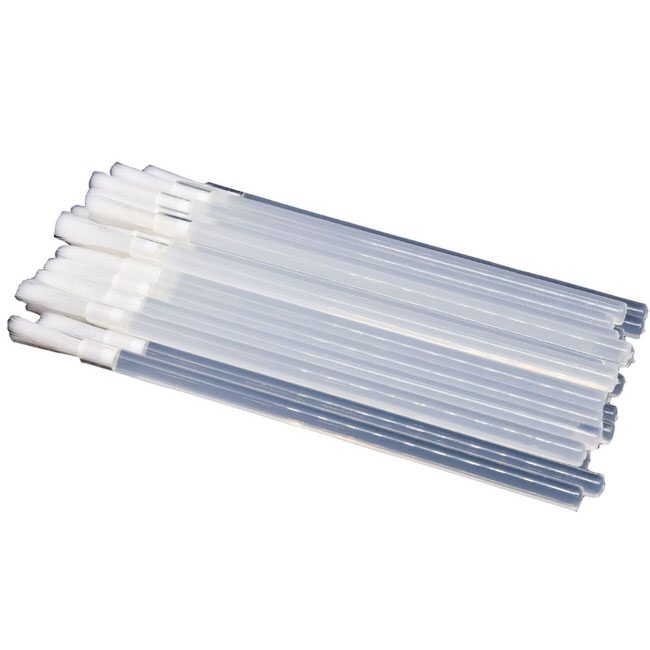
50 Micro Eyebrow Brushes

Step-by-Step Professional Trimming Technique
If trimming is necessary to maintain the integrity of the brow map, technicians must follow measurable steps to ensure a safe and aesthetic result. Precision is the priority to avoid removing too much bulk.
Preparation and Isolation
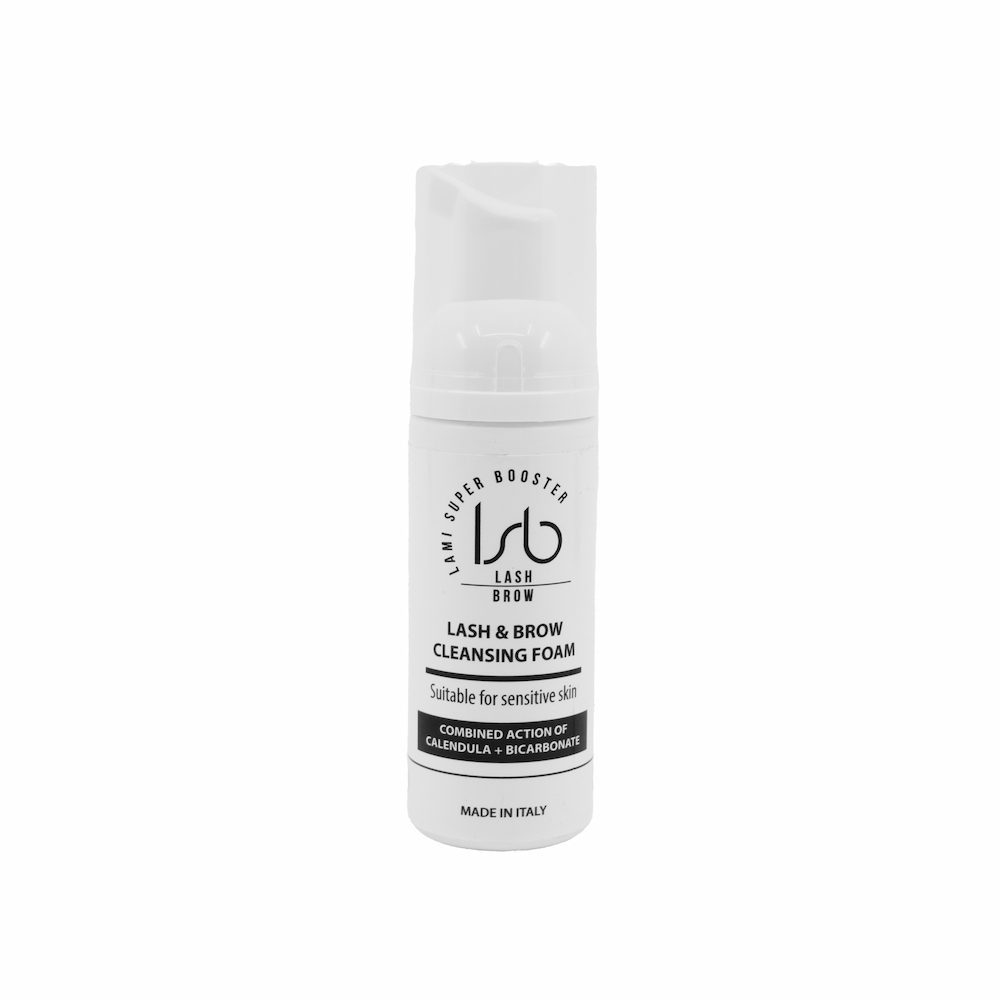
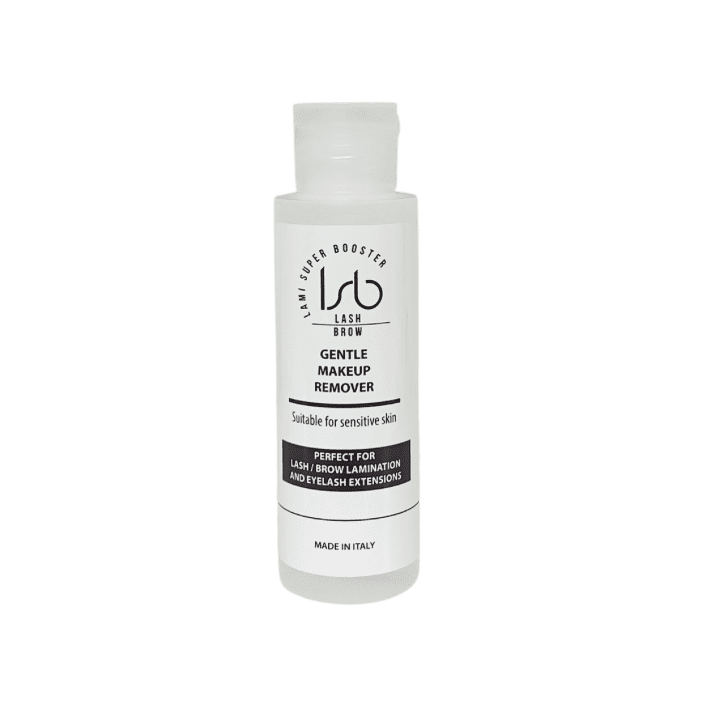
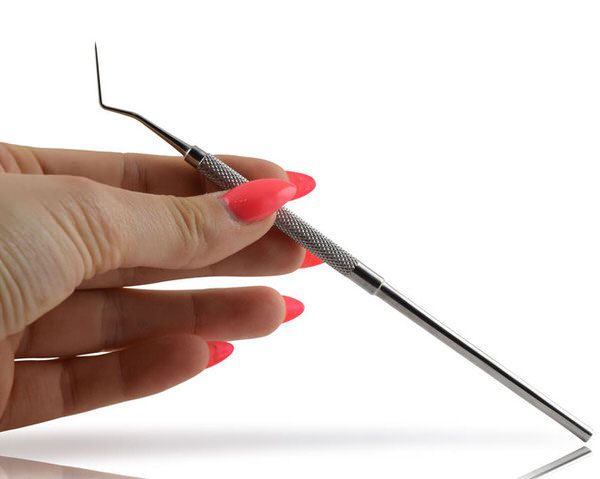
Start by removing all oils, sebum, and makeup from the treatment area. Use a specialized cleansing foam to ensure the hairs are clean and separated. This allows you to see the true length and growth pattern without hairs sticking together or lying flat against the skin due to residue. Once the skin is dry, use a disposable brush to lift the brow hairs straight up toward the hairline. For extreme precision, a separation tool can be used to isolate individual long hairs that are disrupting the flow of the arch.
The Precision Cut
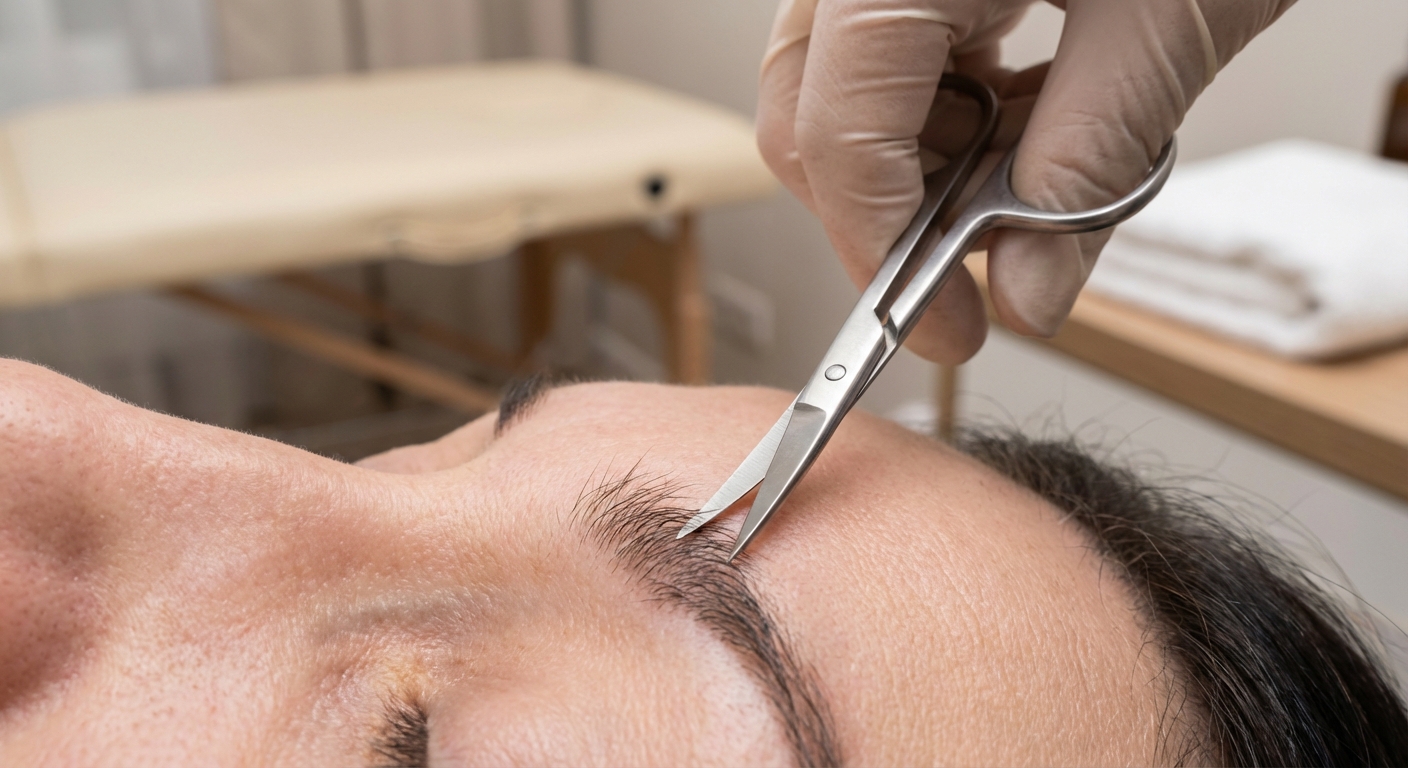
Never cut straight across the top of the brow. Instead, hold professional brow scissors at a slight angle, following the natural curve of the brow line. Snip only the very tips of the hairs, removing no more than 1mm at a time. After each snip, brush the hairs back into their natural position to see how they settle. Finally, perform a downward check by brushing the hairs toward the cheek. This is particularly important for the tail of the brow; if hairs extend far below the lower boundary of the brow map, a very light trim may be required to keep the tail looking sharp and lifted.
Managing Length Through Brow Lamination
In many cases, “too long” hair is actually a benefit for brow lamination lotions. Lamination allows you to redirect long, downward-growing hairs into an upward and outward position, covering sparse areas and creating a more uniform appearance. This technique provides the illusion of fullness without the need for invasive procedures.
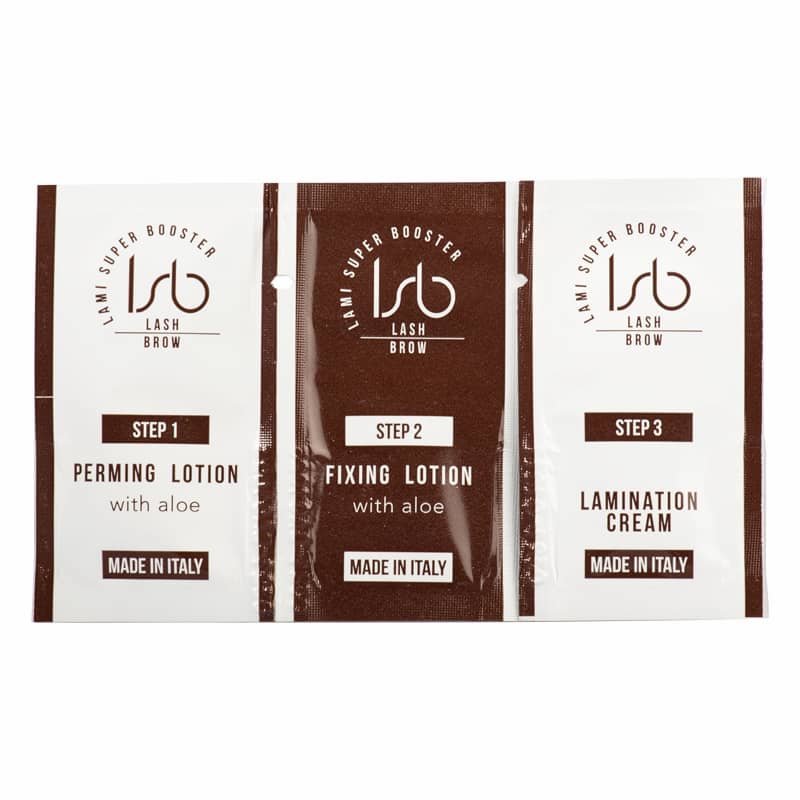
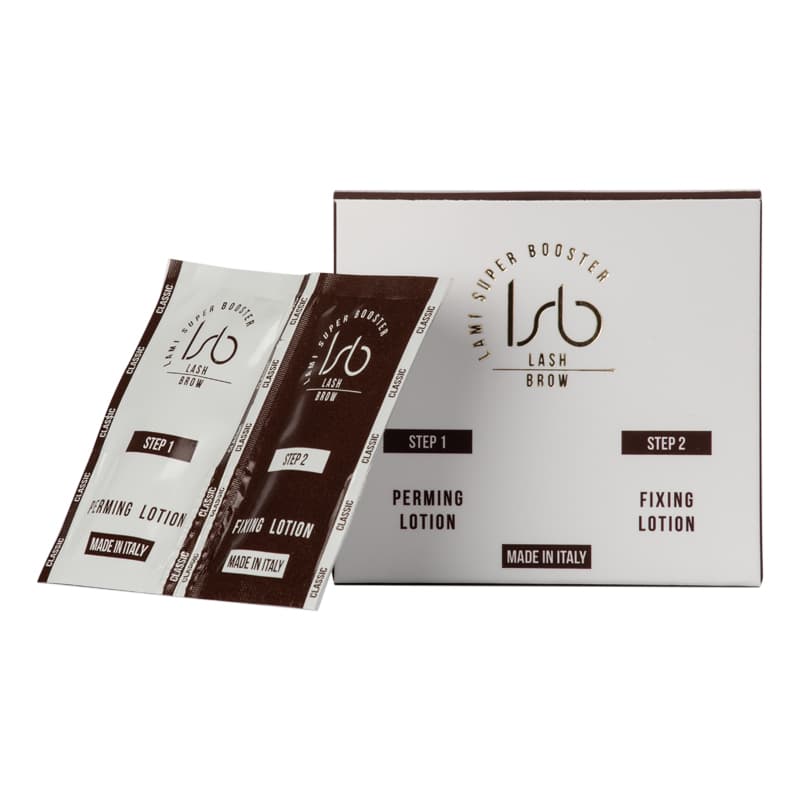
When performing lamination on long or coarse hairs, processing time is critical. Longer hairs often require more time for the perming and fixing lotions to take effect, generally ranging from 10 to 12 minutes depending on the hair thickness. If you are using a professional brow lamination kit, ensure the cream is applied evenly from the root to just before the tips. This avoids over-processing the finer ends of the hair, which are more susceptible to chemical damage.
Safety Guidelines and Avoiding Over-Thinning
Safety and hair health must remain the priority in every appointment. Over-processed or over-trimmed brows are a common cause of a brow lamination gone wrong. To avoid these pitfalls, keep the following professional standards in mind:
- Avoid the “potted plant” look by never trimming the hairs in the bulb (the start of the brow) too short. These should remain naturally tapered to keep the face looking soft and natural.
- Verify that the client has no contraindications like ultra-sensitive skin, active eczema, or recent chemical peels before applying any solutions.
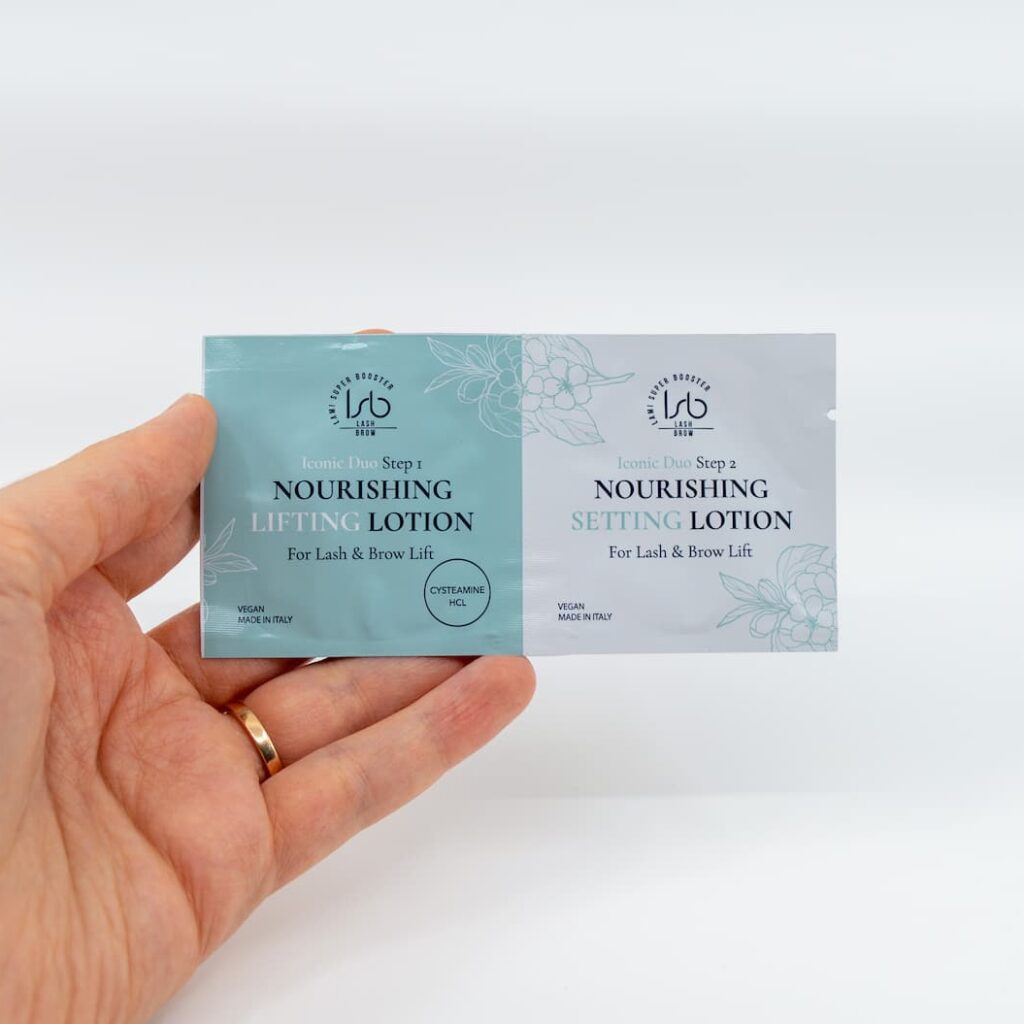
- Trimming and chemical treatments can strip the hair of moisture. Always finish the service with a nourishing lamination cream to seal the cuticle and lock in hydration.
Client Aftercare for Long-Term Control
Educating the client on brow lamination aftercare is essential for managing length and texture between professional appointments. Advise them to avoid moisture for the first 24 hours and to use a daily nourishing serum thereafter. Flexible, hydrated hair is much easier to style and less likely to become “unruly” or stick out awkwardly as it grows. Suggesting a home-care regimen helps maintain the sleek, laminated look and supports the health of the hair follicles through the resting phase.
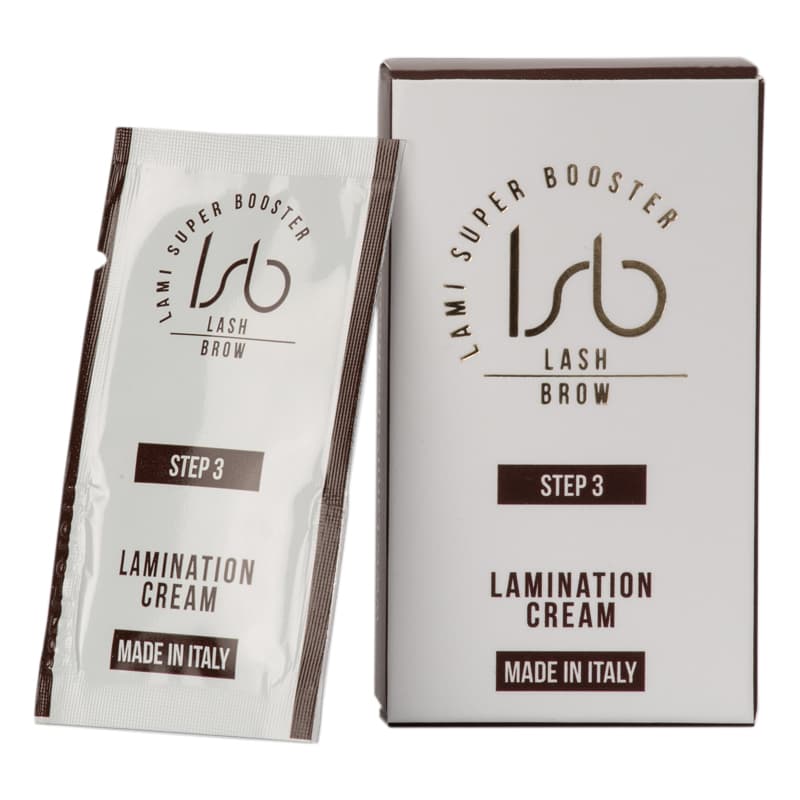
Managing long eyebrow hairs is a balance of precision subtraction and strategic redirection. By assessing the growth cycle, utilizing professional tools, and opting for lamination when appropriate, you can provide your clients with a tailored, sophisticated look that lasts for weeks. To elevate your brow services and ensure your toolkit is equipped for high-precision work, explore our full range of professional systems.
Browse our Professional Brow Lamination Kits and Accessories