



As the lash industry evolves, technicians are no longer limited to a single “one-size-fits-all” perming method. Understanding the technical nuances between classical, Korean, and hybrid lash lifts allows you to customize treatments based on hair porosity, eyelid anatomy, and the client’s desired aesthetic. Each method relies on distinct chemical profiles and placement protocols that determine the final curl’s longevity and structural integrity.
The Classical Lash Lift: Structure and Drama
The classical lash lift is the industry standard for creating a high-impact, dramatic “open-eye” effect. Technically, this method typically utilizes Ammonium Thioglycolate (TGA) as the primary reducing agent. TGA has a higher pH, which works by aggressively breaking the disulfide bonds within the hair shaft to allow for a rapid restructure. This chemical reaction is effective but requires precise monitoring, as the higher pH can lead to dryness if the timing is not carefully managed based on the lash diameter.
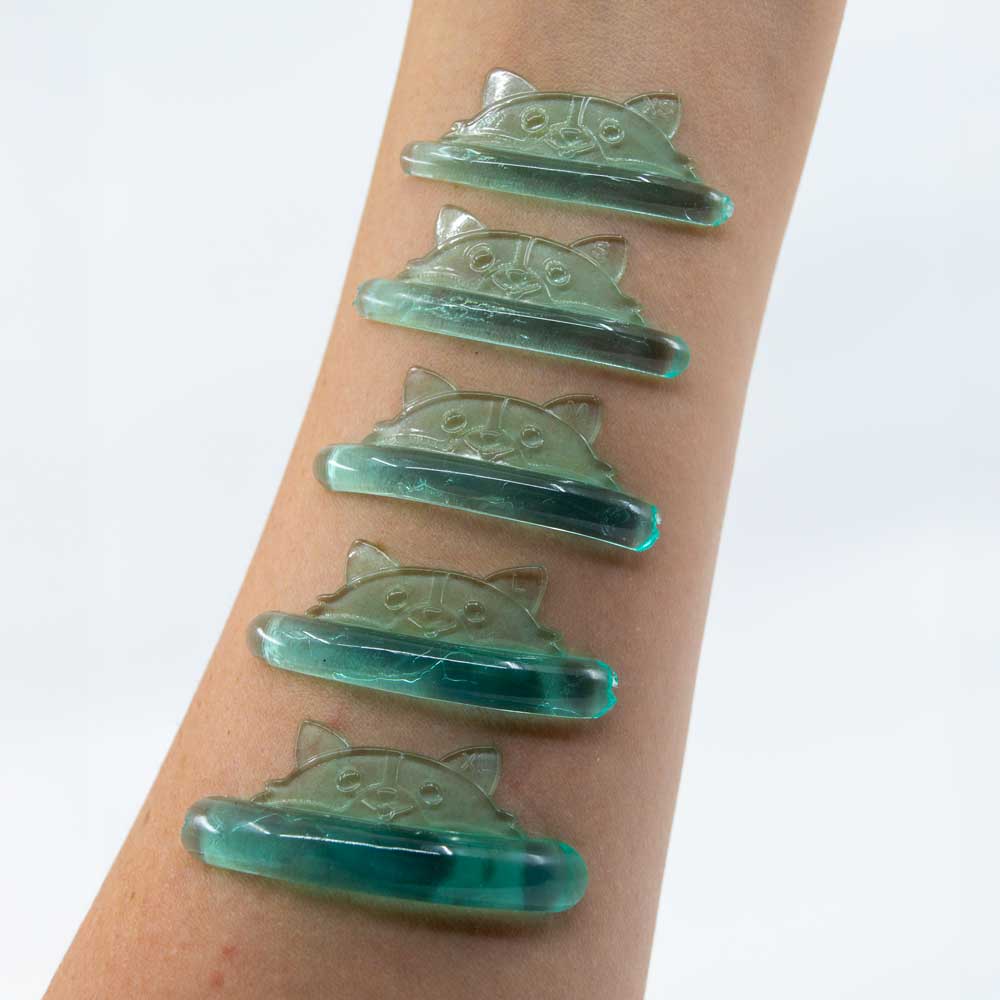
In a classical application, the lift is focused primarily at the root to create an illusion of increased density. You will typically use standard silicone lash lift shields sized S through XL based on the lash length. To prevent a “pig-tail” crimp or the lash tips touching the eyelid, the shield must be placed approximately 0.5mm to 1mm from the waterline. The lifting lotion is applied in a precise 1mm band from the base to the mid-section of the lash – typically not exceeding three-quarters of the length – to avoid frazzling the finest part of the hair.
This method is most suitable for clients with healthy, medium-to-thick lashes that grow horizontally or slightly upward.


The Korean Lash Lift: Precision and Health
The Korean lash lift focuses on uniform softening and extreme root precision. The technical differentiator here is the use of Cysteamine HCl. This active ingredient is different than TGA, providing a more “flexible” bond breakage that reduces the risk of over-curled eyelashes or pigtail-like kinks. Cysteamine HCl-based formula Iconic Duo also includes conditioning agents like castor oil and peptides to maintain lash health throughout the chemical process.
The application protocol often involves a specialized approach for resistant or downward-growing lashes. Initially, ultra-thin flat shields ensure the Step 1 lotion has total contact with the base of the lash, which is essential for creating a uniform lift from the very start of the hair follicle. This ensures that even the most stubborn, low-porosity lashes are effectively softened. During the setting phase, the lashes are typically directed into a natural J-curve or C-curve that offers a subtle, sophisticated density boost.
Korean techniques also lead the way in glueless lash lift solutions. By using stickier, high-viscosity lotions or specialized lash lift glue powder, you eliminate the “glue barrier.” In traditional methods, an excessive layer of adhesive can block the lotion from penetrating the hair shaft, leading to underprocessing. Eliminating this barrier allows for faster, more predictable processing times.


The Hybrid Lash Lift: Bespoke Customization
The hybrid method is a technical “middle ground” that combines the structural tools of classical lifting with the gentle chemistry or mapping techniques of Korean systems. This is the preferred approach for clients with uneven lash rows or those who want a tailored silhouette, such as a dramatic lift at the outer corners to achieve a “foxy” look while maintaining a natural sweep in the inner corners.
When performing the hybrid technique, the lashes are combed onto the silicone shield with the lifting lotion and Lash Lift Glue Powder mixture during the Step 1. Flat shield is not used in this case. You can find more details on how to blend the tools in our guide to the rod and shield lash lift method. This flexibility allows the technician to correct for asymmetrical eye shapes or hooded lids where a standard shield might cause the lashes to hit the brow bone.
Technicians performing hybrid lifts often mix their lotions with glue powder to customize the “grip” of the lashes on the shield. This is particularly helpful when working with varying lash lengths on a single eye, ensuring that even the shortest baby lashes are captured and directed correctly. This method requires a higher level of expertise to ensure the transition between the different curl patterns is seamless.




Technical Suitability and Visual Outcomes
Choosing the right technique requires a technical assessment of the lash anatomy and a thorough screening for potential contraindications. Each style offers distinct advantages based on the client’s natural characteristics:
- Classical Outcomes: Best for clients with horizontal growth and round eyes who desire a dramatic C or D curl. It offers high root lift and an enhanced illusion of density, typically lasting 6 to 8 weeks.
- Korean Outcomes: Ideal for short, straight, or downward-pointing lashes, particularly for Asian lash types or hooded eyes. It provides a natural J-curve and uniform lift with a gentler grow-out phase that can last over 8 weeks.
- Hybrid Outcomes: Best for clients with uneven lash rows or those seeking a custom gradient. It is highly adaptable to mixed eye shapes and varying lash thicknesses, with longevity ranging from 6 to 10 weeks depending on the growth cycle.
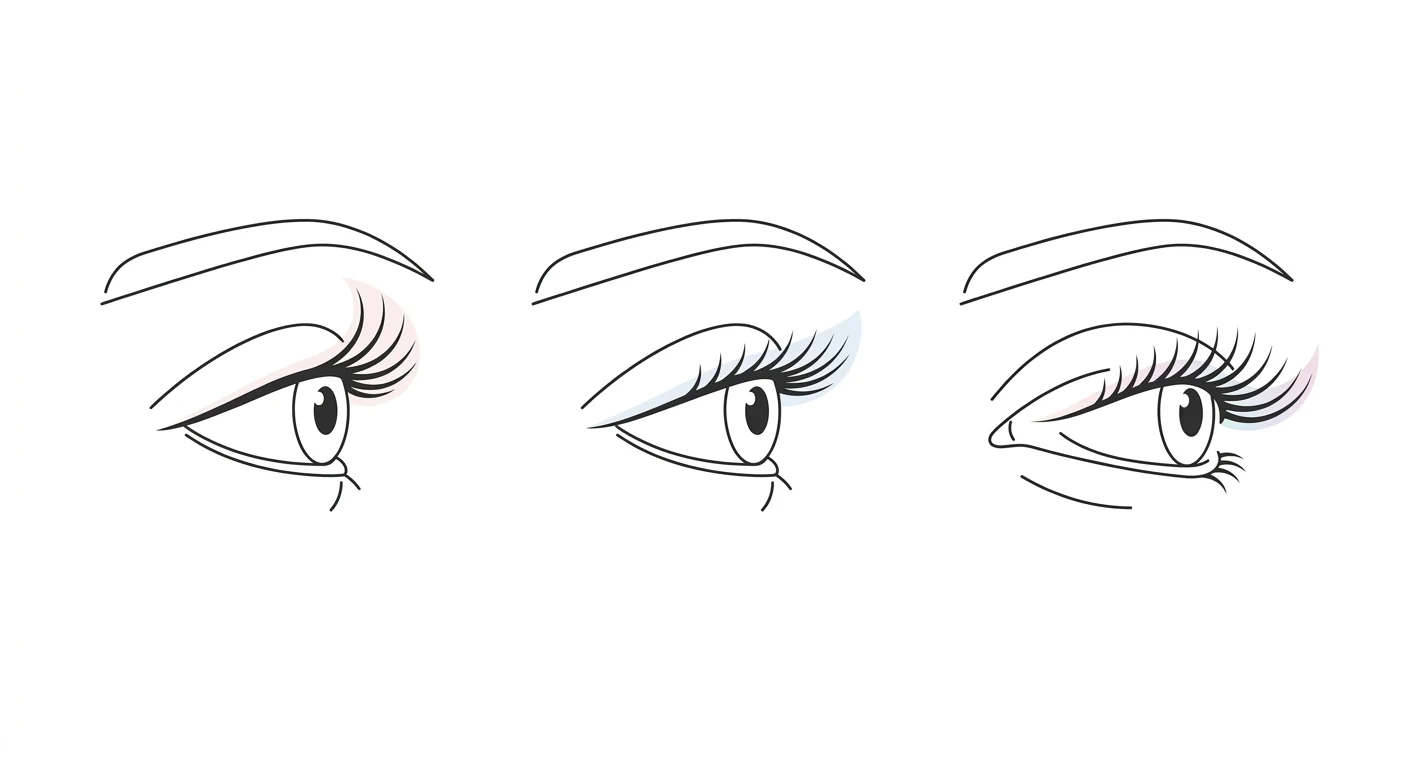
For clients with downward-pointing, resistant lashes, the Korean method’s use of flat shields and Cysteamine HCl is superior because it prevents the “gap” that often occurs in classical lifts when the shield is too bulky to sit flush against the lid. Conversely, for a client with naturally healthy, upward-growing lashes who wants maximum “wow” factor, the classical TGA-based lift remains the most efficient choice for a sharp, bold result.
Optimizing the Outcome with Professional Tools
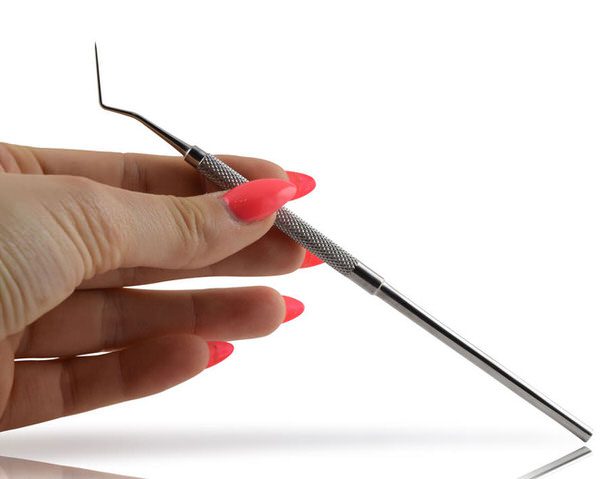
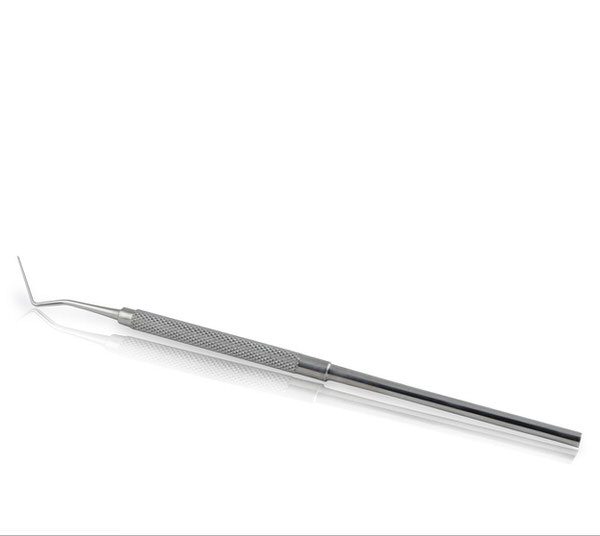
Regardless of the method chosen, the precision of the lash lift tools used during the “wrap” phase is the most significant factor in preventing crisscrossed or kinked results. Each lash should be placed parallel and at a 45-degree angle to the shield to ensure symmetry. For the final stage of the procedure, applying an eyelash tint can help bridge the gap between different techniques by providing a uniform, saturated finish that highlights the newly created curl.
Maintaining the structural integrity of the hair is paramount. Traditional lifts can be drying because of the high pH of the solutions, so integrating a nourishing lamination cream at the end of the procedure is essential for professional results. This ensures the disulfide bonds are not only reformed but the cuticle is sealed with keratin, amino acids, and oils to prevent breakage.
Mastering the technical differences between these three styles transforms you from a service provider into a lash consultant. By assessing the lash diameter, growth direction, and eyelid shape during the initial consultation, you can confidently select the lotions, shields, and application patterns that will deliver a flawless, healthy lift every time.


