



As a beauty technician, managing the expectations and safety of pregnant or breastfeeding clients requires a careful balance of professional ethics, chemical knowledge, and manufacturer guidelines. While brow lamination is a non-invasive cosmetic procedure, the physiological changes occurring during pregnancy – specifically significant hormonal shifts and increased skin sensitivity – can impact both the safety of the treatment and the quality of the final result.
Chemical Absorption and Physiological Risks
The primary concern for professionals when treating expectant clients is the potential for chemical absorption through the skin. Lifting lotions typically utilize active ingredients like ammonium thioglycolate or cysteamine-based formulations to break the disulfide bonds in the hair. Research into prenatal physiology suggests that skin permeability can increase by as much as 40–50% during pregnancy. This heightened absorption rate potentially allows trace amounts of chemical agents to enter the bloodstream.
While there are no specific clinical studies documenting fetal harm from topical brow treatments, most professionals follow the precautionary principle to mitigate risk. This is especially critical during the first trimester when fetal development is at its most vulnerable. Because of this, most reputable manufacturers list pregnancy and breastfeeding as temporary brow lamination contraindications and recommend deferring chemical services until the postpartum period or after weaning.
Impact of Hormonal Fluctuations on Hair Structure
Hormonal fluctuations during pregnancy and breastfeeding do not just affect the skin; they also fundamentally change the structure and growth cycle of the lashes and brows. Technicians often encounter inconsistent results with these clients, such as the brow hair refusing to “take” the lift or, conversely, over-processing much faster than a typical client. These changes are unpredictable and vary from one individual to the next.
Increased sebum production is a common side effect of pregnancy, which can create a lipid barrier on the hair shaft. This oil prevents brow lamination lotions from penetrating effectively, often leading to poor retention or uneven lifting. On the other end of the spectrum, some clients experience drier hair that becomes highly porous and brittle. In these cases, there is an increased risk of a brow lamination gone wrong through chemical singeing or hair breakage if standard processing times are applied without close monitoring.

Managing Increased Skin Sensitivity and Reactivity
Pregnancy often triggers an overactive immune response, making clients more susceptible to contact dermatitis. Even a client who has safely received lamination for years may suddenly develop a reaction to the lifting agents or the specific eyebrow tint used during the service. This heightened reactivity increases the likelihood of experiencing chemical burns from brow lamination, which are significantly more difficult to treat during pregnancy due to restrictions on certain topical medications.
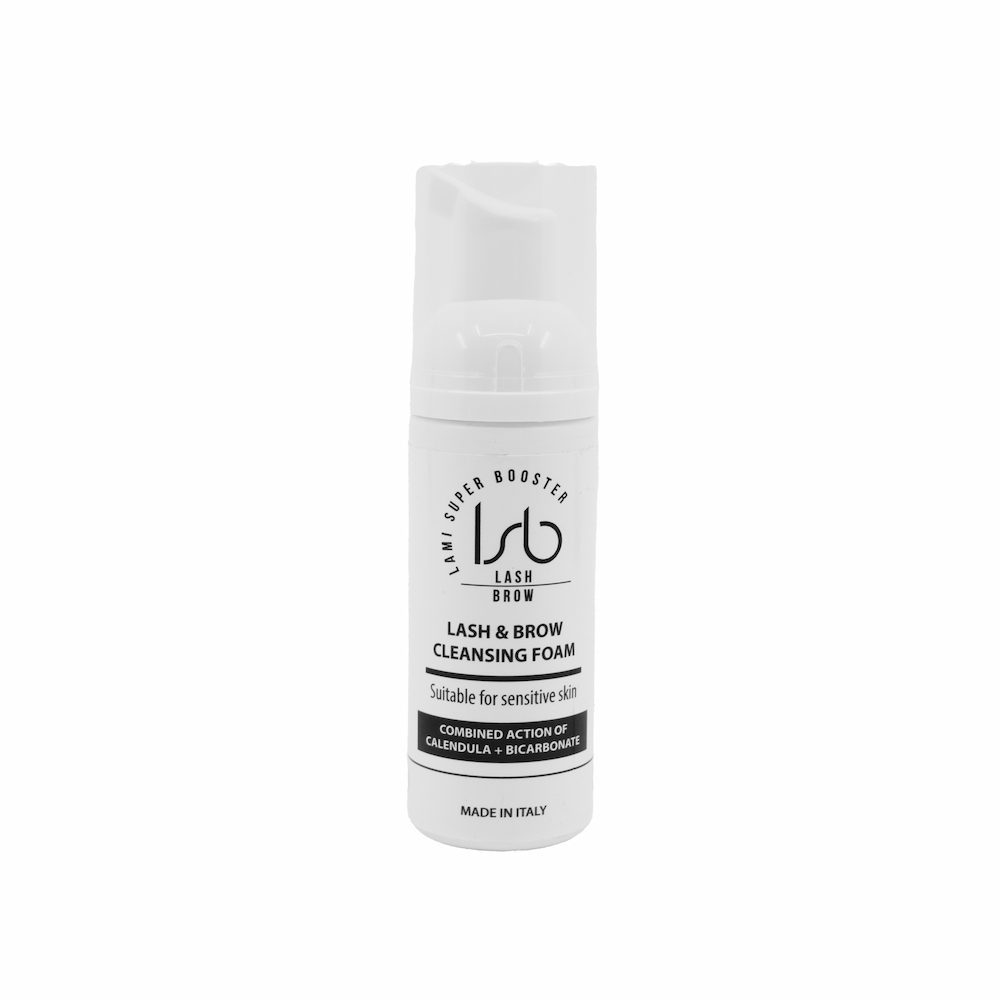
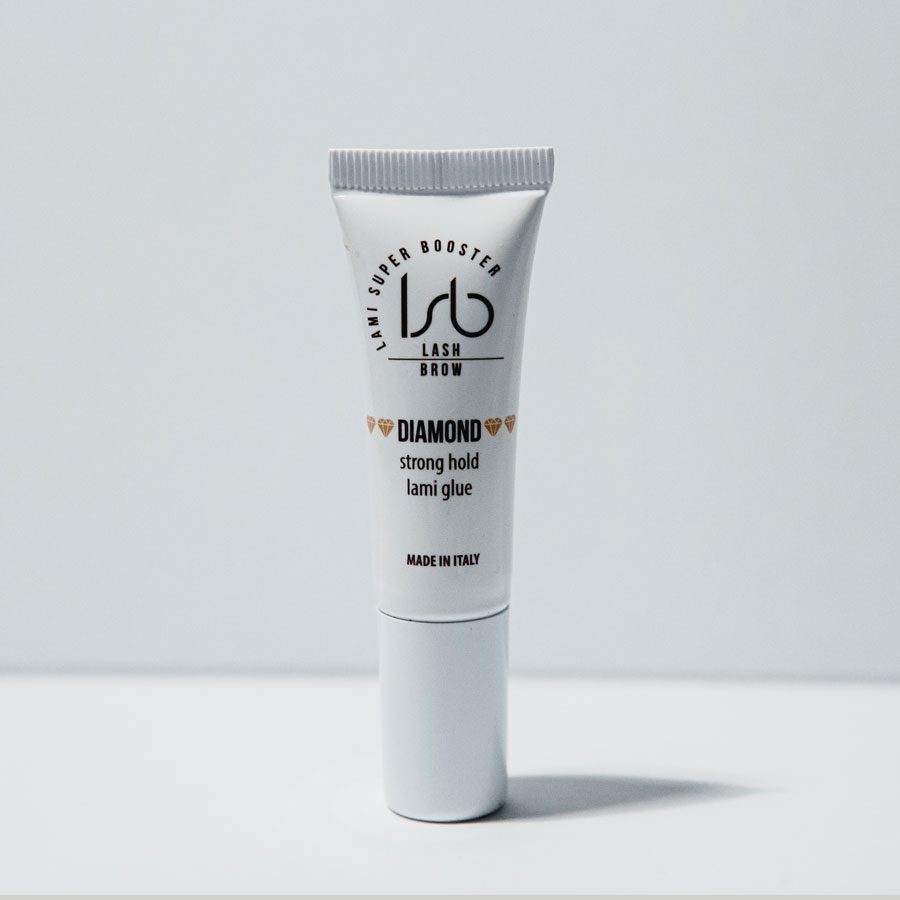
If you choose to proceed with a treatment after the first trimester and only with documented healthcare provider approval, a 48-hour patch test is mandatory. Even for regular clients, their current hormonal state necessitates a fresh assessment before every appointment. Technicians should apply a 1mm layer of each product – including the cleanser, lifting lotion, fixing lotion, and tint – to a discreet area like the inner elbow or behind the ear to monitor for erythema, itching, or swelling.
Clinical Protocols for Expectant Clients
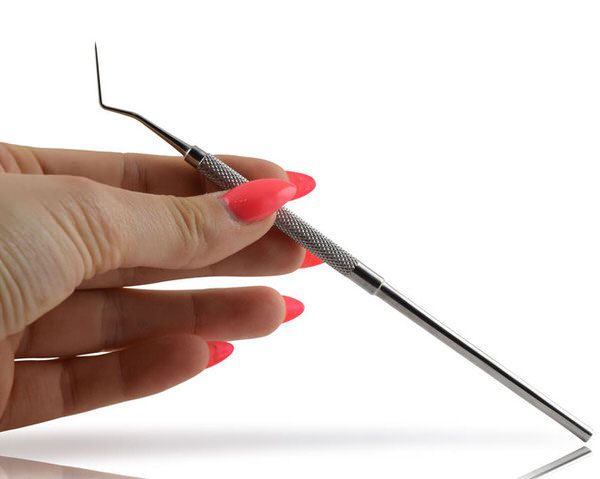
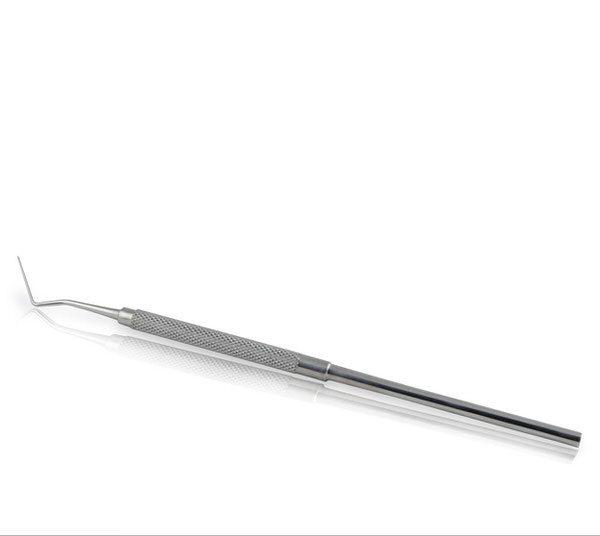
If a client has received medical clearance and both parties agree to proceed, certain modifications to your technique can help mitigate risks. Ventilation is the first priority; ensure your workstation is well-ventilated to minimize the inhalation of fumes from thioglycolates, which can trigger nausea or respiratory irritation. Precision is equally vital; utilizing high-quality brow lamination tools ensures that the product stays strictly on the hair and away from the delicate skin. You should also apply a barrier cream around the brow perimeter to minimize accidental skin contact.
Client positioning must also be adjusted for safety and comfort. After 20 weeks of gestation, you must avoid laying the client flat on their back for extended periods to prevent supine hypotensive syndrome. Instead, use an adjustable bed to maintain a semi-reclined position at a 30–45° angle. Furthermore, because of the potential for increased hair porosity, you should monitor brows every 2 minutes during the chemical phases. It is often safer to under-process slightly than to risk damaging the brows of a pregnant client.
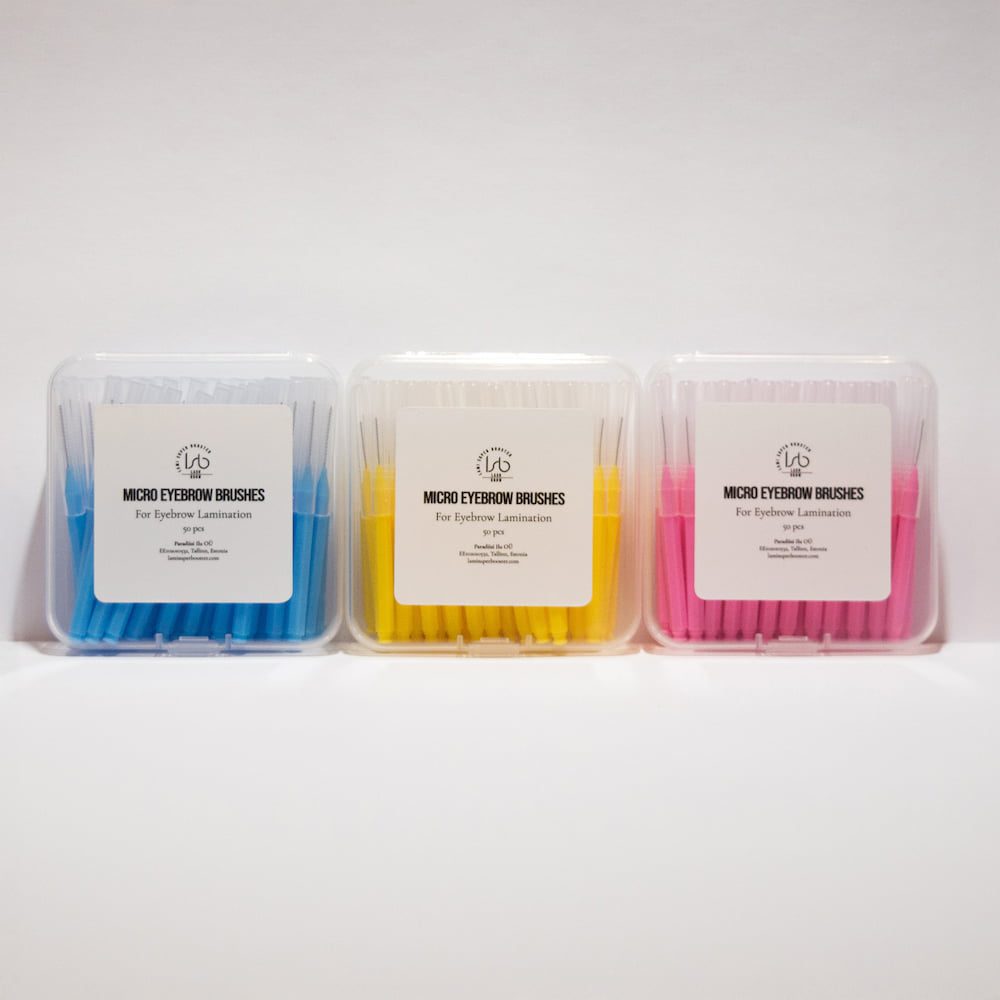
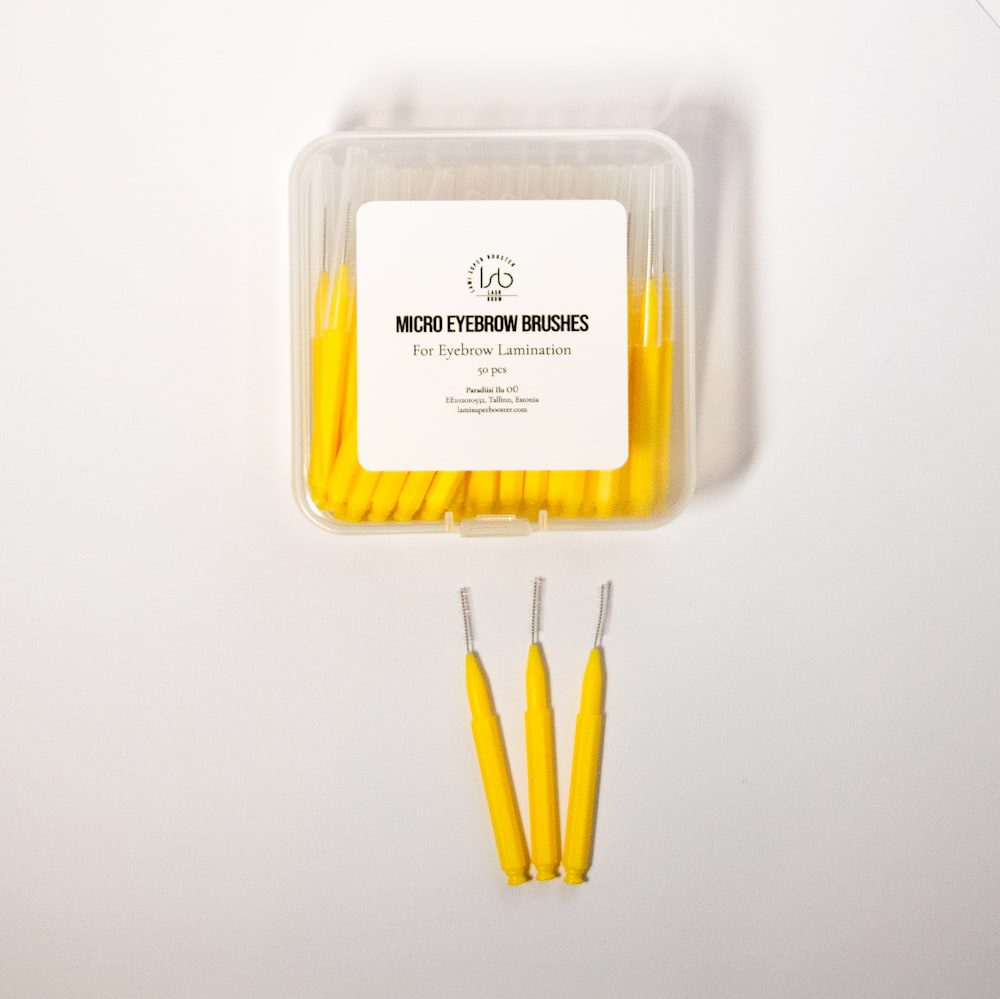
50 Micro Eyebrow Brushes
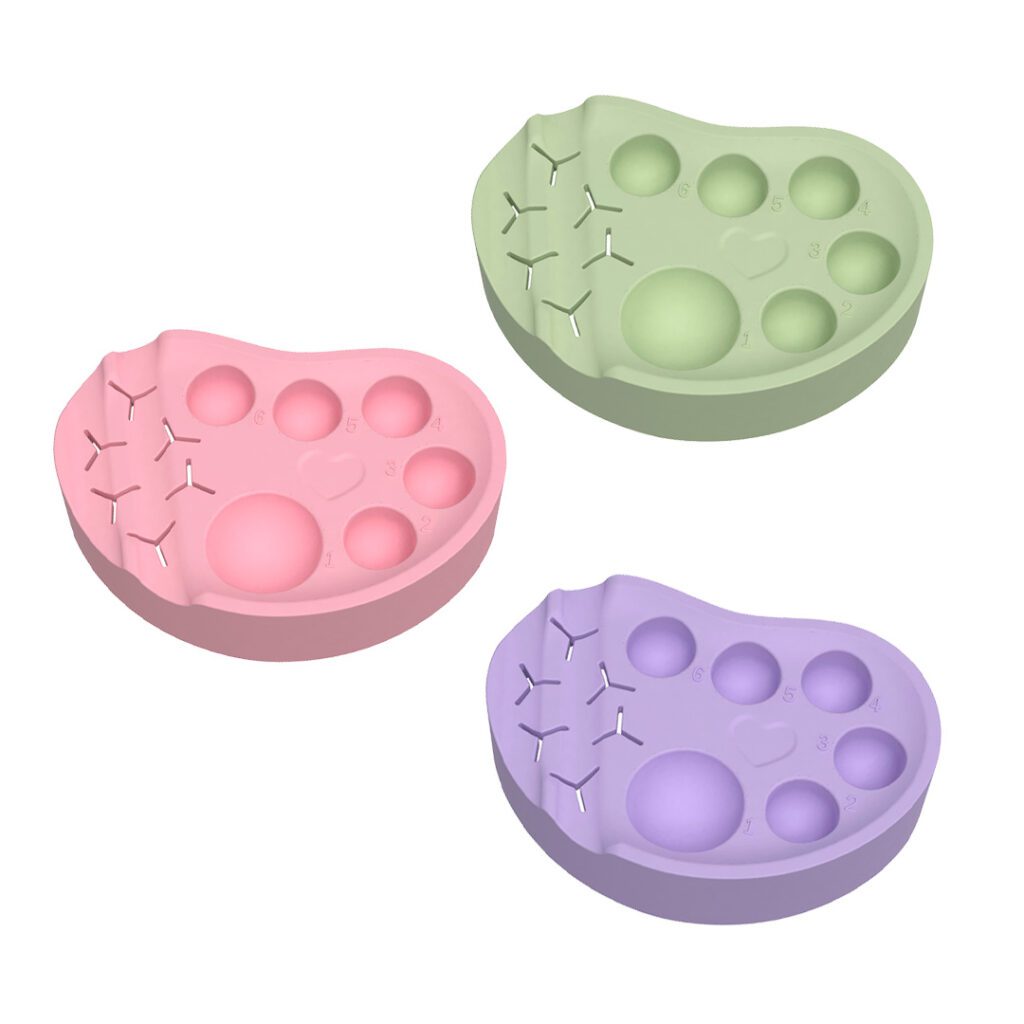
Lash Lift and Brow Lamination Palette
Professional Guidance and Alternatives
It is your responsibility to inform the client that how often you can laminate brows may change during this period due to the hair’s altered growth cycle. If the risk of a reaction or poor retention is high, professionals should suggest safer alternatives. A simple brow shape and a gentle tint, provided the patch test is clear, can provide a refreshed look without intensive chemical processing. For broader context on related services, you may also review the protocols for lash lifts during pregnancy and general pregnancy-specific lash treatments.
Always document the consultation thoroughly, noting the client’s trimester, their doctor’s approval, and the specific results of the patch test. Obtaining a signed waiver that outlines the risks of hormonal interference and sensitivity is a standard professional practice to protect your business and the client. By prioritizing the health of the client and the integrity of the brow hair, you provide an expert level of care that builds long-term trust.
To ensure you have the gentlest and most effective products for all your clients, explore our professional systems and tools to elevate your salon standards.