


Professional brow shaping is the foundational skill that elevates a standard beauty treatment into a bespoke facial enhancement service. For beauty technicians, mastering the architecture of the brow is an essential prerequisite before proceeding with advanced chemical services like brow lamination or eyebrow tinting. A well-executed shape does more than just remove stray hairs; it balances the facial features, opens the eye area, and provides a clean framework that ensures long-lasting, symmetrical results.
Precision Brow Mapping by Face Shape
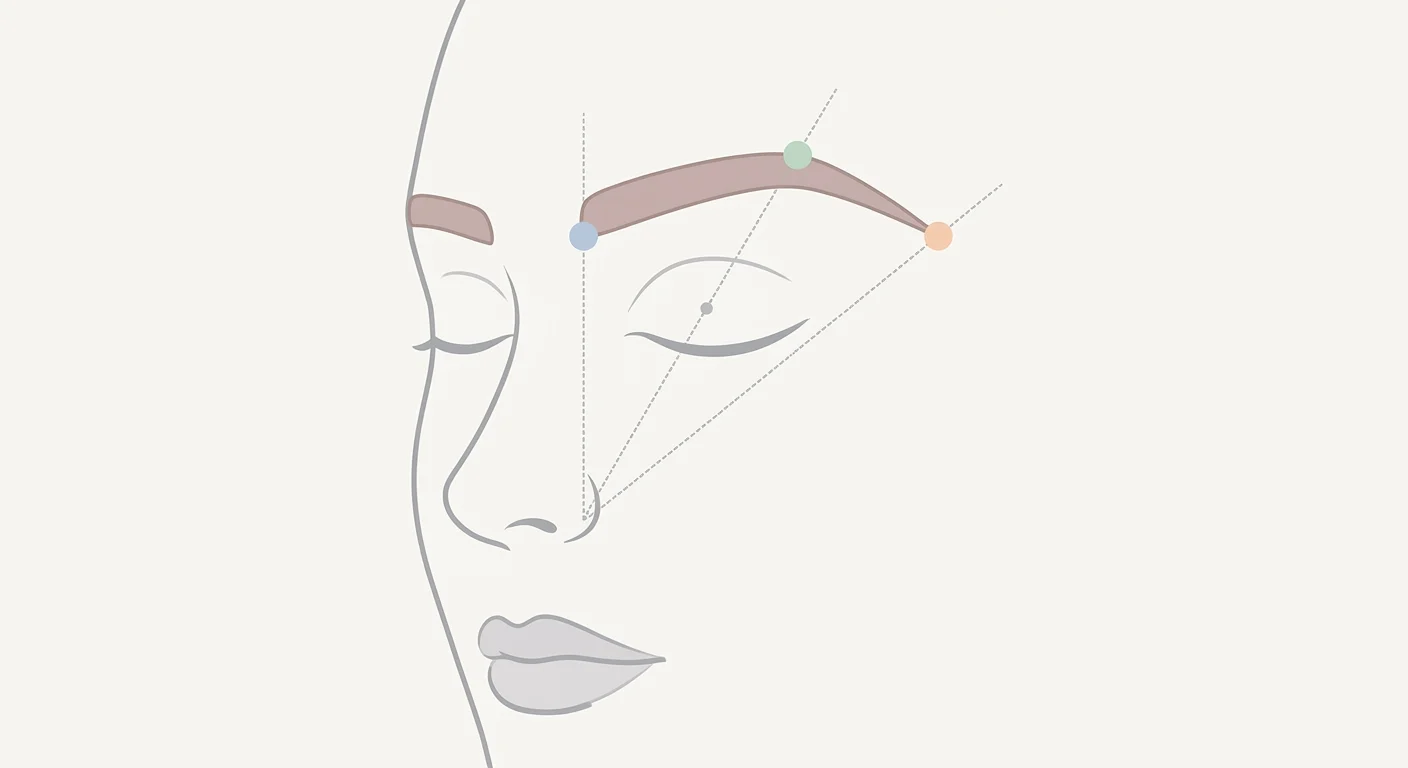
Successful shaping begins with meticulous mapping, a process that uses the client’s own bone structure to determine the ideal eyebrow length and arch placement. Using a mapping string or a fine-tipped brush, technicians should identify three key landmarks based on the Golden Ratio: the start of the brow (aligned with the nostril and the inner corner of the eye), the peak of the arch (a diagonal line from the nostril through the outer edge of the iris), and the tail (a line from the nostril through the outer corner of the eye). It is critical that the tail never drops below the level of the starting point to avoid creating a “drooping” effect on the eye.
To achieve a good brow shape, these landmarks must be adapted to the client’s specific facial structure. Oval faces are versatile and typically suit a soft, natural arch that maintains the face’s inherent balance. For round faces, creating a higher, sharper angled arch adds much-needed structure and provides the illusion of a longer face. Conversely, square faces benefit from a curved, soft peak that helps soften a strong, angular jawline. Heart-shaped faces require rounded, full brows to balance a wider forehead and a delicate chin, while long faces should be shaped with a flatter, low arch and a slightly horizontal tail to visually widen the face. Finally, diamond-shaped faces are best balanced by a curved arch that peaks just above the outer iris edge, which helps to minimize the appearance of wide cheekbones.
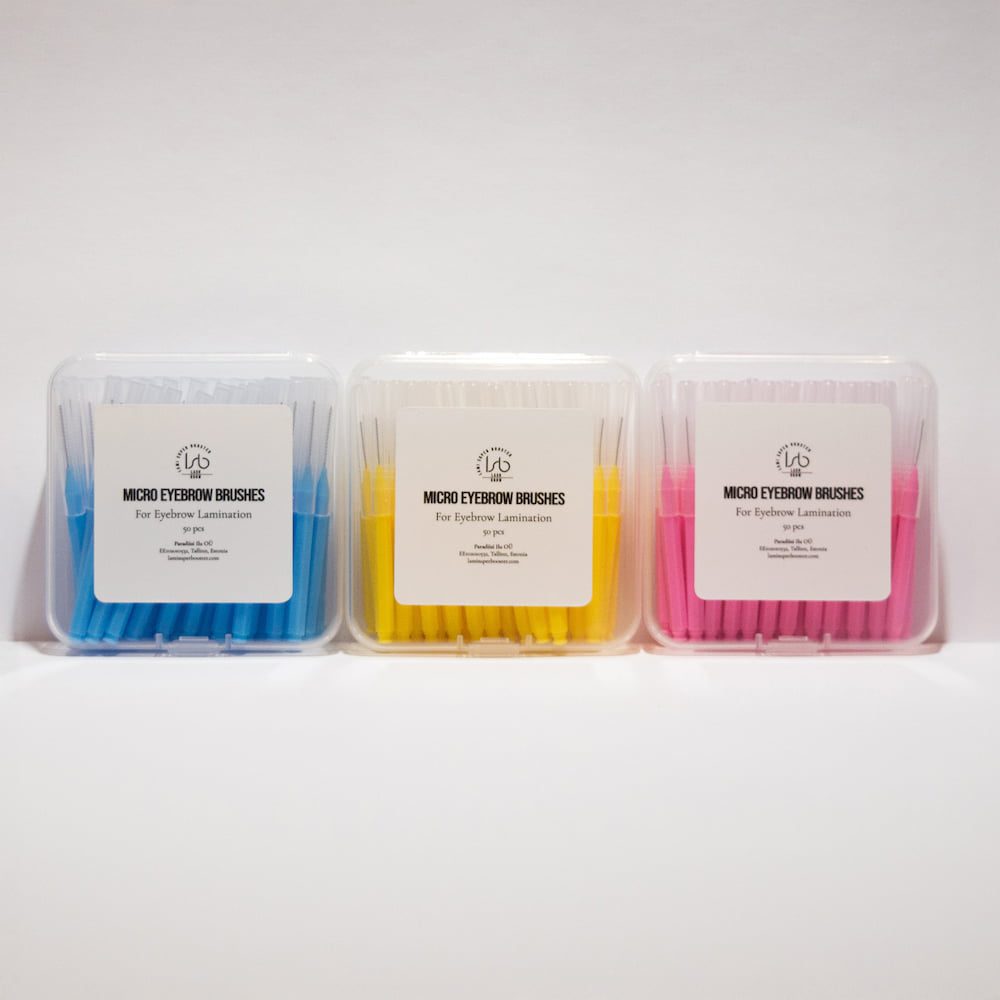
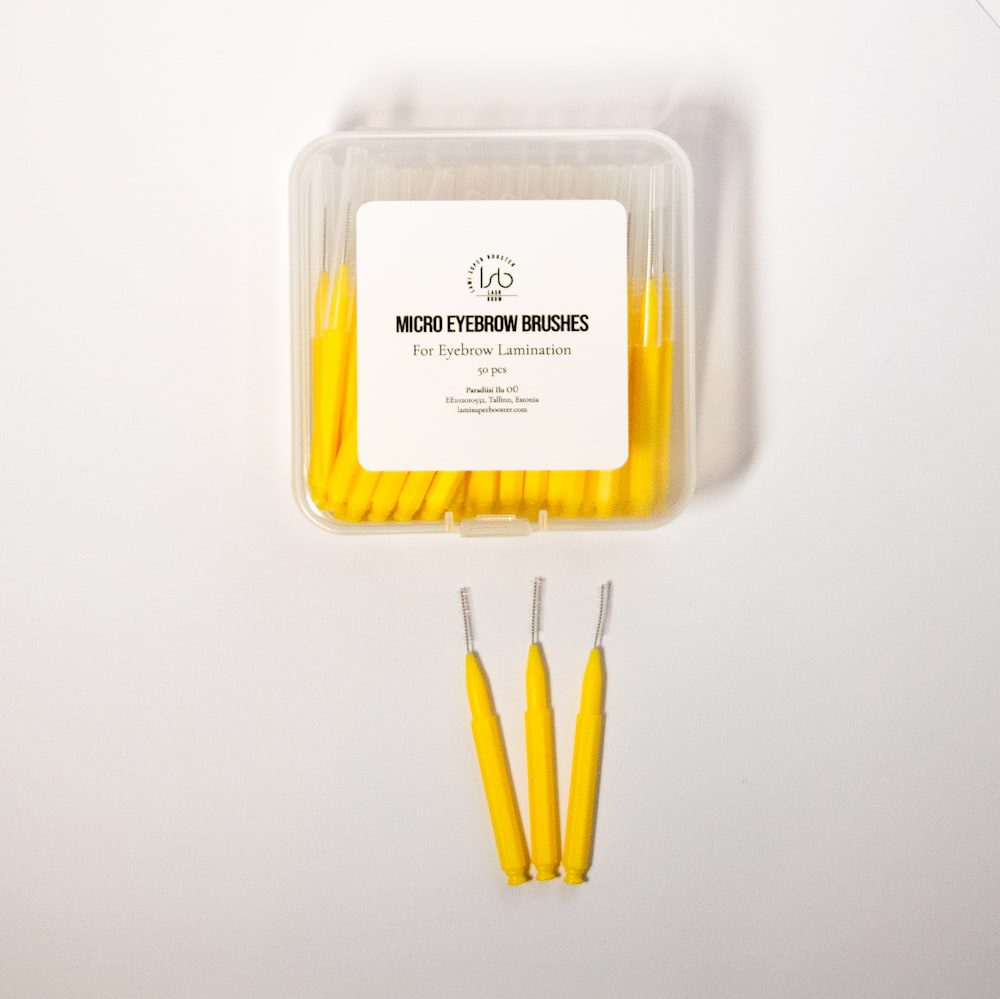
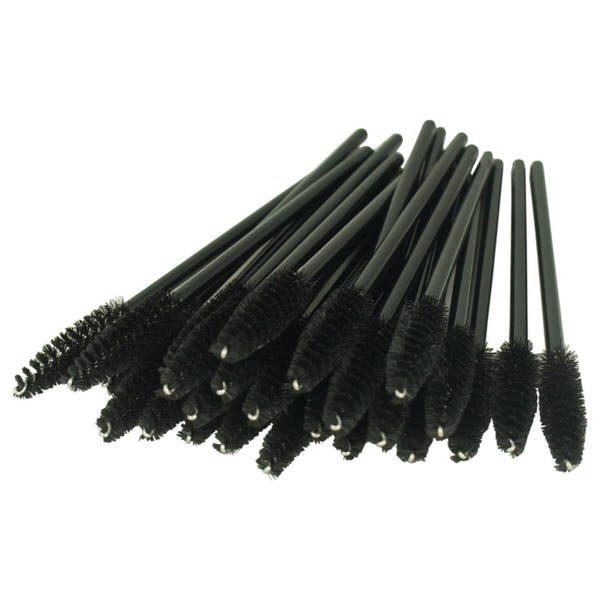
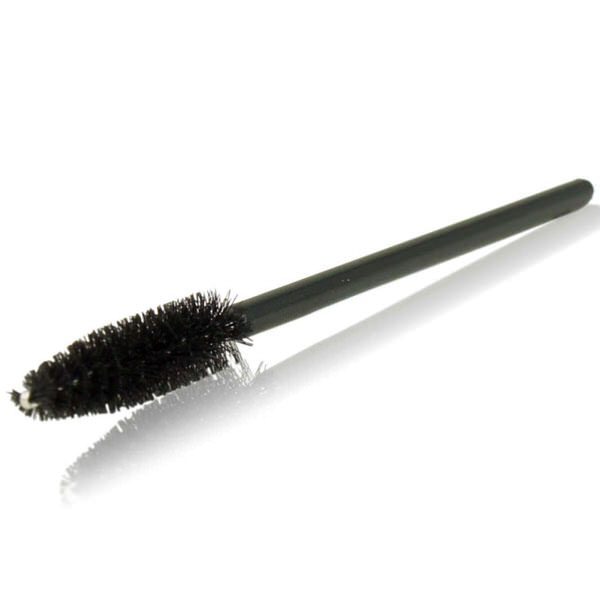
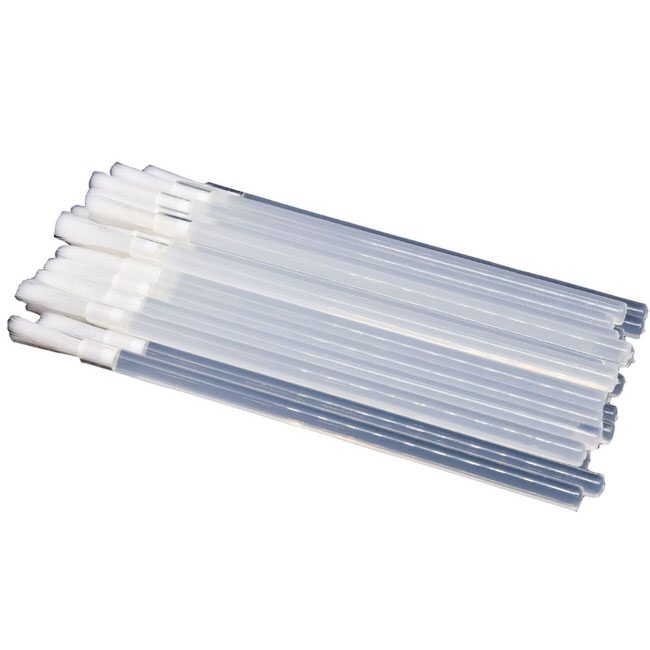
50 Micro Eyebrow Brushes
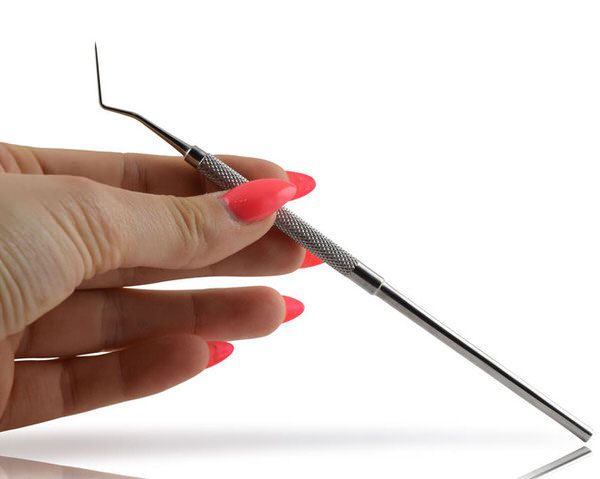
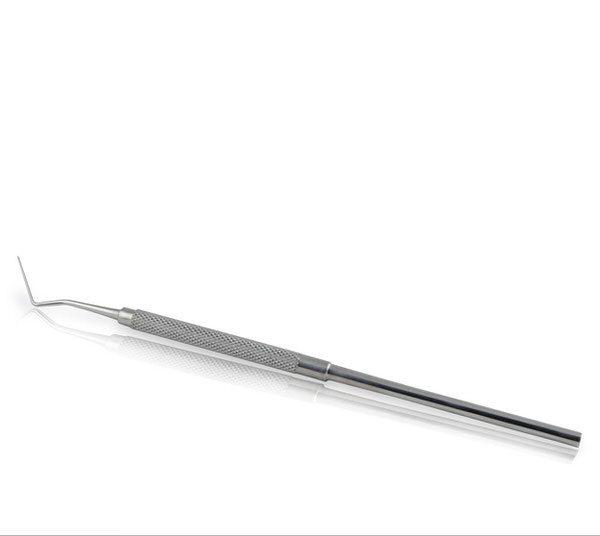
Technical Execution: Trimming and Grooming
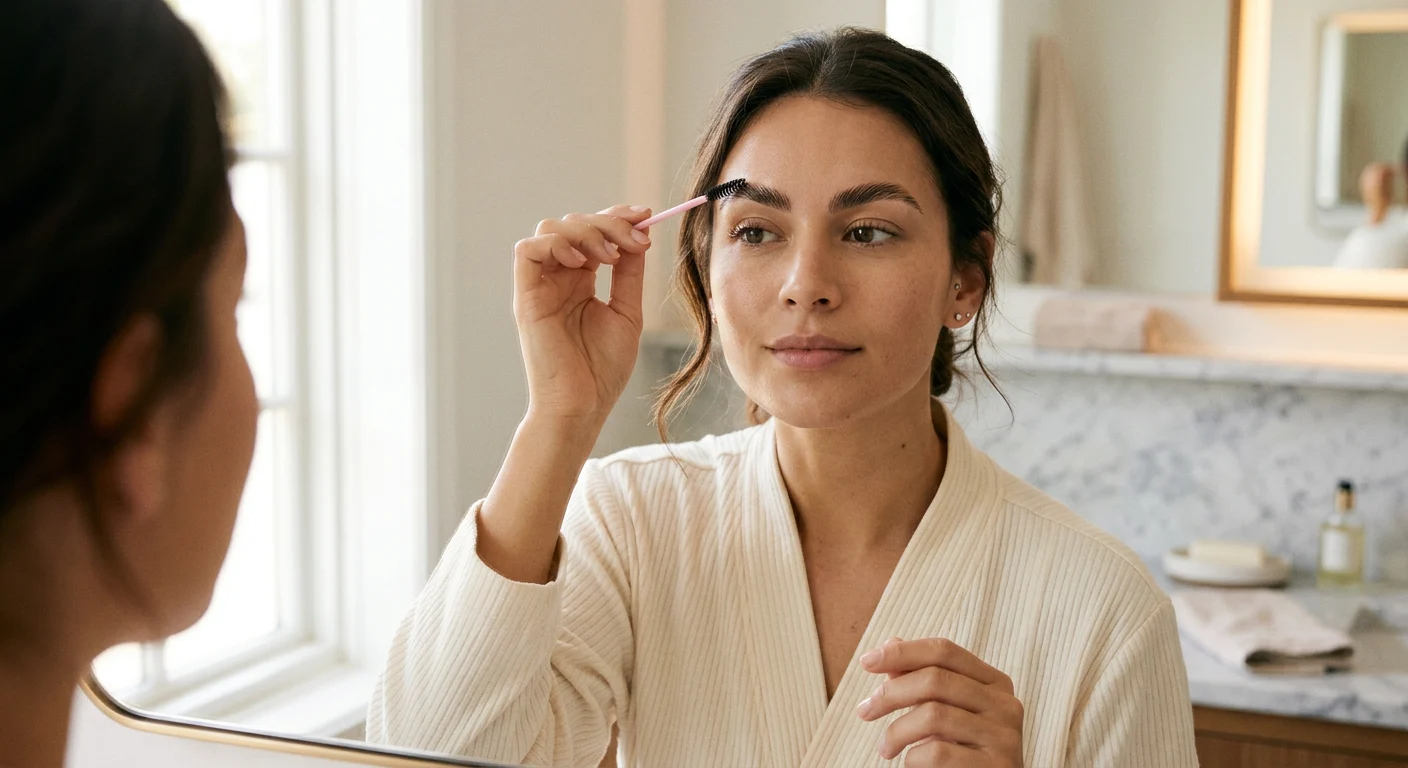
Trimming is a vital step for removing bulk and creating a clean silhouette without sacrificing the client’s natural density. Technicians should begin by using a spoolie to comb the hairs upward. For professional precision, use sharp, straight-blade scissors to cut only the excess length that extends beyond the mapped outline. It is important to leave the hairs at a typical length of 5–7mm to ensure they lay flat against the skin.
Rather than cutting straight across in a horizontal line, hold the scissors at a 45-degree vertical angle. This technique creates a softer, feathered edge that looks natural and prevents the harsh, “boxed” appearance that often results from improper trimming. For clients with coarse hair, technicians must trim conservatively, cutting only 1mm at a time to avoid creating accidental gaps. For those with fine or sparse hair, minimal trimming is required to maintain the appearance of brow hair growth and maximize existing volume.
Professional Waxing Protocols
Waxing allows for the efficient removal of fine vellus hair while creating the sharp, defined lines many clients desire. When working with professional-grade hard wax, technicians must monitor the warmer to maintain a temperature between 45°C and 55°C, resulting in a smooth, honey-like consistency. Before the application begins, technicians must perform a thorough consultation to check for contraindications such as active infections, recent fillers, or the use of retinoids, which can significantly increase the risk of skin lifting.
To execute the wax, apply a thin 1mm layer in the direction of hair growth, ensuring the wax is pressed firmly into the hair to encapsulate every strand. After allowing the wax to set for 15–30 seconds, hold the skin taut with one hand to minimize trauma. Remove the wax using a low, fast motion at a 45-degree angle against the direction of growth. This method ensures a clean pull and reduces the risk of hair breakage or skin irritation.
Threading for Definition and Sensitivity
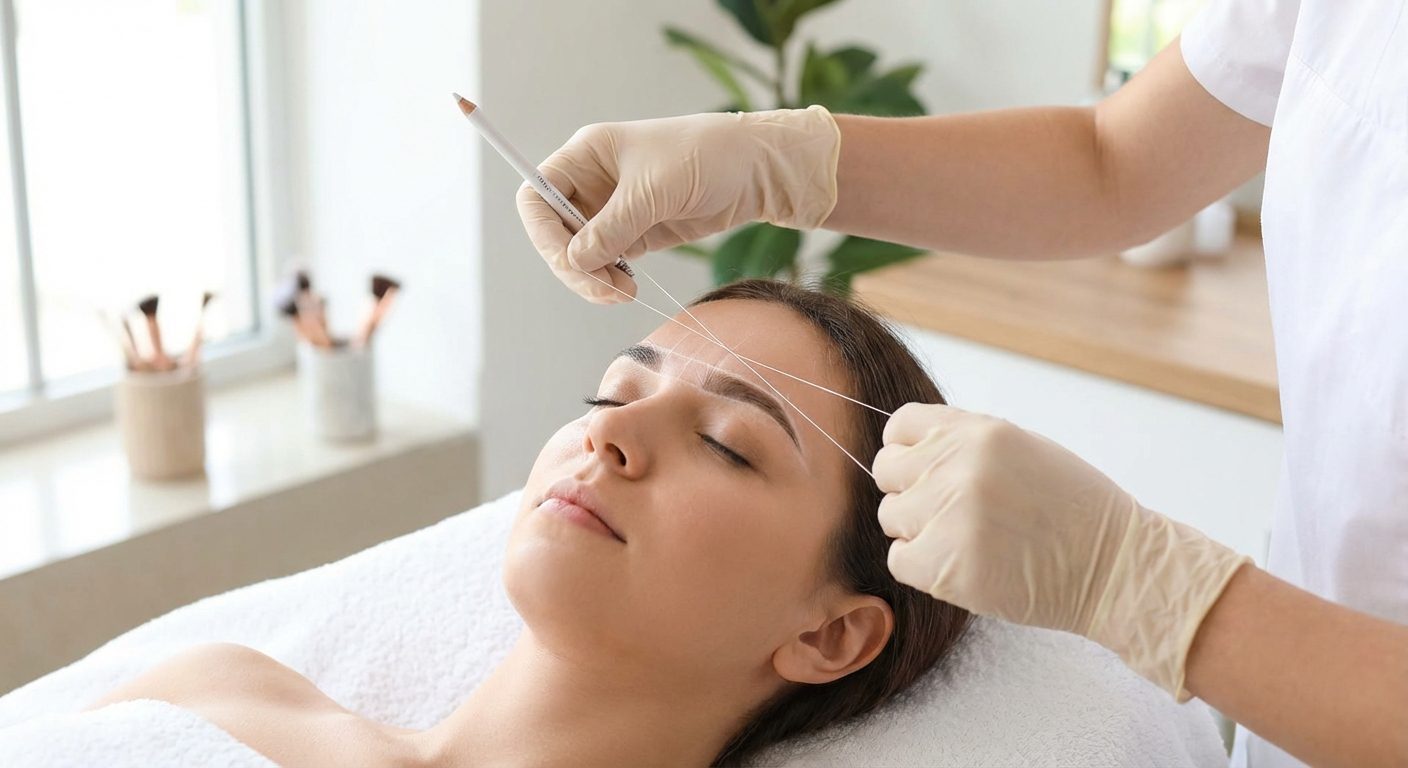
Threading is an ideal alternative for clients with sensitive skin or those whose current medications exclude the use of wax. This technique utilizes a twisted cotton thread to pull hairs directly from the follicle with extreme precision. By forming a “diamond” shape with the thread and maintaining steady tension with the index fingers and thumbs, the technician can target individual hairs or clean entire rows in a single pass.
Focus the most precise twists on the arch and the tail to create a crisp, high-definition finish. To minimize client discomfort during the procedure, it is essential that the skin is stretched firmly, either by the client or an assistant. Following the service, applying a cool compress or a soothing gel helps to calm the skin and reduce any temporary redness. Threading provides a level of detail that is often difficult to achieve with wax alone, making it a favorite for refining the final shape.
Integrating Shaping with Lamination and Tinting
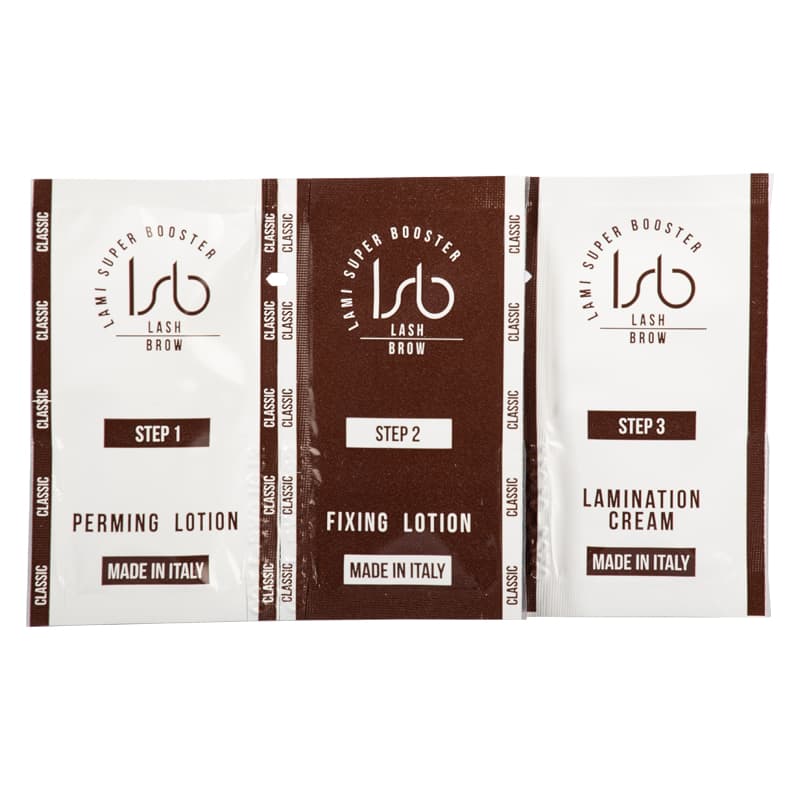
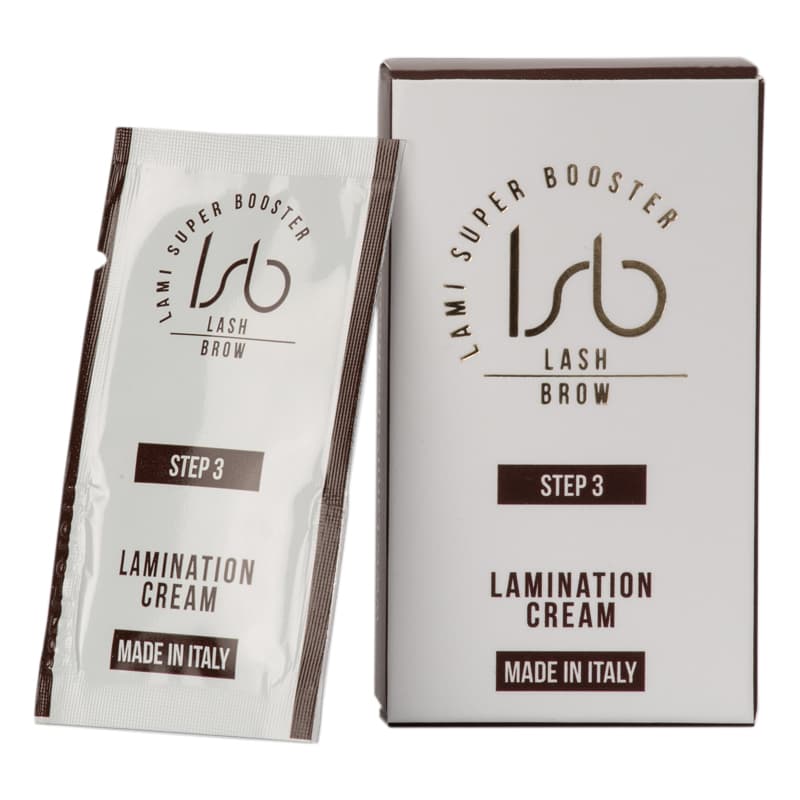
For the most impactful results, shaping should be sequenced carefully with other chemical treatments to ensure a cohesive aesthetic. If the client is undergoing brow lamination at home or in a professional salon setting, it is often best to perform the final shaping after the chemical processing steps. This allows the technician to account for the new, uplifted hair direction before removing any length or density.
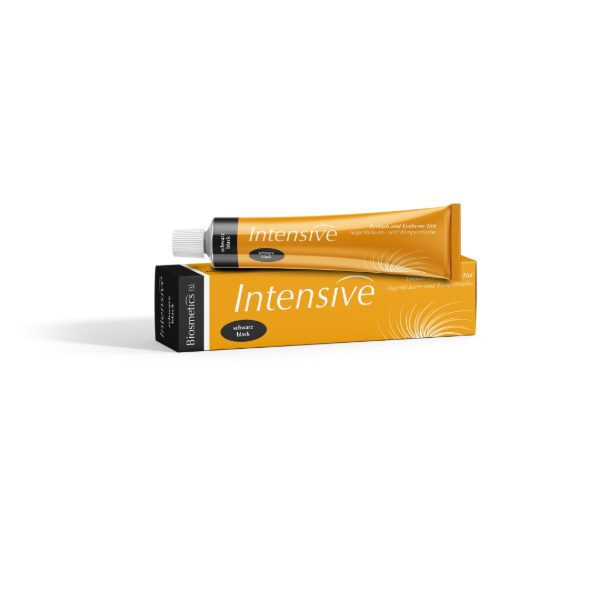
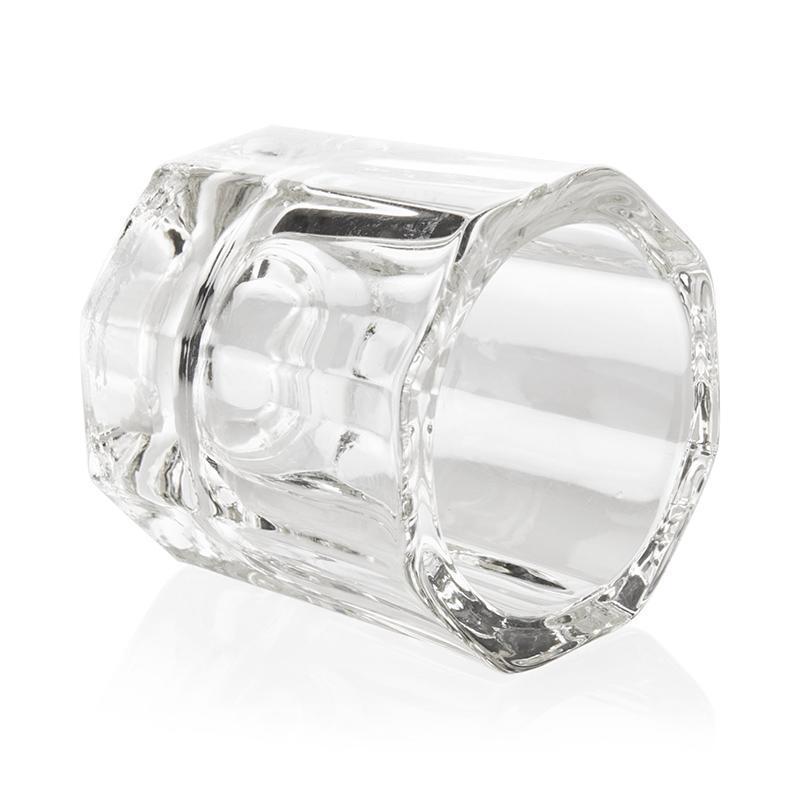
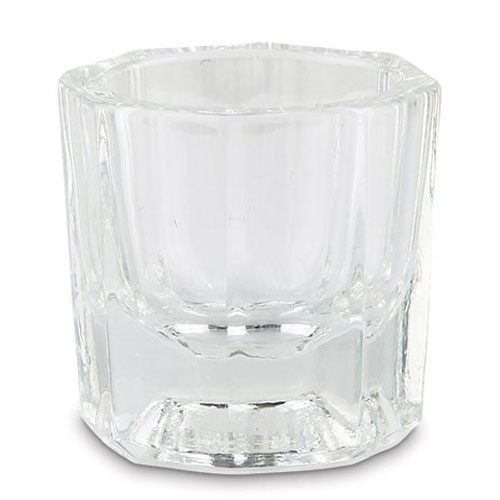
When it comes to color enhancement, using a dappen glass cup ensures the pigment and oxidant are mixed to the correct consistency for a smooth application. Whether you choose to tint before or after lamination, the mapped boundaries established at the beginning of the service serve as a guide to prevent staining outside the desired shape. This integrated approach ensures that the color, lift, and shape all work in harmony to frame the client’s face.

Post-Treatment Maintenance and Aftercare
The final step in any professional shaping service is educating the client on how to protect the skin and maintain the integrity of the brow hair. Technicians should provide clear brow lamination aftercare instructions or general post-shaping protocols, which strictly include avoiding excess water, steam, heavy exercise, and oil-based products for the first 24 hours. These precautions prevent the premature disruption of the shape and allow the skin to recover from the physical or chemical stress of the service.
To maintain follicle health and encourage resilient growth between appointments, recommend the daily use of a nourishing serum. Providing a disposable spoolie as a takeaway gift is a simple but effective professional touch, allowing the client to brush their brows into place daily. Most professional shaping results last between 4 and 6 weeks, at which point the client should return for maintenance to keep the architectural foundation of their brows intact.
Mastering these manual techniques ensures that every chemical or pigment service you provide is built upon a foundation of symmetry and facial harmony. By combining precise mapping with disciplined waxing and threading protocols, you provide a high-value service that keeps clients returning for your professional expertise.
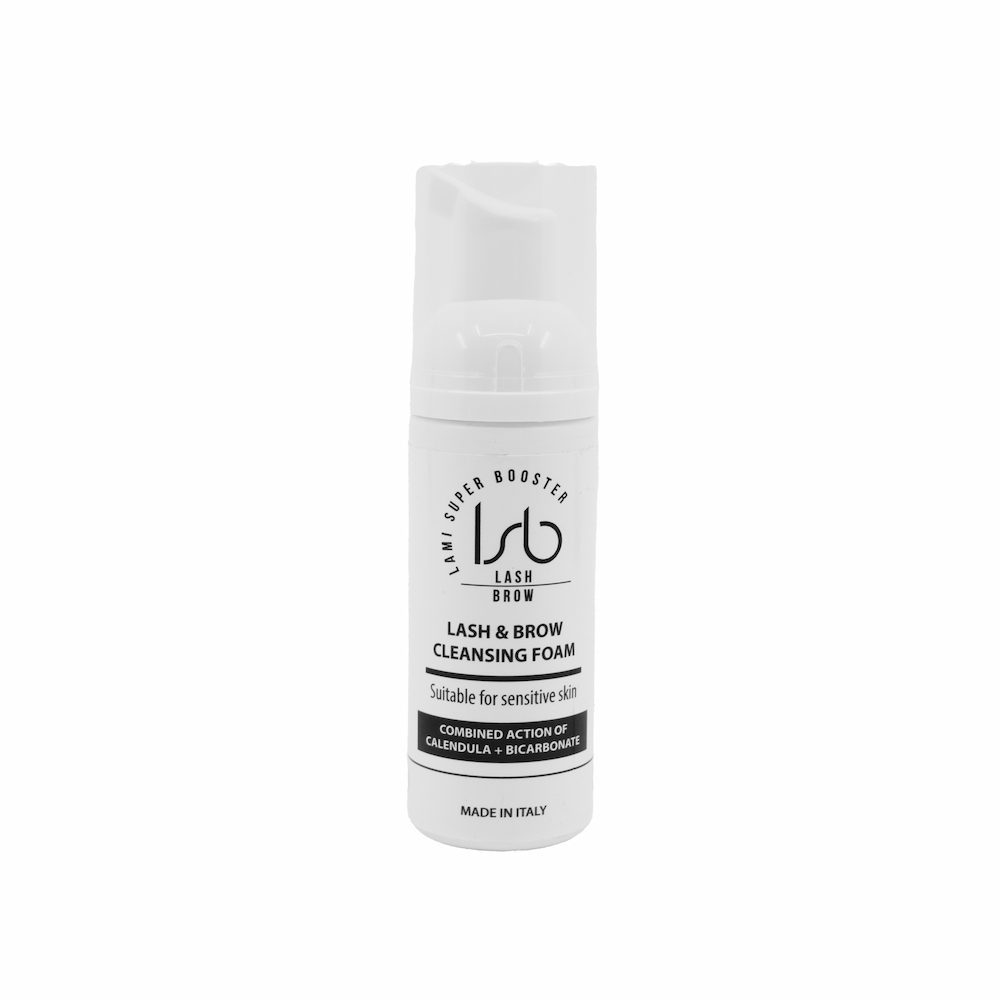
Equip your workstation with professional-grade tools and Italian-made formulations to deliver the perfect brow every time by exploring our Professional Brow Kits.