For beauty technicians, helping a client achieve their ideal brow shape requires a deep understanding of different enhancement methods. Two of the most sought-after services in the modern beauty industry are brow lamination and microblading. While both aim to deliver fuller, more defined arches, they operate on completely different technical levels.
One relies on the chemical restructuring of the hair follicle, while the other involves semi-permanent dermal pigmentation. To guide clients toward the correct treatment, professionals must understand the technical mechanics, longevity profiles, and suitability requirements of each service.
Procedural Mechanics and Chemistry
Brow Lamination
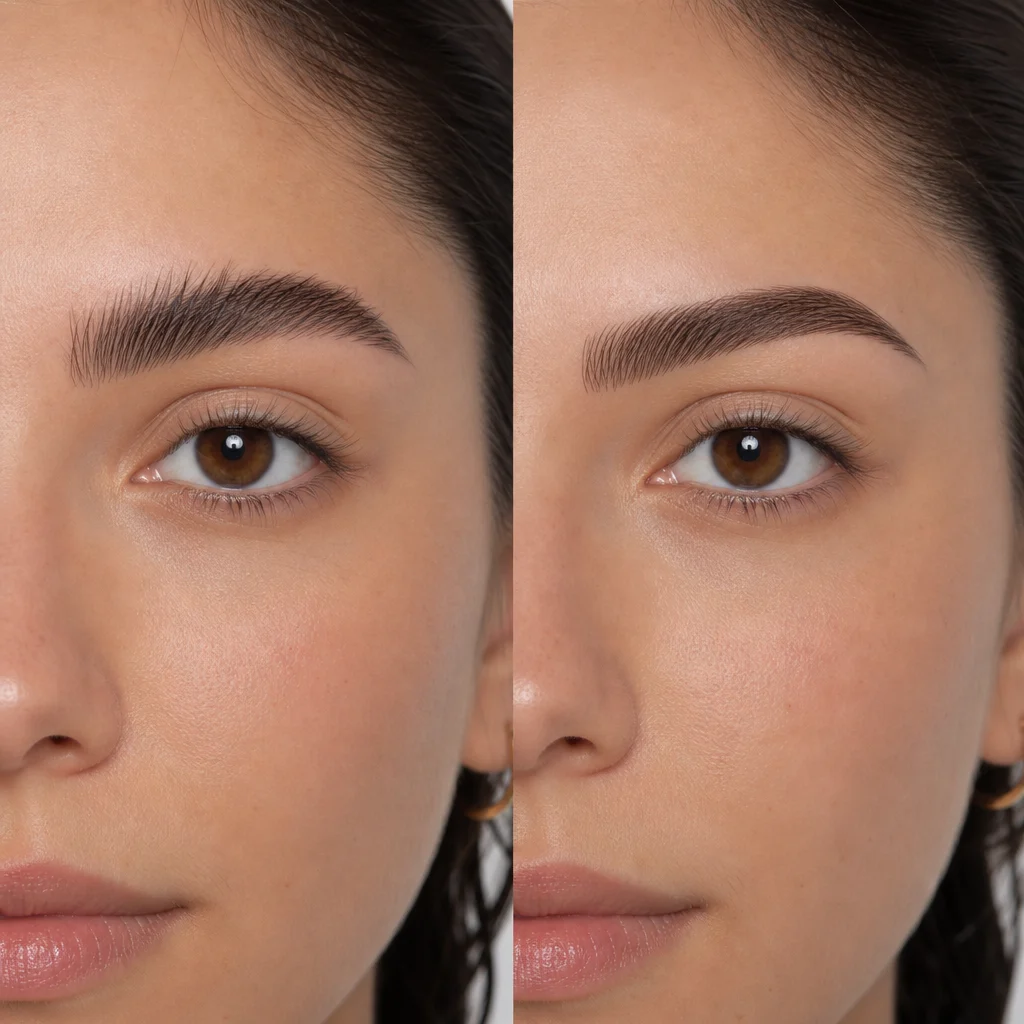
Brow lamination is a non-invasive chemical process that restructures brow hair to keep it in a desired, styled position. The process acts as a temporary realignment system for unruly, curly, or downward-pointing hairs.
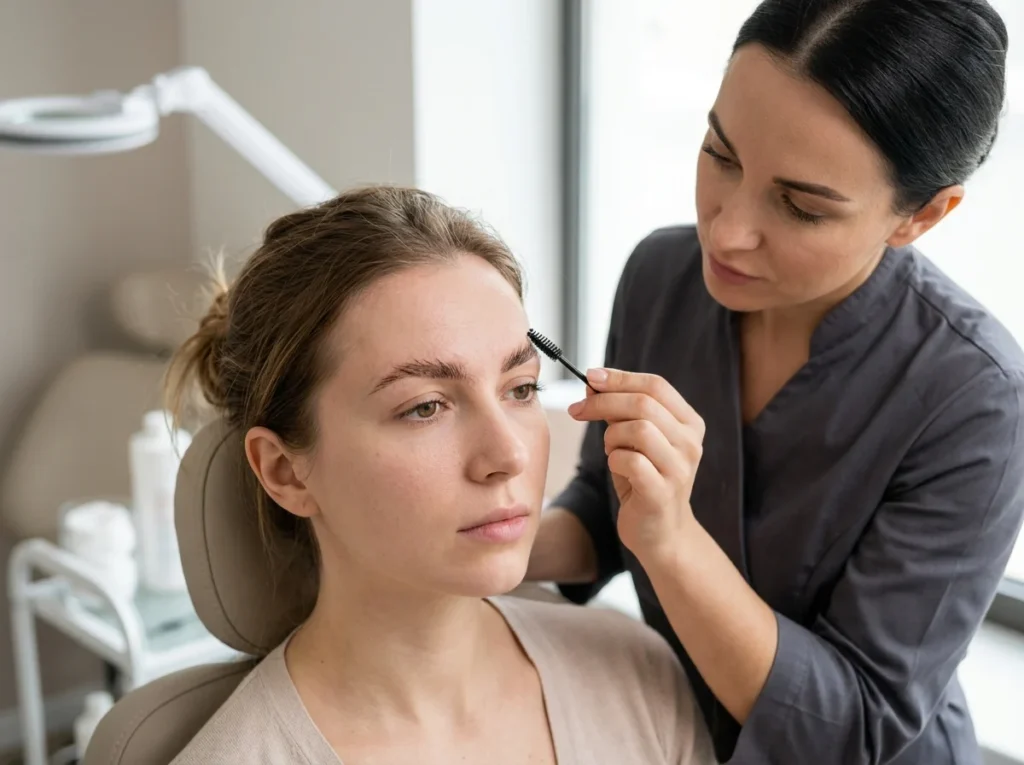
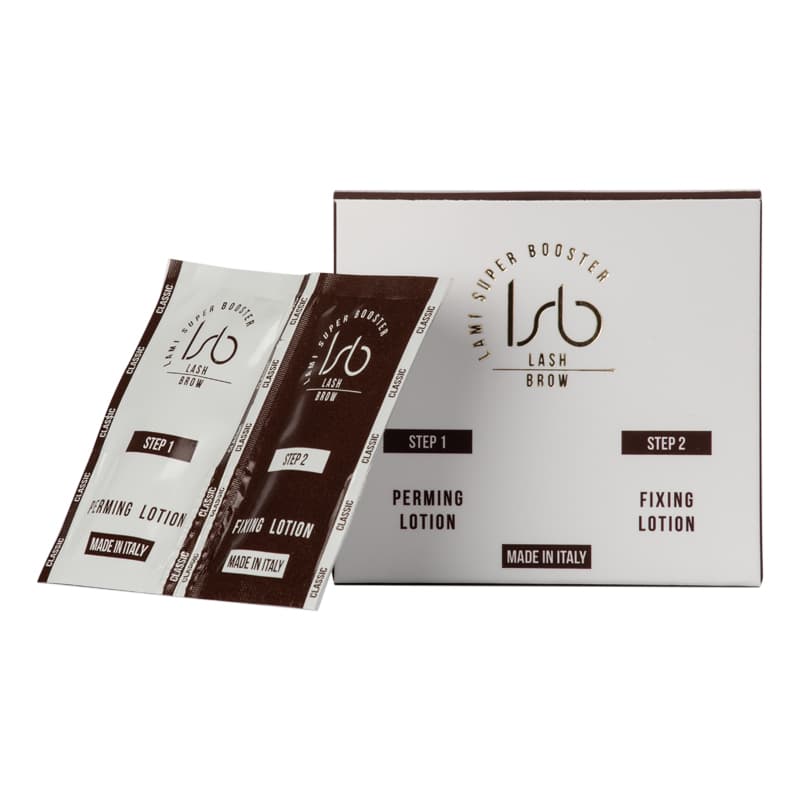
Technicians initiate the process by applying a lifting lotion containing reducing agents, such as cysteamine hydrochloride or ammonium thioglycolate. This lotion breaks down the disulfide bonds within the keratin structure of the hair, softening the inner polypeptide chain. Once the hair is rendered flexible, the technician uses precise brow shaping techniques to brush and secure the hairs into a uniform, upward direction.
A neutralizing or fixing lotion is then applied to reform the disulfide bonds in their new configuration, locking the hair into the stylized shape. The timing of these chemical solutions must be monitored with high precision. Over-processing risks burning or curling the hair shafts, making precise timing and formula selection critical.
To achieve reliable and consistent structural change, professionals use advanced, dual-purpose formulations that offer precise application without slipping.
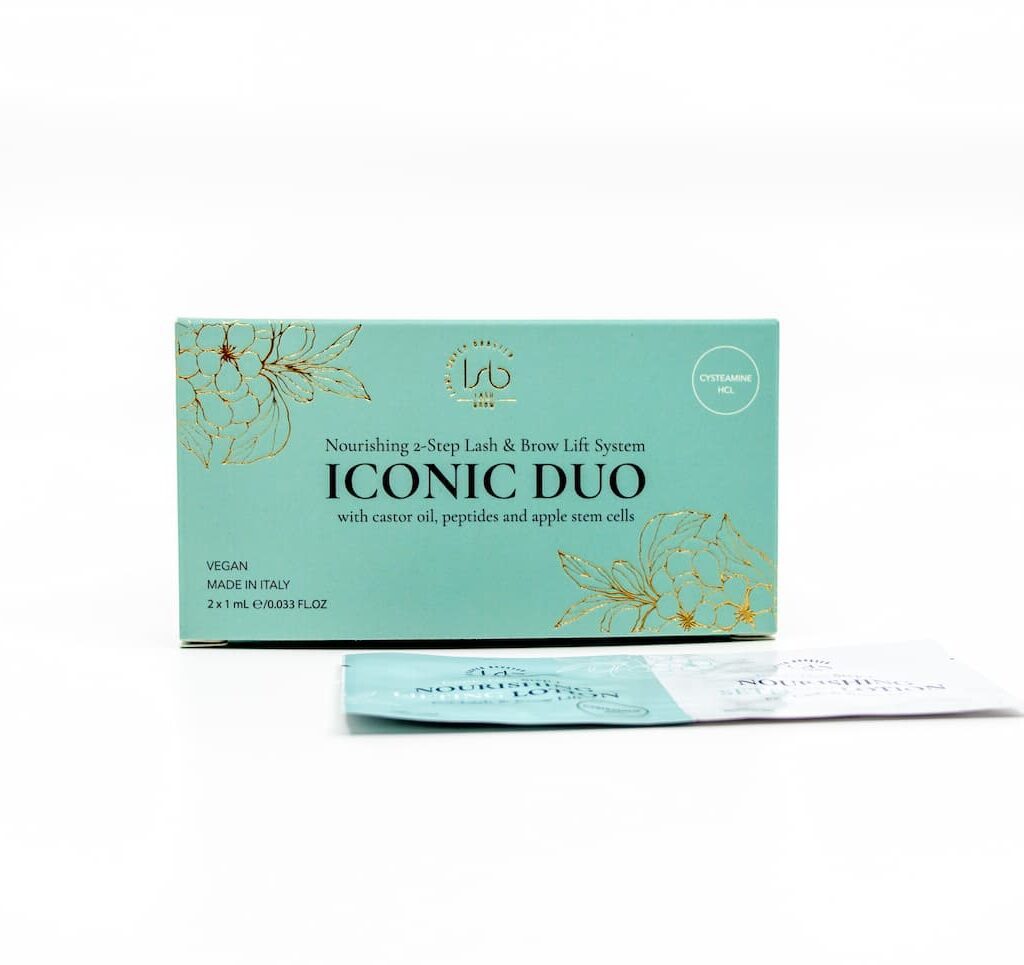
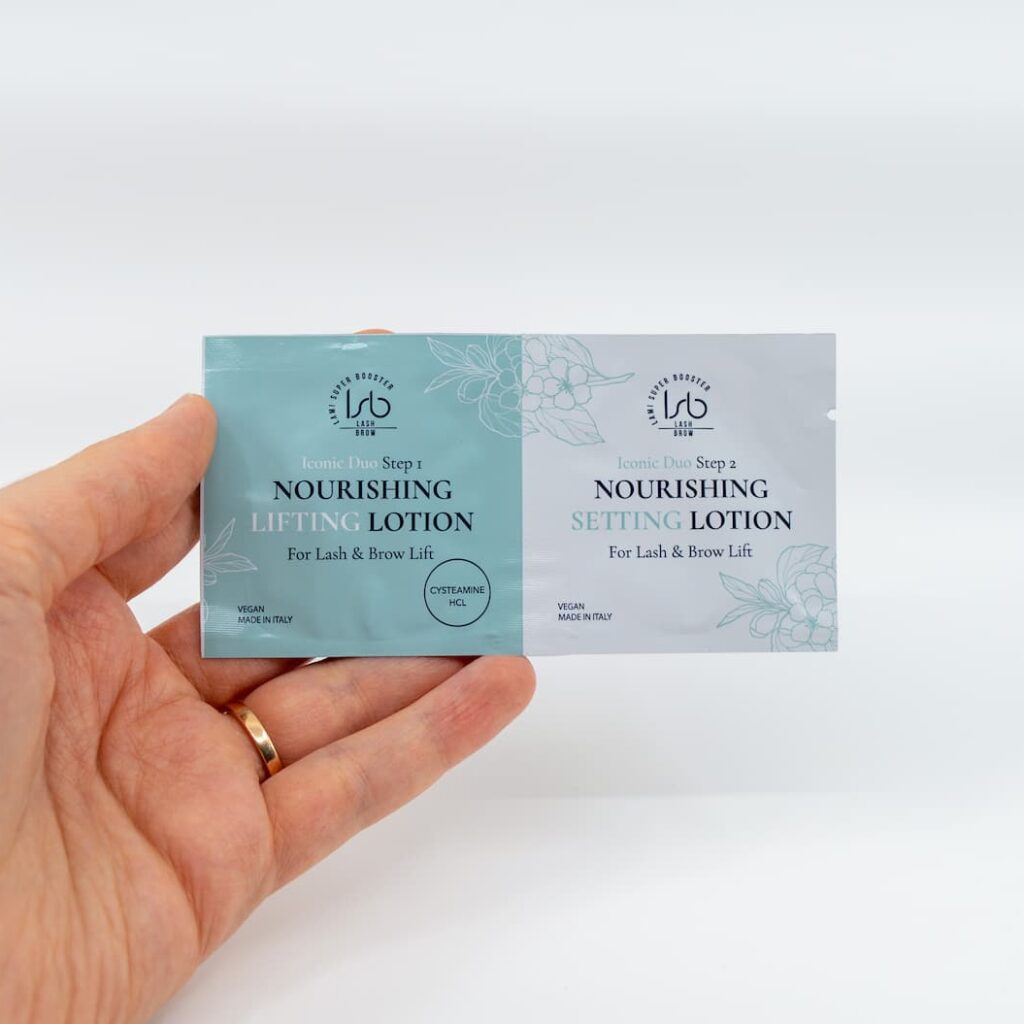
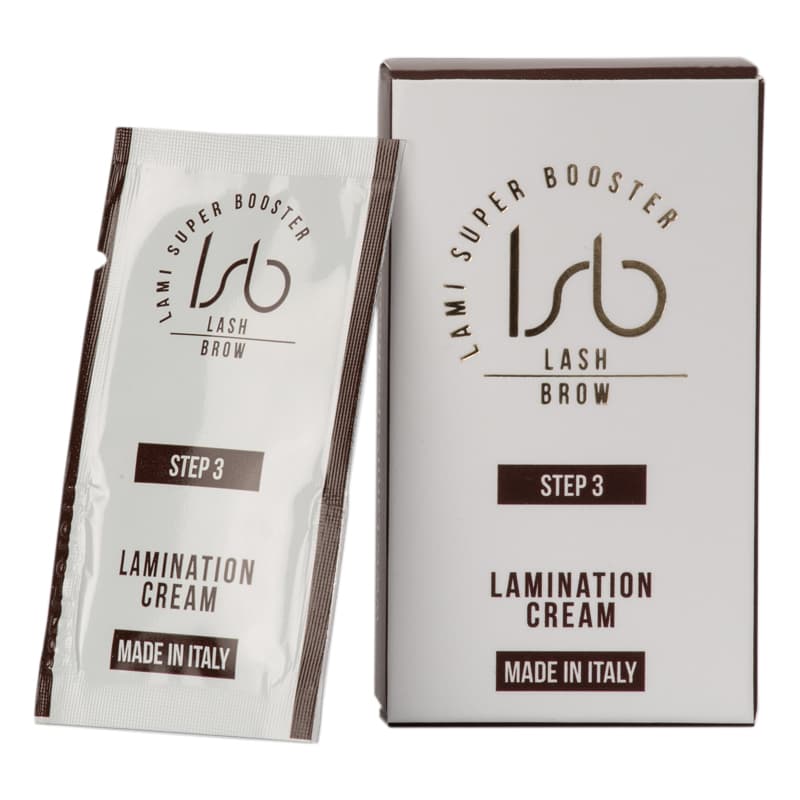
The final step of this revolutionary beauty treatment involves a deeply conditioning lamination cream to close the hair cuticle, restore moisture, and shield the restructured hairs from environmental stressors. Applying a nourishing agent infused with keratin, argan oil, and amino acids helps maintain hair integrity over time.
Microblading
Unlike the hair-manipulating chemistry of lamination, microblading is an invasive, semi-permanent cosmetic tattooing technique. Technicians use a specialized hand tool equipped with a configuration of fine, sterile needles (usually 12 to 18 micro-needles) to create precise, shallow incisions in the skin.
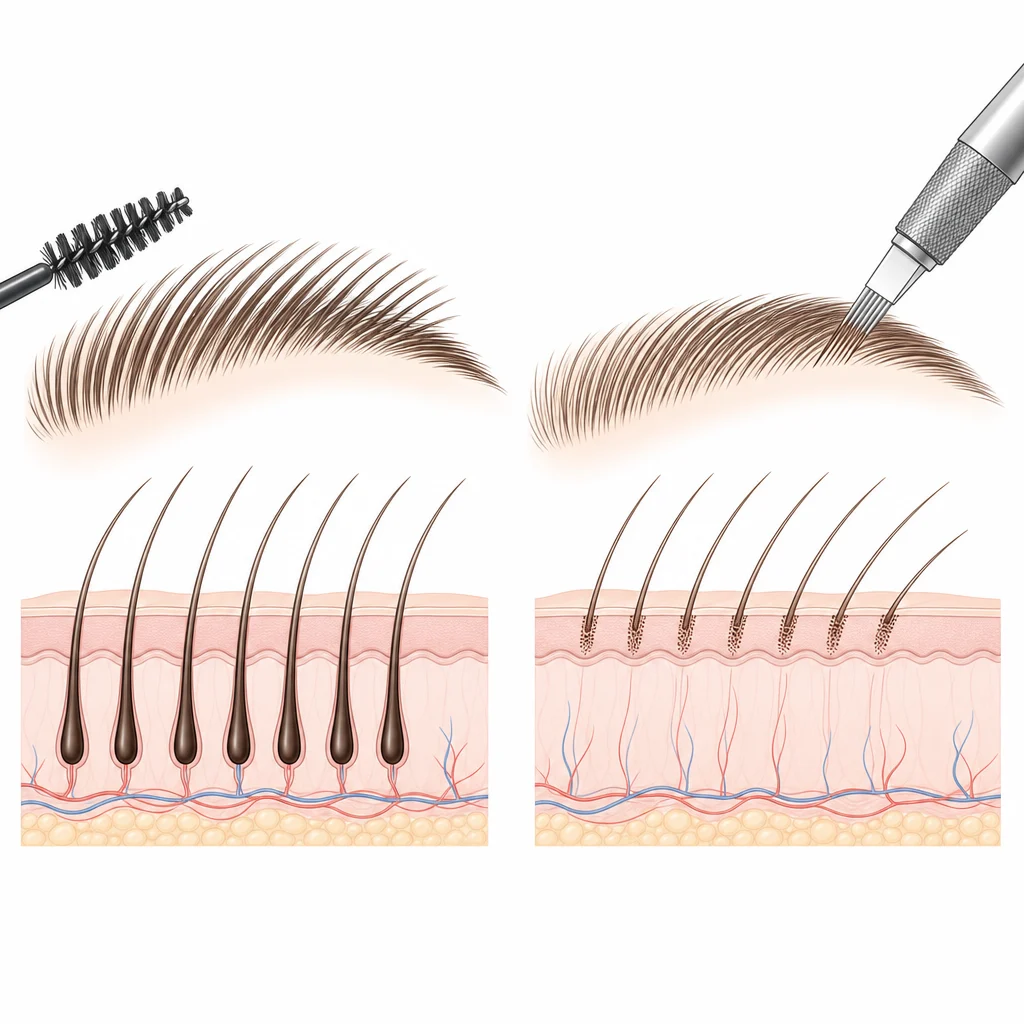
These micro-cuts mimic the look of natural hair strokes. The technician manually implants specialized cosmetic pigments through these incisions into the upper layers of the dermis, specifically at the epidermal-dermal junction. Because this process breaks the skin barrier, it requires strict adherence to sterile protocols, topical anesthetics, and highly controlled depth. Cutting too shallow leads to poor pigment retention, while cutting too deep can cause scarring, cool gray healing tones, or permanent pigment migration.
Longevity and Maintenance Cycles
The operational lifecycle of each treatment dictates how often a client must return to the salon and how they must manage their daily routines.
| Technical Metric | Brow Lamination | Microblading |
|---|---|---|
| Durability of Results | 4 to 6 weeks (up to 8 weeks depending on hair cycle) | 1 to 2 years (sometimes up to 3 years) |
| Primary Limitation | Natural hair shedding and growth cycle | Cellular skin turnover, UV exposure, skin oiliness |
| Touch-up Frequency | Recommended every 6 to 8 weeks | Refinement at 4 to 8 weeks; maintenance every 12 to 18 months |
| Average Treatment Time | Approximately 60 minutes | 1.5 to 2.5 hours |
Understanding the hair growth cycle is essential when explaining how often you can laminate brows. Because lamination only restructures existing hairs, the longevity of the lift is tied to the hair’s shedding cycle. As old hairs shed and new, untreated hairs grow in, the brow gradually reverts to its natural state.
To prevent over-processing and maintain hair health, technicians should advise clients to wait at least 6 weeks – ideally 8 weeks – before scheduling their next chemical lamination.
Microblading longevity is dictated by skin physiology. The pigment slowly fades over 12 to 24 months as the skin naturally regenerates and sheds dead cells. Oily skin types, heavy sun exposure, and the use of chemical exfoliants (like AHAs, BHAs, and retinoids) accelerate this fading process.
Client Suitability and Contraindications
A thorough pre-service consultation is necessary to match the client with the correct service. Recommending the wrong procedure can lead to poor results, client dissatisfaction, or adverse reactions.
Who is the Ideal Candidate for Brow Lamination?
Brow lamination works best for clients who already have natural hair density but struggle with direction, symmetry, or texture. It is highly effective for:
- Unruly brows: Clients with coarse or curly hairs that do not stay in place.
- Downward growth: Clients with downward-growing brows that make the eye area look heavy.
- Non-invasive preference: Clients seeking a fuller, “fluffy” look without undergoing a semi-permanent tattoo.
- Sparse areas: Clients seeking to mask small gaps by redirecting adjacent hairs over patchy sections, which is highly effective for managing brow lamination on thin brows.
However, technicians must always screen for absolute and conditional brow lamination contraindications. If a client presents with active eczema, psoriasis, dermatitis, alopecia, or a compromised skin barrier in the brow area, the chemical lotions can cause severe irritation or chemical burns. Additionally, clients who use prescription topical retinoids, glycolic acids, or Accutane must halt their treatments for the recommended safety periods to prevent skin sensitivity.
If a client has recently undergone microblading, technicians must enforce a strict waiting period of 4 to 6 weeks after their second touch-up session before performing any chemical brow lamination. This allows the dermal tissue to heal completely and avoids irritating the newly implanted pigment.
Who is the Ideal Candidate for Microblading?
Microblading is highly beneficial for clients who lack natural brow hair or have severe structural asymmetries. It is the preferred option for:
- Hair loss conditions: Clients with alopecia or those who have lost hair due to chemotherapy.
- Over-plucked brows: Clients with severely sparse brows where the hair follicles have been permanently damaged and no longer produce hair.
- Minimal daily styling: Clients wanting a long-term, weather-proof shape who do not want to style their brows daily.
Microblading is not recommended for clients with very oily skin or large pores in the T-zone. Excess sebum production causes the pigment strokes to blur and expand under the skin, resulting in a powdery, less-defined look over time rather than crisp, clean hair strokes.
Clients with a history of keloid scarring, bleeding disorders, those taking blood thinners, or those who are pregnant or breastfeeding are also poor candidates for this micro-incision procedure.
Managing the Consultation: How to Guide Your Client
During the initial consultation, beauty technicians should act as expert consultants, translating the client’s aesthetic goals into the safest and most practical procedure.
Evaluating Eyebrows
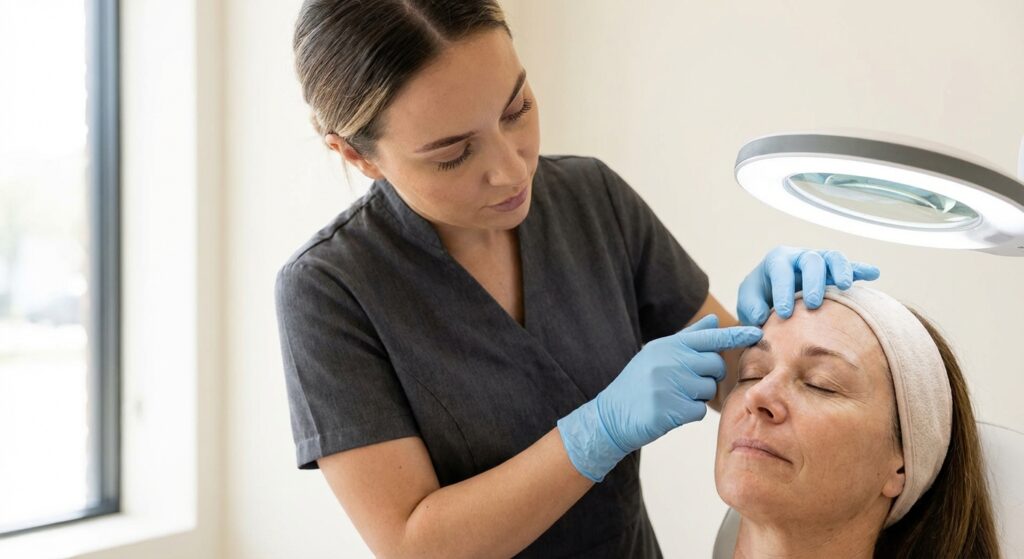
The technician must physically examine the client’s brows. If there is little to no hair, lamination cannot produce a fluffy, structured look, making microblading the better option. If there is abundant but unruly hair, lamination will deliver a dramatic, clean transformation.

Assessing Skin Type and Skincare Habits
Analyze the skin’s sebum levels and ask about the client’s daily skincare regimen. If the client has oily skin or uses active chemical exfoliants regularly, explain that microblading may fade quickly or heal with blurred lines. For these clients, brow lamination paired with an eyebrow tint is often a more reliable, low-risk alternative.
Determining Commitment and Financial Investment
Discuss the difference in up-front costs, maintenance, and chair time. Brow lamination has a lower initial brow lamination price and takes only about 60 minutes per session, but it requires regular appointments every 6 to 8 weeks. Microblading is a premium service with a much higher upfront cost and longer initial treatment time, but it offers long-term results that only require annual touch-ups.
Reviewing Aftercare Guidelines
Ensure the client understands the post-procedure restrictions. Explain that brow lamination aftercare requires keeping the brows completely dry, avoiding steam, and refraining from sleeping on their face for the first 24 hours. They must also commit to daily brushing and applying a nourishing conditioning serum to keep the brows hydrated.
Microblading aftercare is more intensive, requiring 7 to 14 days of healing. During this time, clients must avoid heavy sweating, swimming, makeup, and scratching as the micro-wounds scab and heal.
Professional Brow Styling and Color Integration
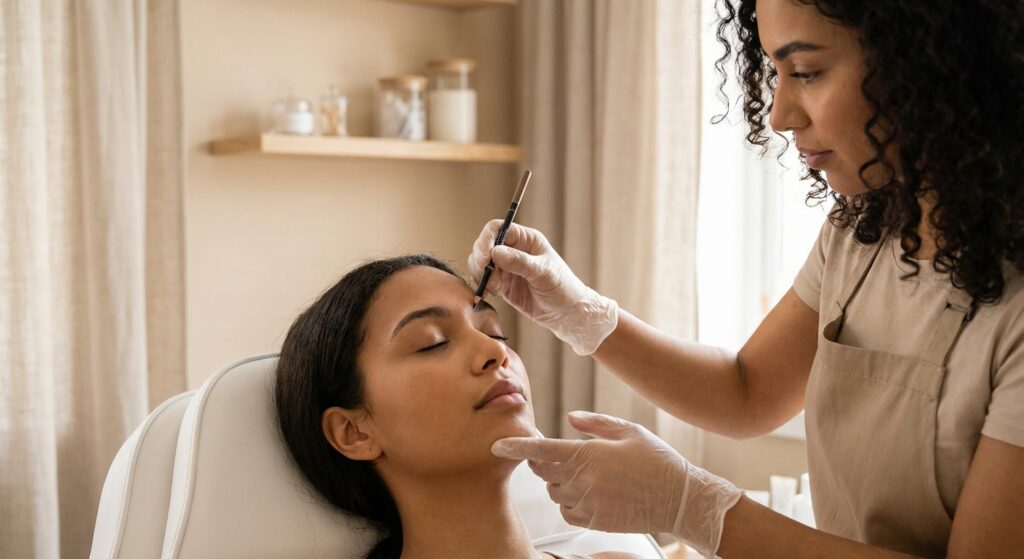
Technicians can easily elevate a standard brow lamination service by incorporating mapping and color customization. Precise brow mapping ensures the symmetry of the brows before applying any chemical lotions. Using a mapping string or calipers, locate the starting point, the arch, and the tail in relation to the client’s facial structure.
Once the lamination solutions have set, applying a professional tint can fill in sparse areas and add depth. Because the hair cuticle is opened during the chemical restructuring process, it absorbs pigment much faster than untreated hair. To prevent the brows from turning too dark, reduce the developer processing time of the tint to 2 to 5 minutes, checking the depth of color frequently.
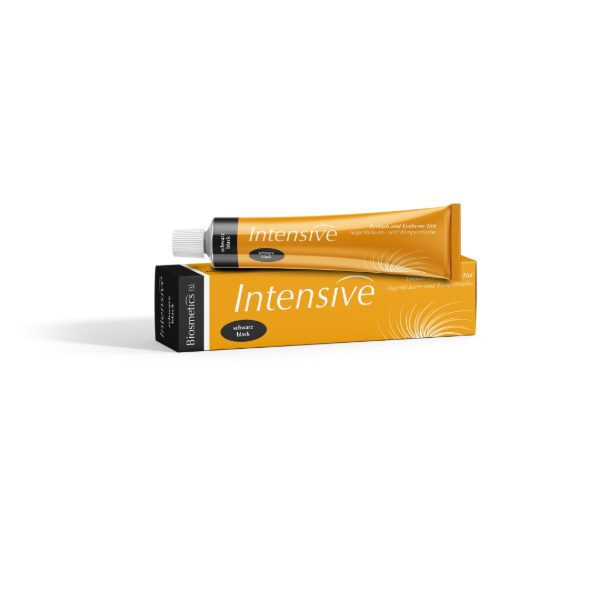
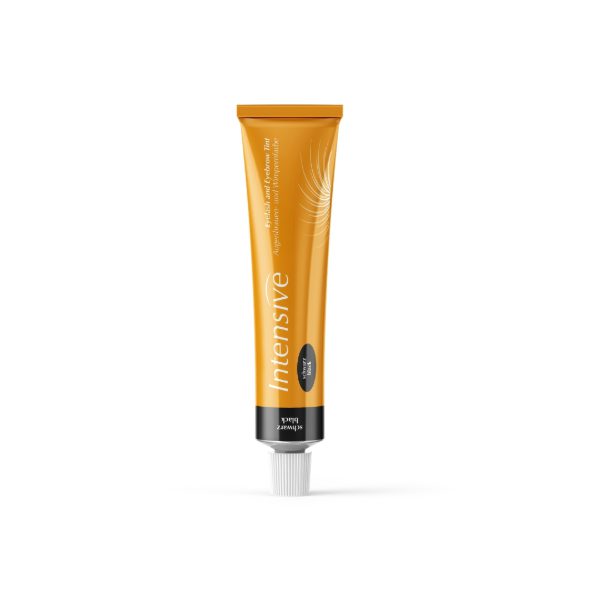
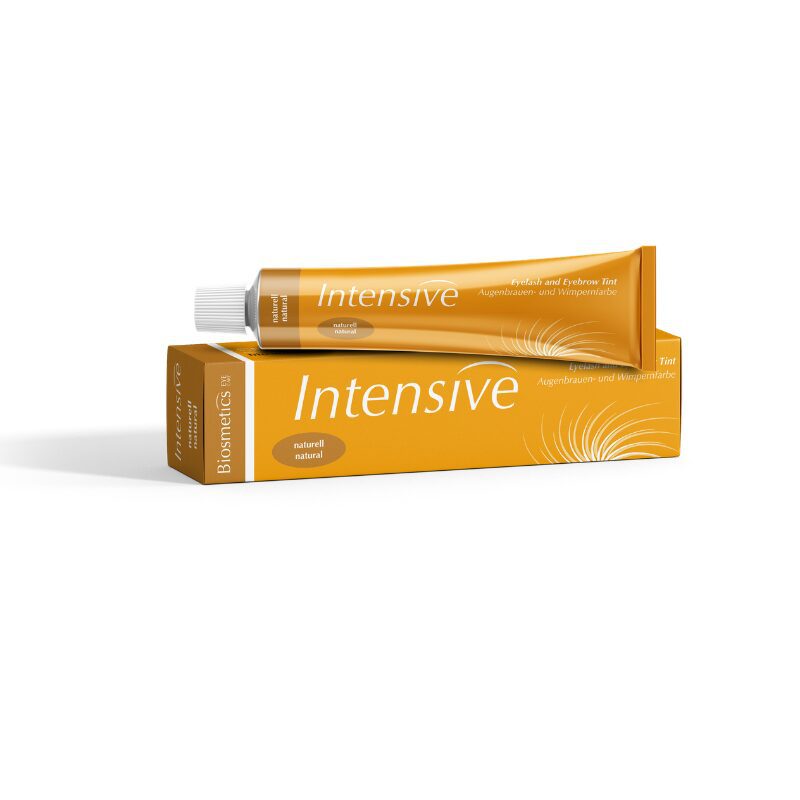
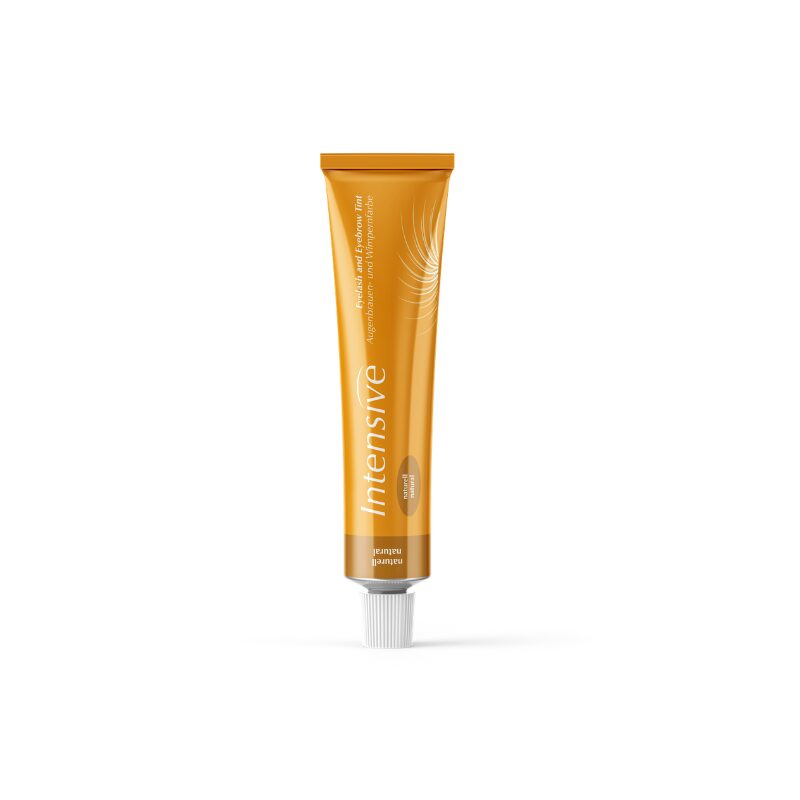
Using high-quality disposable tools during the application and tinting phases is essential for precise product placement and hygiene.
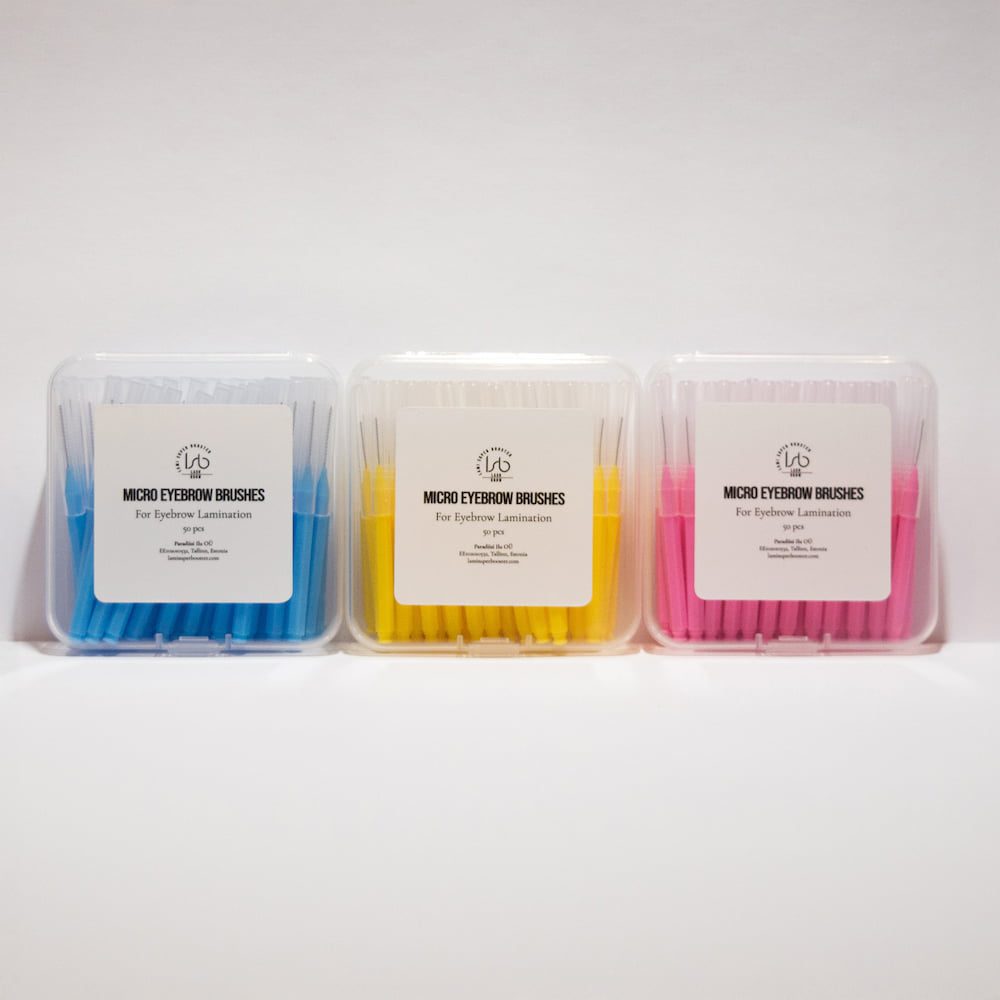
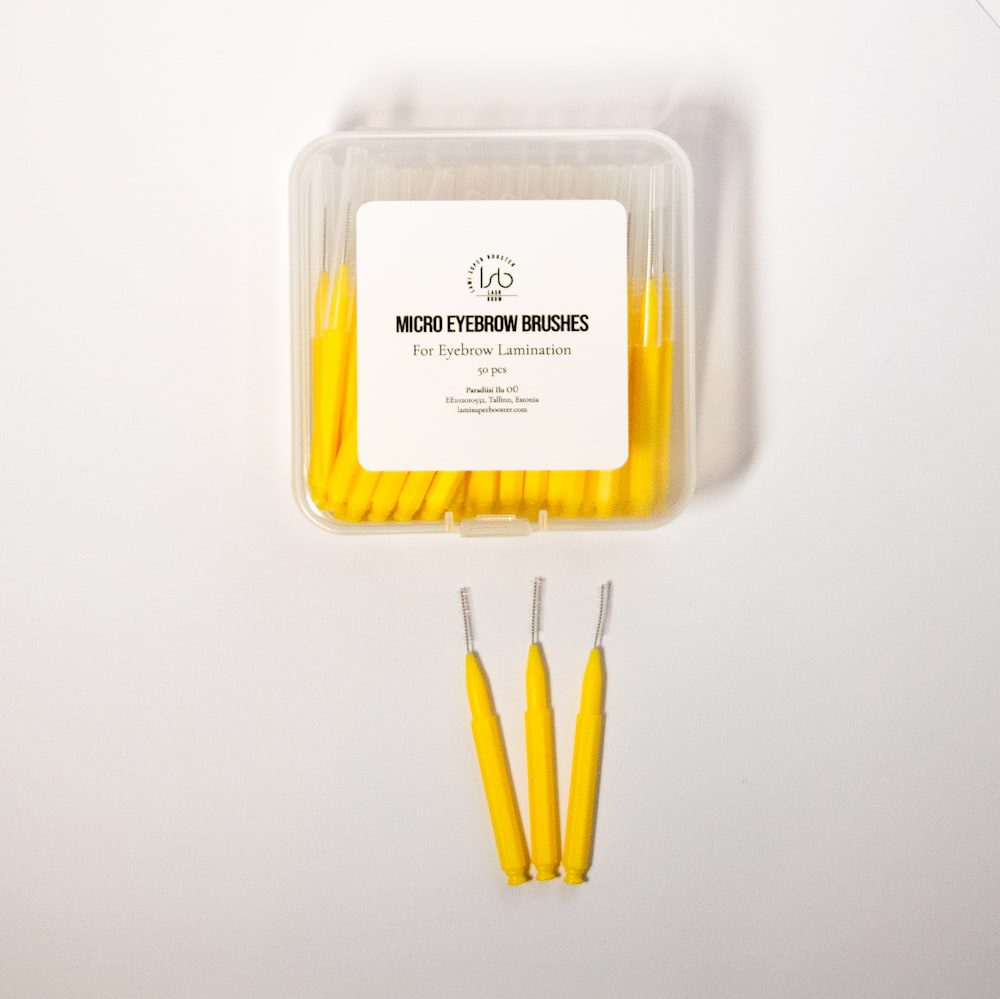
50 Micro Eyebrow Brushes
Prior to beginning any chemical or color service, the brow area must be completely free of oils, makeup, and dead skin cells. Cleanse the skin and hair thoroughly with a professional foam cleanser that removes oil without drying out the skin barrier.
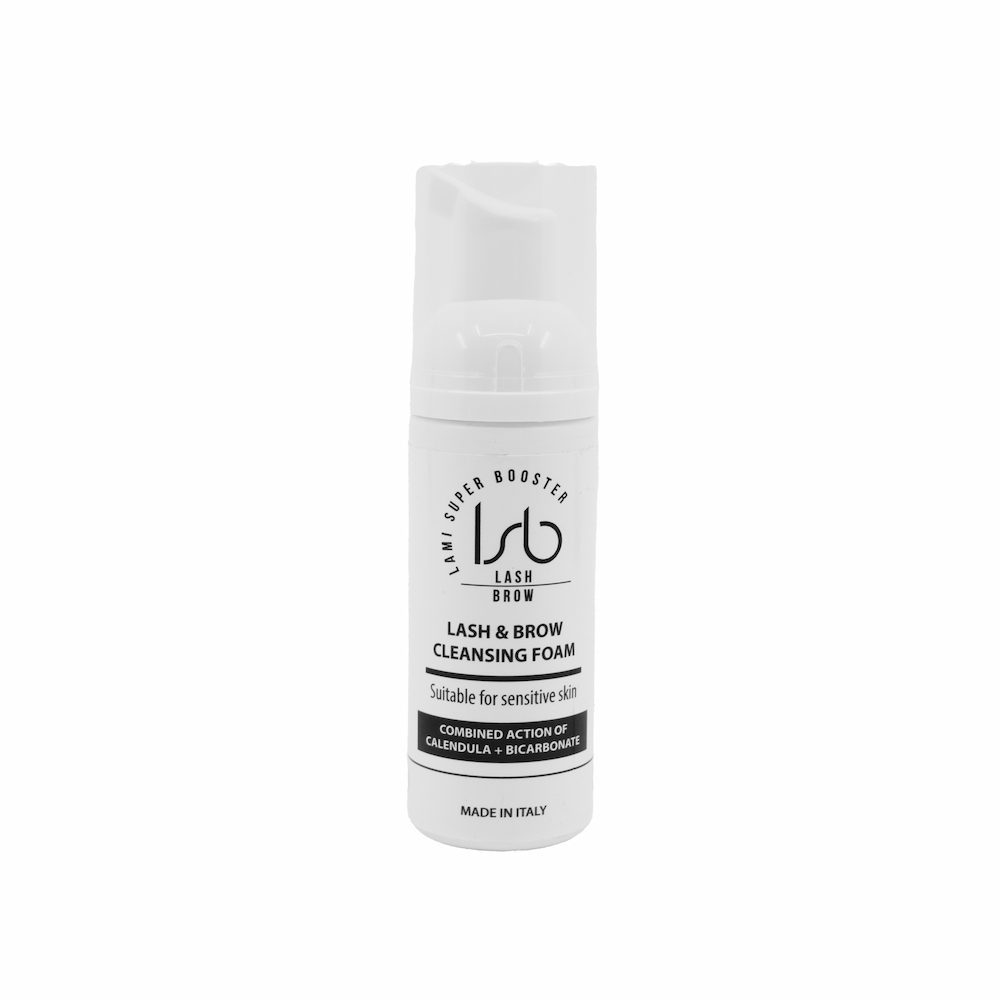
Providing professional brow services requires a balance of chemical expertise, precise technique, and clear client communication. Whether a client chooses the semi-permanent structure of microblading or the natural lift of a brow lamination kit, your ability to assess their suitability and perform the treatment with high-quality systems ensures safe, beautiful, and repeatable results.
Explore our professional brow lamination tools and Italian-made brow lamination lotions to elevate your salon services and provide your clients with exceptional brow styling.