When a client walks into a salon with over-processed, frizzy, or misdirected eyebrows, the priority shifts from aesthetic enhancement to damage control and hair health restoration. A brow lamination “gone wrong” often presents as hair that feels crunchy to the touch, appears singed at the ends, or exhibits an abnormal zigzagged texture. These signs indicate that the disulfide bonds within the hair shaft have been compromised beyond the intended restructuring point, often due to extended processing times or the use of solutions that were too aggressive for the client’s hair type. Understanding how to manage these results requires a deep knowledge of chemical interactions, hair anatomy, and strict safety protocols.
Identifying and Assessing Unsatisfactory Results
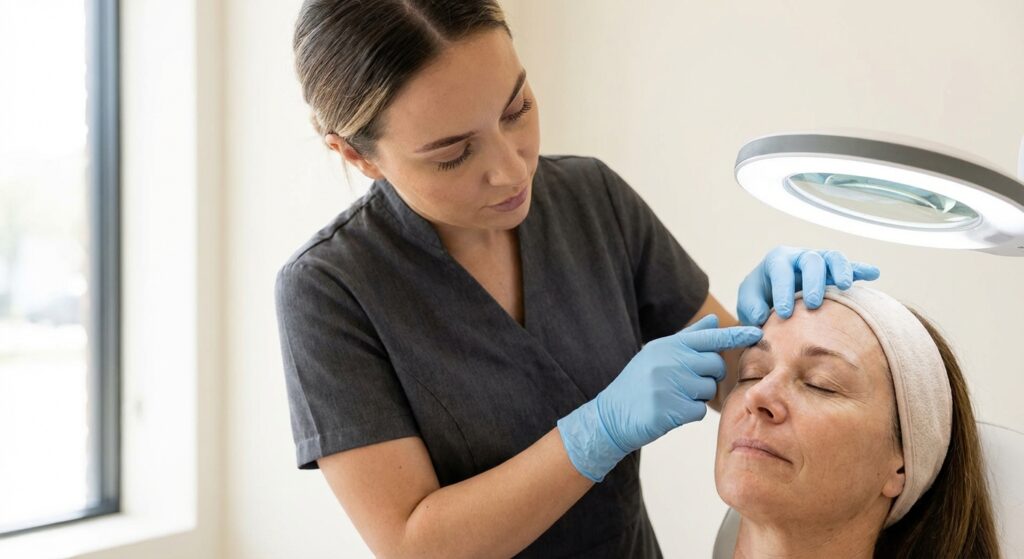
The first step in any corrective procedure is a thorough physical assessment. Technicians should evaluate the elasticity and structural integrity of the brow hairs. If the hair snaps easily or appears significantly thinned, the internal protein structure has likely been impaired. Research suggests that chemical perming agents can lead to hair-shaft structure damage and impaired physical properties, which accelerates the loss of water and lipids. Before attempting any technical fix, it is essential to review the brow lamination contraindications to ensure the skin is not currently inflamed or compromised.
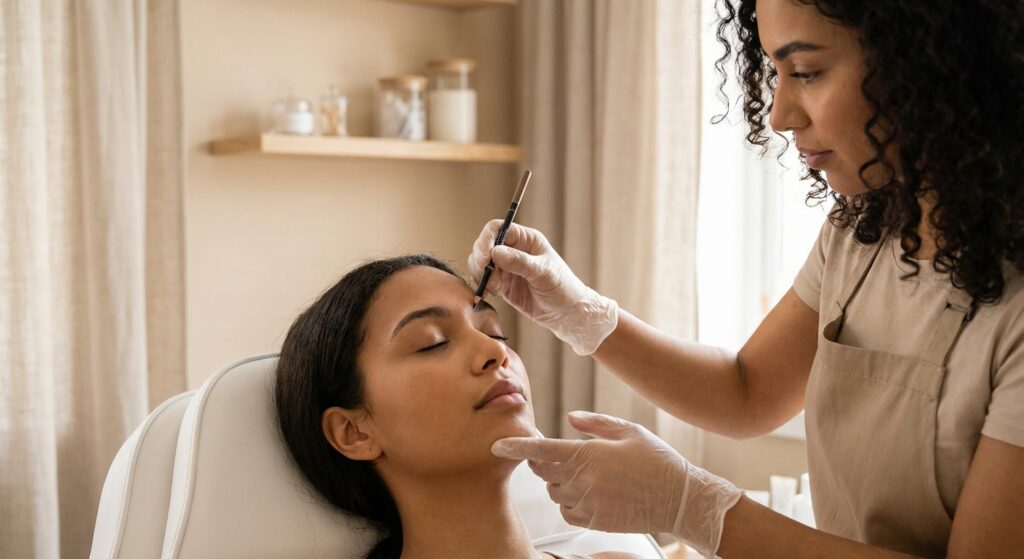
Over-processing usually occurs when the lifting lotion is left on longer than the recommended duration. When the recommended thresholds are exceeded, the hair loses its natural flexibility. If the brows are merely misdirected rather than damaged, the solution may involve a mechanical adjustment. However, if the hair fibers are visibly frizzy, further chemical exposure must be carefully weighed against the risk of permanent breakage.
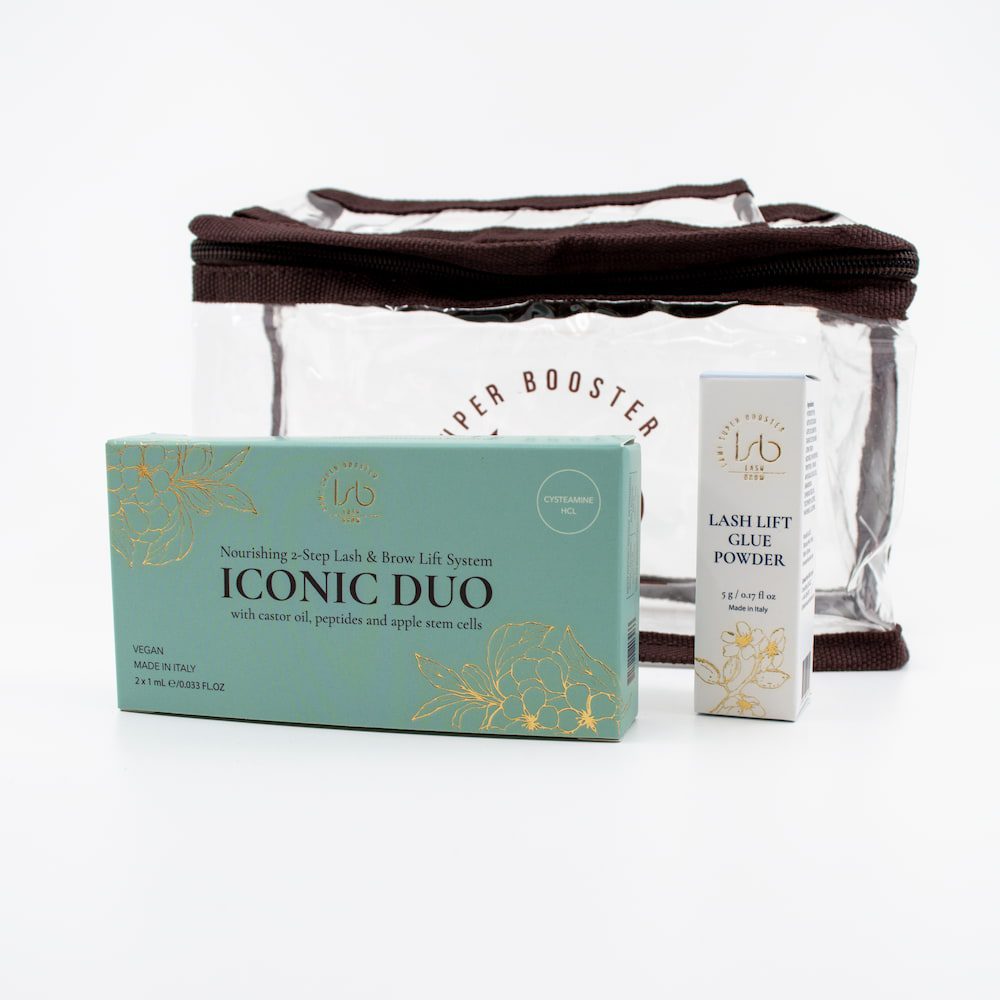
Korean Lash Lift & Brow Lamination Mini Kit
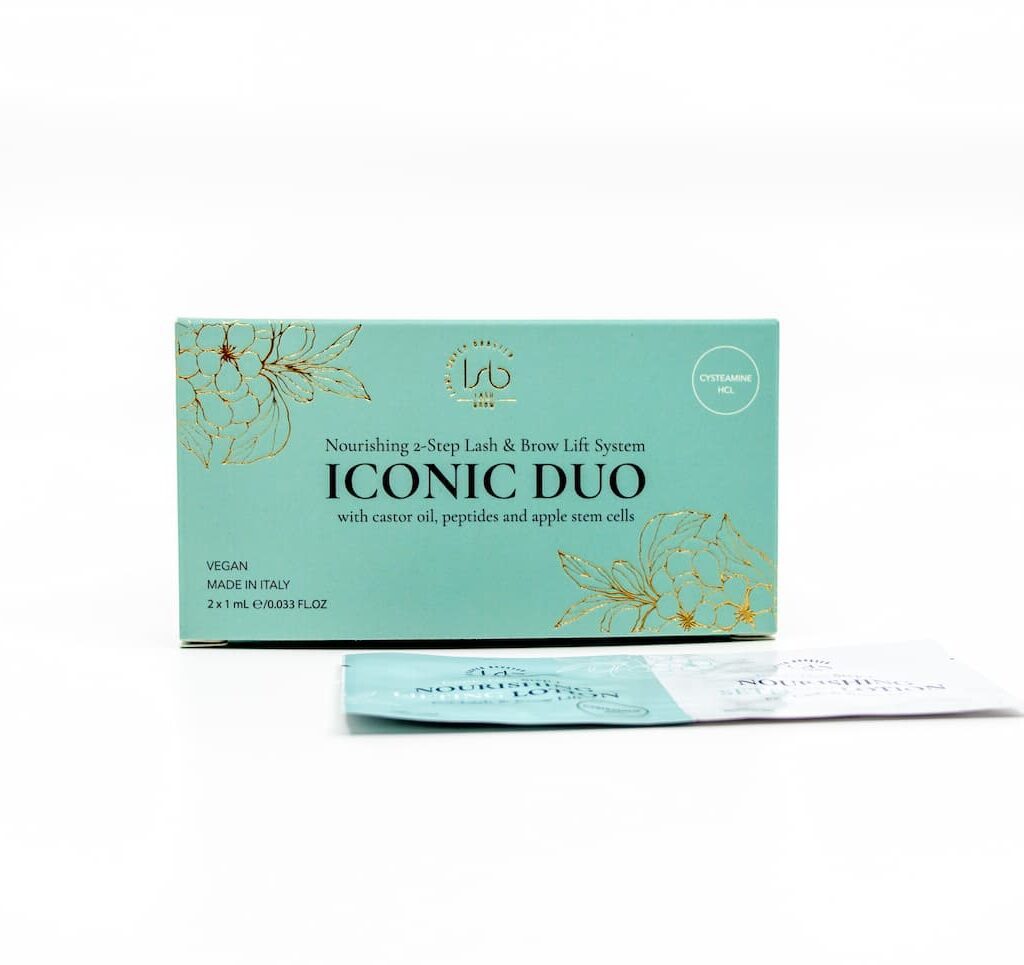
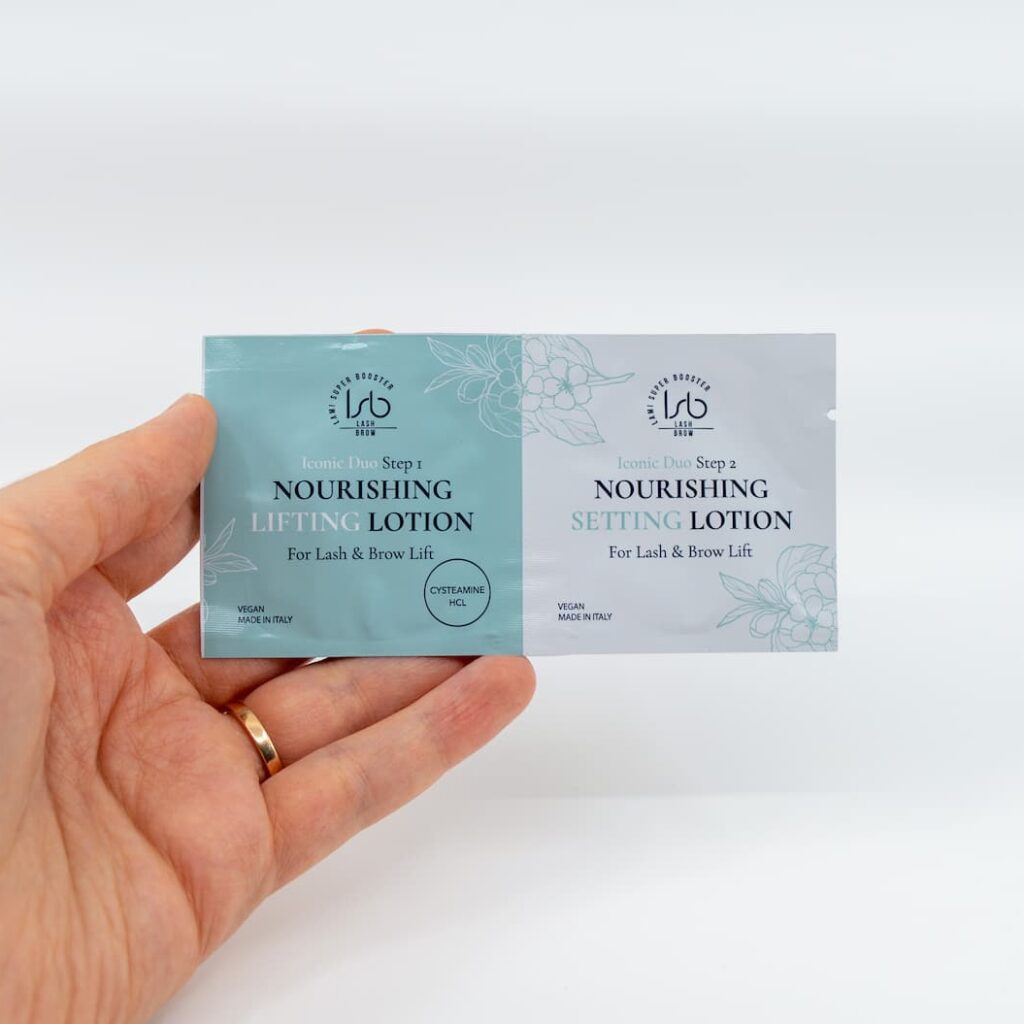
Technical Methods for Softening and Reversing Results
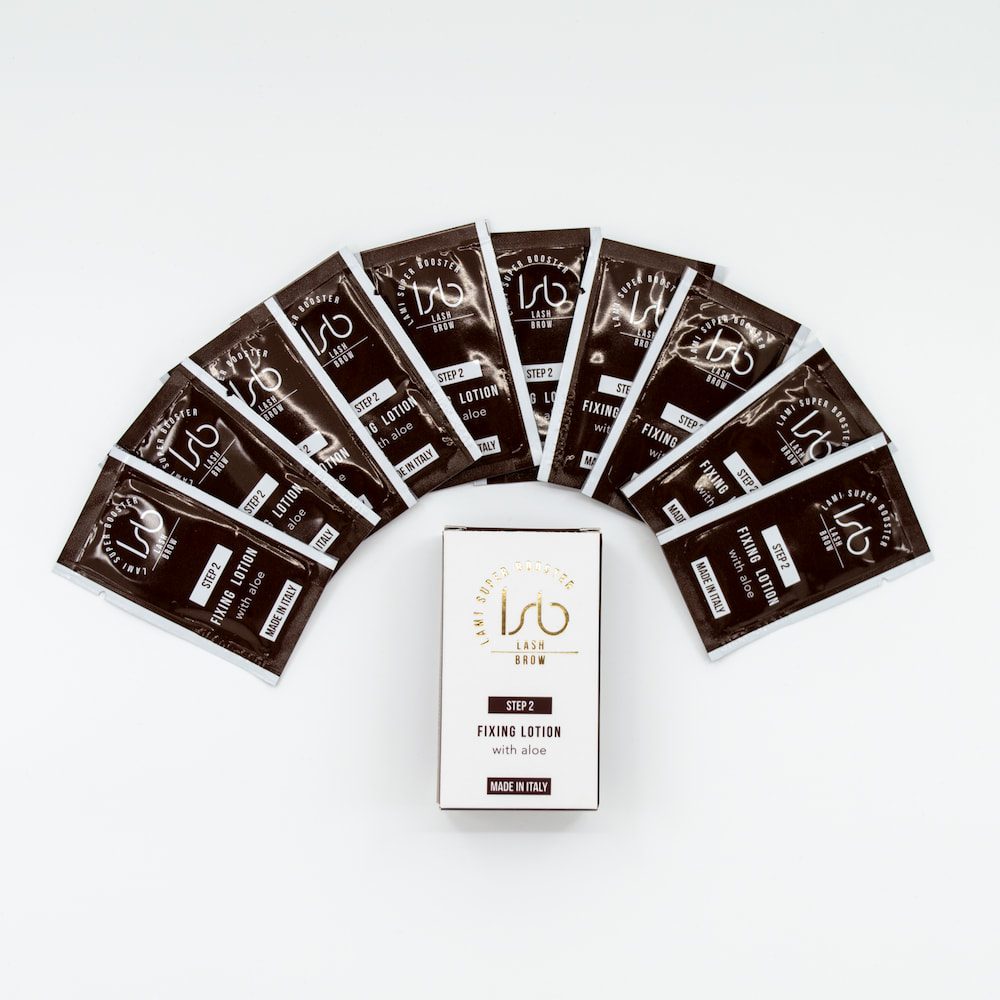
If the lamination is unsatisfactory but the hair is still healthy enough for a minor intervention, a “relaxation” treatment can be performed. This involves using a small amount of a cysteamine-based lifting lotion to gently break the bonds again just enough to reposition the hair. This is essentially a mini-perm in reverse; the solution is typically applied for only 2 to 4 minutes – significantly less than a full treatment – and then thoroughly neutralized with a fixing lotion to stabilize the new, softer direction.
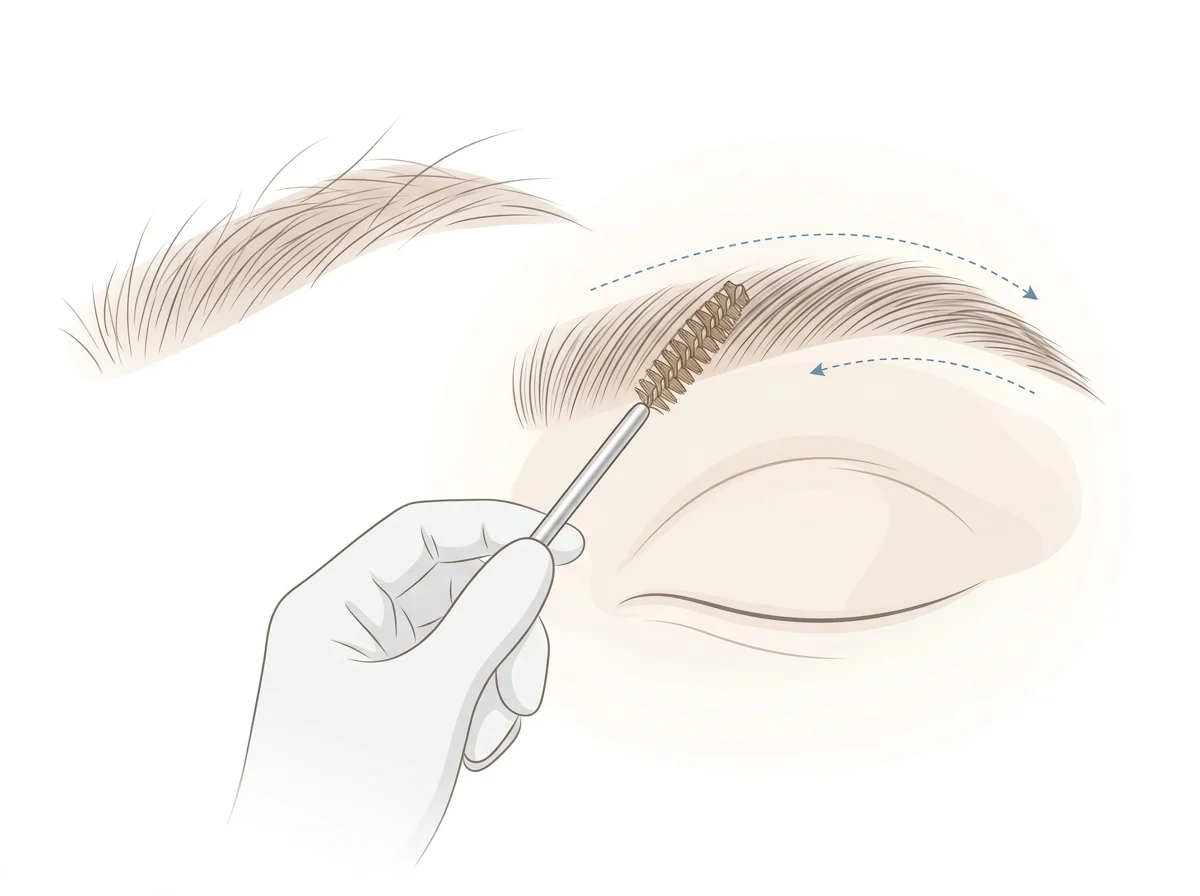
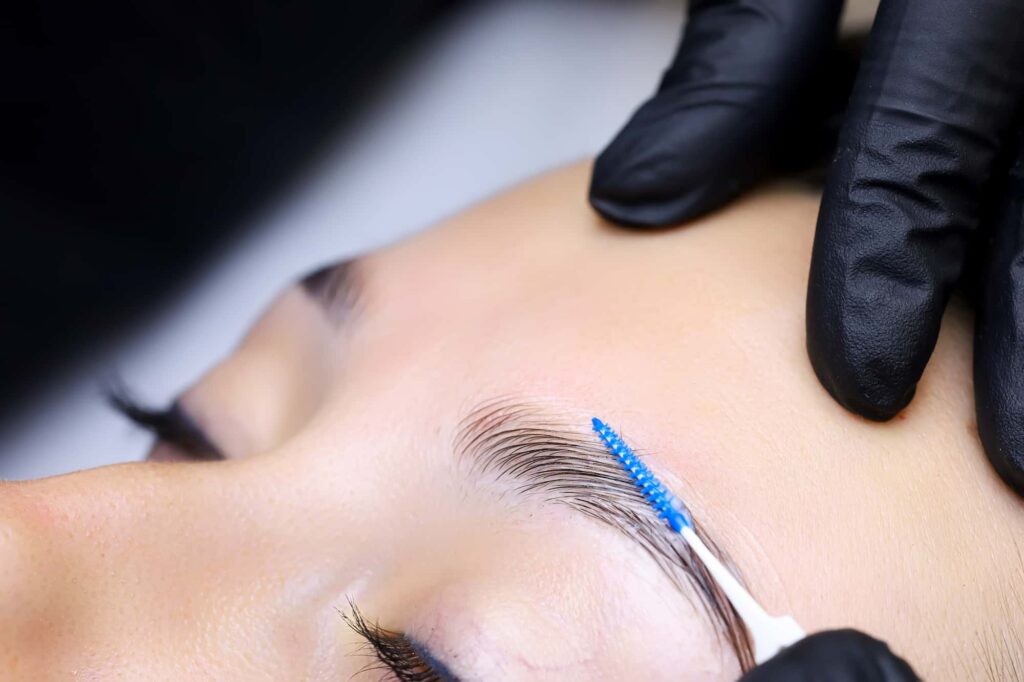
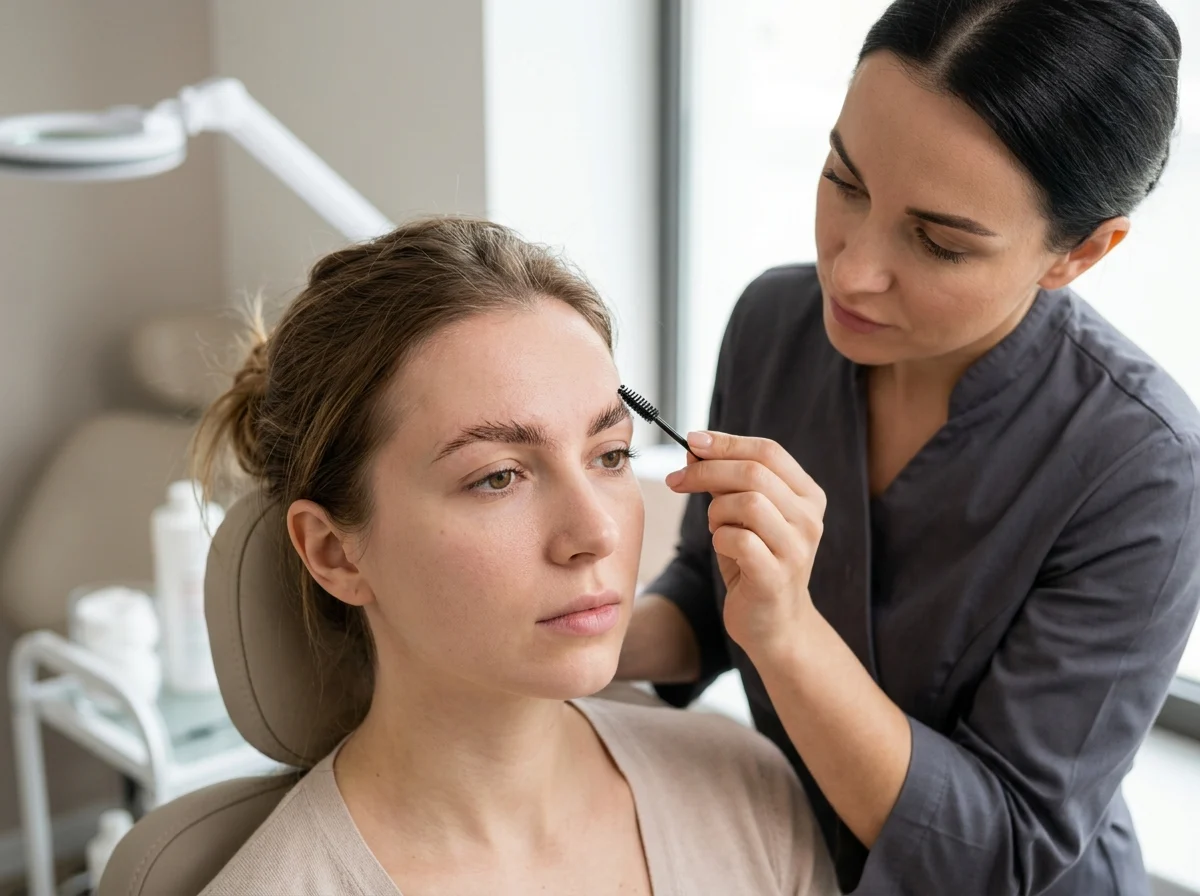
During this process, the technician must use a clean spoolie to brush the hairs into a more natural, downward, or neutral position. Following the relaxation step, a high-quality fixing lotion is required to rebuild the disulfide bonds and lock the hair into its new state. This secondary processing should only be considered if the hair shows no signs of severe chemical injury, such as singed ends or extreme brittleness.
Long-Term Recovery and Hair Repair Protocols
When immediate chemical correction is too risky, the focus must turn to a long-term nourishment regimen. Technicians should advise clients to wait at least 6 to 8 weeks before considering a full re-lamination, though 10 to 12 weeks is preferable for fragile hair. During this recovery period, the goal is to rebuild the internal bonds and balance hydration. Conditioning agents, such as those found in professional brow lamination lotions, can provide temporary relief and improve the appearance of the hair, even if they cannot fully reverse structural protein damage.
Nourishing the brow area with specialized serums containing keratin, argan oil, or jojoba oil is vital. These ingredients help seal the hair cuticle, which often remains open and vulnerable after a botched treatment. Advise clients to avoid any additional chemical stressors, including harsh cleansers or at-home DIY kits, which can exacerbate the “crunchy” texture. A soft correction at the 3-4 week mark, focusing on brow shaping techniques like gentle tweezing or tinting, can often improve the aesthetic without further damaging the hair fiber.
Safety Protocols and Client Management
Effective client management starts with transparency. If a result is over-processed, it is better to admit the error and provide a clear recovery plan rather than attempting to “fix” it with more chemicals that could lead to total hair loss. Safety must always come first, which includes mandatory patch testing 24–48 hours before any corrective work, especially if the client is new or has recently experienced a reaction. Technicians must also be vigilant about the risk of inflammation; applying lotions to compromised skin can lead to severe injury.
For clients experiencing redness or irritation, refer to the guide on how to treat chemical burns from brow lamination. Always ensure that the brow lamination aftercare instructions are strictly followed:
- Avoid moisture, steam, and high humidity for the first 24–48 hours to prevent the set from shifting.
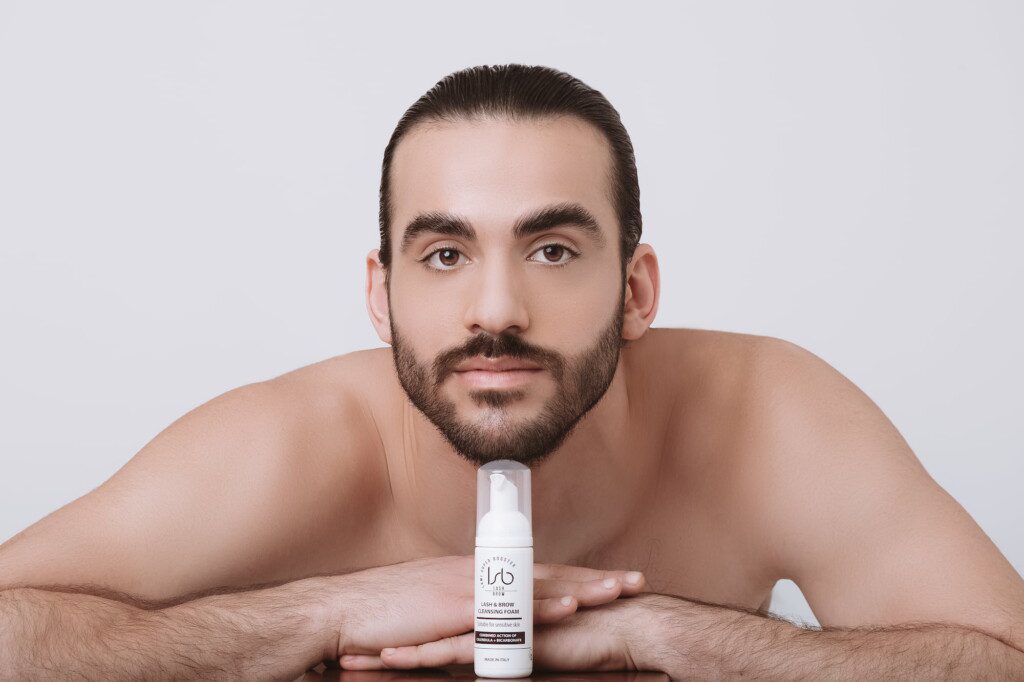
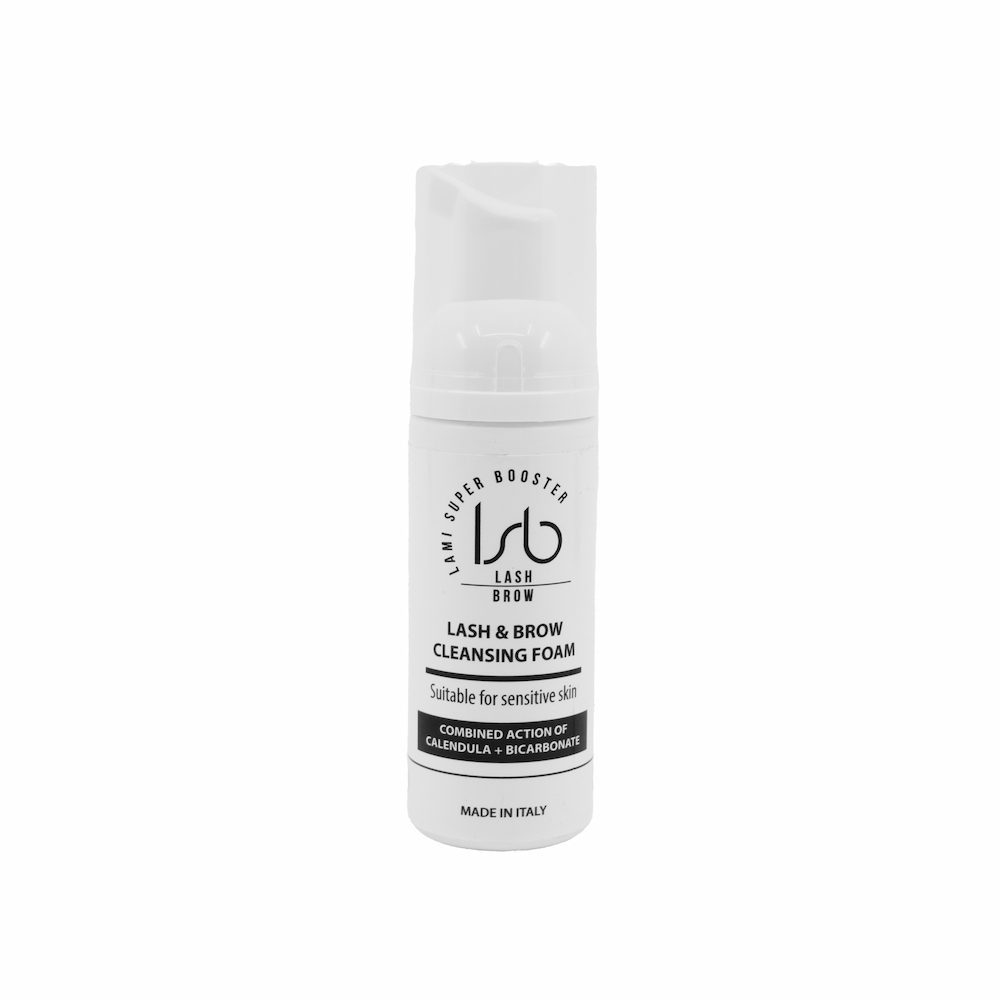
- Use a gentle cleansing foam rather than oil-based removers if the lamination needs to be preserved.
- Apply a nourishing sealant or keratin-based cream daily to maintain hair elasticity.
- Brush the brows into place daily using a clean spoolie to prevent the hairs from setting in a tangled or zigzagged pattern.
Preventing Future Lamination Errors
Prevention is always more effective than correction. To avoid future mishaps, technicians should keep detailed records of every client’s processing times and hair reactions. Utilizing a brow lamination kit with consistent formulations allows for more predictable results. Additionally, performing a “flex check” during the lifting phase – similar to checking the texture of pasta while it cooks – allows the technician to see exactly when the hair has become sufficiently malleable without reaching the point of over-processing.
By adhering to strict timing, screening for contraindications, and prioritizing hair health over extreme lifts, technicians can ensure that brow lamination is safe and yields the sleek, uniform results clients expect. Consistent education on how often you can laminate brows will also help manage client expectations and prevent cumulative damage over multiple sessions.
Refining your technical skills and maintaining a suite of high-quality brow lamination tools ensures you are prepared to handle even the most challenging brow corrections with professionalism. To provide your clients with the best possible recovery and styling options, explore our range of serums and nourishing lotions.