

For professional beauty technicians, client safety is the absolute foundation of a successful salon business. Performing treatments around the delicate ocular area requires not only a high level of technical skill but also a deep understanding of product chemistry, anatomical risks, and strict safety protocols. Eyelash tinting is a highly sought-after service, but because it involves applying active chemical formulas near the eyes, maintaining rigorous standards of practice is vital.
Understanding the difference between professional-grade products, managing client-specific contraindications, and adhering to strict application guidelines ensures your salon remains a safe, reputable environment.
Professional vs. DIY Lash Tinting
The rise of at-home beauty kits has led to an increase in consumers attempting to tint their own eyelashes. As a trained professional, it is important to understand – and be able to explain to clients – why DIY lash tinting carries risks.
Applying chemical tints to one’s own eyelashes is highly dangerous due to the inability to isolate the eye area properly. When a client attempts a DIY treatment, they lack the spatial control to prevent product from entering the eye. This frequently results in chemical burns, severe ocular irritation, corneal damage, and contact dermatitis.
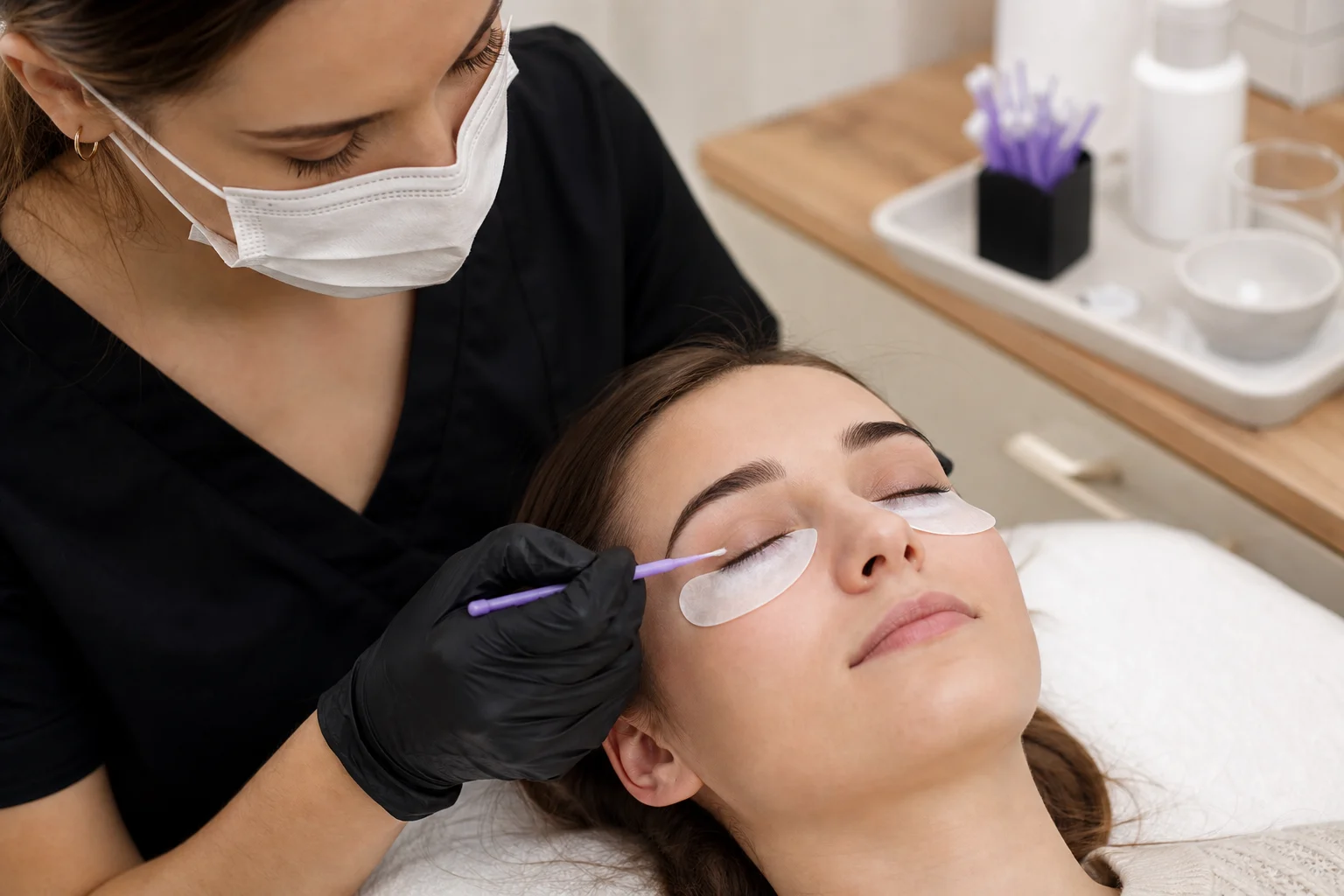
In a professional salon setting, you are trained to mitigate lash treatment risks by completely isolating the upper and lower lash fields, controlling the product’s placement, and monitoring the exposure time.
Furthermore, retail hair dyes are sometimes mistakenly used in home environments for lash and brow tinting. The FDA explicitly warns against using standard hair dyes on the eyelashes and eyebrows due to the risk of severe eye injury and potential blindness. Professional-grade eyelash tints are formulated specifically for the eye area, complying with strict cosmetic safety regulations to ensure they are ophthalmologically tolerable when applied correctly.
Product Standards and Chemical Safety
Selecting the right professional eyelash tint is the first line of defense against adverse reactions. Salon-grade formulations manufactured under strict quality standards ensure batch consistency and chemical stability.
Different chemical systems exist within professional lash tinting, each requiring specific handling:
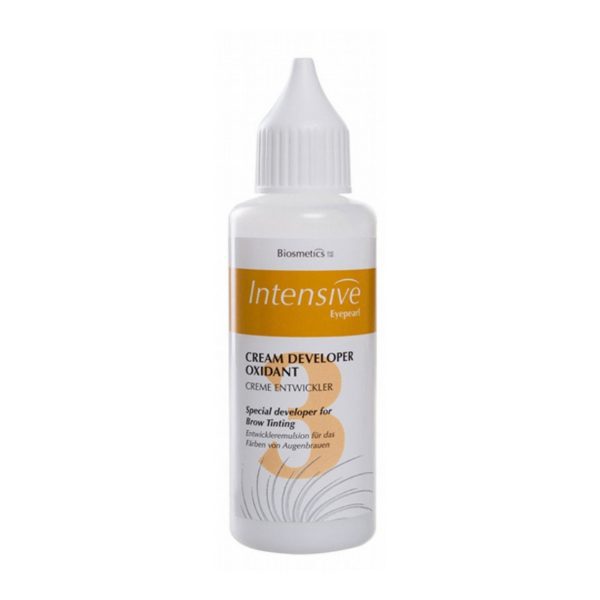
- Oxidative Tints: These traditional formulas use safe, low-percentage developers. For example, professional European systems often utilize a gentle 2% cream developer. This low concentration minimizes the risk of irritation while ensuring the pigment develops correctly.
- Silver Nitrate Tints: Regulated under federal rule 21 CFR 73.2550, silver nitrate is permitted as a color additive in professional-use-only lash and brow cosmetics. To remain compliant, these viscous gel products must contain no more than 4% silver nitrate by weight. Furthermore, they are restricted from use on anyone under the age of 16, and the application must not exceed 1 minute, followed by immediate removal and thorough eye rinsing.
Using highly reputable professional ranges, such as German-manufactured Biosmetics, ensures your products align with these strict safety limits.
Essential Pre-Treatment Protocols
Before any product touches a client’s lashes, you must complete a thorough screening and preparation process to protect both your client and your business.
Client Screening and Consultation
Every service should begin with a comprehensive lash lift client consultation. This involves documenting the client’s medical history, previous reactions to cosmetics, and current eye health. Technicians must screen for active contraindications for lash lift and tinting treatments, such as conjunctivitis, blepharitis, dry eye syndrome, or recent ocular surgeries. If any of these conditions are present, the treatment must be postponed to protect the eye structure from further inflammation.
Patch Testing Protocol
A patch test is a non-negotiable step to rule out contact allergies. According to professional lash safety guidelines, you must conduct a patch test 24–48 hours before a client’s first treatment, or if they have had a long gap between appointments.
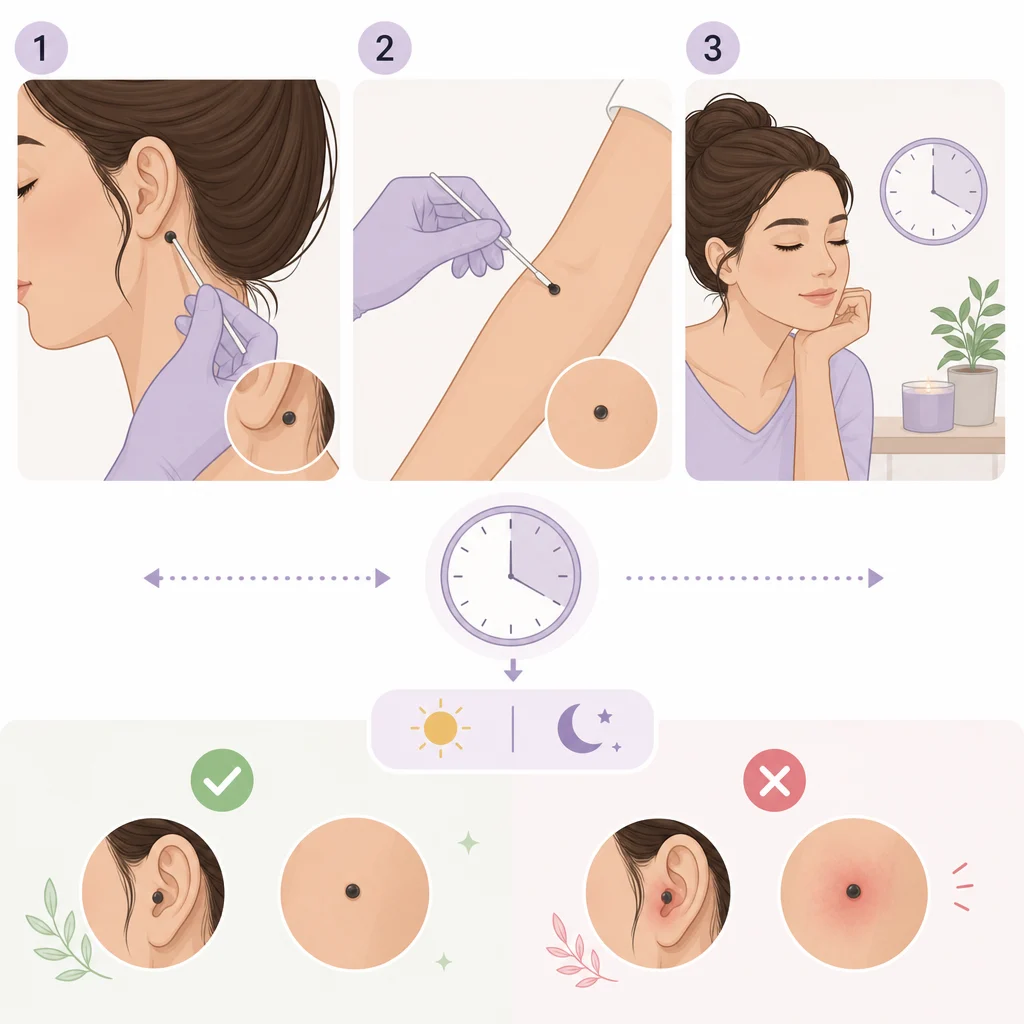
To perform the test, mix a small, 1:1 ratio of the tint and developer and apply a 1mm dab behind the ear or on the inner arm. Leave it on for the standard processing time before wiping it away. Instruct the client to monitor the area for redness, swelling, or itching. Document the results in the client’s file before proceeding with the treatment.
Pregnancy and Lash Tinting
Pregnancy introduces hormonal fluctuations that can significantly alter skin sensitivity and hair structure. While tinting is not strictly prohibited, many experts recommend caution.
Technicians should advise pregnant clients to consult their healthcare provider before proceeding. If they choose to move forward, a new patch test is mandatory due to heightened skin reactivity. It is also helpful to discuss alternative options and detailed advice on lash treatments during pregnancy to ensure the client feels secure.
Step-by-Step Application Safety
Executing a safe tinting procedure relies on meticulous workspace hygiene, precise mixing, and excellent physical isolation of the eye area.
Sanitation and Workspace Preparation
Ensure your workspace meets professional hygiene standards. Sanitize all reusable tools in a hospital-grade disinfectant and arrange disposable applicators on a clean, dedicated workspace. Maintain proper ventilation and high-quality lighting to ensure complete visibility during the application.
Preparing the Eye Area
Cleanse the eyelashes and surrounding eyelid skin thoroughly using a gentle, oil-free cleanser. This removes oils, sebum, and makeup residue that could block pigment absorption or cause the eye shields to slip.


Isolating the Under-Eye Area
Apply lint-free, hydrating under-eye gel patches to completely cover and secure the lower eyelashes. This step is critical; it protects the sensitive skin under the eyes from staining and prevents the active tint from coming into contact with the lower eyelid margins, preventing eyelid hyperpigmentation.

Precise Mixing
Always follow the manufacturer’s exact mixing instructions to prevent chemical irritation. When using professional systems like Biosmetics, use a clean dappen dish from your lash lift tools and blend exactly 6 drops of the 2% cream oxidant for every 2 cm of tint. Mix thoroughly until a smooth, non-drip, creamy paste forms.
Application Technique
Position the client comfortably with their eyes fully closed. Using a fine-tipped applicator brush, apply the tint carefully from the root to the tip of the lashes. Maintain a safe 1mm distance from the eyelid skin to prevent hyperpigmentation and direct contact with the water line.
For standard eyelashes, let the tint process for 4 to 10 minutes. If you are tinting as the final step of a lash lift procedure, the cuticle is already open, meaning the processing time can often be reduced to 2 to 5 minutes.


Managing Adverse Reactions and Cleanup
Even with meticulous technique, emergencies can occur. As a professional, you must be prepared to act instantly to protect the client’s vision and comfort.
If a client reports a burning sensation, or if product accidentally enters the eye, immediately stop the procedure. Do not wait for the processing time to finish. Flush the eye continuously with sterile saline solution or clean, lukewarm water for at least 15 minutes. Keep an emergency eye wash bottle in your workspace at all times to address these incidents immediately.
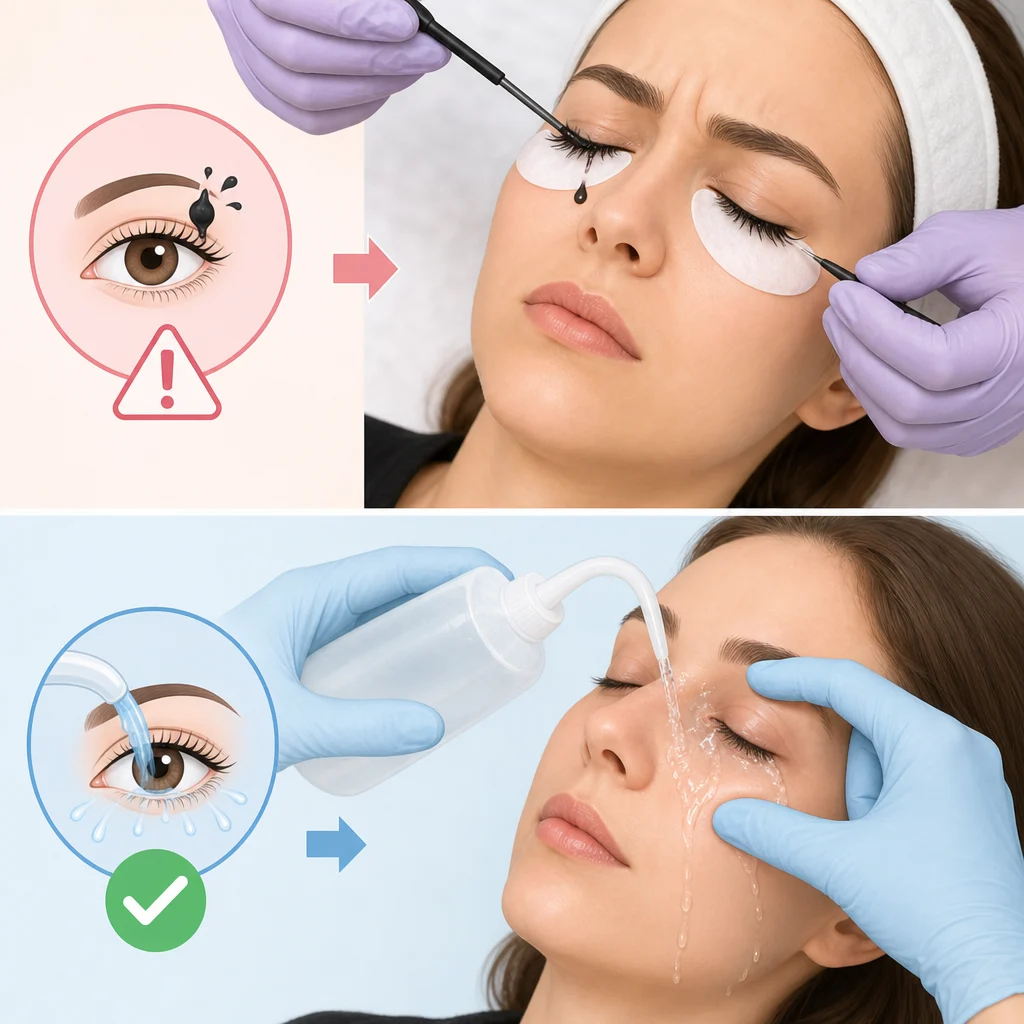
For standard cosmetic cleanup, any tint that accidentally stains the client’s skin during application should be addressed right away. Use a micro-brush dampened with a professional skin tint remover to gently lift the stain. Never apply skin tint removers directly to the eyelashes or allow them to seep into the eye area, as they can cause severe ocular irritation.

Aftercare and Post-Treatment Safety
The safety protocol does not end when the client leaves your chair. Providing clear, written aftercare instructions is essential for protecting the client’s lash health and maintaining the longevity of the tint.
Instruct your clients to keep their lashes dry and avoid steam, saunas, and heavy eye makeup for the first 24 to 48 hours. This allows the pigment to fully lock into the lash structure. For daily maintenance, recommend washing the eye area gently with a mild, oil-free cleansing foam and applying a nourishing lash serum to keep the hair hydrated and strong. You can showcase these essentials in your salon’s lash lift aftercare section.
By pairing professional-grade formulas with precise execution and strict hygiene, you protect your clients from ocular damage while delivering consistent, beautiful results that keep them returning to your salon. Elevate your professional standards and safeguard your business by stocking your workspace with premium, industry-trusted lash lifting and tinting solutions.
