



While a lash lift provides a significant semi-permanent curl and the illusion of length, many clients still desire the added volume or pigment that mascara provides. As a professional technician, your role is to guide them on how to incorporate makeup without compromising the chemical bonds created during the service. Improper mascara use or removal can lead to premature relaxation of the curl, brittleness, or mechanical damage to the natural lashes. Proper education ensures that the client enjoys the full duration of their treatment while maintaining optimal hair health.
The Critical 24–48 Hour Stabilization Window
The chemical process of a professional lash lift involves breaking and reforming disulfide bonds within the hair structure to set the new shape. Even after the neutralizing solution has been processed and rinsed, the lashes remain malleable for the first 24 to 48 hours. During this period, exposure to excess moisture, steam, or the weight of makeup can cause the lift to “drop” or settle into an uneven pattern. This stabilization period is the most vulnerable phase of the treatment, as the hair is still chemically settling into its reinforced structure.
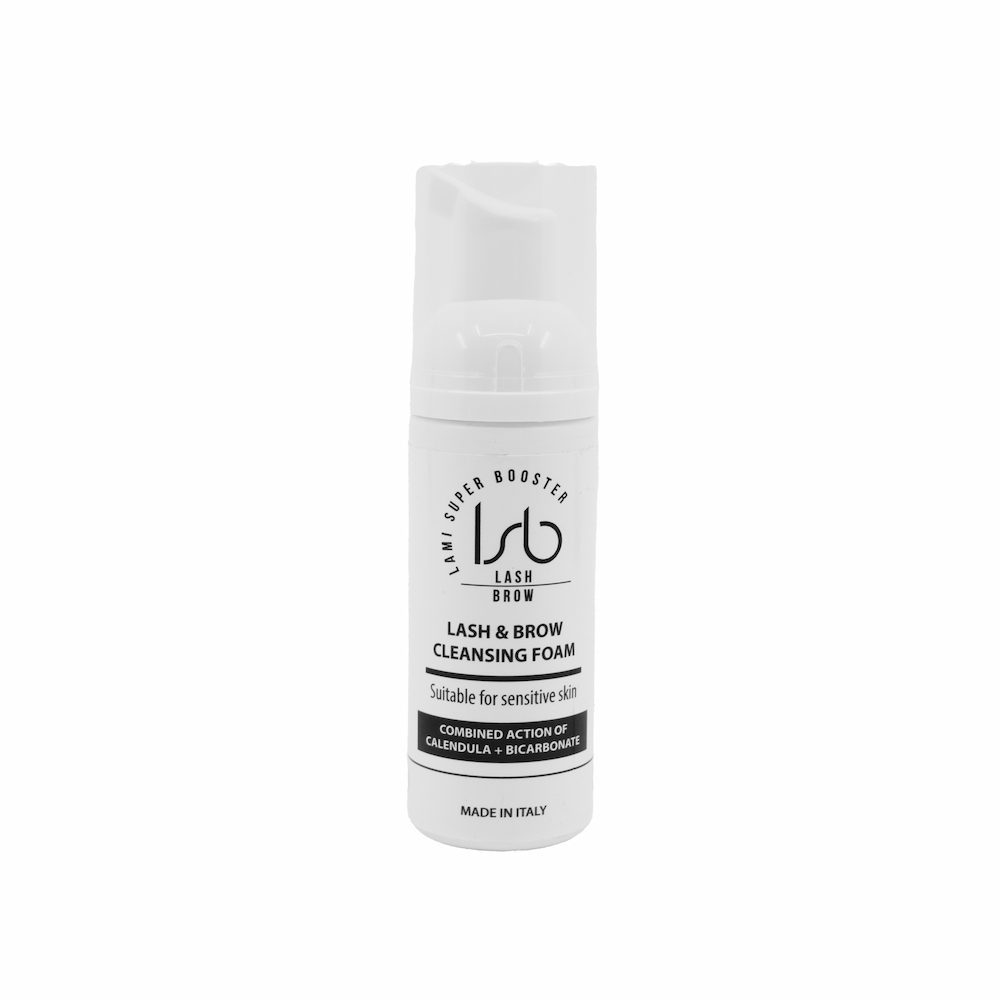
Technicians should advise clients to keep lashes completely dry and free from any cosmetics for at least 24 hours, though 48 hours is the professional recommendation for maximum longevity. If a client must cleanse the eye area during this window, they should use an oil-free cleansing foam. This should be applied with a soft brush or fingertips using gentle downward motions, carefully avoiding any upward pressure or friction that could distort the new curl. After cleansing, the lashes should be rinsed with lukewarm water and patted dry with a lint-free towel.

Mascara Formula Compatibility
Selecting the correct mascara formula is essential for preserving the results of a lash lift. The wrong product can interfere with the processing results or necessitate an aggressive removal process that damages the lash cuticle. Professionals should emphasize that compatibility is determined by both the weight of the formula and its solubility.
Recommended Formulas
- Water-based mascaras are the ideal choice for lifted lashes. They coat the hair lightly without adding excessive weight and dissolve easily with gentle, water-based cleansers.
- Oil-free formulations are necessary because oils can gradually weaken the chemical bonds of the lift. Using oil-free products ensures the curl remains crisp and defined for the full 6–8 week growth cycle.
- Products marketed for sensitive eyes or lash extensions often provide the gentlest chemistry for chemically treated natural hair.
Formulas to Avoid
- Waterproof mascaras should be strictly avoided. They typically contain waxes and specialized polymers that require oil-based removers and vigorous rubbing to break down, both of which are detrimental to the longevity of a lift.
- Fiber mascaras add heavy particulates to the hair shaft that can weigh down the lashes, counteracting the vertical lift. Additionally, the adhesive agents in these formulas are often difficult to break down during standard cleansing.
- Tubing mascaras, while popular for their smudge-proof qualities, create “sleeves” around the lashes that require significant mechanical friction and warm water to remove, which can stress the lifted shape over time.
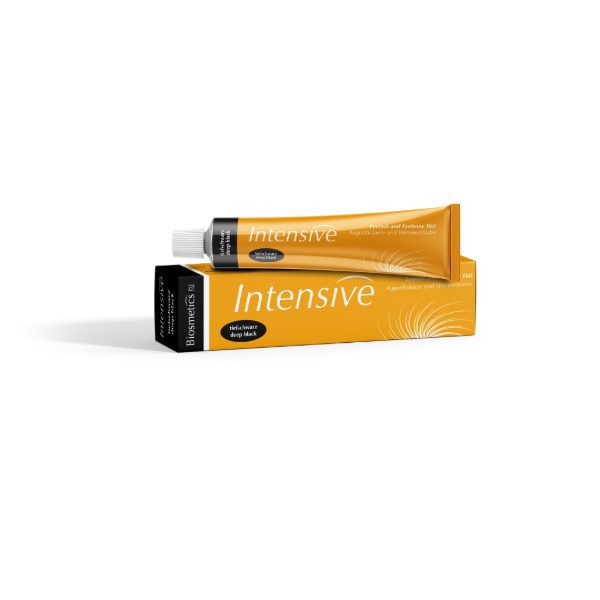
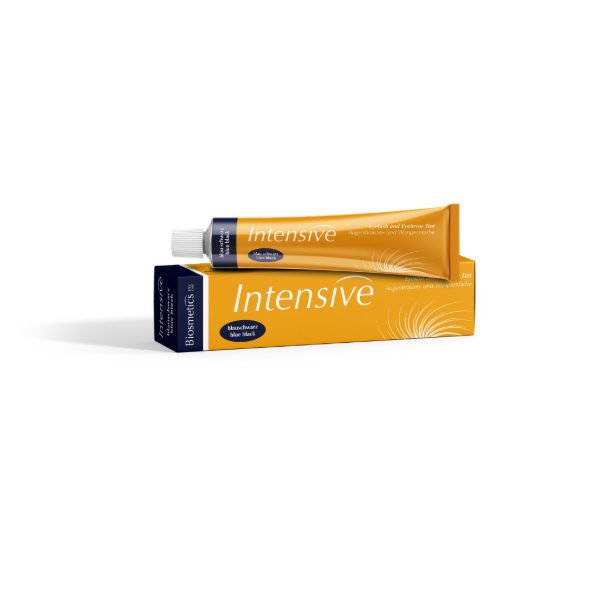
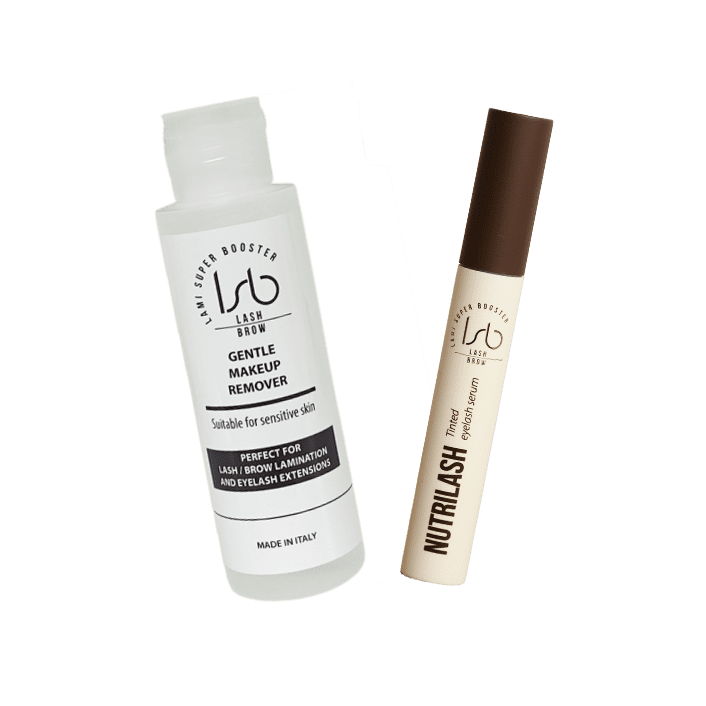
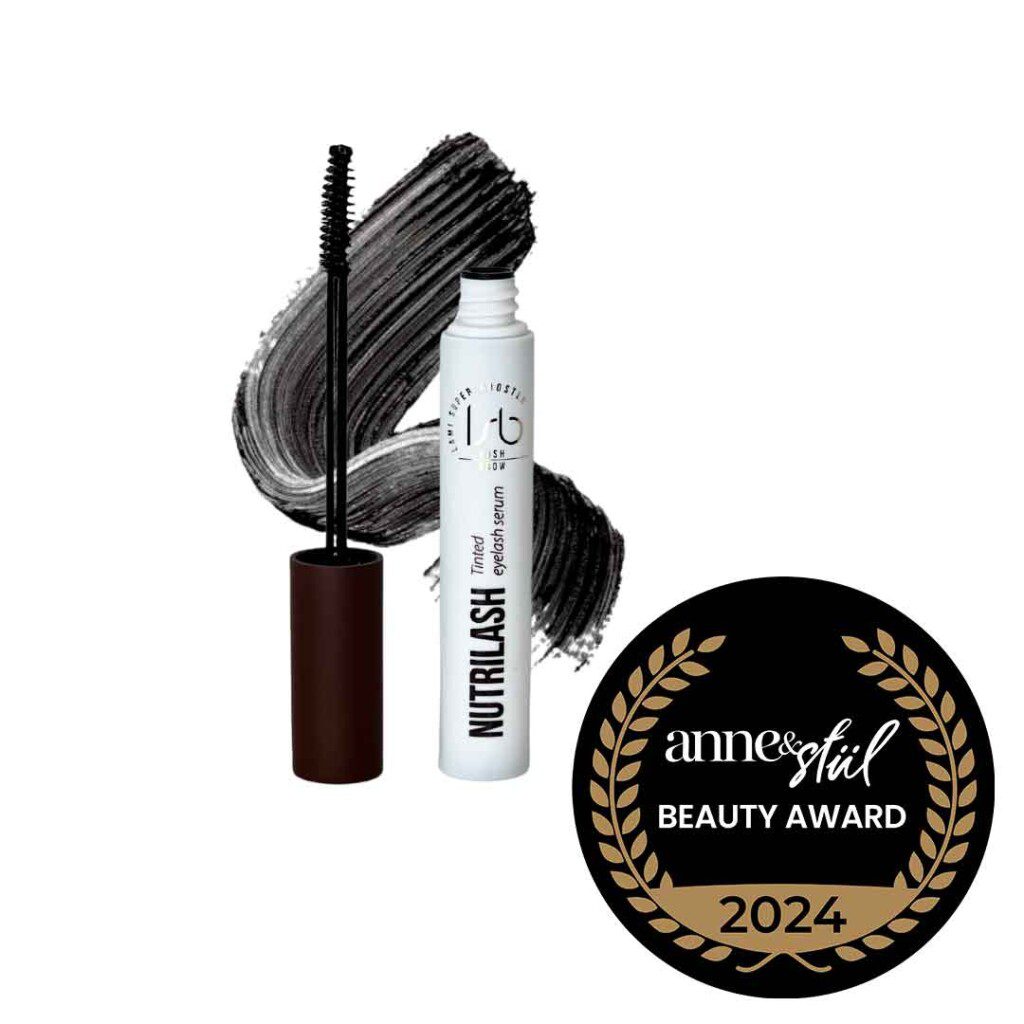
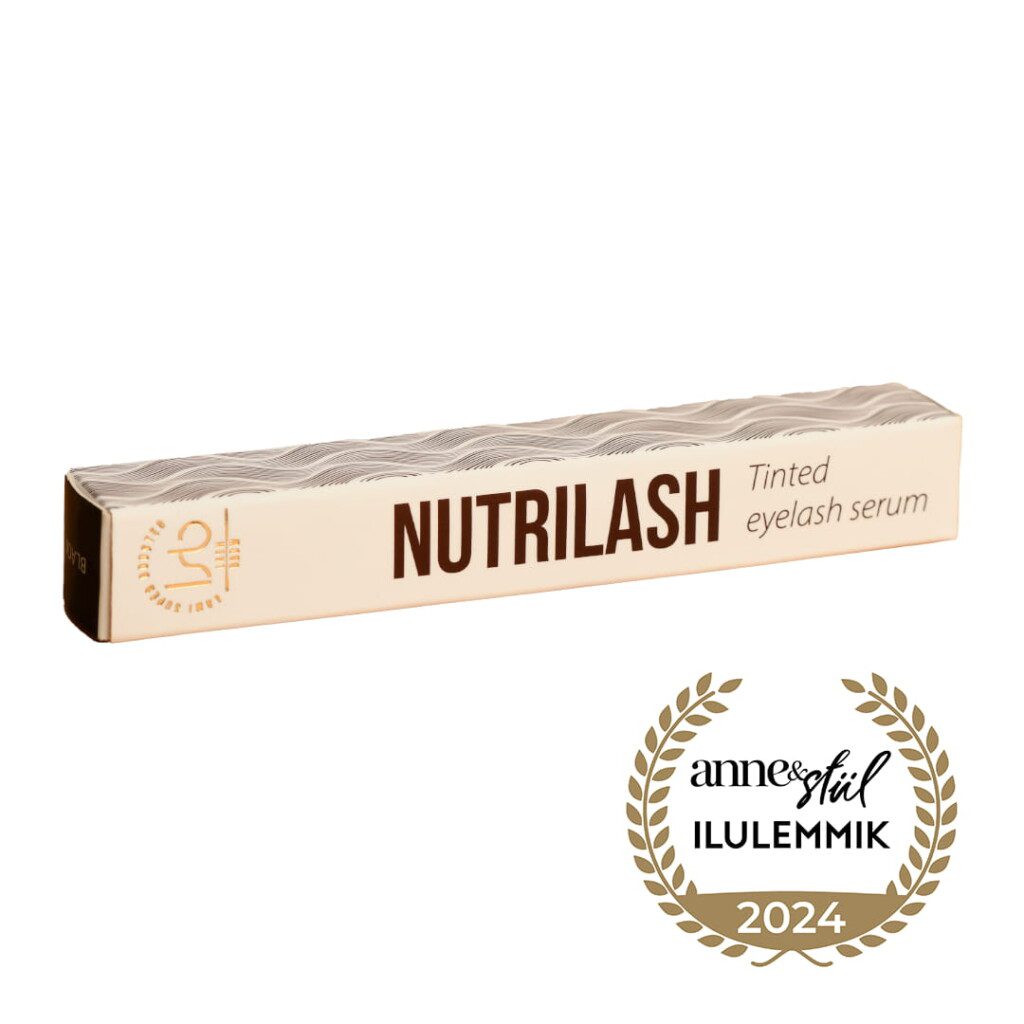
For clients who desire a darker, more dramatic look without the daily maintenance of mascara, a professional eyelash tinting service performed during the lift is the most effective alternative. This provides a deep, smudge-proof pigment that lasts for several weeks. Also, using a tinted serum, such as Nutrilash, can be a great alternative to a mascara.
Professional Application and Removal Techniques
When the 48-hour waiting period has concluded, clients may resume makeup use provided they follow specific protocols to maintain the integrity of the treatment. Application should be handled with a gentle touch. Instruct clients to apply no more than one to two light coats of mascara, starting at the base and wiggling the wand gently upward. Over-application adds unnecessary weight, which can cause the lashes to lose their verticality over time, particularly in fine or naturally thin hair.
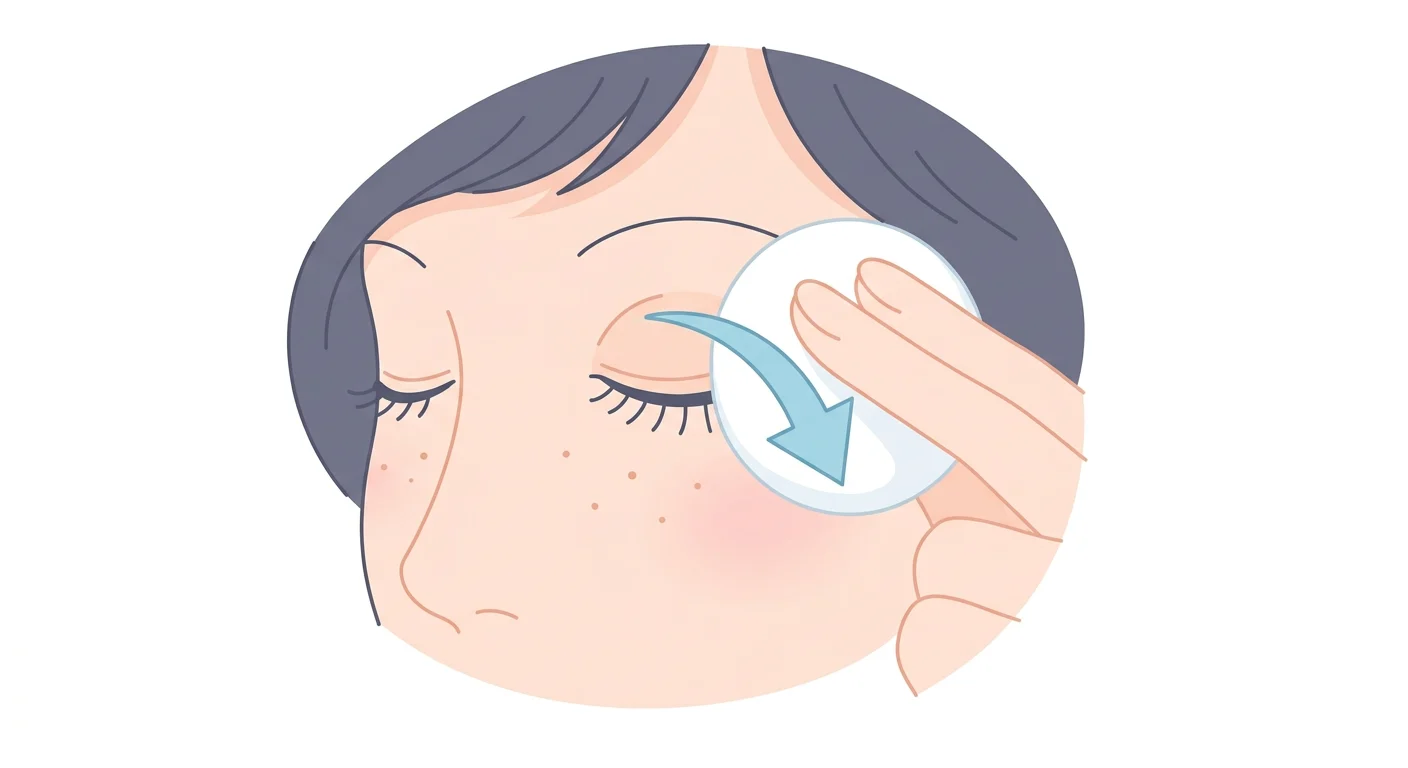
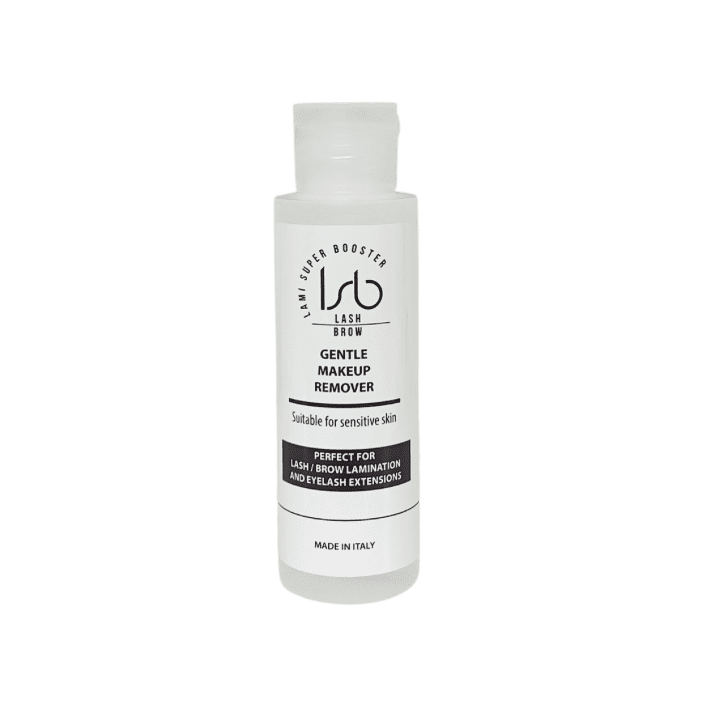
The removal stage is where most mechanical damage occurs. Clients must use an oil-free, professional makeup remover specifically formulated for lash treatments. To remove mascara safely, the client should soak a lint-free cotton pad with the remover and press it against the closed eyelid for 15–30 seconds. This allows the formula to dissolve the pigment without the need for rubbing. Once the makeup has softened, the client should wipe in a gentle downward and outward motion. Consistent rubbing or pulling at the lashes can lead to premature shedding or breakage of the chemically treated lashes.
Maintaining Lash Health Between Treatments
Frequent use of mascara and subsequent removal can occasionally lead to dryness. Since a lash lift is a chemical treatment, maintaining the moisture balance of the lashes is essential to prevent them from becoming brittle. A comprehensive lash lift aftercare routine should include nourishment to support the hair shaft.
Technicians should suggest a daily application of a keratin-rich or nourishing serum. Serums containing ingredients like sodium hyaluronate or hydrolyzed keratin help to reinforce the lashes, ensuring that they remain resilient enough for repeat treatments. It is also important to screen clients for potential contraindications before any repeat service, especially if they have experienced any sensitivity or thinning from improper at-home care. Providing this level of care helps manage the long-term health of the client’s natural lashes.
Troubleshooting Post-Mascara Complications
If a client reports that their lift has “dropped” prematurely after using mascara, the technician should investigate the removal technique and what type of product they used at home. Heavy, oil-based products or aggressive rubbing are common culprits. In cases where the lift appears inconsistent or loses its shape due to improper aftercare, technicians must carefully assess the lash health before deciding how soon you can repeat a lash lift.
If the lashes are healthy but the curl is simply uneven, a mild relaxation treatment may be necessary. However, technicians must strictly follow professional timing protocols to avoid over-processing the lashes. In cases where the lift was insufficient from the start, identifying issues like underprocessing is key to correcting the look without causing further damage. Educating clients on the relationship between mascara and their lash lift results protects your professional work and ensures they return with healthy natural lashes for their next appointment.
Provide your clients with the best start to their aftercare journey by stocking professional-grade removers and nourishing serums in your salon.