
For beauty technicians, the health of a client’s eyelashes is the most critical factor in the success and longevity of any professional service. Whether performing a lash lift or applying extensions, a healthy lash canvas ensures better adhesion, more predictable results, and long-term client satisfaction. Eyelashes serve a primary biological function by protecting the ocular area from debris and environmental stressors. Maintaining this barrier requires a professional approach that combines technical expertise with comprehensive client education on daily care and nutrition.
Daily Cleansing and Mechanical Protection
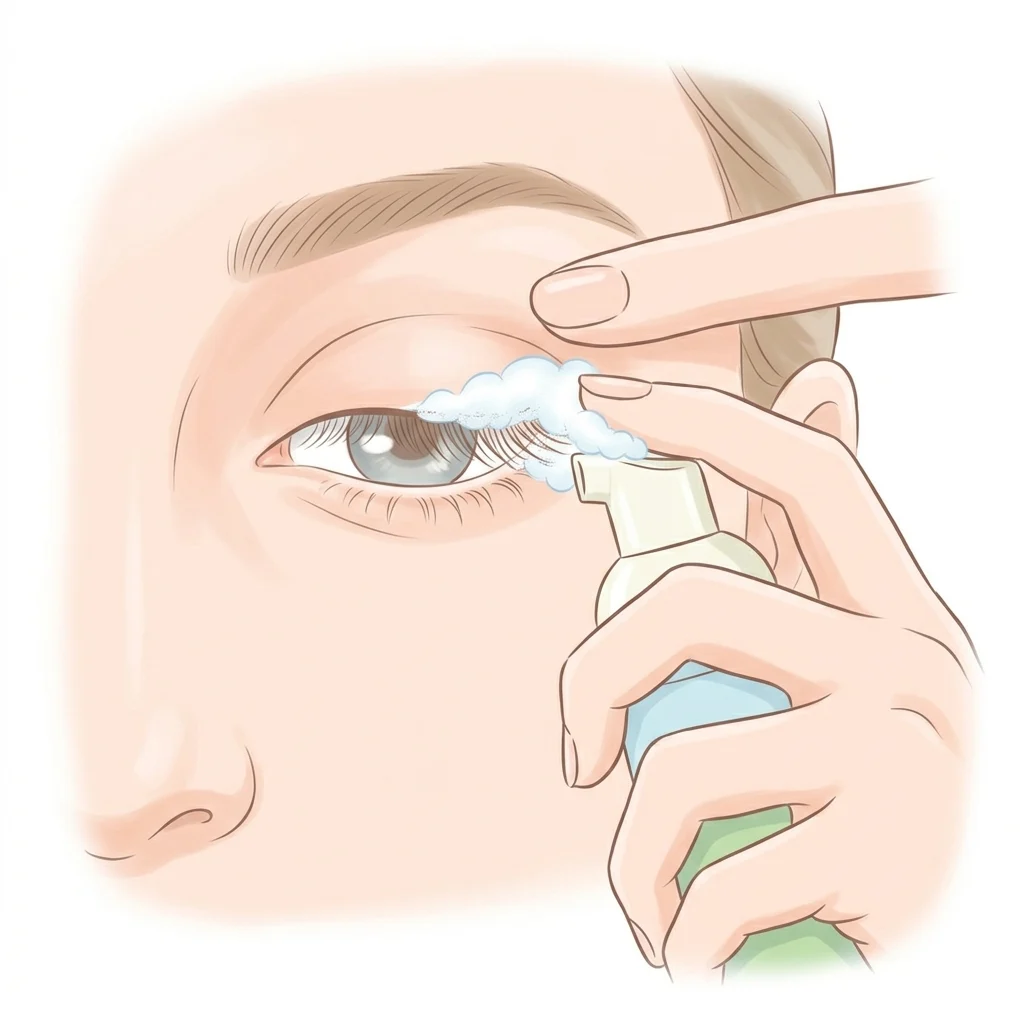
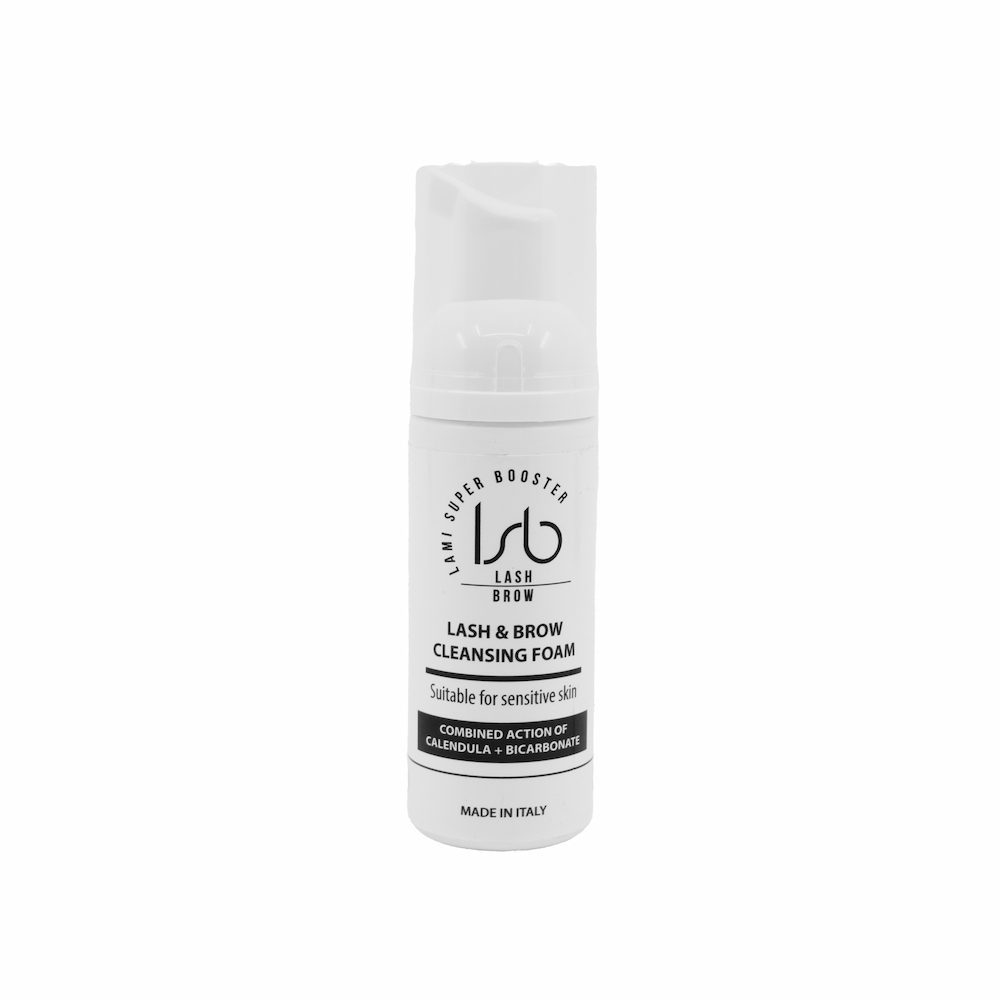
Establishing a proper daily hygiene routine is the first step in preventing irritation and follicle-clogging buildup. Technicians should advise clients to cleanse their lashes daily using a specialized foam that removes dirt and oils without compromising the hair shaft or any existing chemical bonds. This is particularly important for those who wear eye makeup or have extensions, as residual debris can lead to blepharitis or other ocular surface issues.
Beyond cleansing, the mechanical handling of lashes impacts their structural integrity. Clients should be encouraged to use a clean, soft-bristled spoolie to gently detangle lashes daily. This practice helps distribute natural oils and keeps the lashes uniform. It is also essential to emphasize the “pat-dry” method; aggressive rubbing with towels after washing can cause premature shedding and lash breakage. For those prone to tossing and turning during sleep, suggesting a silk or satin pillowcase can significantly reduce the friction that leads to lash loss.
Nutritional Support for Lash Integrity
A professional assessment of lash health often includes discussing internal factors with the client. Since eyelashes are composed primarily of protein, a diet deficient in essential nutrients can lead to thinning or brittle hair. Professional research suggests that biotin, peptides, and panthenol are key components in supporting the growth of thicker, more resilient lashes. Technicians should understand the role of specific lash chemical essentials, such as Vitamin E (tocopheryl acetate), which acts as an antioxidant to nourish and restore dry or brittle hair follicles.
In addition to protein, vitamins A, C, and E are vital for maintaining healthy hair follicles and preventing oxidative stress. Clients who experience frequent lash breakage may benefit from increasing their intake of iron and omega-3 fatty acids, which nourish the hair from the inside out. While topical treatments are the primary focus in the salon, acknowledging the impact of internal health and proper hydration provides a more holistic and professional service.
Professional Aftercare and Recovery Windows
The structural bonds of the eyelashes are most vulnerable immediately following a chemical service. Technicians must strictly enforce a 24 to 48-hour recovery window, during which the client avoids direct water, steam, and high heat. This period is crucial for the chemical bonds to set fully and ensures the longevity of the lash lift. Excessive moisture or oil during this timeframe can weaken the results and lead to an uneven or dropped curl.
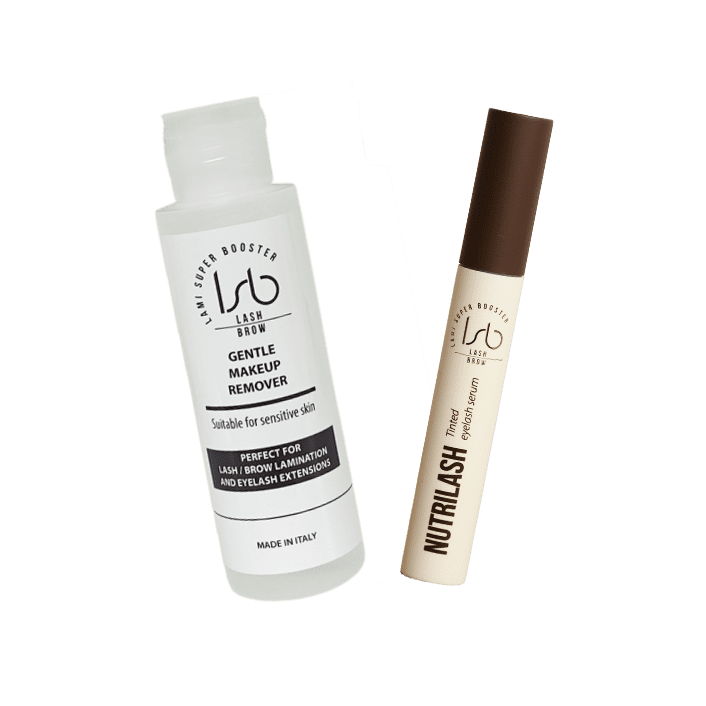
Once the initial setting period has passed, the focus shifts to hydration. Chemical treatments can sometimes leave the hair cuticle open, making the lash susceptible to moisture loss. Utilizing a nourishing cream-mask at the end of a procedure helps seal the cuticle and lock in moisture. For ongoing maintenance, a prostaglandin-free serum containing hydrolyzed keratin and sodium hyaluronate can be used daily to keep the lashes supple and minimize the risk of lash hydration damage.
Selection of Lash-Friendly Cosmetics
Client advice should always include a review of their current cosmetic bag. Many over-the-counter products contain harsh sulfates, alcohols, or heavy oils that can degrade lash health over time. For clients who have recently received a lift, choosing the best mascara for lifted lashes is essential. Water-based formulas are preferred over waterproof versions, as the latter requires vigorous rubbing and oil-based removers that can stress the hair and cause premature lash loss.
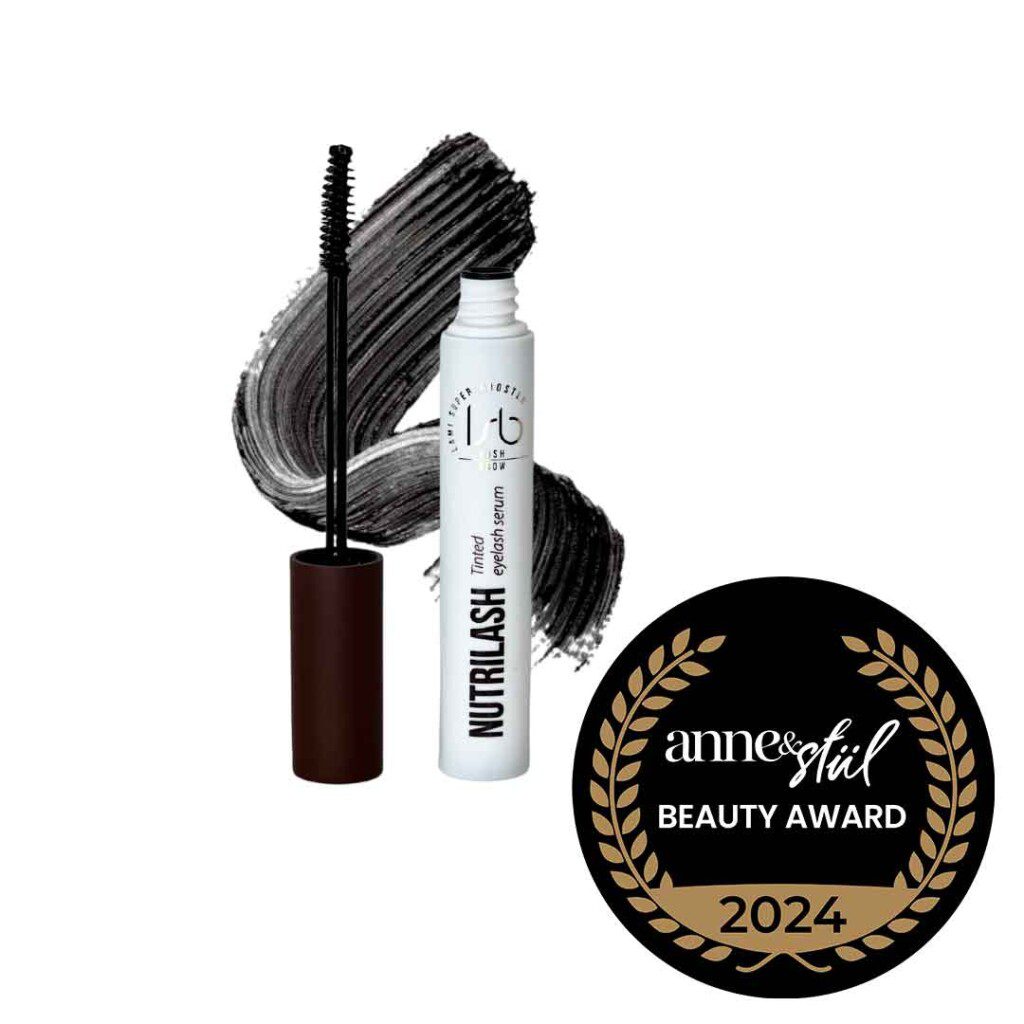
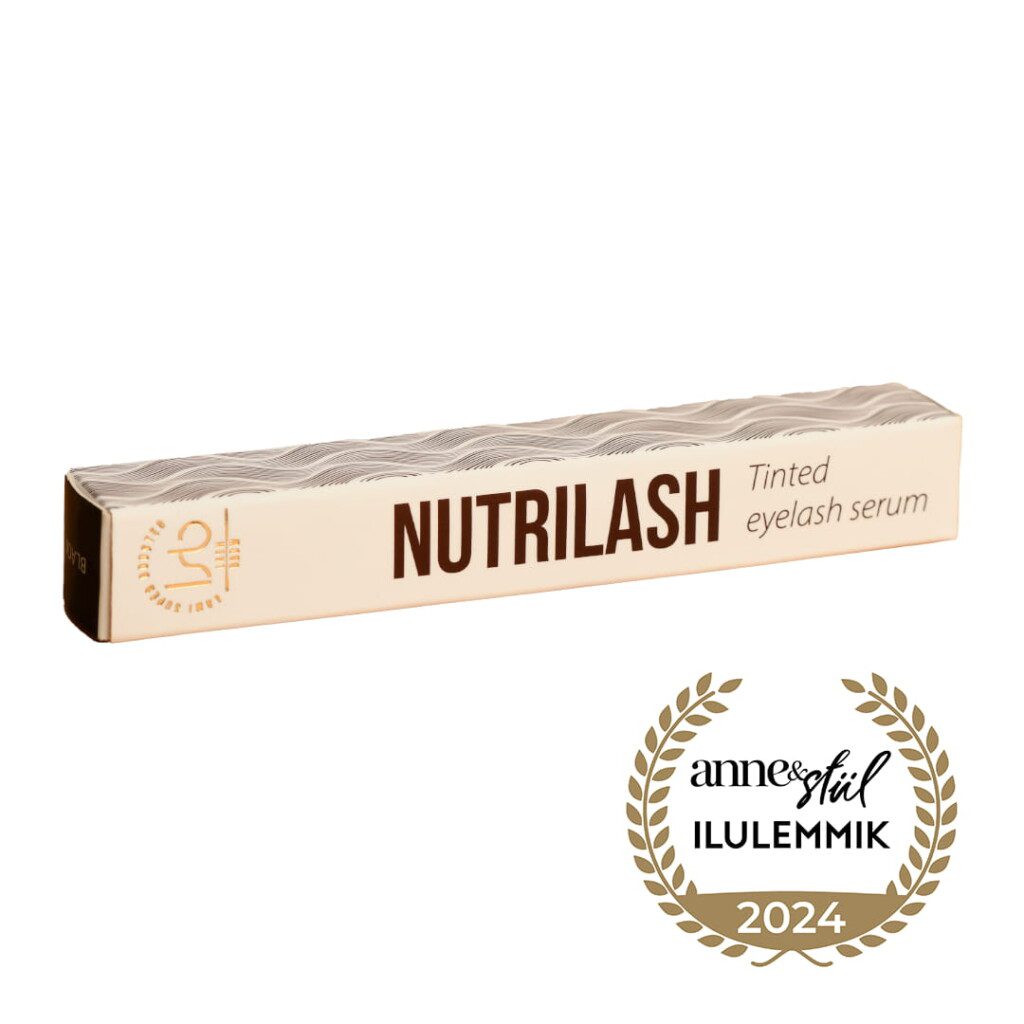
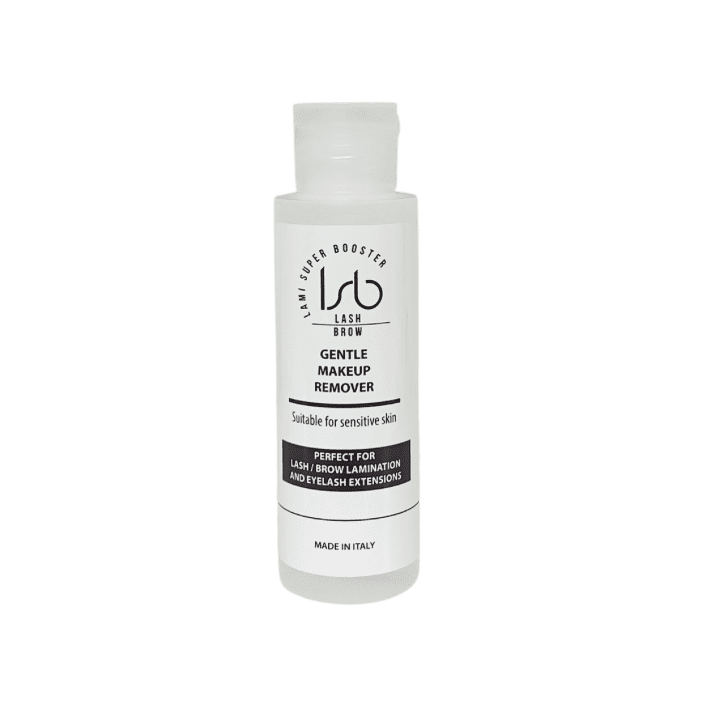
When choosing a makeup remover, professionals should recommend oil-free, pH-balanced formulas that are gentle on the sensitive skin of the eyelids. These products effectively dissolve pigments without leaving a film that could interfere with the natural shedding cycle or future professional treatments. Consistent use of professional-grade aftercare ensures the lashes remain strong enough for repeated services every six to eight weeks.
Technical Strategies to Prevent Damage
A technician’s choice of products and techniques directly influences the long-term health of the client’s lashes. To avoid over-curled eyelashes or chemical burns, it is vital to select the correct shield size and monitor processing times closely based on the lash thickness. Using modern systems that incorporate nourishing agents like castor oil, peptides, and apple stem cells into the lifting and fixing steps can mitigate potential lash cuticle damage.
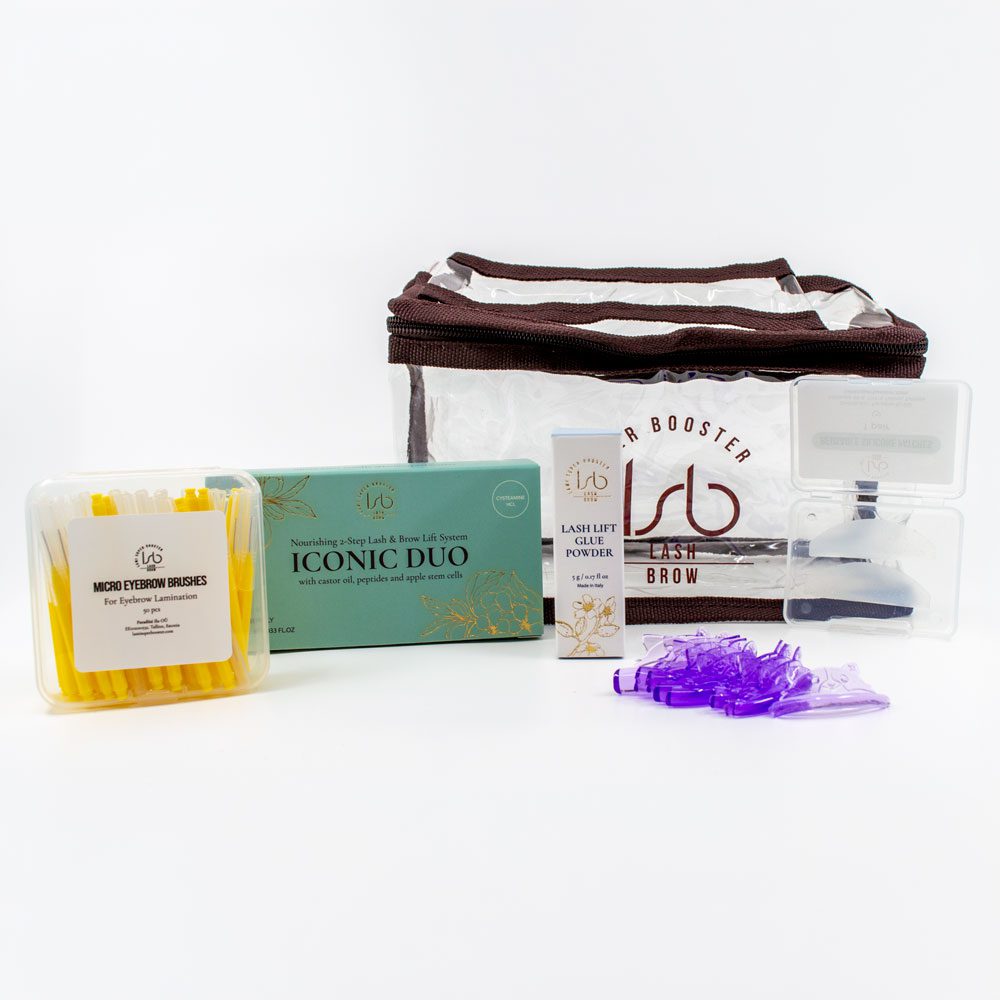
Iconic Duo Cysteamine Lash Lift Kit medium
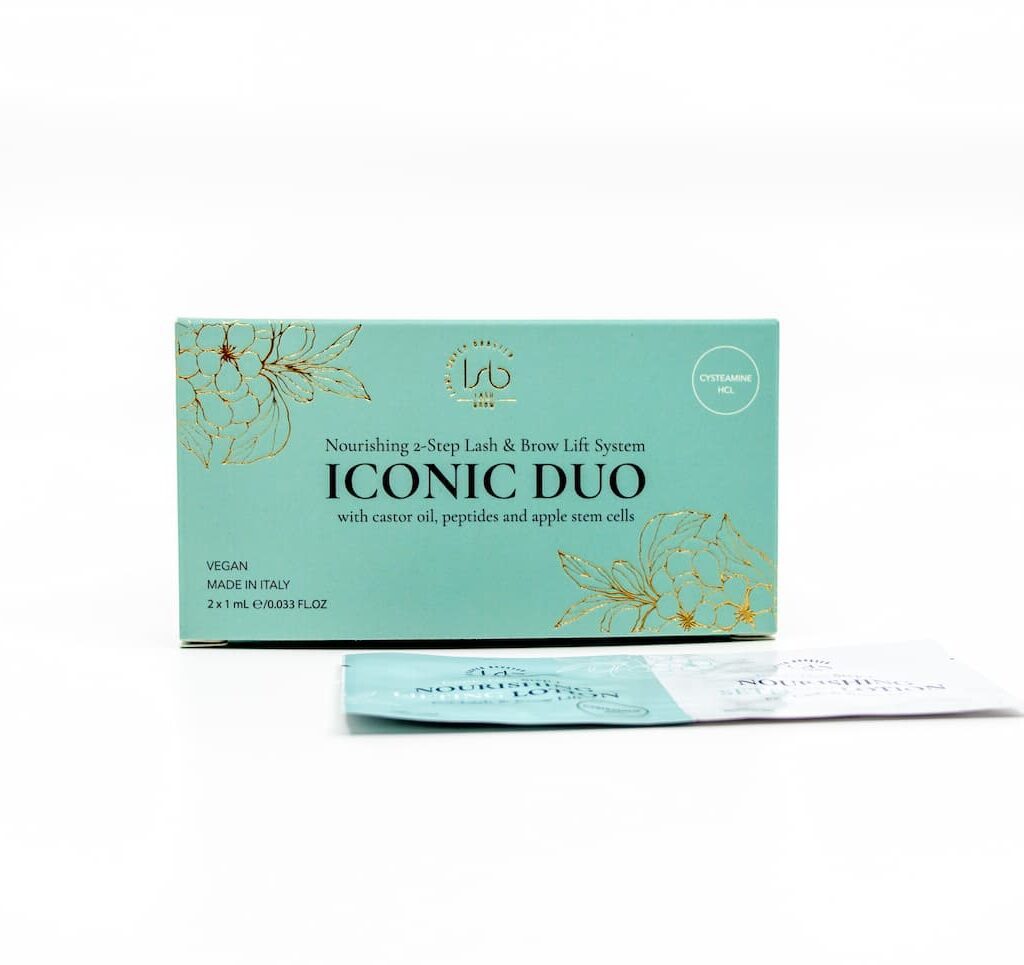
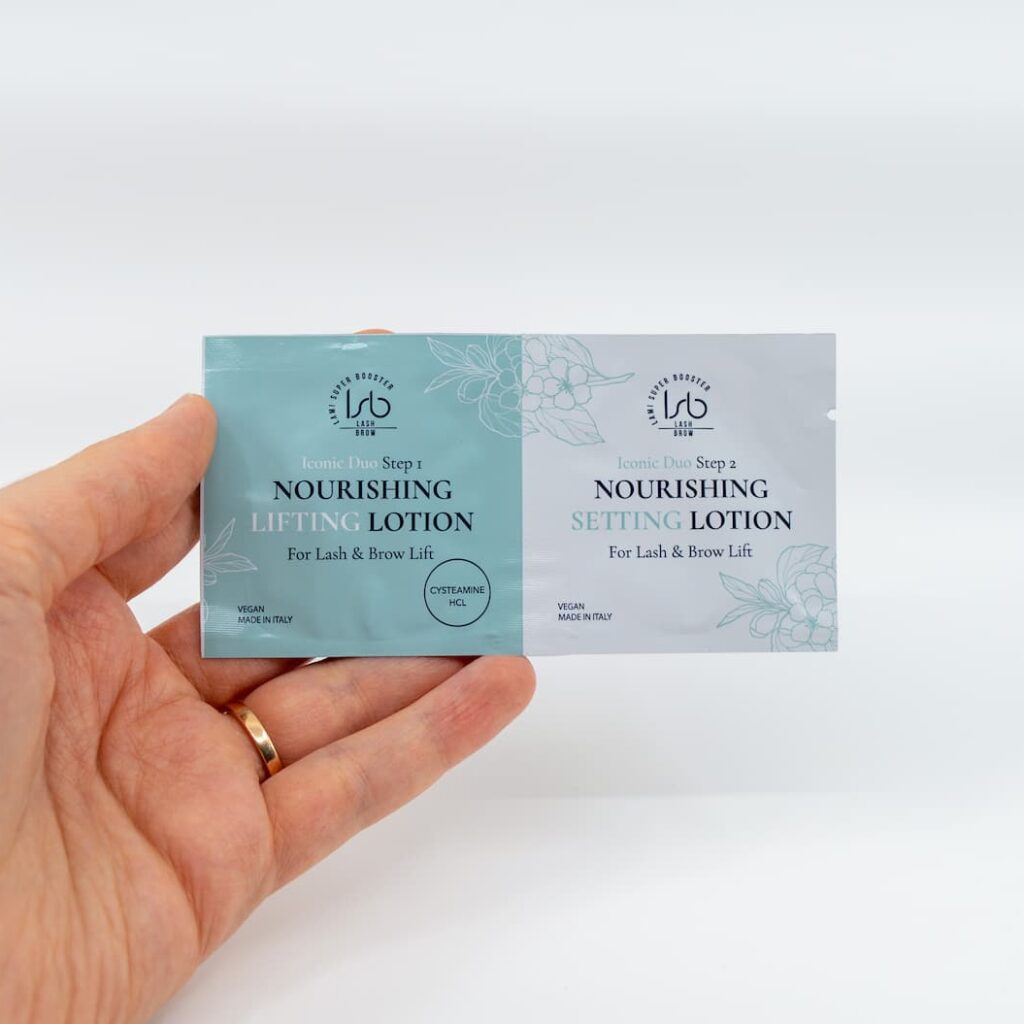
For clients with naturally fine or damaged lashes, eyelash lamination offers a gentler alternative to traditional harsh perms. These systems often use Cysteamine HCl, which is known for being less aggressive than thioglycolic acid, allowing for a restructure of the lash without compromising its internal protein structure. Always conduct a thorough consultation to identify any contraindications for lash lifts, such as recent eye surgeries, infections, or hormonal changes that could affect the hair’s response to chemicals.
Identifying When to Pause Treatments
Part of professional client management is knowing when to recommend a break from chemical services. If a client presents with brittle, thinning, or excessively shedding lashes, it may be necessary to wait for a full growth cycle – typically six to ten weeks – before performing another lift. This allows the natural lashes to recover their strength. During this rest period, the focus should shift entirely to intensive nourishment and gentle handling.
If a client experiences persistent redness, itching, or unexplained lash loss, it is important to advise them to consult a medical professional. Conditions such as thyroid imbalances or certain autoimmune issues can manifest as changes in lash density and health. By monitoring these changes and adhering to a strict waiting period between lifts, you position yourself as a knowledgeable expert dedicated to the long-term integrity of the client’s natural beauty.
To ensure your clients achieve the best possible results, maintain a consistent focus on both professional technique and high-quality aftercare. Providing the right education and specialized products will keep their lashes strong, healthy, and ready for their next salon visit.