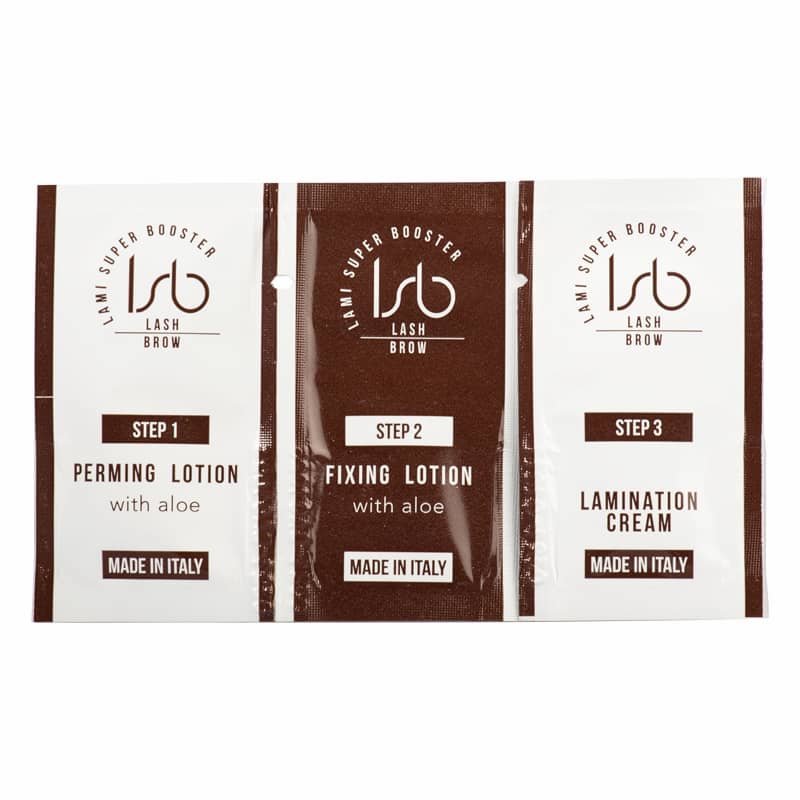
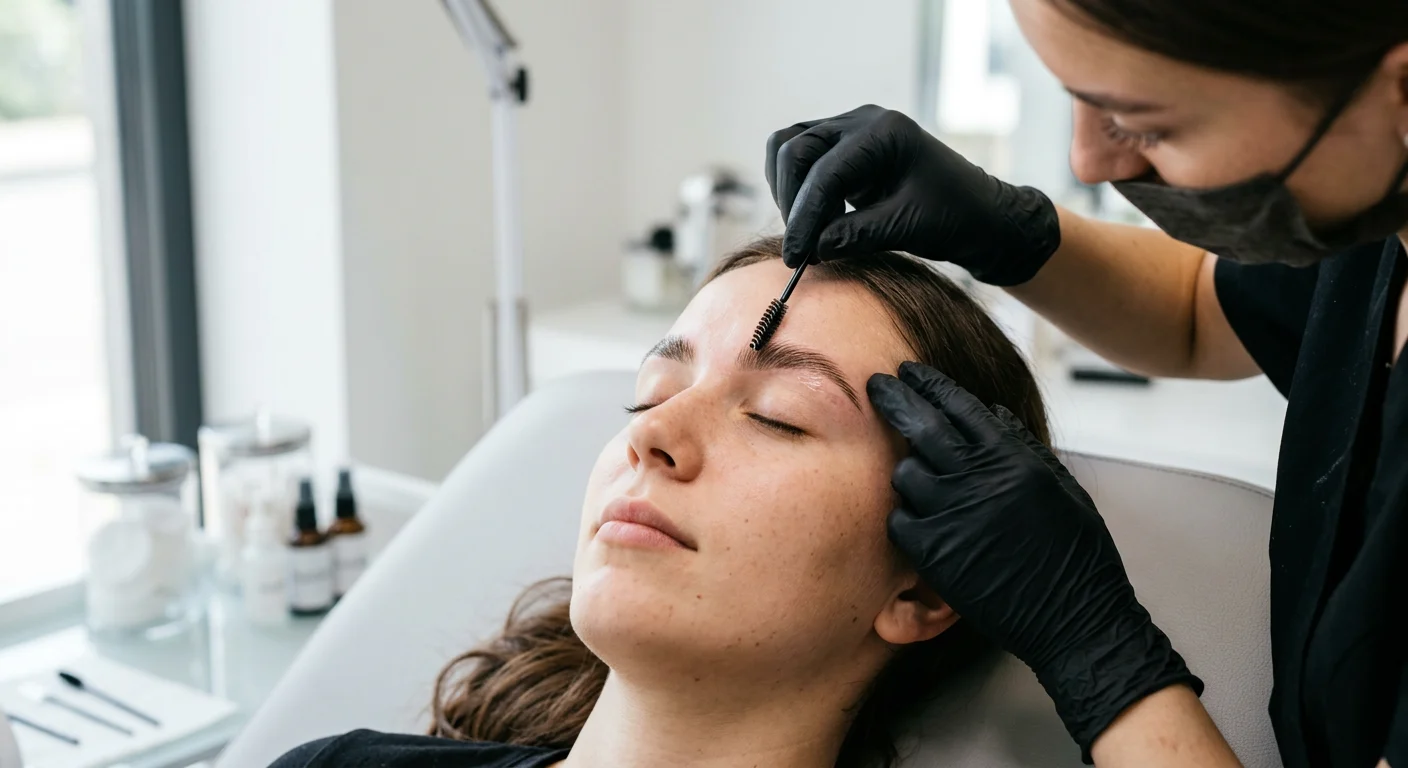
For clients struggling with sparse or thin eyebrows, brow lamination is often the most transformative service a technician can offer. While those with thick, unruly brows typically seek lamination for control, clients with finer hair are looking for the illusion of density and volume. By redirecting the hair and setting it against the skin, you can maximize the surface area each hair occupies, effectively filling in gaps without the permanence of more invasive procedures.
Mastering the technical benefits of brow lamination for this specific demographic requires a nuanced approach to chemical processing and hair health. Because thin hairs have a smaller diameter and often higher porosity, the margin for error is significantly slimmer than with coarse hair types. Precision in timing and placement is the difference between a lush, fluffy result and damaged, brittle hair.
Assessing Sparse and Fine Brow Textures
Before starting the treatment, a thorough pre-treatment assessment is mandatory to distinguish between thin hair (fine diameter) and sparse brows (low density). Fine hair lacks a robust medulla, meaning the lifting solution reaches the disulfide bonds almost instantly. Furthermore, sparse brows expose more of the skin surface to the chemical solutions, which increases the potential for irritation or treating chemical burns if the technician is not vigilant.
During the consultation, evaluate the diameter and texture of the hair. If the hair appears dull or rough, it may be highly porous and absorb the solution rapidly, requiring a reduction in processing time. You should also examine the skin health; the presence of active skin conditions or recent chemical peels may necessitate a refusal of service to ensure the safety of brow lamination for that specific client.
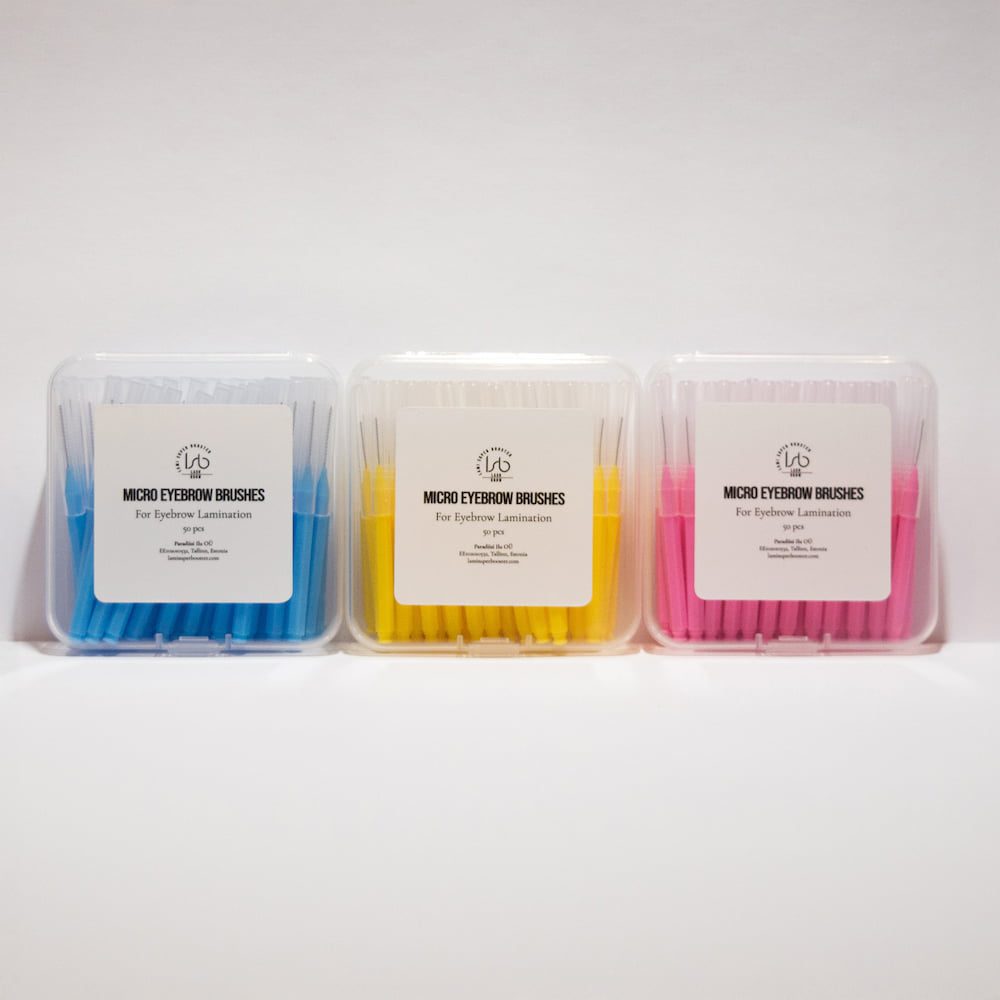
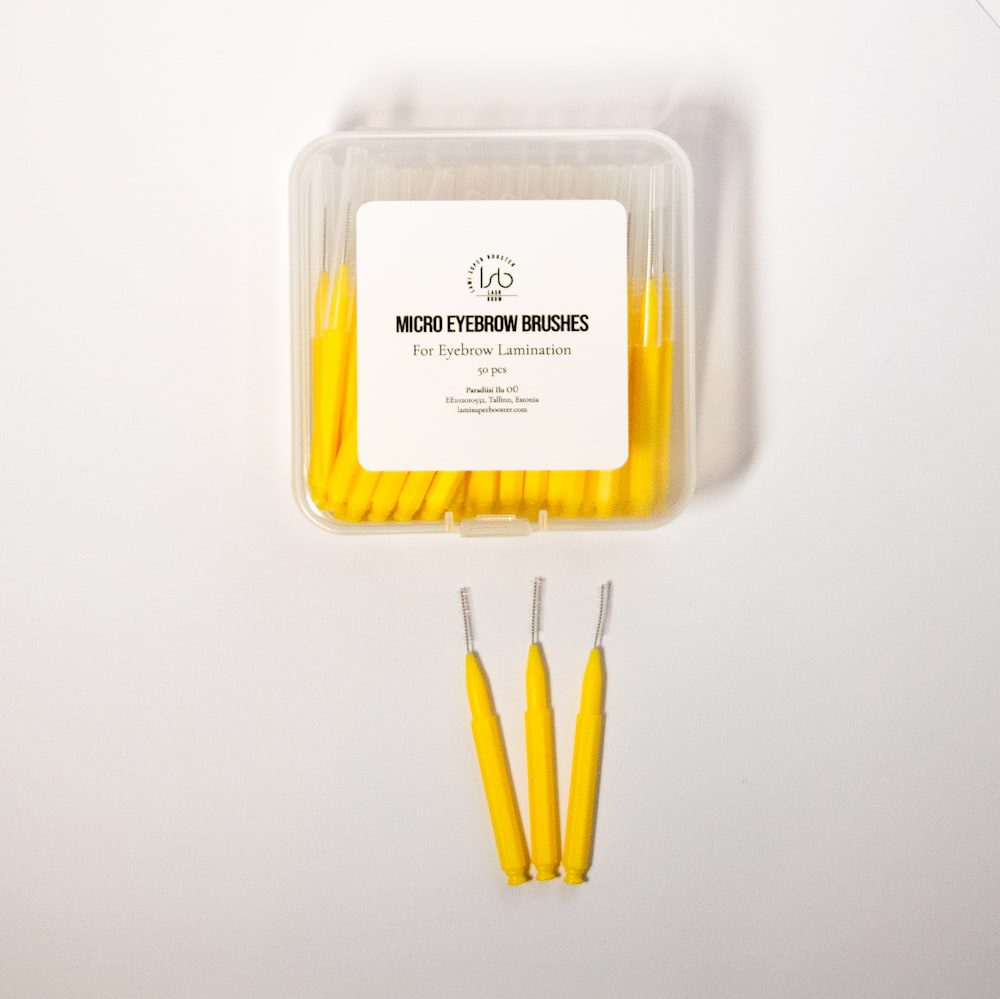
50 Micro Eyebrow Brushes
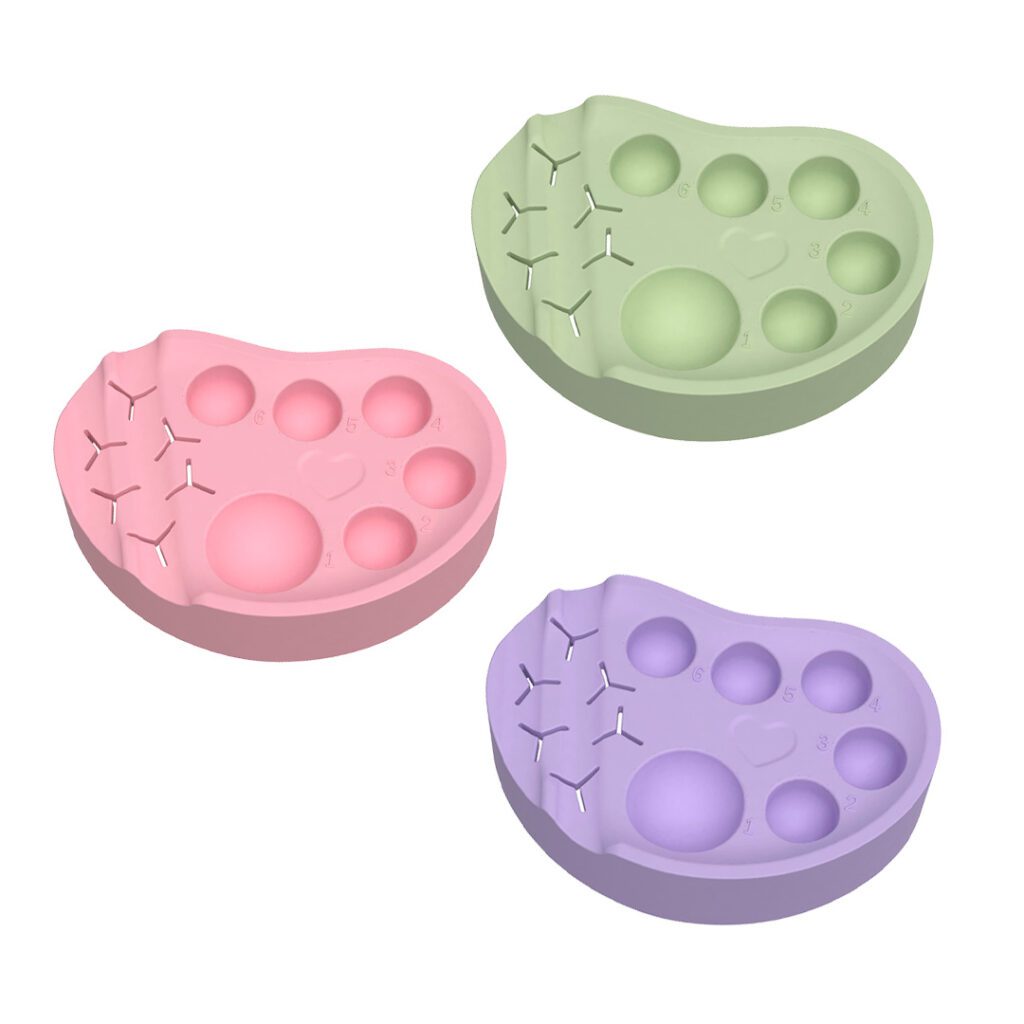
Lash Lift and Brow Lamination Palette
Safety Protocols and Professional Screening
Safety is paramount when dealing with delicate hair. You must strictly adhere to identifying brow lamination contraindications, such as active eczema, psoriasis, or recent anti-wrinkle injections in the brow area. A patch test should be performed at least 24 to 48 hours before the treatment – apply a small amount of the lifting and fixing lotions to the crook of the elbow or behind the ear, then remove in 10 minutes and ask the client to monitor for adverse reactions in the next 24-48 hours.
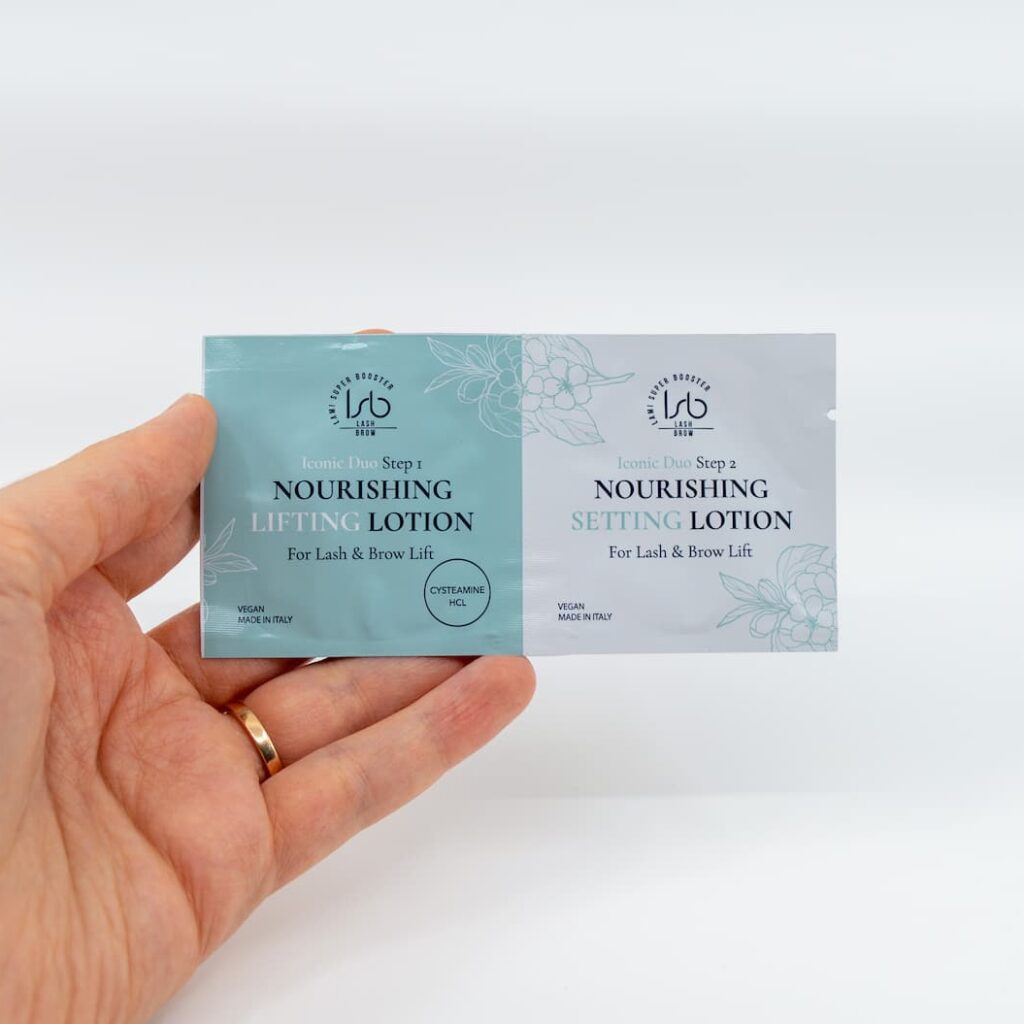
For clients with very sparse brows, consider using a cysteamine-based formula. Cysteamine HCl is typically gentler than Ammonium Thioglycolate, making it a safer choice for fragile hair structures. This milder approach prioritizes the long-term health of the hair follicles while still achieving the desired lift and redirection.
Technical Application and Precision Timing
The primary goal for thin brows is to achieve a fuller look without compromising structural integrity. This requires a specific sequence of steps tailored to the fragility of fine hair.
Preparation and Structural Placement
The process begins with a deep cleanse to remove all oils, makeup, and debris. Using a professional oil-free cleanser ensures that the lifting solution can penetrate the hair shaft evenly without being blocked by sebum or product buildup. For sparse brows, technicians should avoid aggressive exfoliation, as the skin is already more exposed and susceptible to chemical sensitivity.
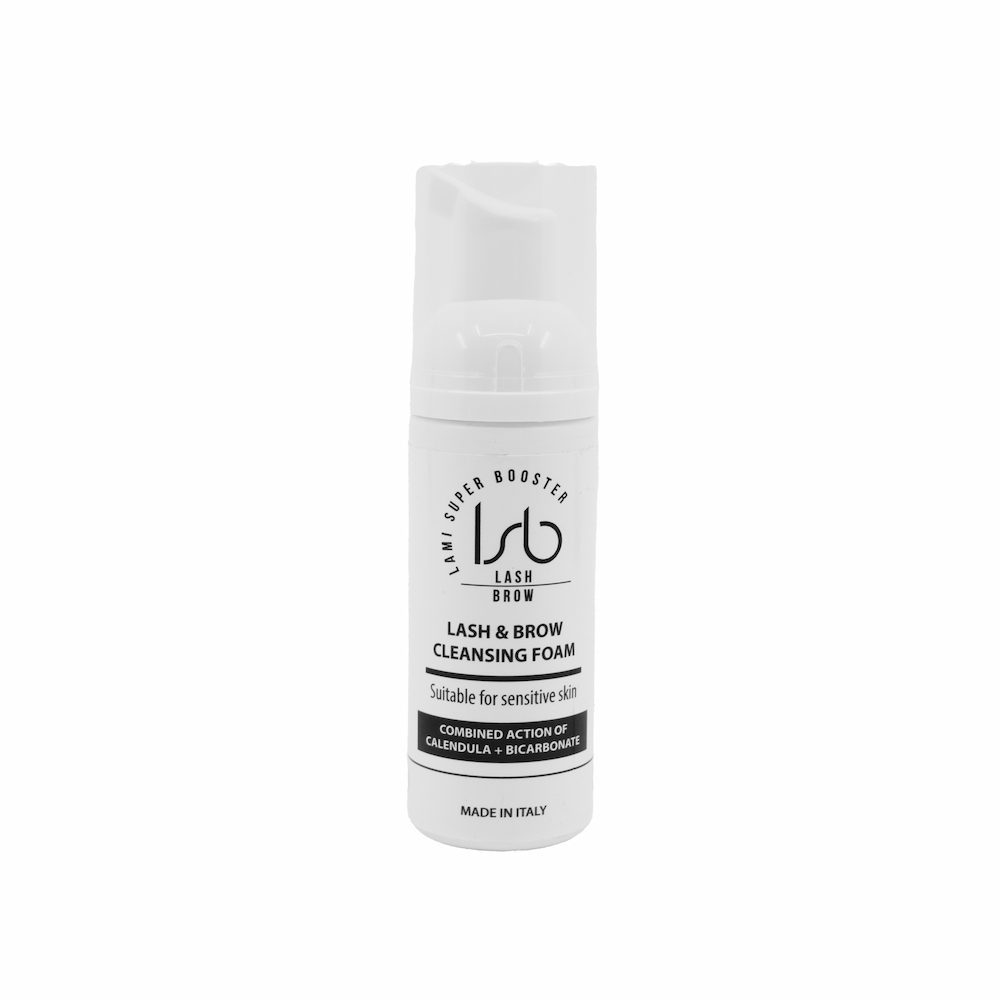
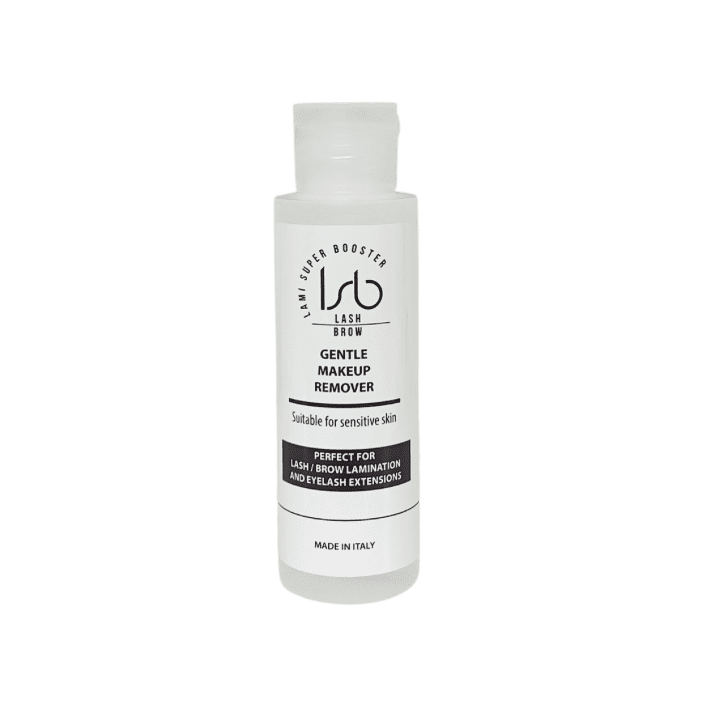
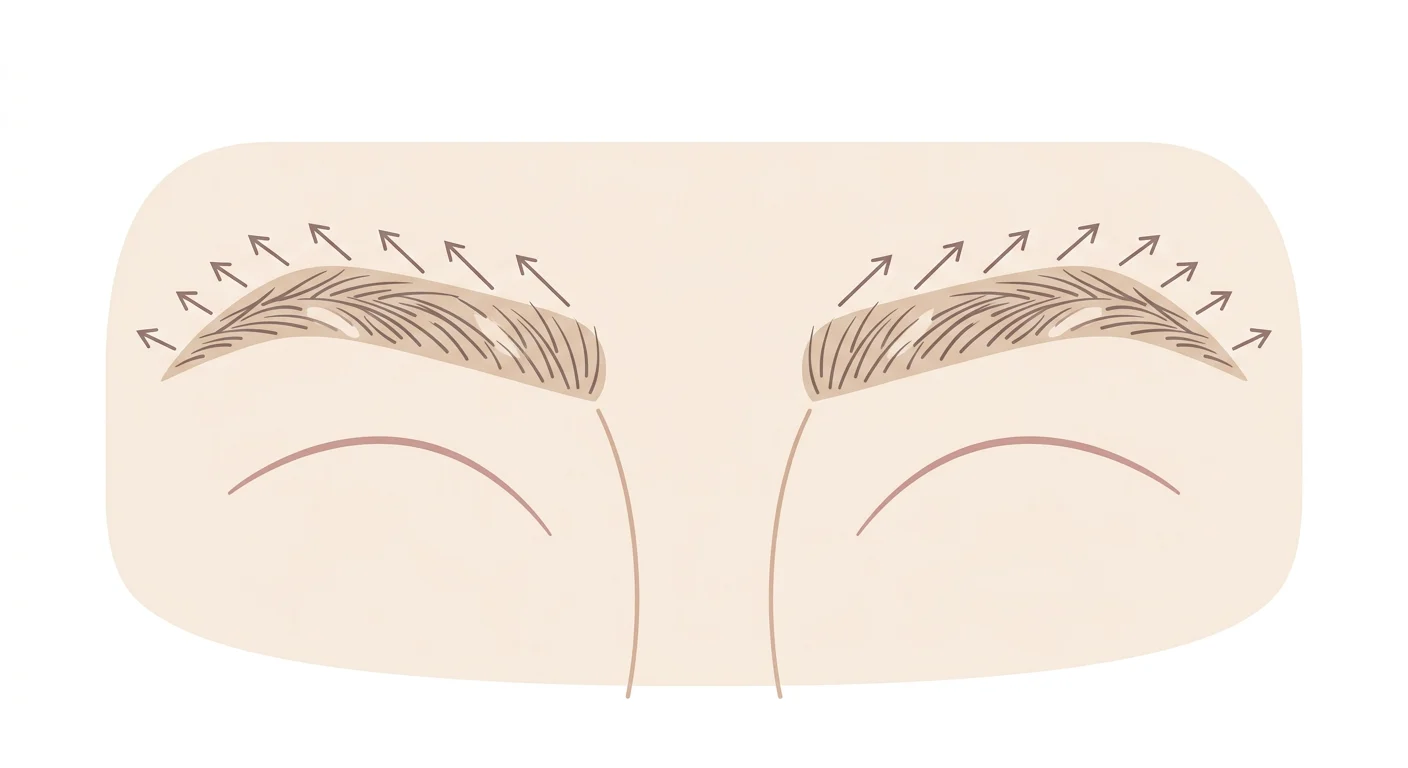
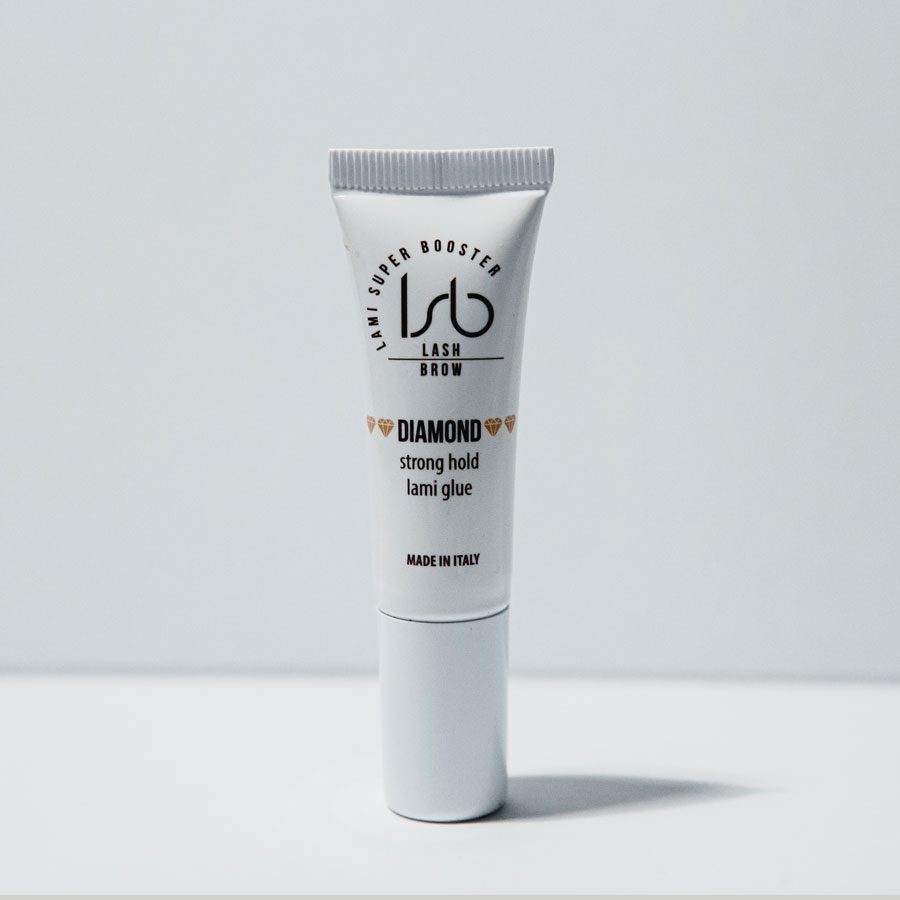
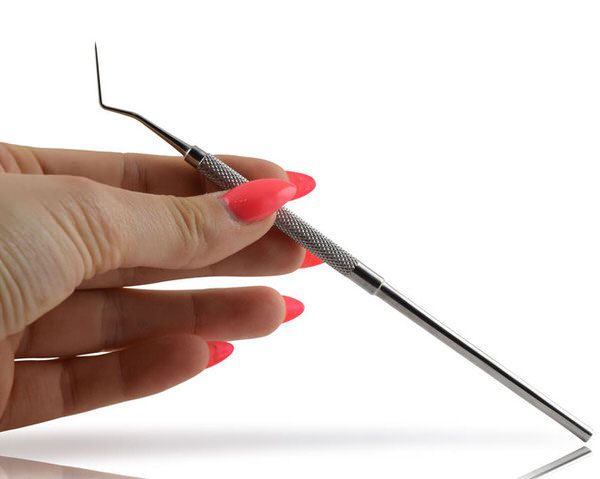
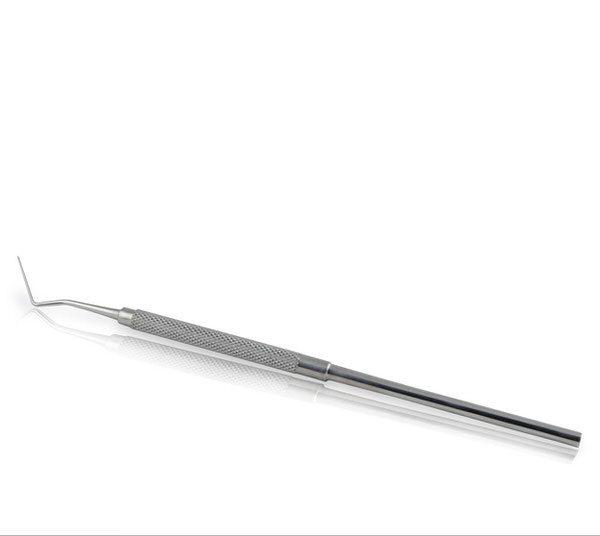
Once the area is clean, apply a thin, 1mm layer of water-based adhesive to the brows or mix Lash Lift Glue Powder into the lotions and apply the lotion directly. Using a high-quality professional brow lamination tools, comb the hairs into the desired direction. For sparse brows, avoid brushing the hairs straight up at a 90-degree angle, as this vertical orientation can emphasize gaps. Instead, aim for a 45-degree angle to create a natural, fan-like spread that covers empty patches and mimics a naturally fuller brow line.
Navigating Chemical Processing for Fine Hair
The chemical stage is the most critical phase for thin hair. While standard or coarse hair may require 10 to 12 minutes, thin or fine hair typically only needs 7 to 8 minutes for the lifting solution to work. If you are using high-potency formulas, this processing window may be as short as 4 to 5 minutes. Monitoring the hair every 2 minutes is essential; use a micro-brush to gently lift a single hair. If it stays in the new position without springing back to its natural shape, the disulfide bonds are sufficiently softened.
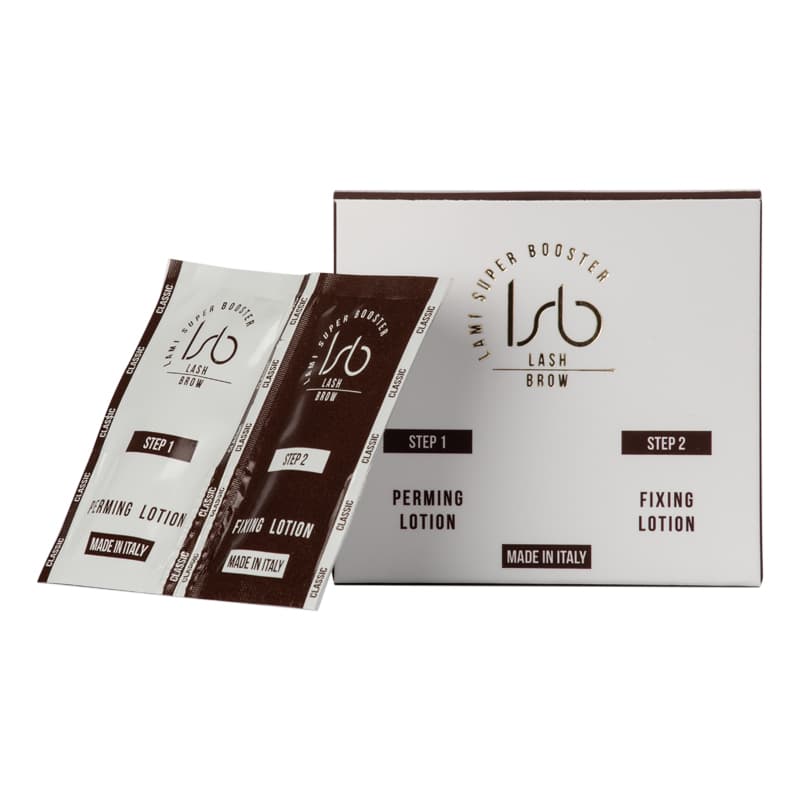
Once processed, remove the solution gently with a dry cotton swab and apply the fixing lotion for the same duration to rebuild the hair bonds in their new alignment. This stabilizes the shape and ensures the hair remains manageable and healthy.
Enhancing Density Through Strategic Tinting
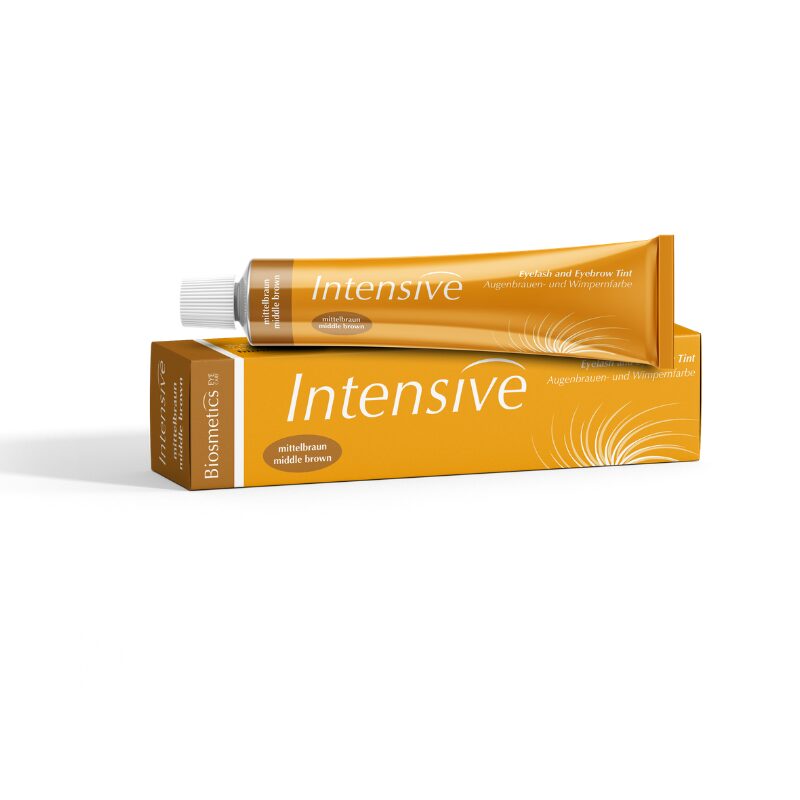
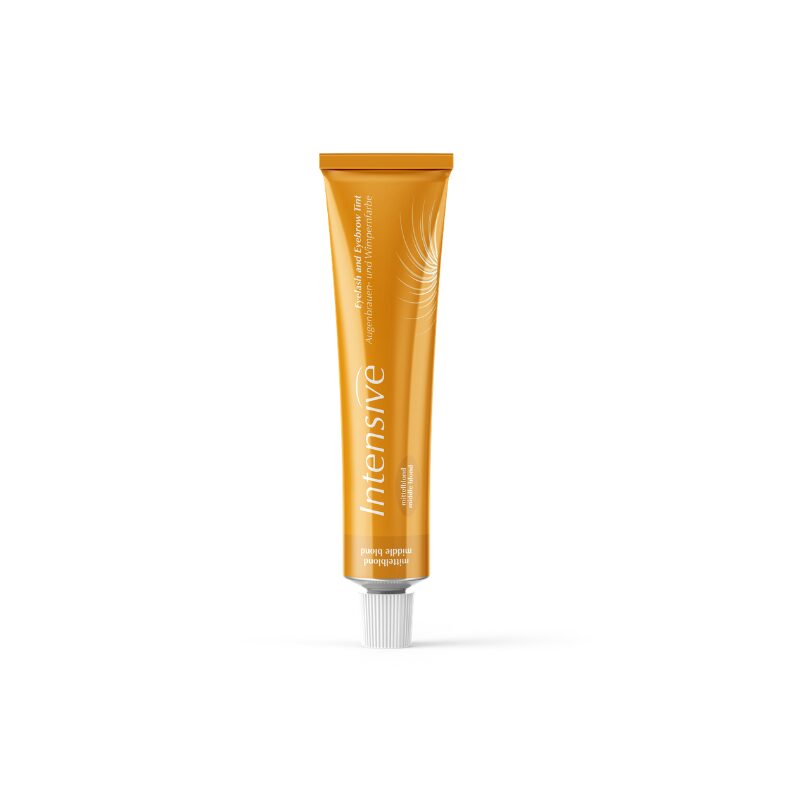
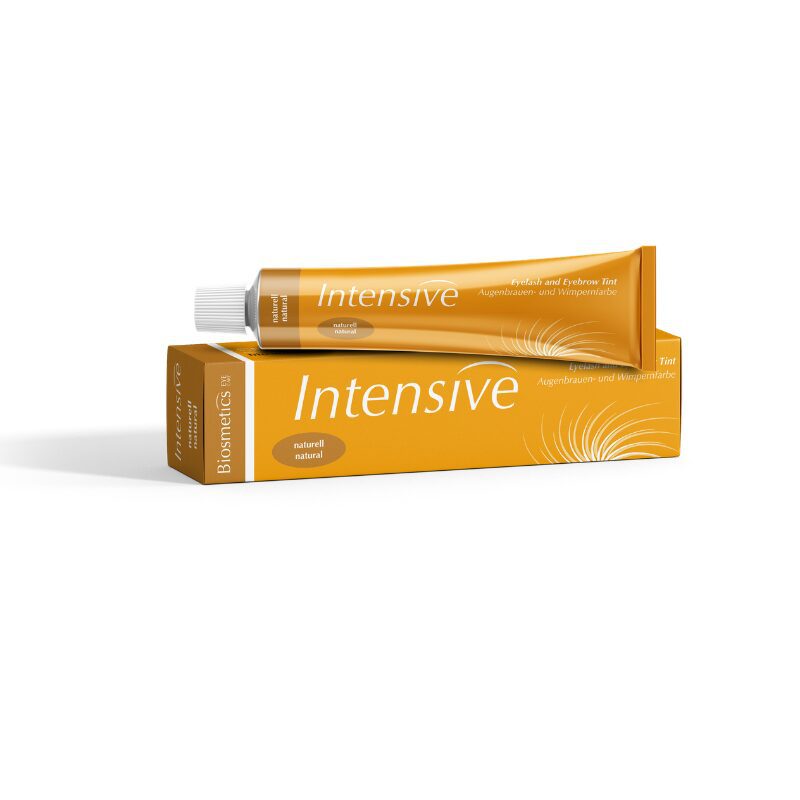
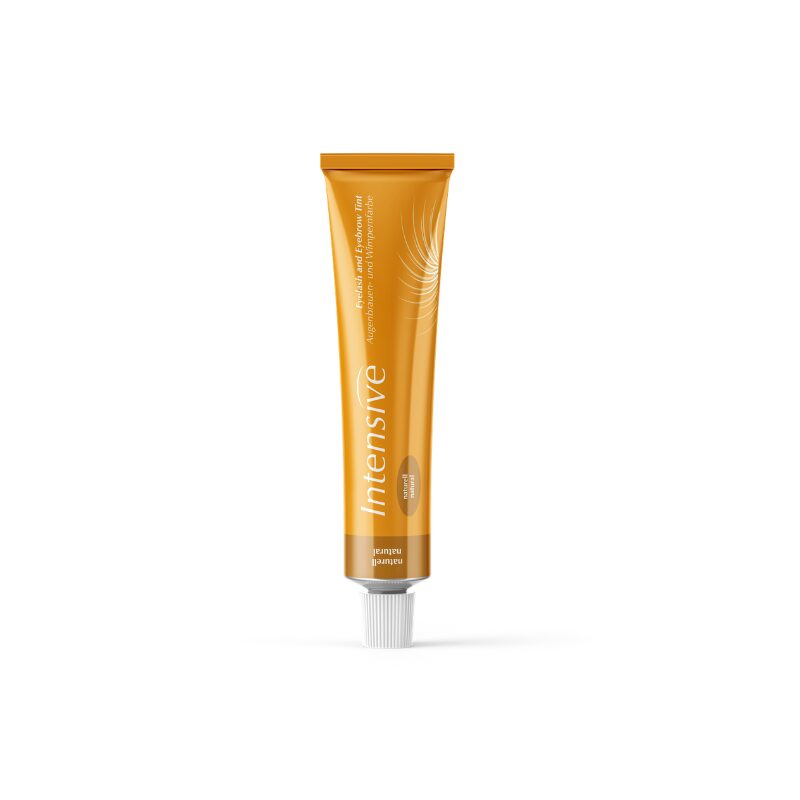
Tinting is almost always recommended for sparse brows to provide immediate depth. By tinting the fine peach fuzz that is normally invisible, you can create a more cohesive and dense appearance. Professional standards suggest that you should tint after lamination, as the lifting solution can lift existing pigment from the hair.
When working with sparse brows, choose a shade that matches the natural hair or is one shade lighter to avoid an unnaturally harsh or “stamped-on” look. Because the hair is highly porous after the chemical lamination steps, it will absorb color much faster than usual. Monitor the development closely and leave the tint on for only 2 to 5 minutes to achieve the desired intensity without over-darkening the brows.

Professional Aftercare for Long-Term Maintenance
The how long brow lamination lasts on thin hair is usually 4 to 6 weeks. Because the hair is fine, it can become brittle more easily than thick hair, making diligent aftercare essential. Instruct your client to avoid direct water, steam, heavy exercise, and makeup for the first 24 to 48 hours to allow the bonds to fully set.
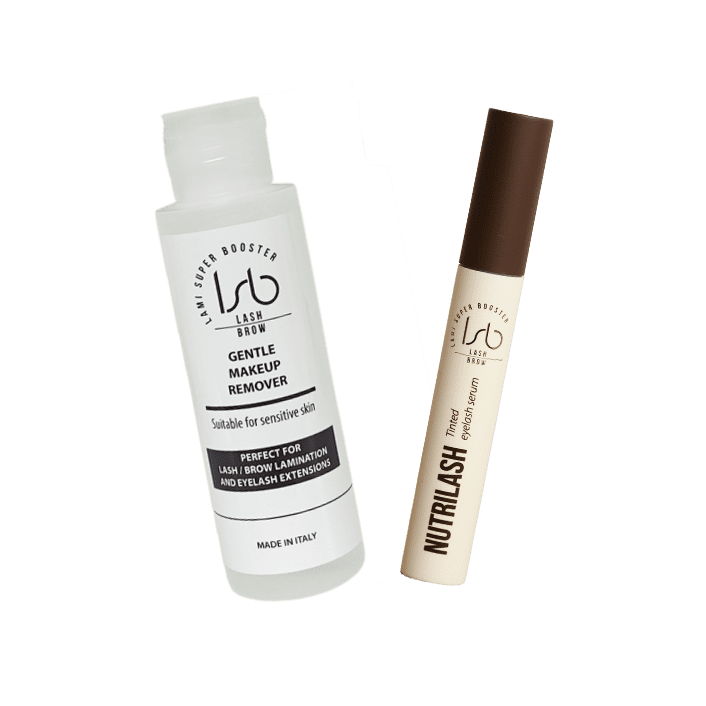
To prevent the hair from becoming frizzy or dry, clients must apply a nourishing serum daily as part of their brow lamination aftercare routine. High-quality nourishing masks containing keratin, argan oil, and vitamins help to seal the cuticle and maintain flexibility. Regular brushing with a clean spoolie following the direction of hair growth will also help maintain the shape between professional appointments, which should be scheduled every 6 to 8 weeks.

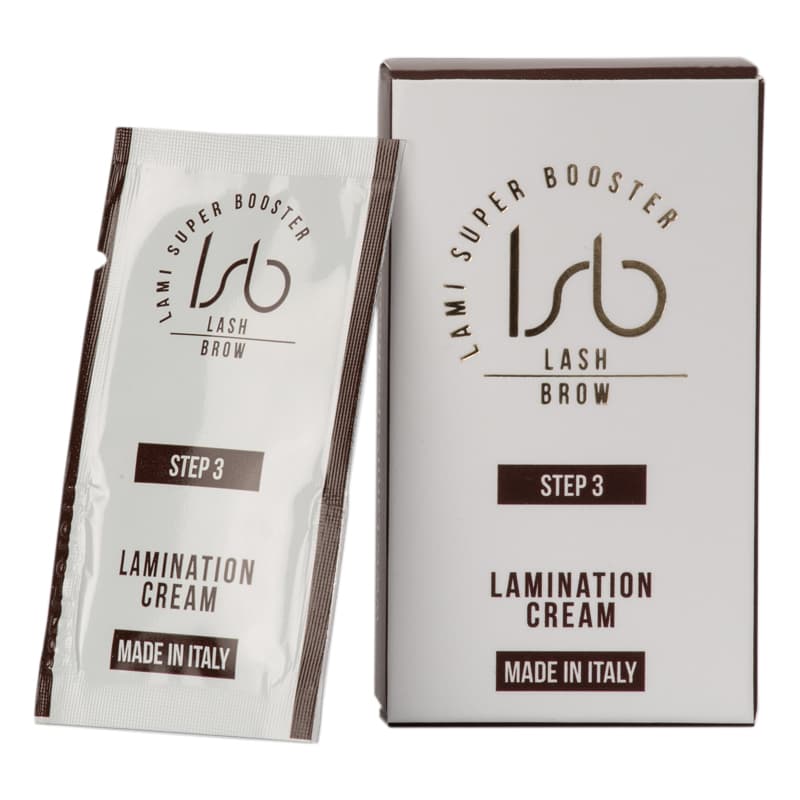
Properly executed brow lamination can transform sparse arches into a defined, modern shape that saves the client significant time on daily grooming. By prioritizing hair health and adjusting your processing times for fine textures, you ensure a result that is both aesthetically pleasing and sustainable for the client’s natural growth cycle. To provide the best results for your clients, ensure you are using a complete brow lamination kit designed for precision and professional use.