




For professional technicians, brow lamination is a transformative service that delivers high-impact results, yet its chemical nature requires a strict adherence to timing and frequency. Determining the right interval for retreatment is not just about aesthetics; it is about maintaining the structural integrity of the brow hair and ensuring long-term client satisfaction. While the visual effects are striking, a “more is better” approach can quickly lead to over-processing and permanent hair damage.
Brow Lamination Longevity
Typically, brow lamination results last 4 to 6 weeks, though some clients may see the effects linger for up to 8 weeks. This duration depends heavily on the individual’s hair growth cycle. As new hairs grow in and the chemically treated hairs eventually shed, the “lifted” look naturally begins to soften.
Longevity is also influenced by external factors. Clients with oily skin may find that the sebum breaks down the setting solutions faster, while those who frequently use saunas, steam rooms, or swim in chlorinated water may experience premature fading. When discussing schedules with clients, it is important to emphasize that lamination is a temporary modification of the hair’s keratin structure, and its fading is a natural part of the stages of hair growth.
Safe Retreatment Intervals
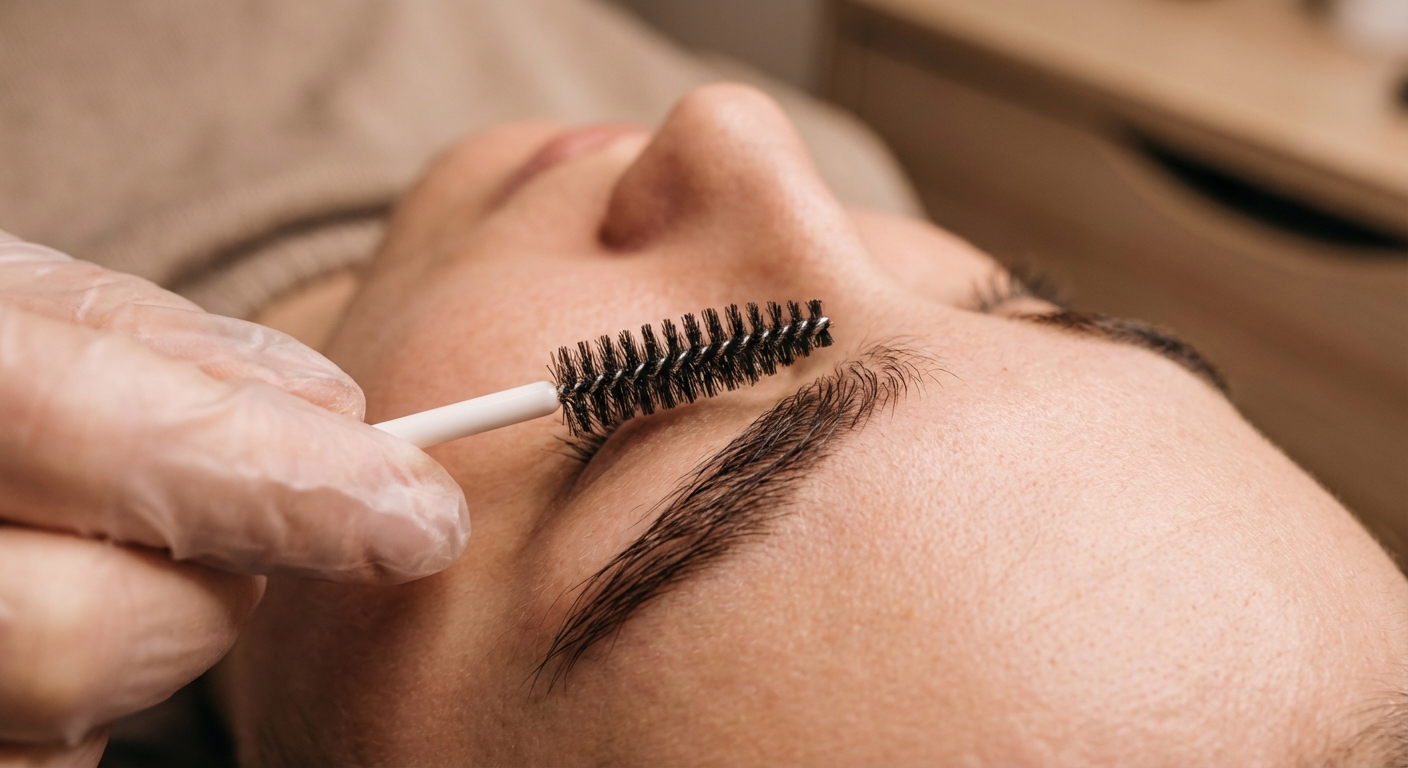
The industry standard for re-laminating brows is a minimum of 6 to 8 weeks. This interval ensures that the majority of the brow hairs have transitioned through their growth cycle, preventing the same hair shaft from being subjected to multiple chemical processes in a short period. Re-processing hair that has not yet shed can lead to extreme porosity and breakage.
Technicians should customize the frequency based on a thorough assessment of the client’s hair type rather than following a generic timeline.
- Thick, coarse brows: These hairs are often more resilient and may handle a 6-week rotation well, provided the hair health remains optimal.
- Average brows: An 8-week interval is recommended to balance style with the biological recovery of the hair and skin.
- Thin or fine brows: These hairs are significantly more susceptible to chemical breakage. A longer waiting period of 10 to 12 weeks is often necessary to allow for significant new growth before re-applying lotions.


Signs of Over-Processing and When to Wait
Performing the service too frequently can lead to over-processed or damaged brows. As a technician, you must be able to identify the warning signs before proceeding with a new treatment. If a client returns for a touch-up and exhibits any signs of compromised hair health, the treatment must be postponed to prevent further damage.
The most common indicators of over-processing include frizzy or singed ends, which suggest the hair cuticle has been significantly compromised. You may also notice excessive brittleness where the hairs feel “crunchy” or snap easily when brushed with a spoolie. In some cases, an irregular texture appears where brows look “zigzagged” or abnormally curled. Furthermore, any lingering redness or irritation from a previous session suggests the skin barrier has not fully recovered. In cases where the skin appears compromised, technicians should also review how to treat a chemical burn and ensure the client is using restorative products rather than more chemicals.
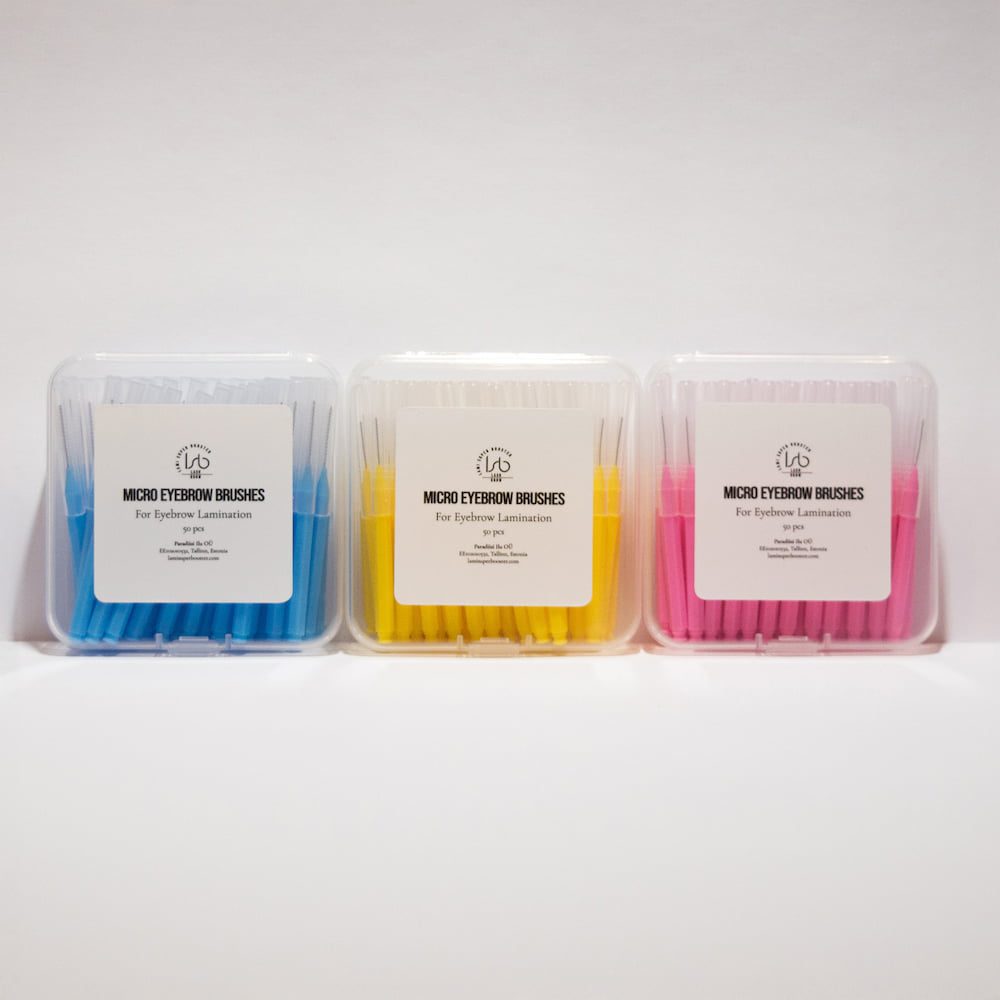
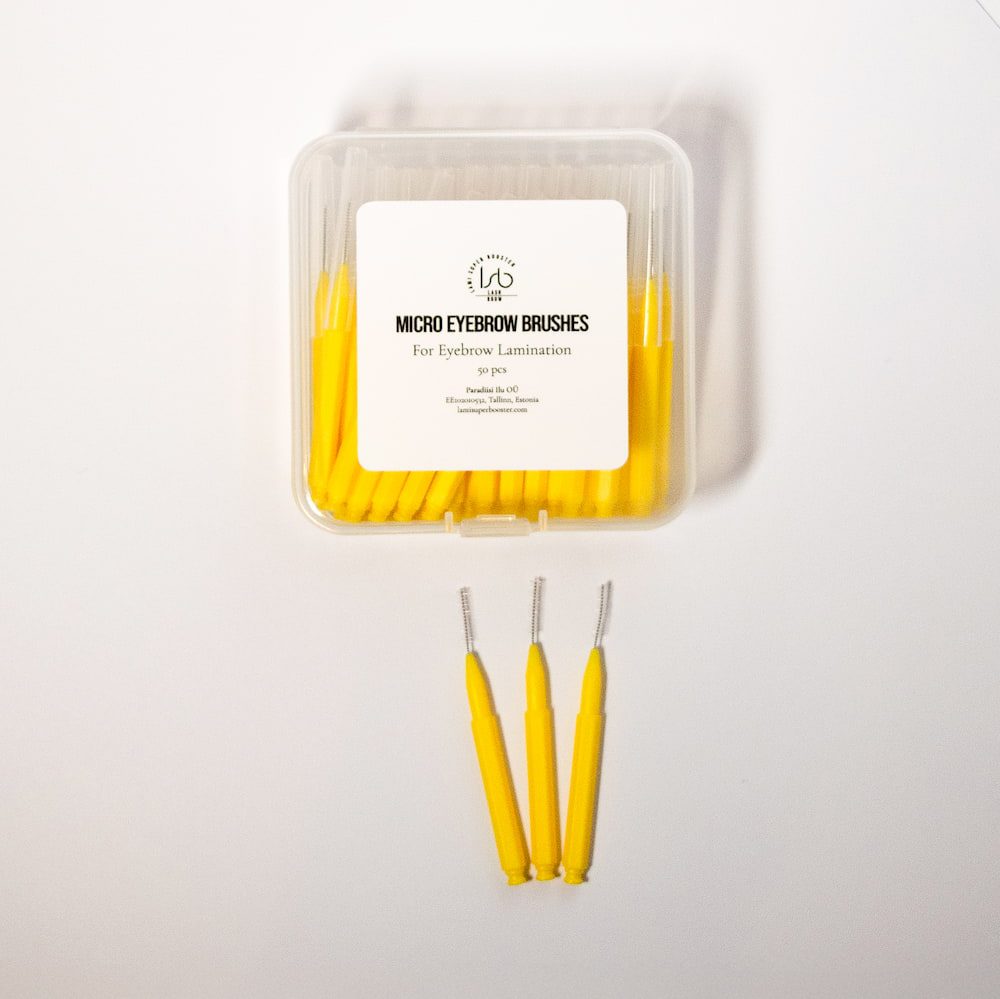
50 Micro Eyebrow Brushes

Managing Clients When Results Fade Early
It is common for clients to request a “refresh” only 3 or 4 weeks after their initial appointment, especially if they have not strictly followed brow lamination aftercare protocols. When a client’s lamination fades early, you should resist the urge to re-laminate. Instead, focus on professional solutions that restore the look without the use of harsh reducers or fixatives.
- A Brow Tint and Shape: Often, what the client perceives as “fading” is simply the tint washing out or new, untinted hairs growing in. A quick eyebrow tint service can revive the definition and depth of the brow without chemical lifting.
- Deep Conditioning Treatments: Apply a 1mm layer of a nourishing lamination cream to the brows during a consultation. This adds weight and shine, smoothing the hair cuticle and making the existing lamination look more polished and intentional.
- Grooming Education: Teach the client how to use professional styling tools to manually set the hairs in place. Demonstrating how to use a clear styling wax ensures they can maintain the shape until their next safe appointment window.
Professional Maintenance Scheduling
To maintain the health of the brow, the treatment should be viewed as a cycle. In between the 6-8 week lamination appointments, a “maintenance” appointment at the 3-4 week mark is ideal. During this session, the technician can perform a tidy-up with tweezers and a fresh tint, ensuring the client stays satisfied while the hair remains healthy. This also allows the professional to monitor the hair’s condition and adjust the timing of the next full lamination if necessary.
Effective client management requires transparency and a commitment to safety. Use a thorough consultation to check for brow lamination contraindications and explain clearly why a wait is necessary for their specific hair type. Prioritizing hair health builds professional trust and ensures your clients never have to deal with the fallout of over-processed brows.
Ensuring your kit is stocked with professional-grade, nourishing formulas is the first step in providing a safe and effective brow lamination service. Browse our full range of brow lamination kits and specialized lotions to find high-performance solutions that prioritize brow health and long-lasting results.
