


In the beauty industry, maintaining flawless hygiene standards is the foundation of a successful salon. When performing a lash lift or eyelash lamination, your silicone shields, rods, and pads come into direct contact with the delicate eye area of your clients. Ensuring these tools are clean and sterile prevents cross-contamination and eye infections while preserving the structural integrity of your high-quality silicone implements. This professional guide outlines the industry-standard procedures for cleaning, sanitizing, and maintaining your lash lift shields between treatments.
The Crucial Distinction: Cleaning vs. Disinfecting
Many beauty professionals make the mistake of assuming that simply spraying a disinfectant onto a dirty tool is sufficient. However, state-level salon infection-control regulations make a strict distinction between cleaning and disinfecting. Reusable tools and implements must always be thoroughly cleaned before they can be disinfected. Cleaning involves removing visible debris and washing the tool with soap and water to clear away physical contaminants. Disinfecting, on the other hand, uses chemical agents to destroy pathogens, but this process is only effective on a pre-cleaned surface.
Skipping the initial wash means that oils, skin cells, and adhesive residues can shield bacteria and viruses from the disinfectant, rendering the sanitization process ineffective. To comply with professional standards and legal regulations, you must perform both steps thoroughly after every client.
Step-by-Step Cleaning and Disinfection Protocol
To maintain the safety of your workspace, follow this strict sanitization protocol immediately after every lash lift treatment:
- Immediate rinsing: Remove the silicone shields from the client and rinse them under warm water to clear away bulk adhesive residue, tint, and lifting lotions.
- Wash thoroughly: Apply a mild antibacterial soap or a gentle foaming cleanser. Using a soft-bristled brush, gently scrub the shields, paying extra attention to the fine ridges or textured surfaces where bacteria and adhesive tend to hide.
- Rinse and dry: Rinse the soap away completely with clean, warm water, and pat the shields dry with a clean, lint-free paper towel.
- Complete submersion: Submerge the pre-cleaned shields fully in a covered container filled with a salon-grade disinfectant. You can use 70% isopropyl alcohol for a 10-minute soak, or an EPA-registered, medical-grade disinfectant mixed according to the manufacturer’s exact dilution ratios.
- Respect the contact time: For any disinfectant to work, the tool must remain fully wet or submerged for the entire manufacturer-specified contact time – typically 10 minutes. If the solution dries or evaporates before this time, it must be reapplied to ensure complete pathogen eradication.
- Final rinse and air-dry: Once the disinfection time is complete, remove the shields with clean tweezers or gloves, rinse them thoroughly with sterile water, and let them air dry completely on a clean, sanitary surface.
Using high-quality silicone lash lift shields that are designed to withstand regular chemical disinfection is vital to running an efficient, safe lash business.

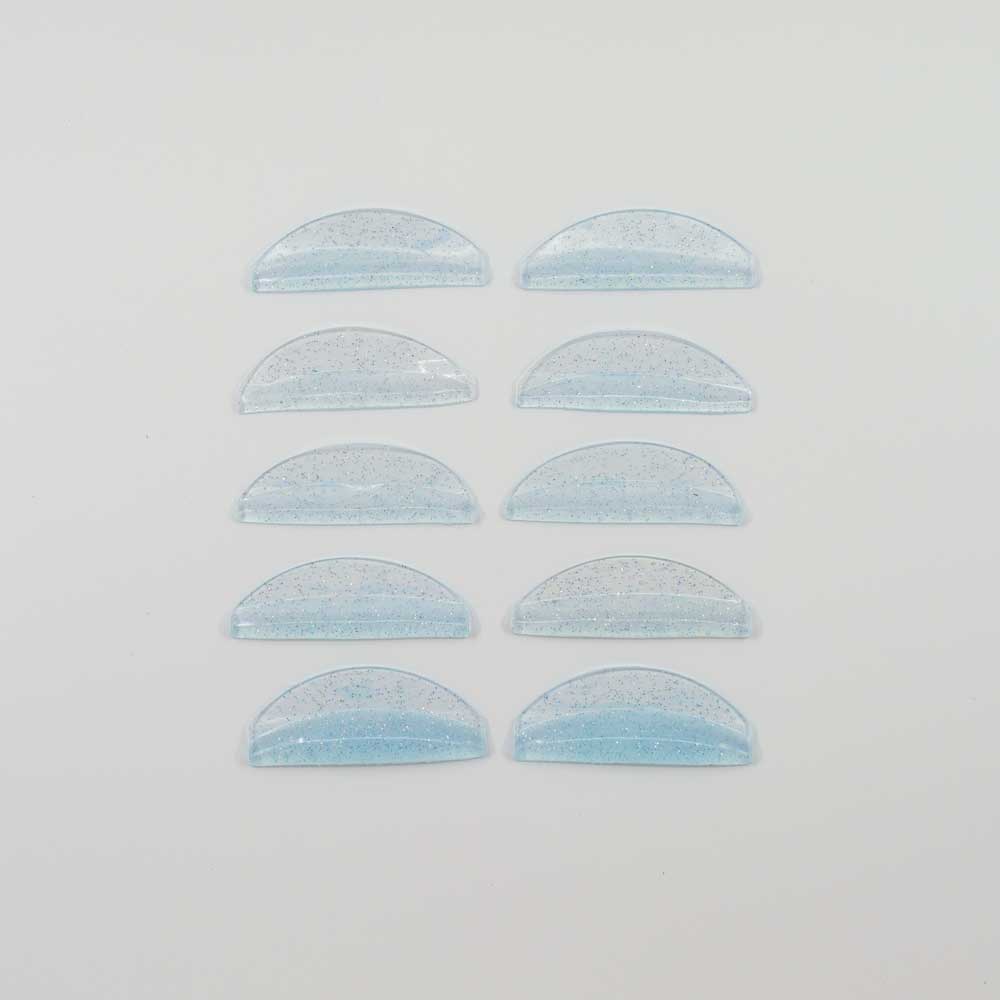
Compensatori per Lash Lift-laminazione ciglia, 3 Paia


Removing Stubborn Adhesive and Tint
Lash lift adhesives, such as a traditional water-soluble glue or a modern, nourishing lash lift balm glue, are formulated to stick firmly during the lifting process. When you apply a thin 1 mm-wide band of glue to secure the shield to the eyelid, the residue can dry into a stubborn layer. This buildup is even more common when utilizing a glue-free lash lift technique that mixes powder directly into the lotion, or when performing a lash lift on short lashes where precise, close-to-root placement is required.
To safely remove stubborn, dried adhesive or lash tint from your silicone shields without tearing the material:
- Pre-soak in oil-free makeup remover: If glue residue is resistant to soap and water, soak the shields in a gentle, oil-free makeup remover before scrubbing. This helps break down the adhesive’s bond.
- Alcohol spot-cleaning: For persistent spots of tint or glue, dip a cotton swab in 70% isopropyl alcohol and gently rub the affected area. Always rinse the alcohol off thoroughly afterward to avoid transferring chemical residue to your next client’s eyes.
- Avoid harsh abrasives: Never use metal tools, sharp tweezers, or abrasive scrubbers to scrape off residue. This can scratch, nick, or deform the silicone, altering how the shield fits the eyelid during future treatments.
For both pre-treatment preparation and post-use cleaning, having professional-grade cleansing and makeup removal products on hand is indispensable for preserving your salon tools.


Choosing and Cleaning Specialized Shields
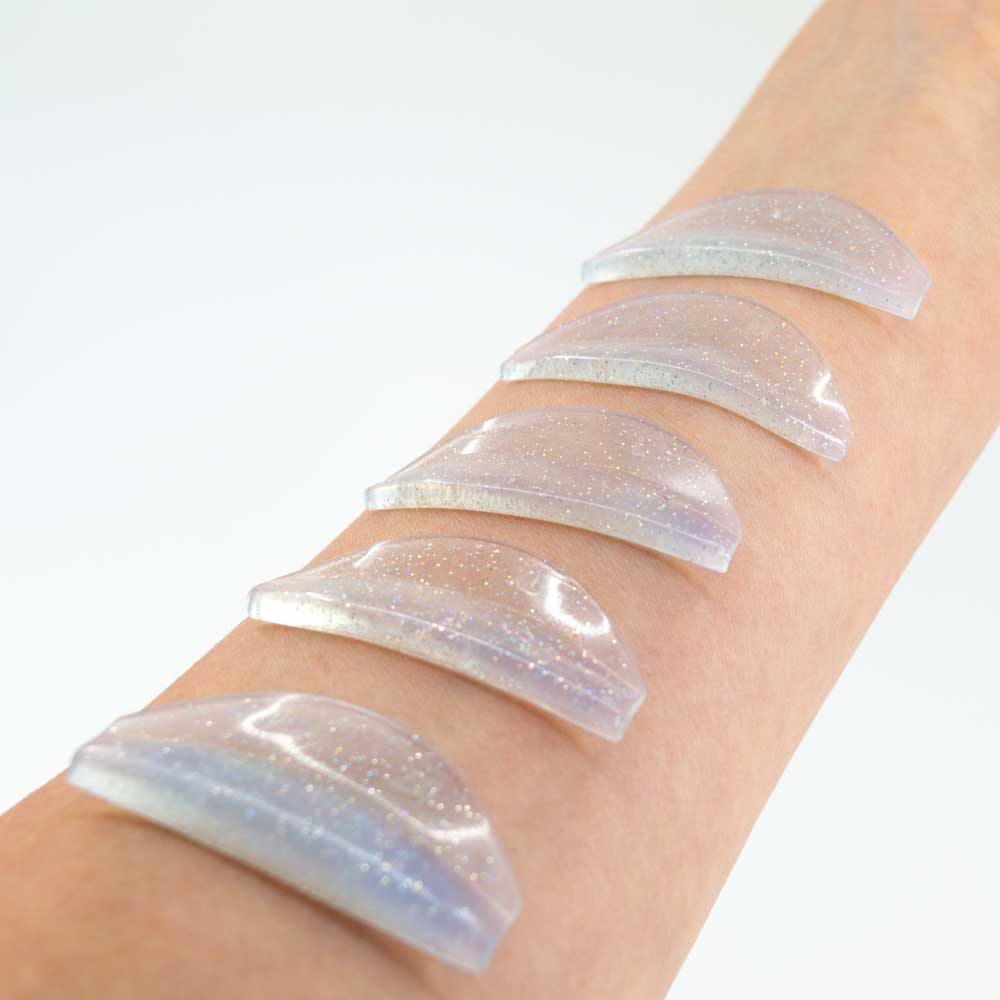
Different treatments and lash lengths require distinct types of shields, as detailed in our comprehensive lash lift silicone types guide. For instance, when utilizing the rod and shield method to achieve a dramatic “L” shaped curl, or when executing specialized flat base lifts popular in Korean lash trends, the physical design of the shield dictates how you clean it.
Flat, ultra-thin, and glueless silicone shields require exceptionally gentle care. Because these shields are designed to adhere to the skin naturally without heavy glue during the initial lifting phase, preserving their soft, flexible surface is critical. Heavy scrubbing can ruin their self-adhering properties, so always prioritize soaking and using a very soft brush.
When selecting your tools, refer to a professional lash lift shield size guide to ensure you have a full range of sizes, from small to extra-large, to fit every eye shape safely and achieve optimal results.


Proper Storage and Maintenance
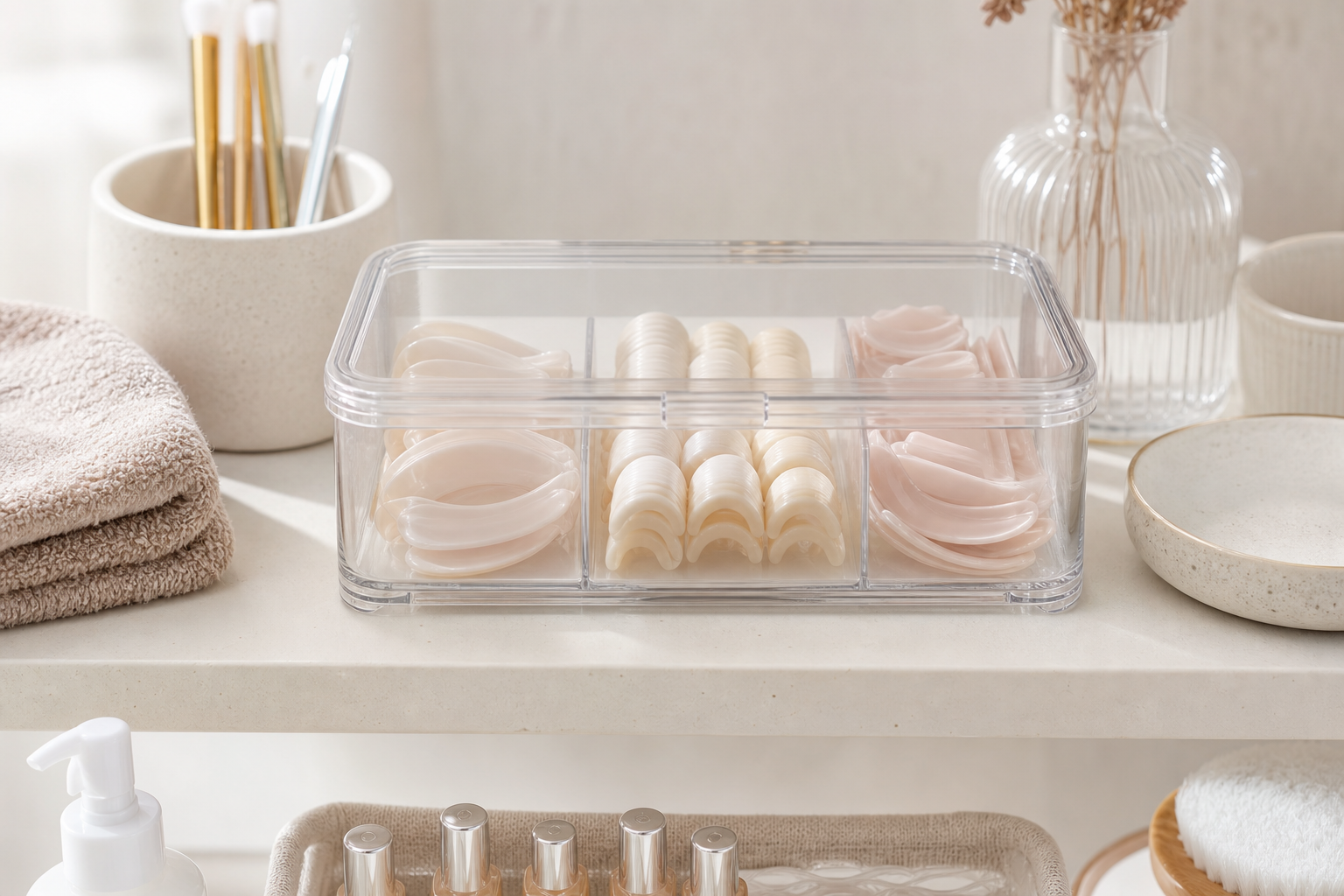
Once your shields, rods, and compensators are clean, disinfected, and dry, proper storage prevents airborne contamination before their next use:
- Store clean, bone-dry silicone tools in a sealed, covered container to protect them from dust, moisture, and salon vapors.
- Keep the storage container in a cool, dry place away from direct sunlight and heat sources, which can degrade the silicone over time.
- Regularly inspect your shields for signs of wear, permanent discoloration, warping, or a sticky texture that does not wash away.
- Discard and replace any tools that show cracks, tears, or structural degradation immediately, as damaged silicone can compromise shield placement and lead to uneven lifts.
Elevating Your Salon Standards
Prioritizing a meticulous cleaning and disinfection routine protects your clients, maintains your professional reputation, and ensures you get the maximum possible lifespan out of your professional lash lift tools. It is always wise to review lash lift contraindications with your clients before beginning any service, reinforcing that their safety and eye health are your highest priorities.
Ready to upgrade your salon’s lash lift setup? Explore our full collection of premium, professional-grade lash lift products to find the perfect silicone shields, soothing aftercare solutions, and high-performance tools designed for modern lash artists.
