


The evolution of professional eyelash services has shifted focus from old-school perm rollers to highly customized silicone shaping tools. Today, performing a flawless lash lift or eyelash lamination requires a precise understanding of how different tools manipulate the natural lash line.
The rod and shield method stands at the center of this modern movement. While both tools are engineered to lift, curl, and define natural lashes without extensions, they produce distinct technical curl profiles and are suited to different eye shapes and lash lengths.
Rods vs. Shields: Key Technical Differences
To consistently deliver beautiful, symmetrical results, a technician must recognize how the physical shape of a silicone tool dictates the final curl.
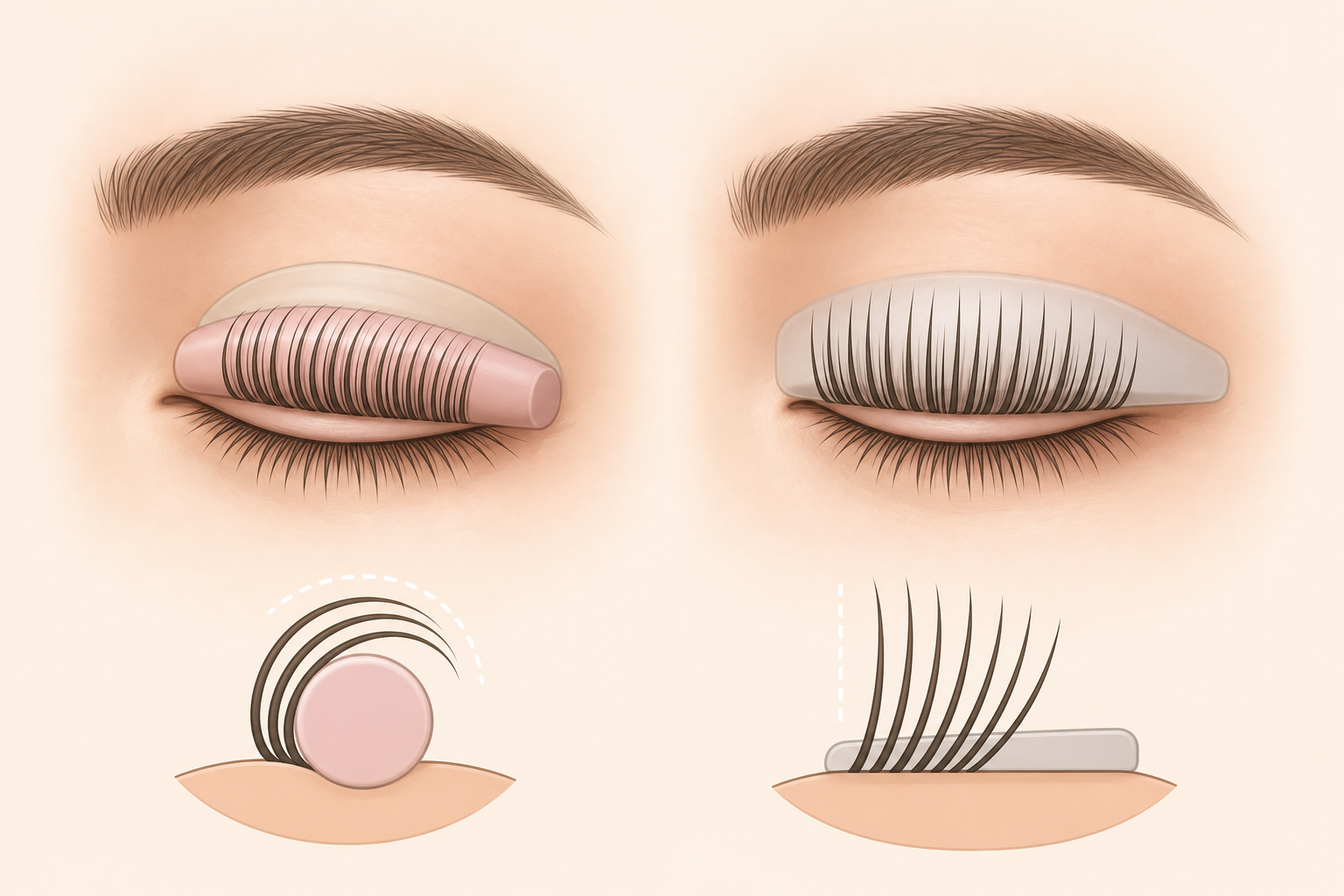
- Lash Lift Rods: These are cylindrical, rounded silicone tools. When lashes are wrapped over their rounded contours, they form a softer, more gradual “C” or “D” curve. Rods excel at providing strong curl correction, making them highly effective for redirecting downward-growing lashes or introducing a gentle sweep to clients who prefer a soft, natural look over intense vertical lift.
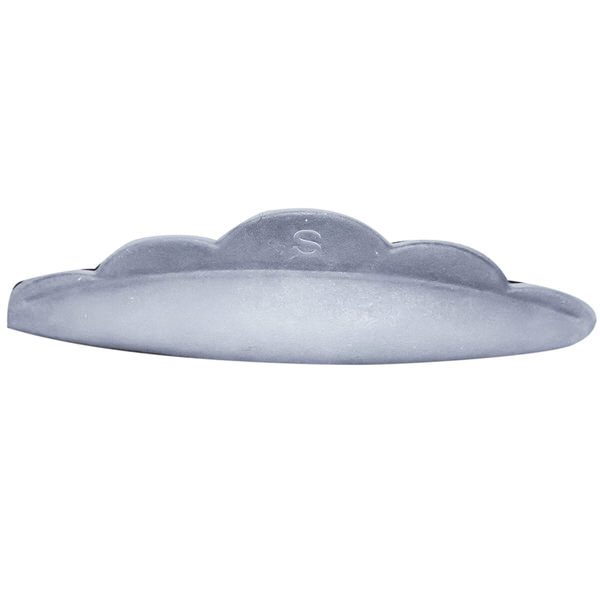
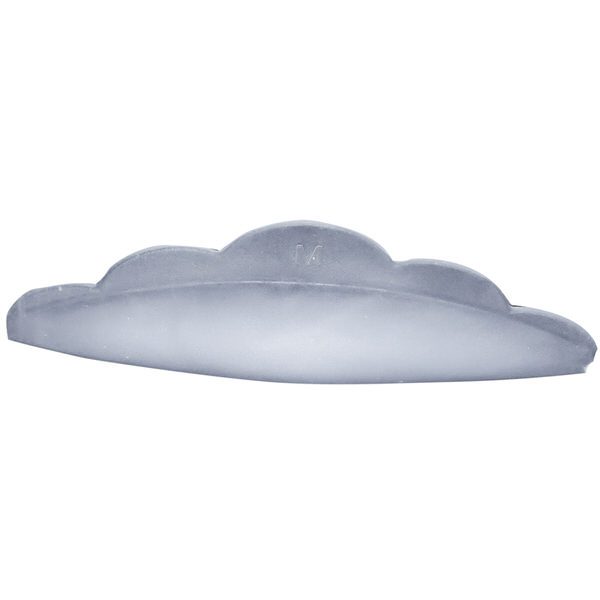
- Lash Lift Shields: These are flatter silicone pads designed to contour closely to the eyelid. Rather than wrapping the lash around a fully rounded barrel, shields hold the lashes flatter, lifting them sharply from the root to create a dramatic, vertical “L” shaped curl. This root lift maximizes visible length, making the eye appear significantly more open and alert.
When to Choose Lash Lift Shields
Selecting a shield over a rod depends heavily on the client’s facial anatomy, natural growth pattern, and personal aesthetic goals.
- Hooded or Deep-Set Eyes: Shields are ideal for clients with hooded eyelids or deep-set eyes because they elevate the lashes vertically outward and upward, preventing the tips from curling back into the eyelid fold or hitting the brow bone.
- Maximum Length Visuals: For clients seeking a dramatic “open-eye” effect, shields create a bold lift from the very base.
- Growth Direction Correction: When lifting downward pointing lashes, shields provide the root leverage needed to counteract downward follicle angles.
- Shield Shape Variations: Beyond standard designs, the beauty industry utilizes various lash lift silicone types such as teardrop, flat, and round shields. For instance, flat shields are designed specifically for the first step of a korean lash lift, allowing maximum lotion contact at the base to soften stubborn lashes before they are reshaped.


When to Opt for Lash Rods
While shields offer dramatic lift, rods remain highly versatile and essential for specific client profiles:
- Shorter Eyelashes: Rods provide a reliable, gentle sweep for shorter hairs that might otherwise struggle to wrap over the base angle of a shield.
- Soft, Natural Enhancements: Rods are the go-to tool for clients seeking subtle definition rather than a dramatic vertical change.
- Fragile or Weakened Lashes: Thinner or fragile lashes are less stressed by a wider, rounded curve. Applying a larger rod helps avoid harsh bending at the root, protecting compromised hair fibers.
- Downward-Growing Redirection: Rods offer excellent curl correction for lashes that point downward but require a soft, rounded redirection rather than a sharp vertical lift.
Determining the Correct Size (S, M, L, XL)
Selecting the correct tool size is just as critical as choosing between a rod and a shield. For detailed reference guidelines, consult our comprehensive lash lift shield size guide. To determine the ideal fit, keep the “two-thirds” coverage rule in mind:
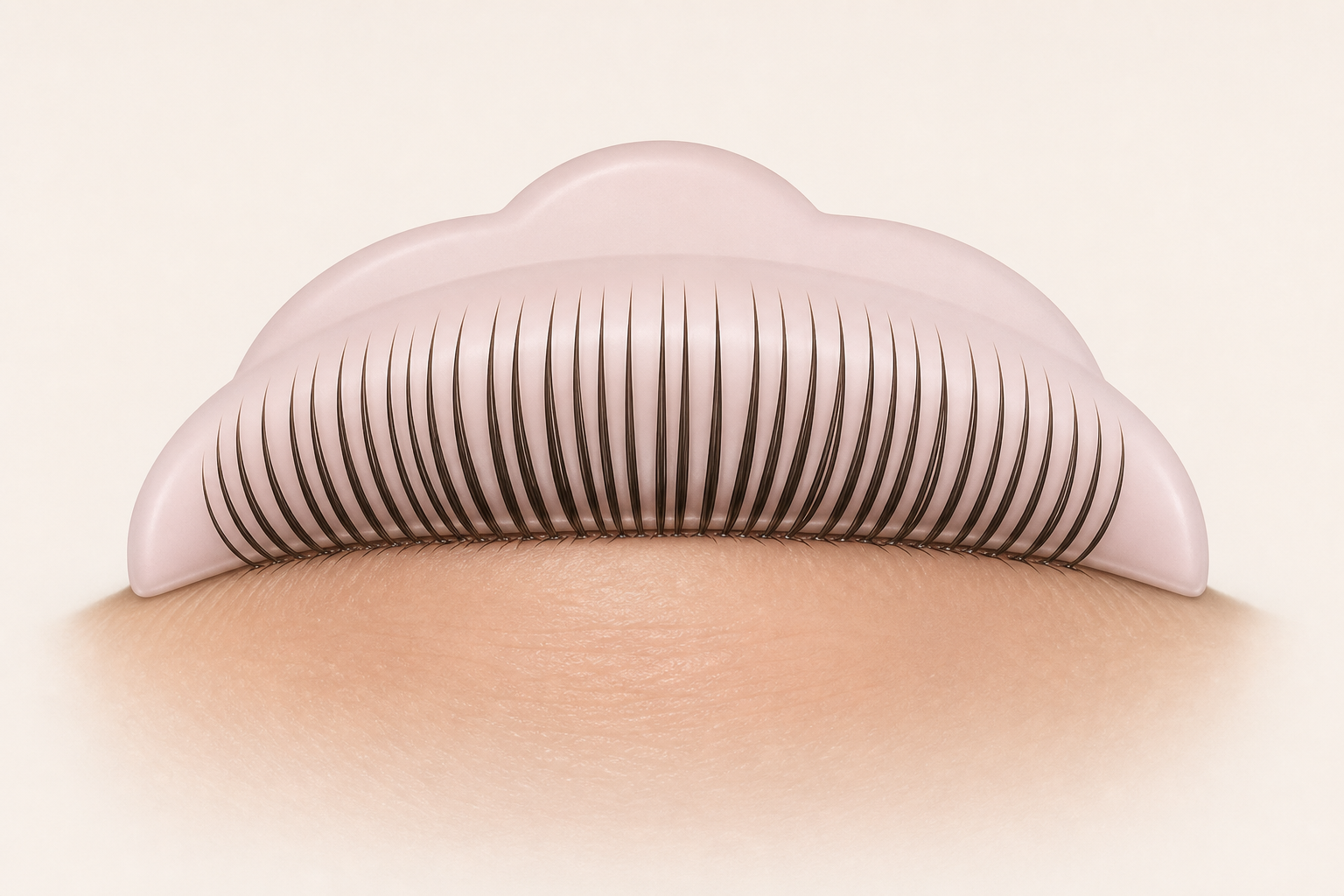
- The Two-Thirds Rule: Natural lashes should cover approximately 70% to 80% (about two-thirds) of the shield’s or rod’s curved surface.
- Too Small: If the lashes reach the very top of the tool or wrap over the back edge, the tool is too small. This risks over-curling the lashes or bending the tips into the eyelid.
- Too Large: If the lashes only cover half of the curve or less, the tool is too large, resulting in an under-lifted or nearly invisible lift.
- Small (S): The industry standard for lashes shorter than 7 mm. Small sizes provide a tight curl and intense base lift. This makes them highly effective for a lash lift on short lashes or for creating a maximum open-eye effect on medium lashes.
- Medium (M): Best suited for average lash lengths between 8 mm and 12 mm, providing a balanced, standard lift.
- Large (L) and Extra Large (LL/XL): Recommended for long lashes exceeding 12 mm. These sizes create a soft, natural sweep, preventing long lash tips from hitting the brow bone or eyelid.
- Pro Tip (Dry Fitting): Before committing to an adhesive application, dry-fit two to three different sizes on the client’s eyelid. Use a dry tool to sweep the lashes up, observing exactly how they align with the curve.

Step-by-Step Application Techniques for Professionals
Achieving uniform lift and long-lasting retention relies on precise placement and clean execution.
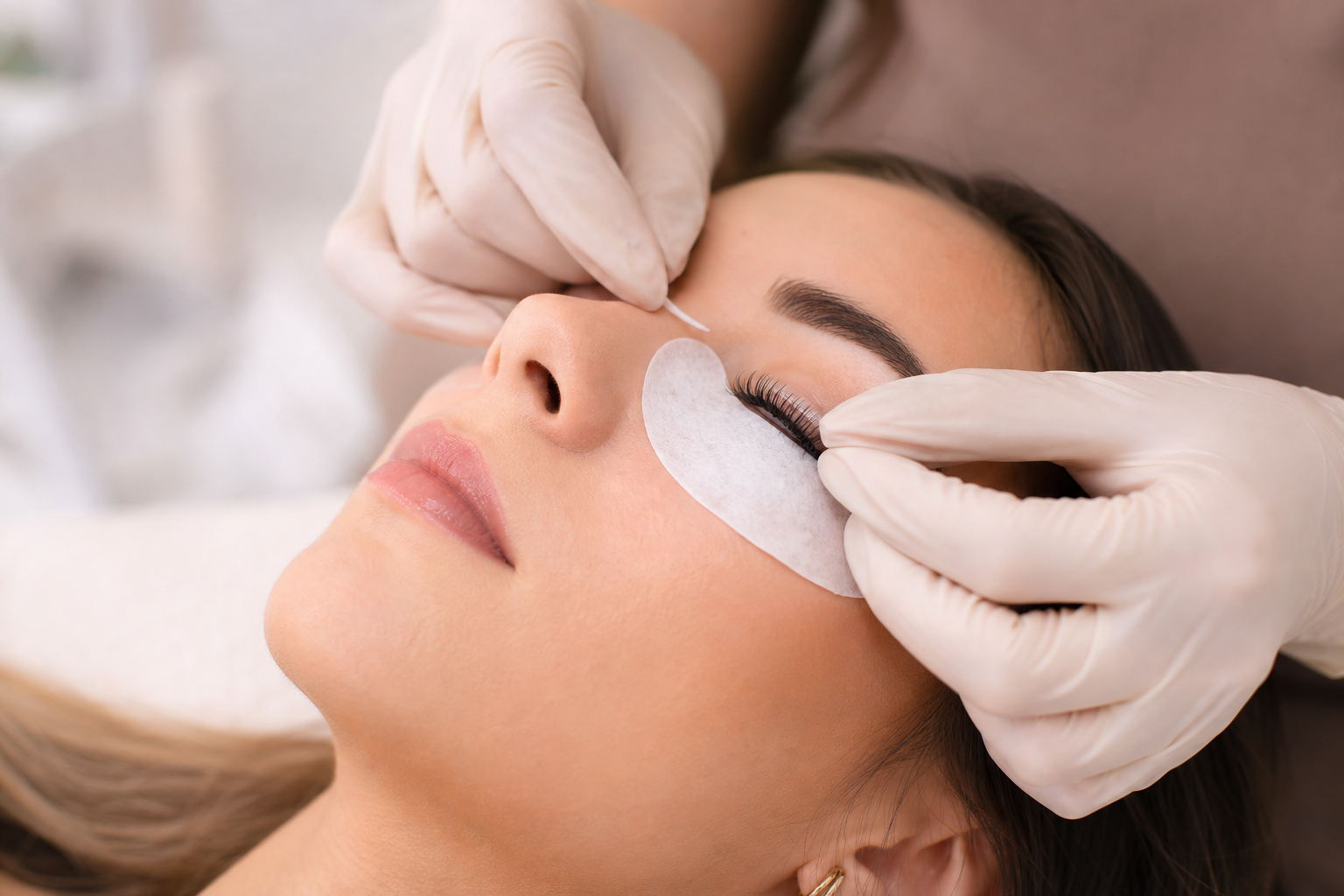
- Eyelid Preparation: Cleanse the eye area thoroughly with an oil-free cleanser to remove sebum and cosmetic residue.
- Shield/Rod Positioning: Position the shield dry first, then apply a thin 1 mm layer of adhesive to the back. Place it 0.5 mm to 1 mm from the waterline. A gap wider than 1 mm will dramatically reduce the visible lift at the root, while placing it directly on the waterline causes discomfort.
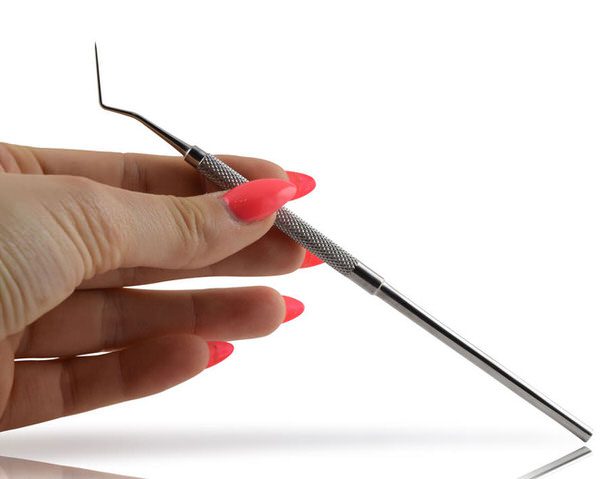
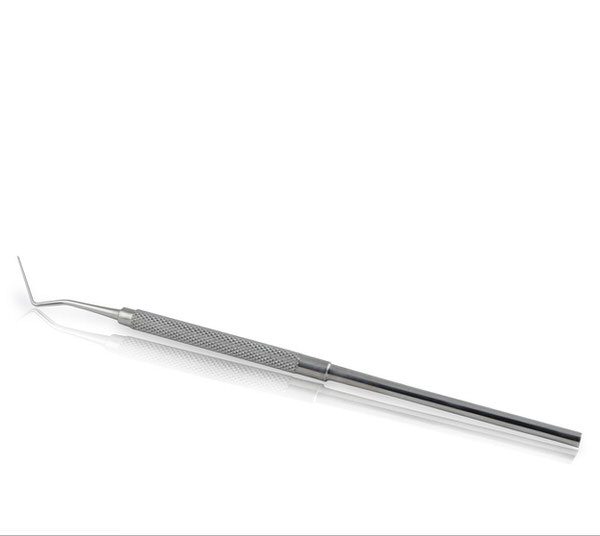
- Lash Alignment: Apply a thin, even layer of adhesive on the front of the tool. Working in small sections, lift the lashes vertically up. Ensure they are distributed evenly, completely parallel, and free of crisscrossing or clumping. For detailed instructions on executing this step flawlessly, read our professional guide on how to apply lash lift shields.
- Securing Stubborn Lashes: For short, coarse, or downward-pointing lashes that tend to pop off the silicone, apply reusable silicone compensators over the lashes during the chemical processing steps to lock them in place.
- Lotion Control: Apply your lifting solution precisely, ensuring complete coverage from base to tip while keeping it 1 mm to 2 mm away from the lash roots to preserve hair health. For stubborn, coarse lashes, thioglycolate-based formulas in a professional lash lift kit provide robust lifting power, whereas cysteamine HCL options offer a gentler alternative for sensitive eyes.

Lash lifti kompensaatorid, 3 paari

Lash Lift Glue Powder

Managing Technical Challenges and Asymmetry
No two eyes are identical. Technicians often encounter variations in natural lash growth direction, eyelid tension, or lid shape between a client’s left and right eyes.
- Customizing Left and Right Tools: Do not feel restricted to using the exact same shield size or shape on both eyes. If a client exhibits uneven growth patterns, select different sizes to achieve symmetrical results. Read more about identifying and resolving these imbalances in our guide to lash lift asymmetry solutions.
- Handling Downward-Growing Corners: For clients whose outer corner lashes grow severely downward, try the reverse shield method. Angling or reversing the placement on the outer third of the lash line helps lift and flare the outer corners evenly.
- Preventing Underprocessing: Inadequate adhesive removal, uneven lotion application, or failing to monitor processing times strictly can result in poor retention. For troubleshooting tips, review our guide on what to do when a lash lift underprocessing issue occurs. Always consult the chemical profiles and safe processing parameters outlined in our guide to lash chemicals to protect hair integrity.
Refining Your Lash Services
Mastering both rods and shields allows beauty professionals to transition from a one-size-fits-all service to highly customized lash treatments. Evaluating your client’s natural lash length, eye shape, and curl preference during the consultation ensures you consistently choose the perfect tool for the job.
To elevate your treatment standards, ensure your workspace is stocked with a diverse range of professional silicone tools. Explore our high-performance selections of lash lift shields and advanced lash lift tools to deliver flawless, tailored results for every client who walks through your door.
