


In the professional world of lash and brow styling, the chemical composition of your lifting solutions determines everything from the health of the client’s lashes and brows to the longevity of the results. As a technician, you likely work with two primary active ingredients: Thioglycolic Acid (TGA) and Cysteamine HCL. Understanding the nuances between these two reducing agents is the difference between a flawless lift and a case of over-processing or chemical damage.
Both chemicals serve the same purpose: they break the essential disulfide bonds within the hair’s keratin structure, allowing us to reshape the lashes or brows into a new, lifted position. However, how they achieve this – and how they affect the hair during the process – varies significantly based on their molecular size and pH requirements.
Thioglycolic Acid (TGA): The Powerhouse
Thioglycolic Acid, often found in its salt form as ammonium thioglycolate, has been the industry standard for decades. It is a highly effective reducing agent that works best in an alkaline environment, typically with a pH between 8.5 and 9.5. This alkalinity causes the hair shaft to swell and the cuticle to open, allowing the solution to penetrate the cortex quickly and break bonds aggressively.
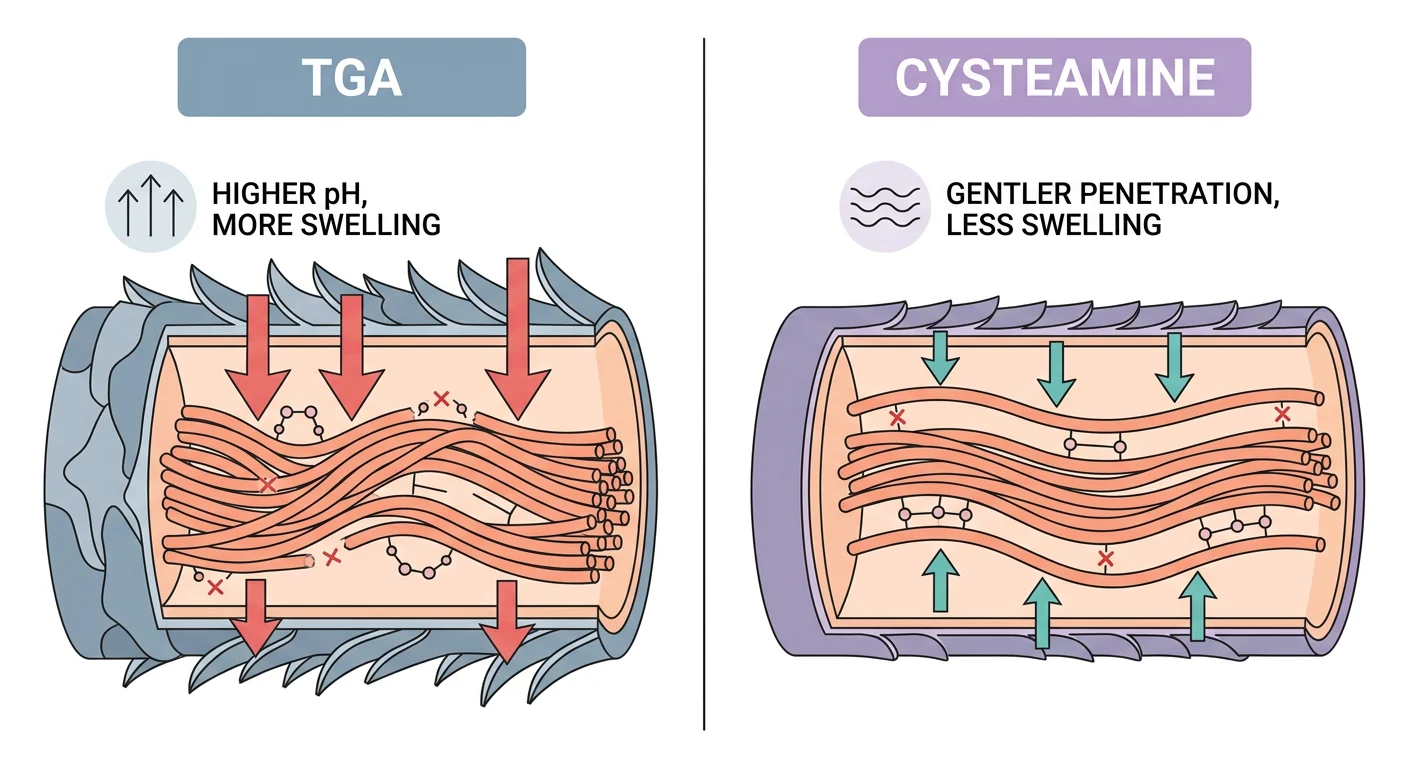
TGA is particularly beneficial for clients with coarse, stubborn, or highly resistant lashes and brows. Because it acts decisively, it provides a very strong, defined curl that can last six to eight weeks. However, this power comes with a responsibility for precision. Because TGA swells the hair so significantly, the window between a perfect lift and under-processing or over-processing can be narrow. Technicians must monitor the lash and brow hair closely, as even a one-minute deviation can lead to brittleness.
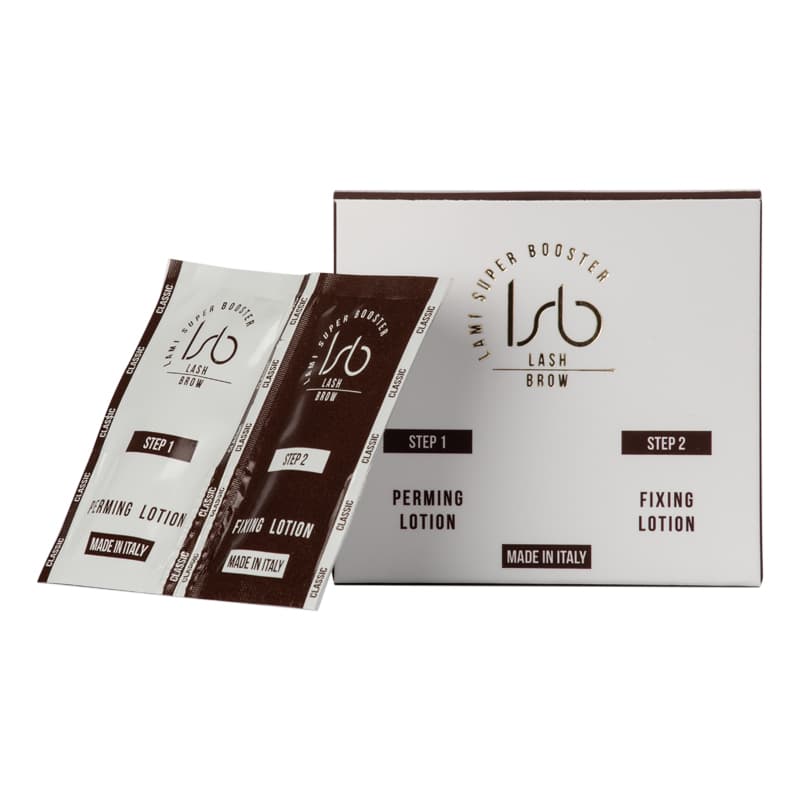
Cysteamine: The Gentle Alternative
Cysteamine-based solutions are often referred to as “next-generation” lifting products. Unlike TGA, cysteamine is a smaller molecule that can penetrate the hair more easily without requiring extreme alkalinity or aggressive cuticle swelling. It typically operates at a slightly lower or more controlled pH, making it a milder option that preserves more of the hair’s natural hydration and elasticity.
Technicians often prefer cysteamine for brow lamination or for clients with fine, fragile, or previously treated lashes. It works via a nucleophilic attack on the bonds, which is less disruptive to the hair’s internal structure than the alkaline hydrolysis associated with TGA. The result is a softer, more natural-looking set with a lower risk of frizz or breakage, making it an excellent choice for maintaining long-term lash and brow health.
Processing Times and Hair Suitability
One of the most critical aspects of perming lotion application is timing. Because TGA and cysteamine interact with keratin differently, their processing windows vary. But the processing time can also vary depending on the concentration of the active ingredient in the lotion.
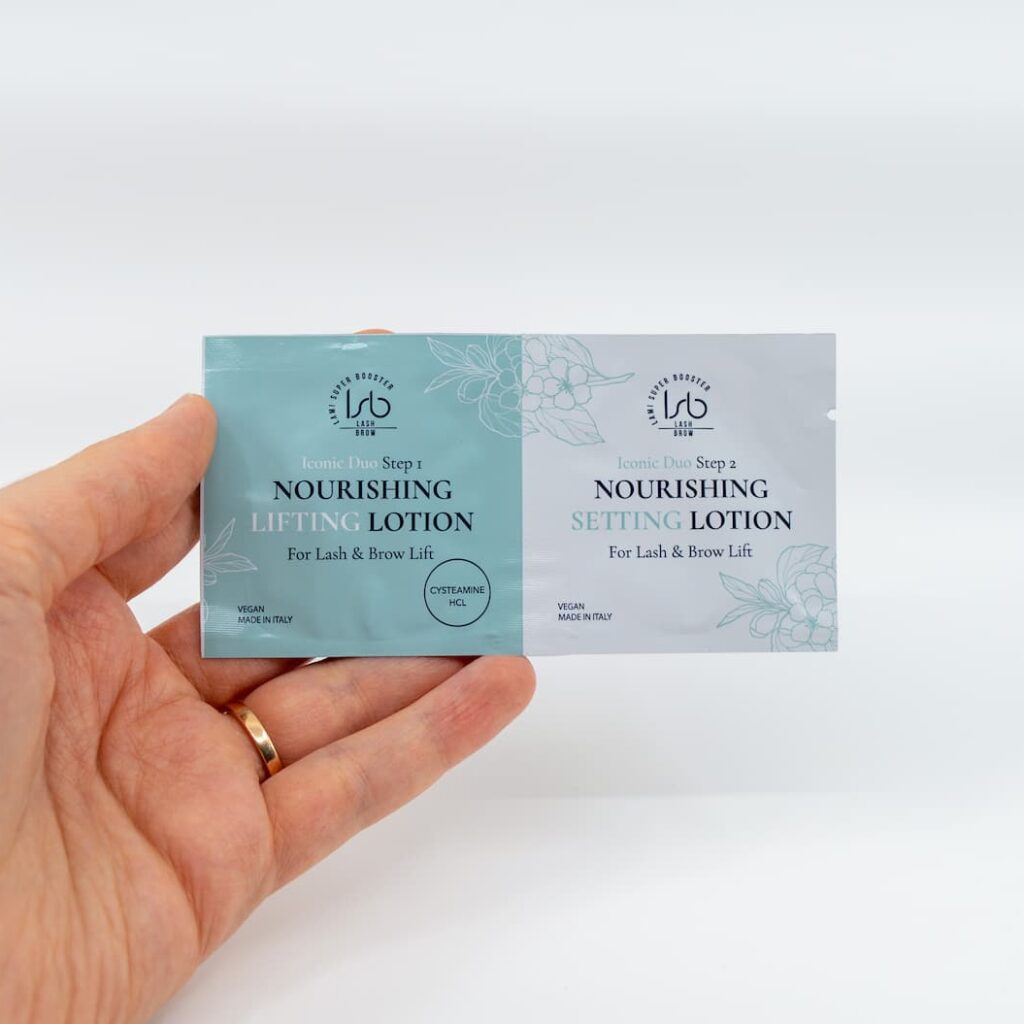
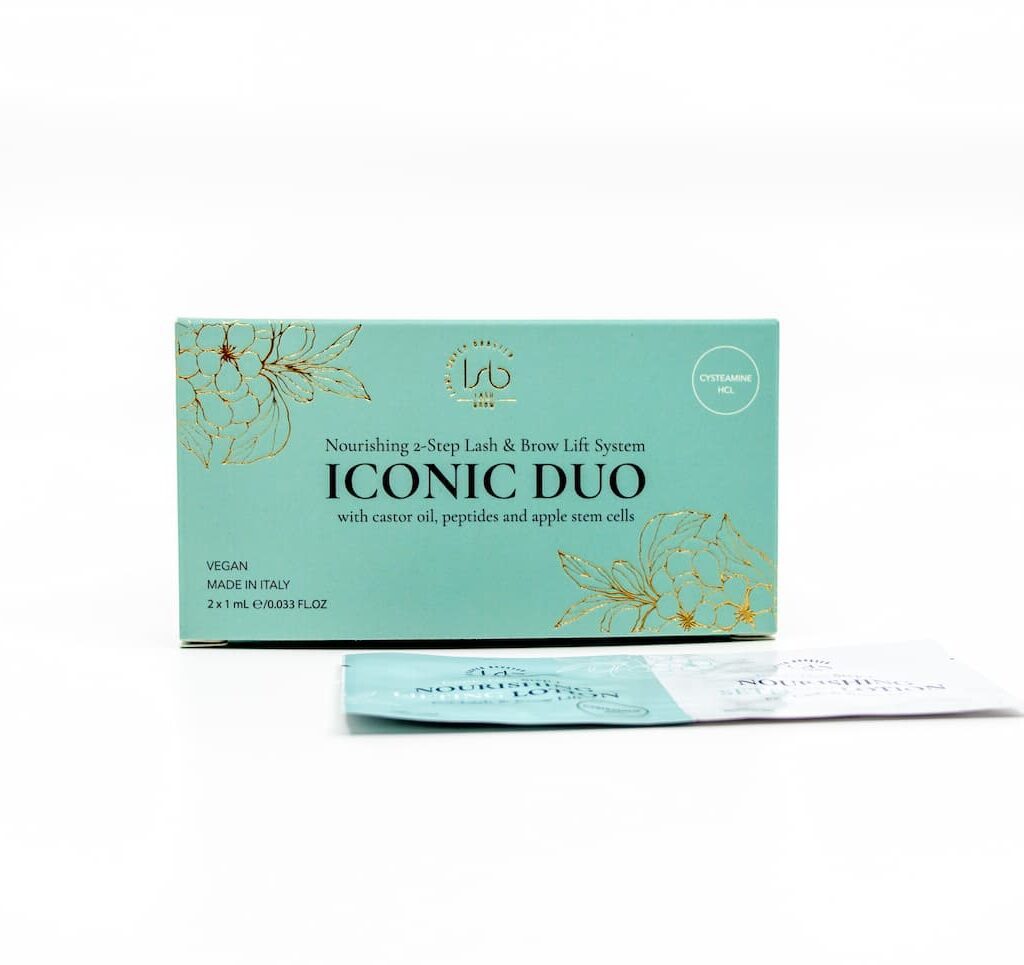
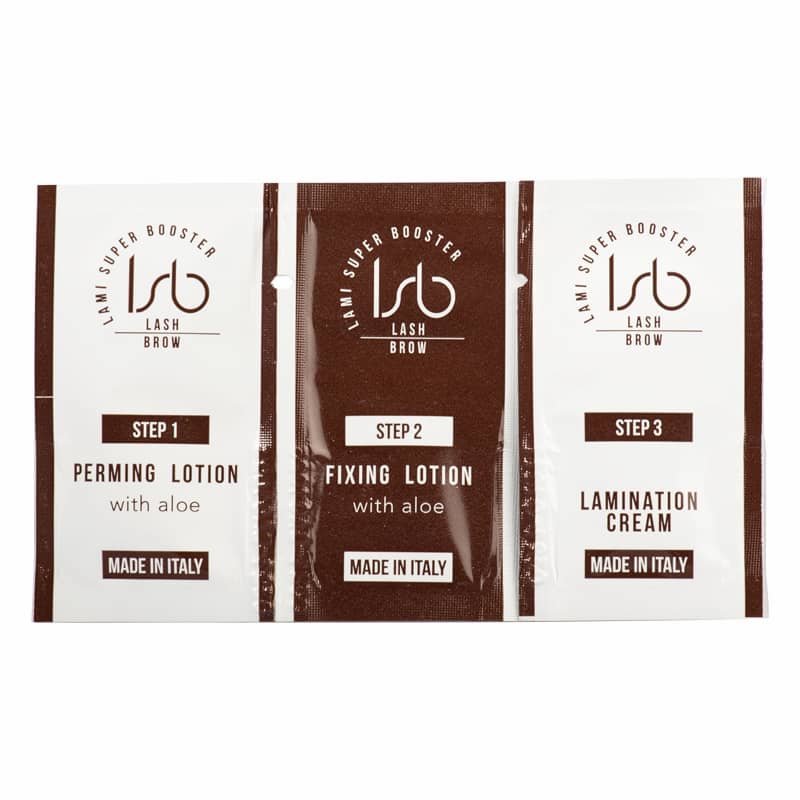
It is a common misconception that gentle formulas always mean slower results. While traditional cysteamine formulas used to take up to 20 minutes, modern professional systems have optimized the chemistry to be both fast and nourishing. For example, Iconic Duo cysteamine lifting lotions can process thin or damaged hair in just 4 minutes, medium hair in 6–7 minutes, and strong or coarse hair in 8–10 minutes. Regardless of the solution used, you must always follow the lift with a professional fixing lotion to reform the broken bonds and lock in the new shape.
Lash Lift Glue Powder
Safety and Skin Considerations
Chemical safety is paramount, especially during brow lamination where the solution comes into direct contact with the skin. Cysteamine actually has a higher potential for skin sensitization, but any lotion can cause chemical burns if left on too long or applied to compromised skin.
Both chemicals require a mandatory 24–48 hour patch test to screen for allergies before any service is performed.
Choosing the Right Solution for Your Client
A professional technician should ideally have access to both TGA and cysteamine-based lash lift lotions to cater to a diverse clientele. Selecting the right product depends entirely on the lash and brow hair’s condition and the desired aesthetic.
- Choose TGA for clients with very thick, downward-pointing, or “glassy” lashes that resist traditional perming. It remains the best choice for those seeking a dramatic, high-impact curl that lasts the full growth cycle.
- Choose Cysteamine for clients with delicate, light-colored, or fine lashes. It is also often the preferred choice for brow lamination lotions.
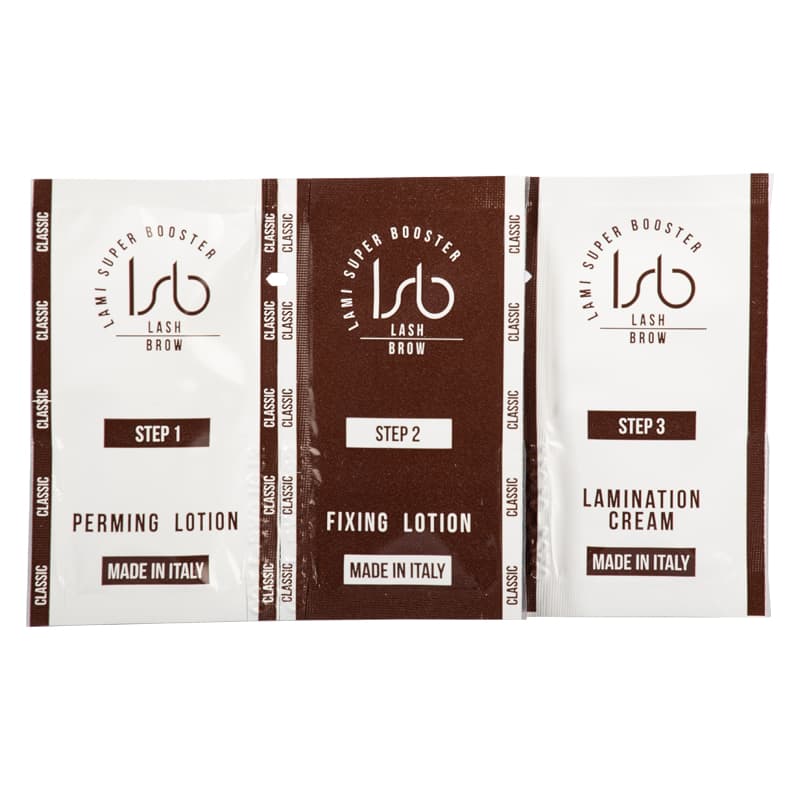
Finishing with a high-quality lamination cream is essential, if the perming and fixing lotions are not already infused with nourishing ingredients. This step closes the cuticle, seals in moisture, and infuses the lashes and brows with keratin and oils to maintain their health post-treatment. Choosing between TGA and cysteamine isn’t about finding the “better” chemical; it is about matching the right chemistry to the client’s hair health and aesthetic goals. By mastering both, you can ensure consistent, beautiful results while prioritizing the long-term integrity of your clients’ lashes and brows.
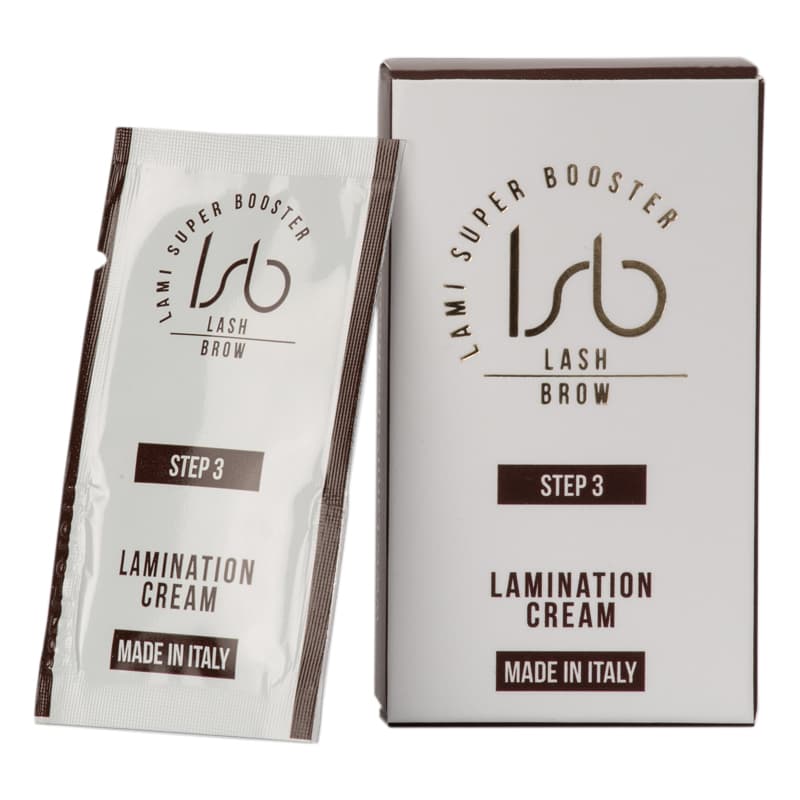
Explore our full range of professional lash lift kits to find the perfect system for your salon today.