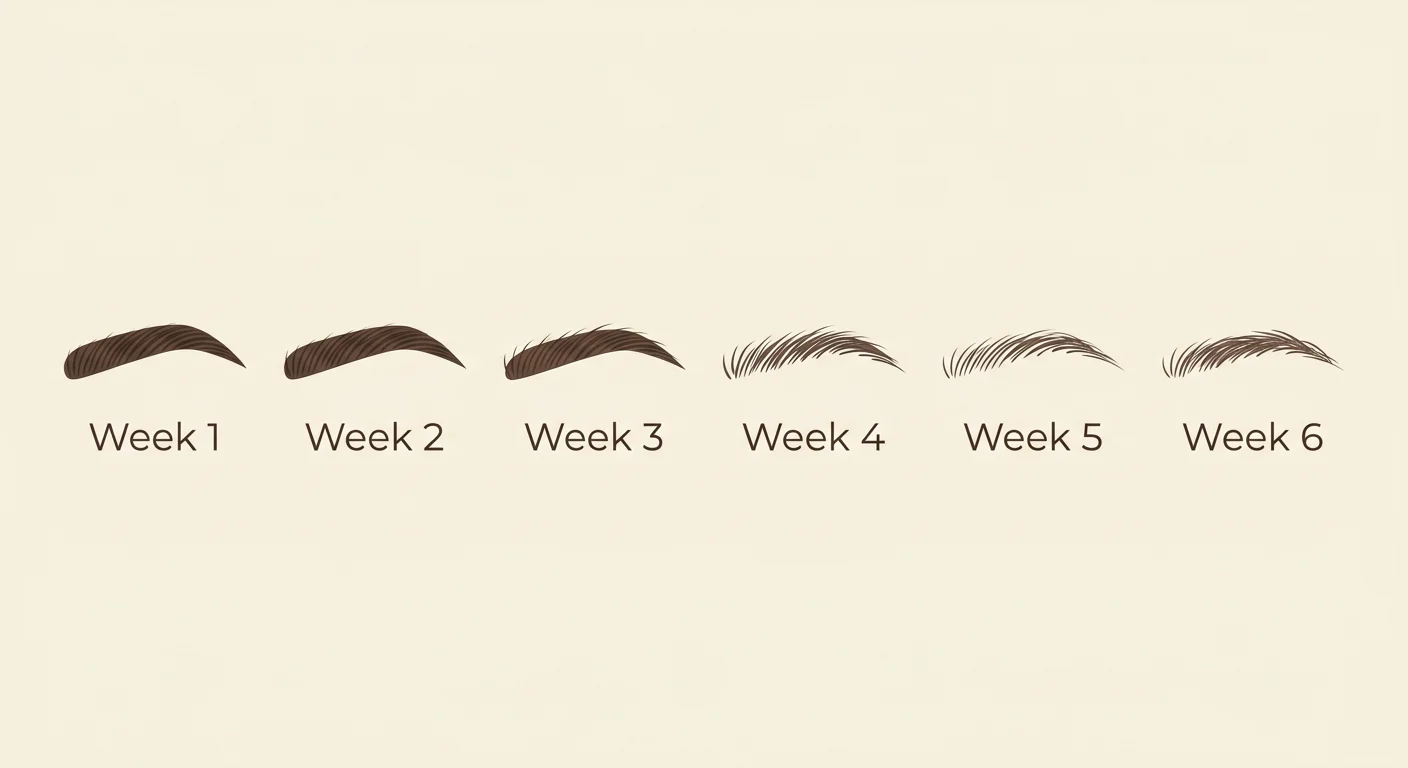
Understanding the progression of a brow lamination service is essential for managing professional expectations and maintaining the structural integrity of the hair. While most clients enjoy results that last between four and six weeks, the transition from the initial uplifted look to the natural state is a gradual biological process. As the treated hairs reach the end of their growth cycle and shed, they are replaced by new, untreated growth. For beauty technicians, the priority is balancing the aesthetic desire for longevity with the technical necessity of preventing cumulative chemical damage through over-processing.
The Progression of Results Over Time
The lifecycle of a brow lamination is dictated by the natural hair shedding cycle. Because the chemical restructuring only affects existing hairs, the longevity of the service is inherently limited by how quickly a client’s brows naturally renew. Technicians should guide clients through the distinct phases of the lamination’s wear to ensure they remain satisfied as the look matures.
Peak Alignment and Bond Stabilization
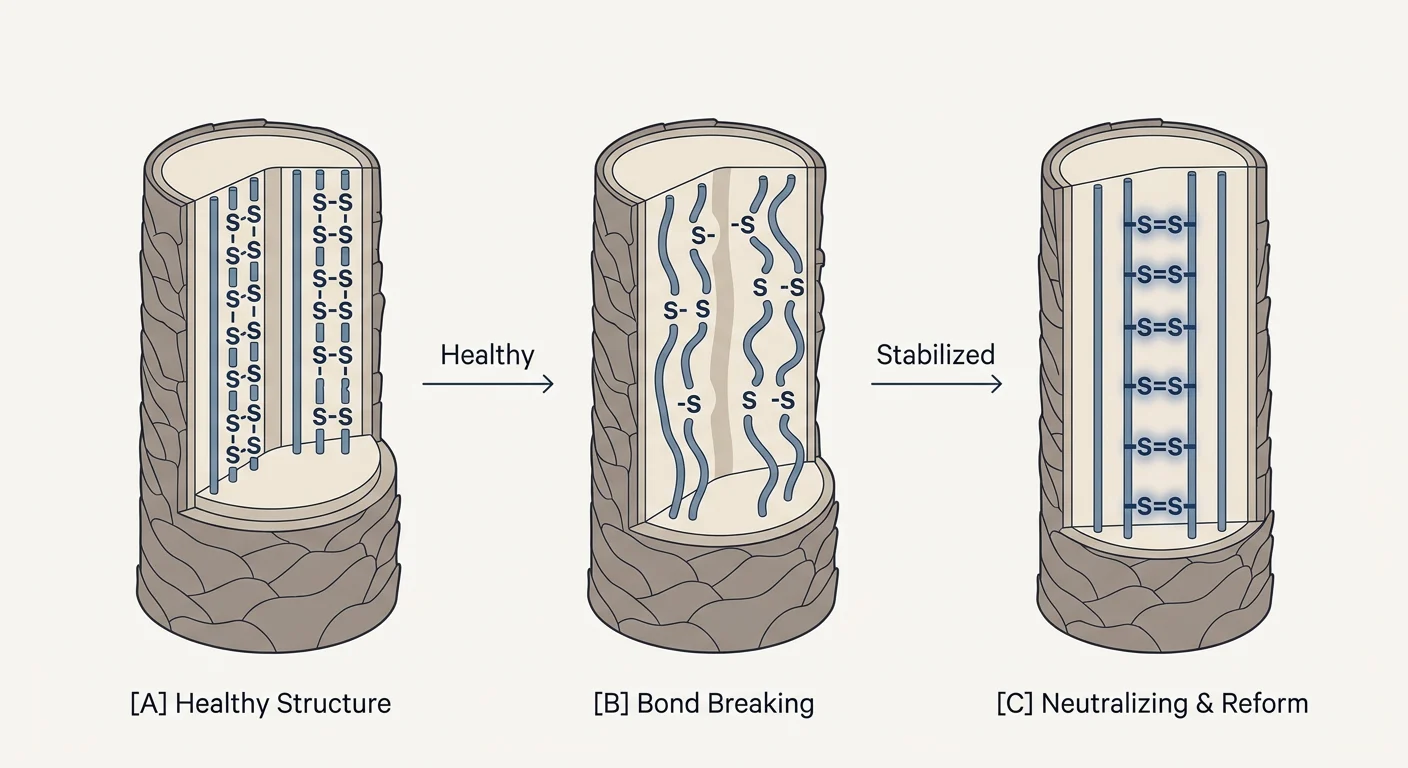
During the first week, the brow hairs are at their most pliable, glossy, and precisely aligned. The treatment is at its peak intensity, and the shape is firmly set into the desired vertical or fluffy position. This is the most critical window for maintaining the results. Technicians must emphasize comprehensive brow lamination aftercare to ensure the newly formed disulfide bonds stabilize correctly. Exposure to direct water, steam, or heavy makeup within the first 24 to 48 hours can prematurely relax the shape and lead to a dropped appearance.
The Stable Maintenance Phase
By the second and third weeks, the brows typically settle into a stable state. The initial “flat” or high-shine appearance often softens into a more natural, airy texture that remains easy to groom. While the brows will stay in place throughout the day, clients should transition into a light maintenance routine. A quick daily brush with professional tools helps redistribute the hairs and maintain the uniform lift that characterizes the treatment.
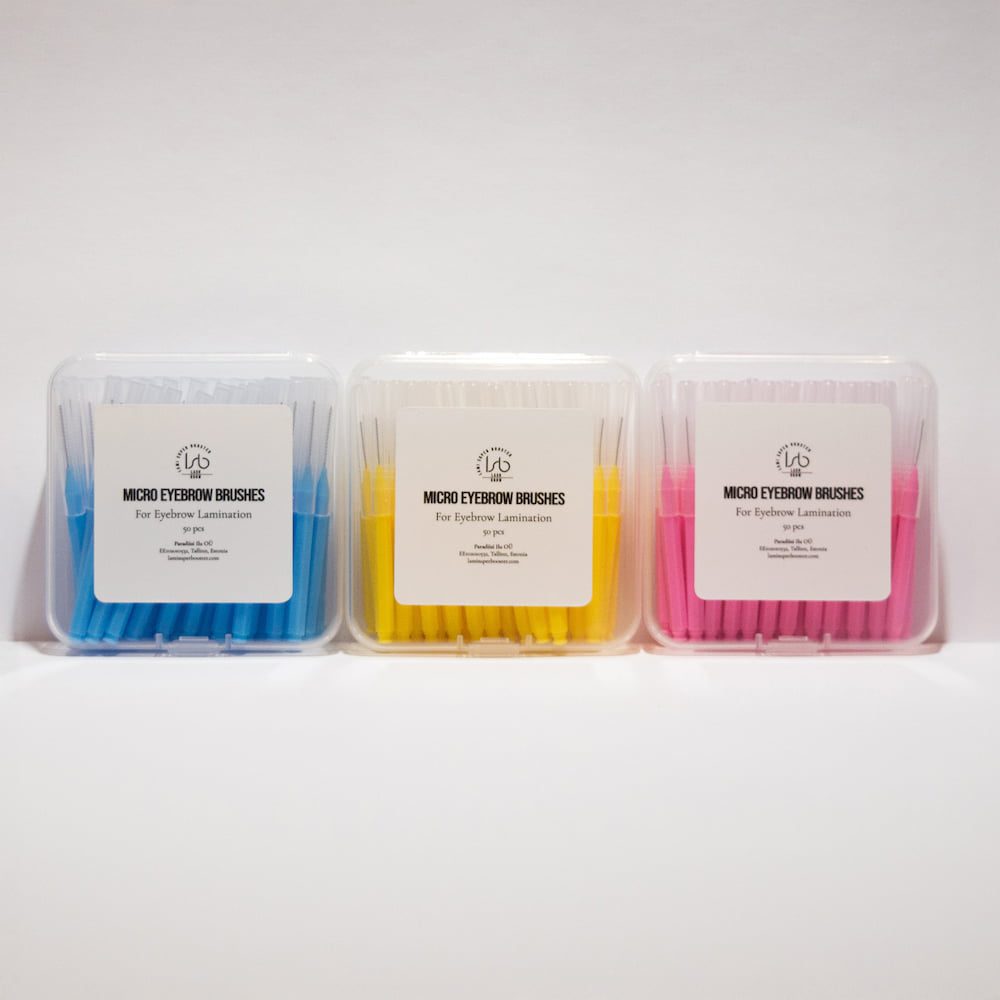
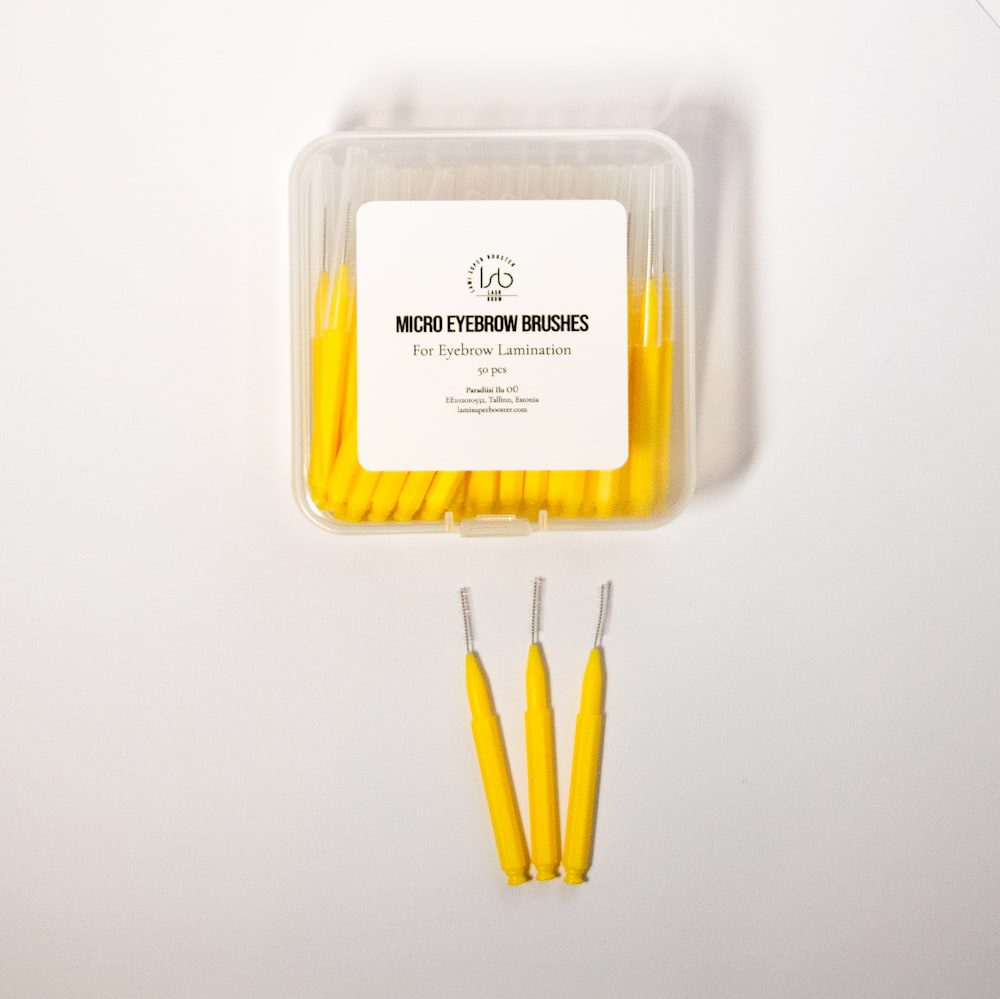
50 Micro Eyebrow Brushes
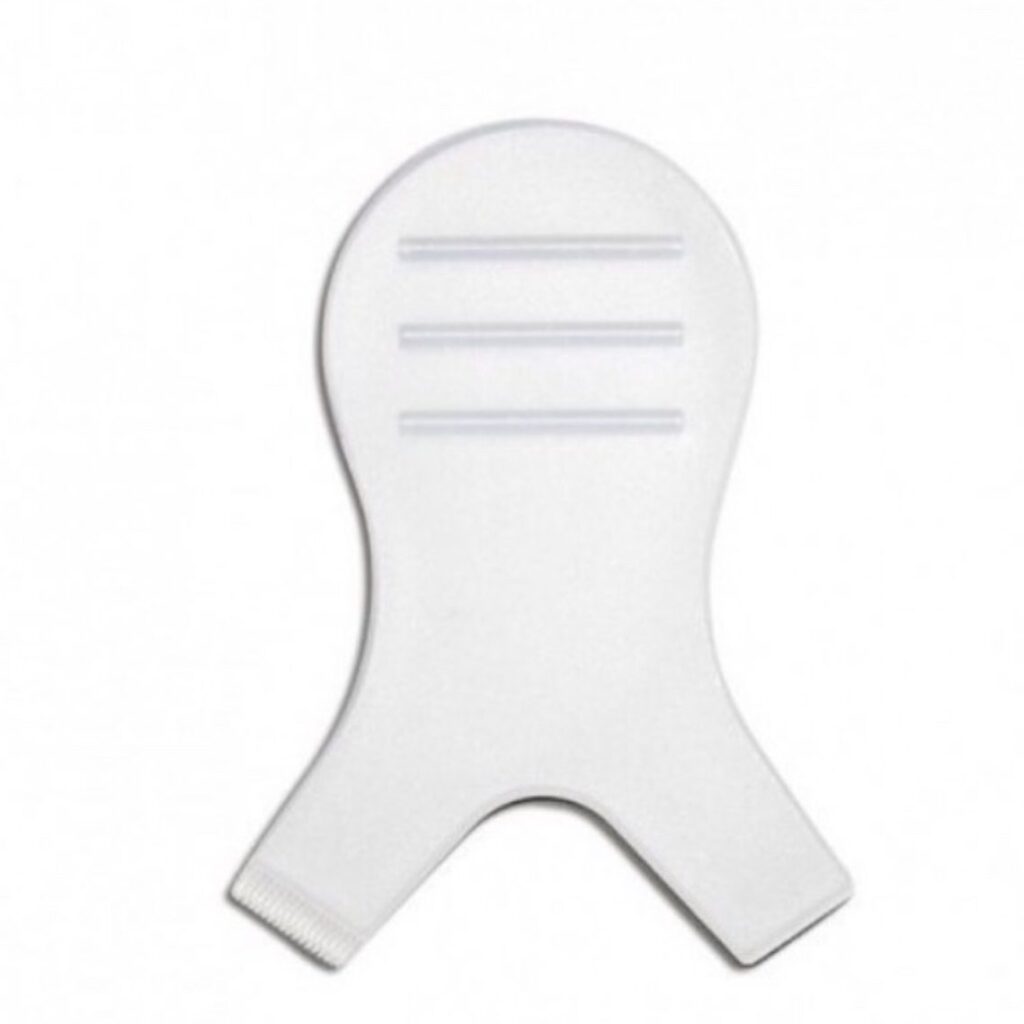
Maturation and Initial Reversion
As the treatment enters the fourth and fifth weeks, the results begin to mature. This stage is marked by the emergence of new, untreated hair at the base of the brow and a gradual softening of the treated hairs. The brows may lose some of their initial rigidity and begin to follow the natural growth direction more closely. While the laminated effect is still visible, the brows often require more frequent brushing or the use of a styling gel to keep the shape consistent with the first few weeks of the service.
Returning to the Natural State
By week six and beyond, most treated hairs have either shed or reverted to their original growth pattern. The brows will appear softer and less disciplined as the chemical restructuring fades. At this juncture, a technician must perform a thorough assessment to determine if the hair is healthy enough for a repeat service. If the hair appears brittle or if the shedding cycle has been slow, it is often better to delay the next lamination to protect the hair’s protein structure.
Biological and Chemical Factors Influencing Wear Time
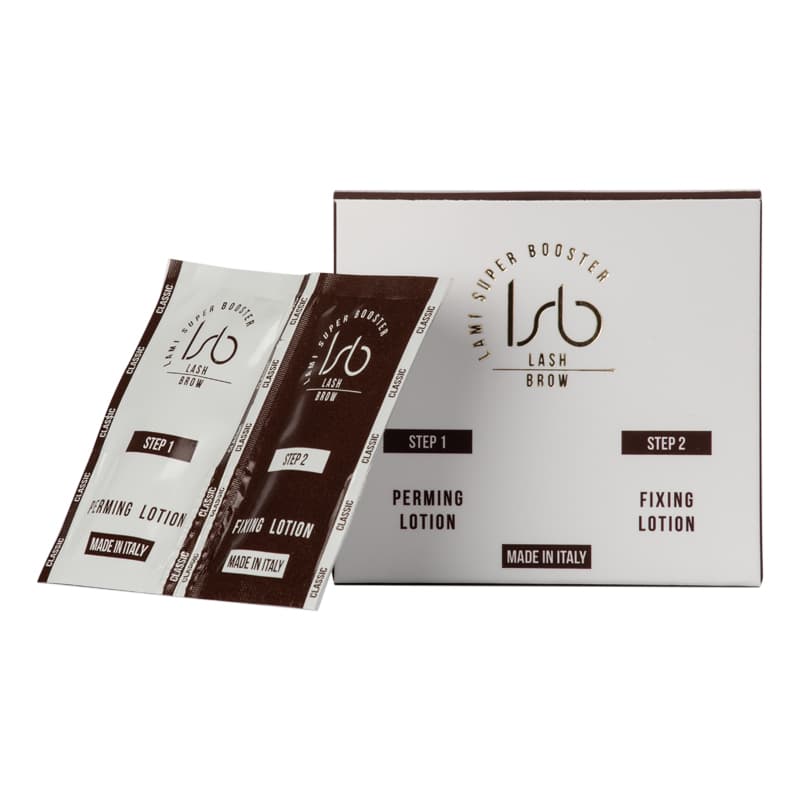
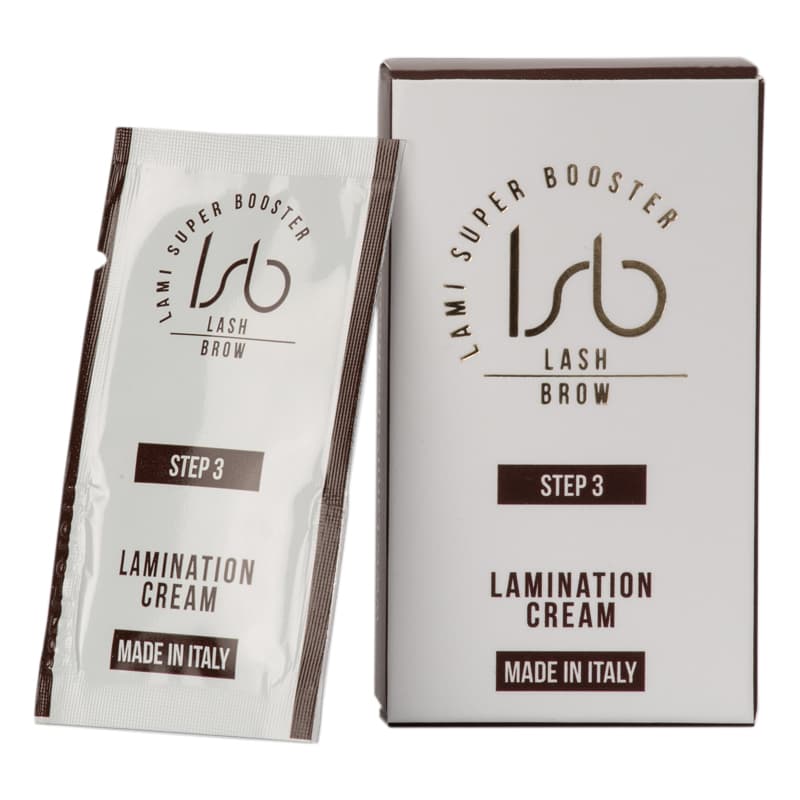
The duration of a lamination is not universal and depends heavily on the biological characteristics of the client’s hair. Coarse and resilient hair types tend to hold the lamination shape for a longer duration, often spanning six to eight weeks. However, these hairs require more robust processing. When working with stubborn or thick hair, applying a uniform 1mm layer of the technical application of curling lotions is essential to ensure the solution penetrates the dense cuticle effectively.
Conversely, fine and thin hair processes significantly faster but may lose the laminated effect earlier, sometimes around the four-week mark. Because fine hair is more delicate, it is highly susceptible to over-processing. Precision in timing the neutralizing effects of fixing lotions is vital for these clients. Additionally, hair porosity plays a major role; brows that have been previously tinted or chemically treated will absorb solutions rapidly. These clients often require shorter processing times to prevent the hair from becoming dry or “crunchy” over time.
Establishing Safe Intervals for Repeat Treatments
One of the most common causes of hair damage in the industry is performing repeat treatments too frequently. To preserve the health of the natural brow, technicians should generally follow a recommended frequency for brow lamination of every six to eight weeks. This interval ensures that a significant portion of the treated hair has shed and been replaced by fresh, untreated growth, minimizing the risk of double-processing the same hair shafts.
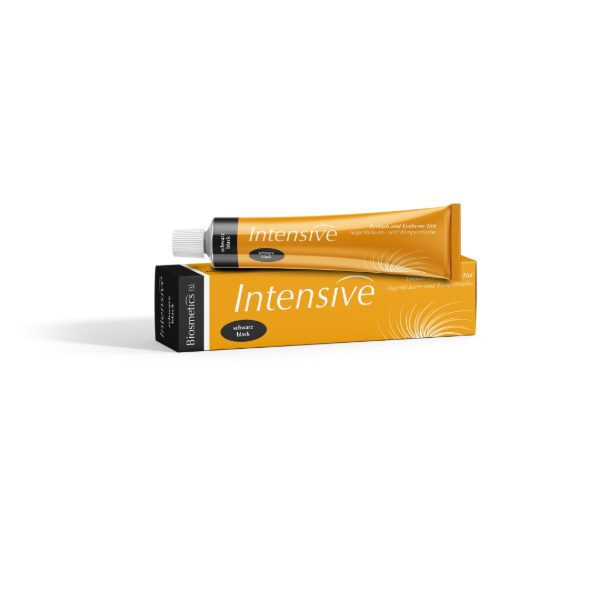
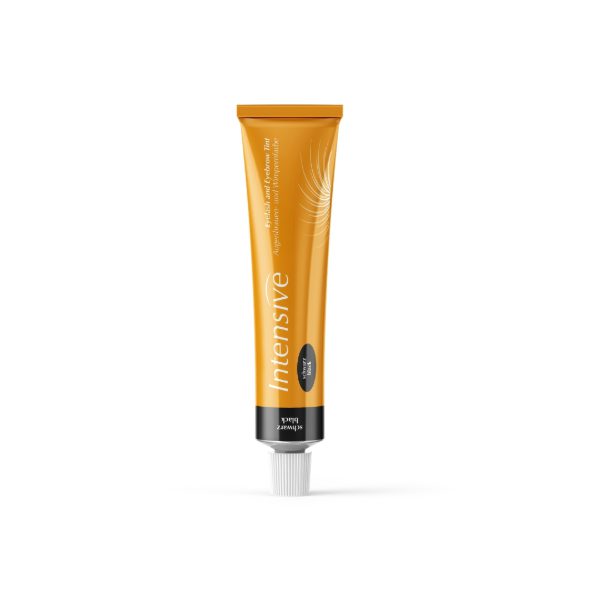
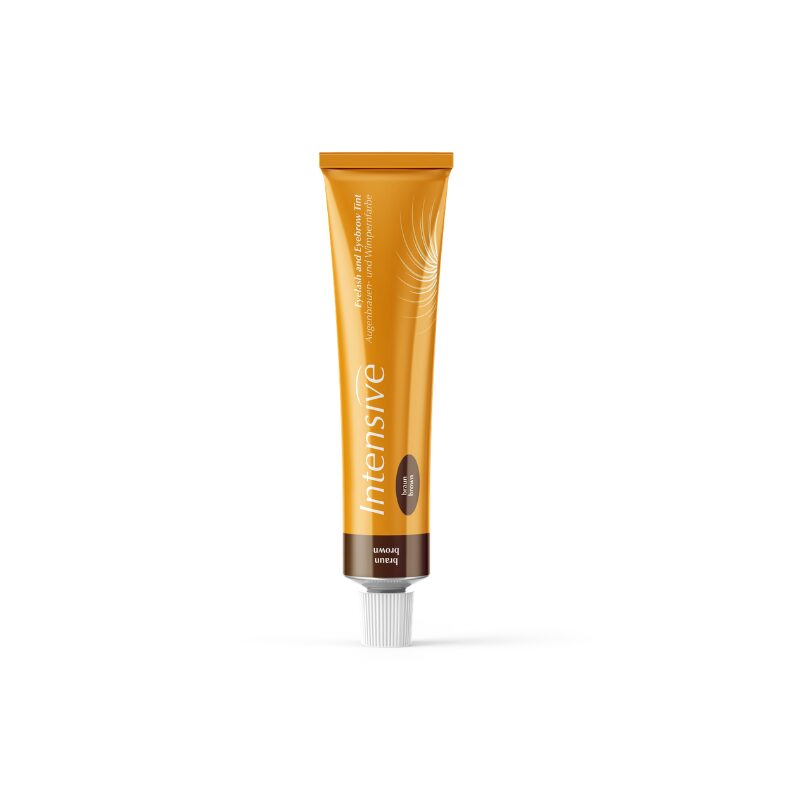
For clients with particularly fragile, lightened, or very thin hair, this window should be extended to 10 or 12 weeks. If a client requests a refresh at the four-week mark, a “maintenance appointment” is a safer alternative to a full chemical service. This appointment can focus on refreshing the brow tint and applying a deep conditioning treatment to restore shine. Understanding the correct sequence of tinting before or after brow lamination allows the technician to enhance the look mid-cycle without compromising the hair’s integrity.

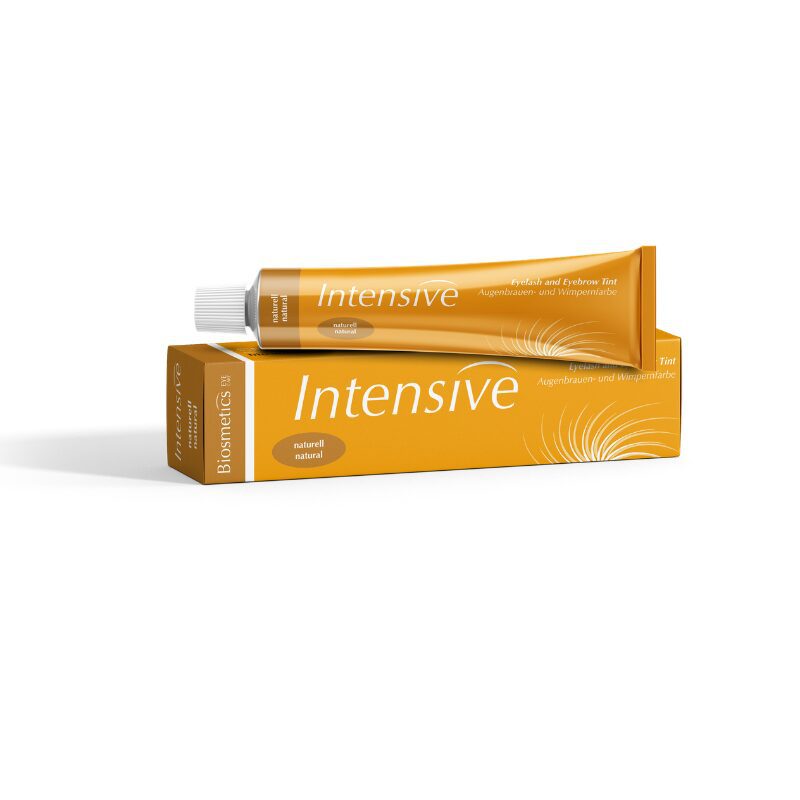
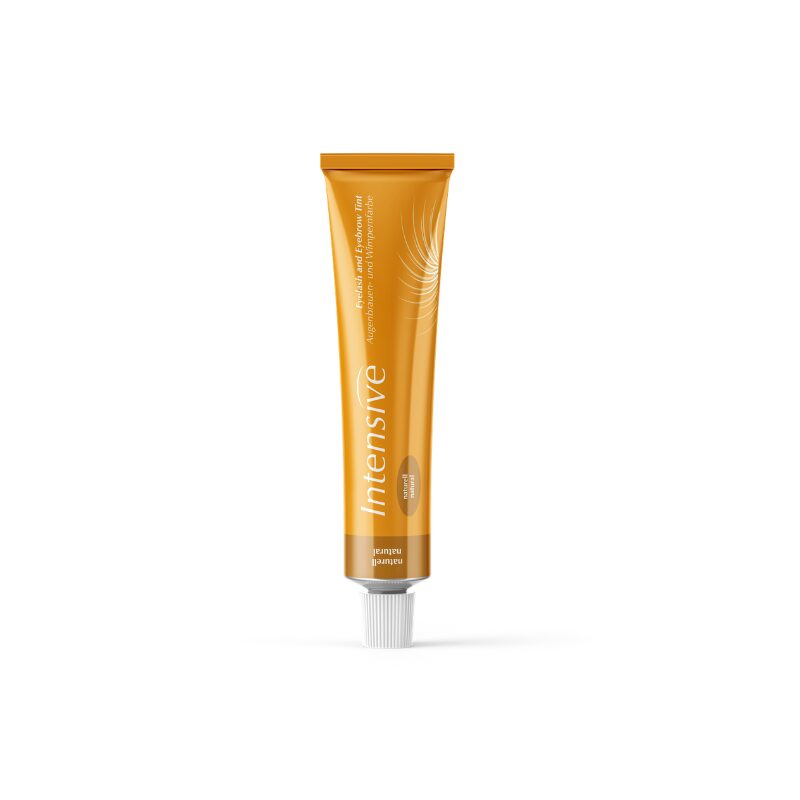
Technical Considerations for Formula Selection
The chemical composition of the professional brow lamination lotions used during the service significantly impacts both the longevity of the results and the safety of the hair. Traditional Ammonium Thioglycolate formulas provide the strength needed for coarse or unruly hair but require close monitoring not just relying on manufacturer timings to avoid avoiding instances where brow lamination has gone wrong.
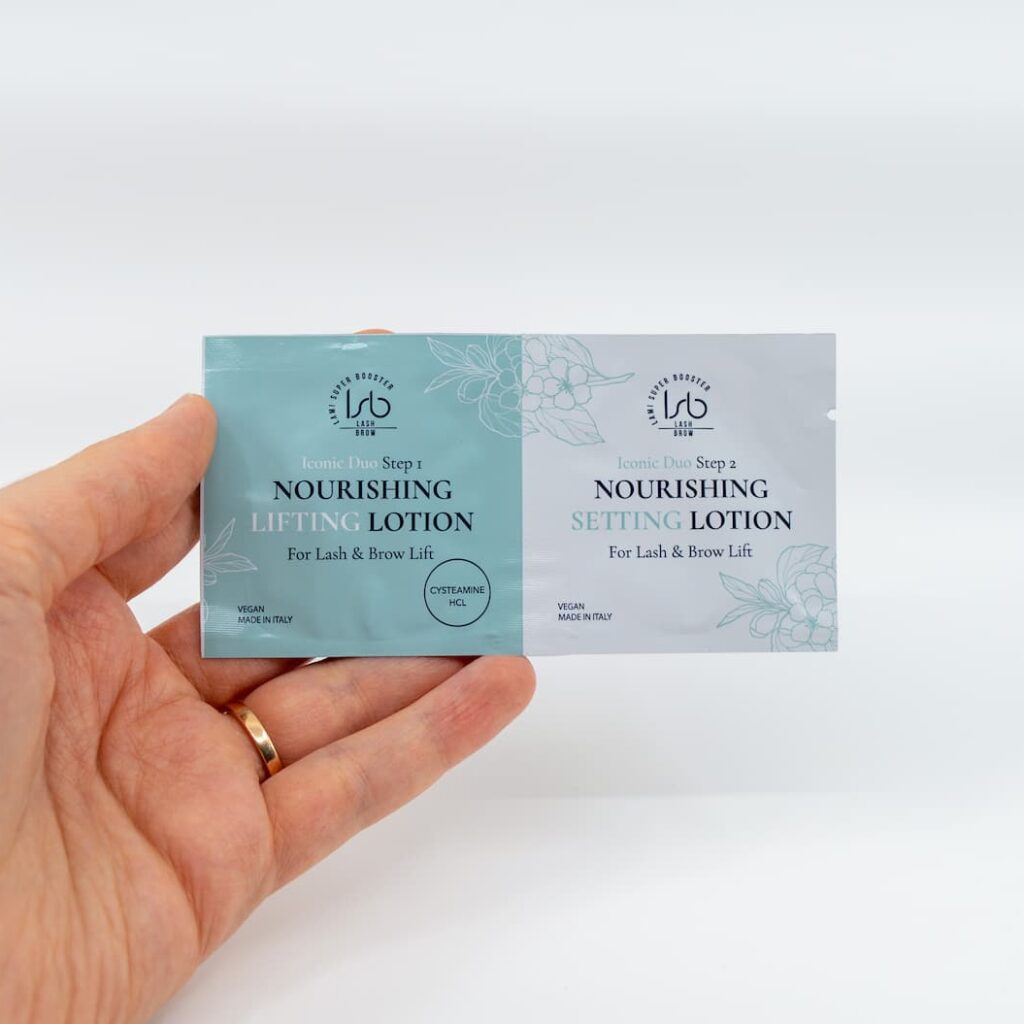
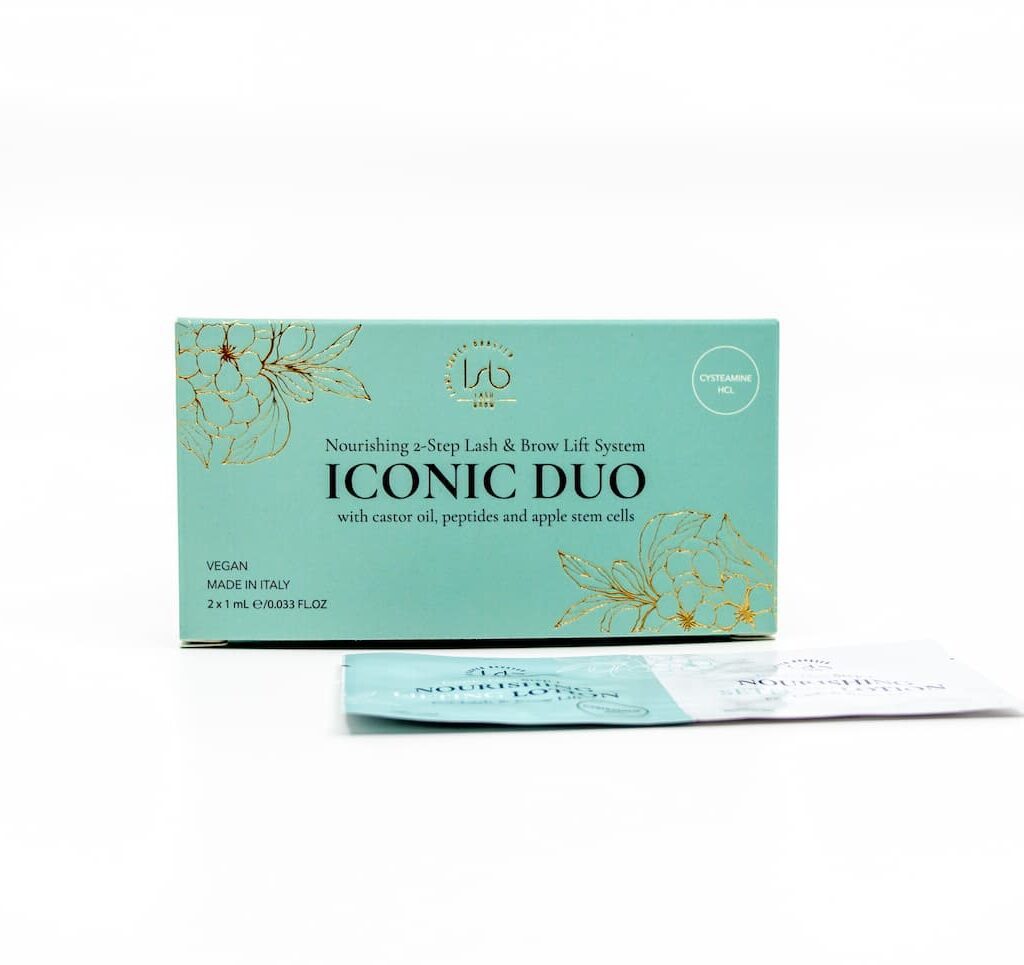
Cysteamine HCl-based systems offer a gentler alternative, making them ideal for clients who are concerned about whether is brow lamination safe for their specific hair type. These systems work by rebuilding the hair bonds more softly, which helps maintain the hair’s elasticity and reduces the risk of the “singed” or frizzy texture that can occur with aggressive over-processing. Choosing a formula that includes nourishing agents like castor oil or peptides can further support the hair during the chemical transition.
Managing the lifecycle of a brow lamination requires a combination of technical precision during the application and clear communication regarding long-term care. By prioritizing brow hair health and respecting the natural growth cycle, you ensure that clients achieve beautiful, sustainable results without the risk of brittleness or breakage. For those looking to provide consistent, high-quality results, exploring professional brow lamination kits can provide the reliable formulas necessary for every hair type.