



The longevity and aesthetic quality of a client’s eyebrows are determined by more than just the technical execution of the service. As a professional technician, your role extends into the weeks following the appointment, where providing a structured aftercare protocol is essential to prevent hair damage, frizz, and premature loss of shape. Because brow lamination involves chemically altering the hair’s disulfide bonds to restructure the brow, the cuticle remains more porous and susceptible to environmental factors for several days after the procedure.
The Critical First 24 to 48 Hours
The initial 24 hours represent the most volatile phase of the lamination process. During this window, the newly set bonds are still stabilizing and the hair is exceptionally flexible. Instruct your clients to keep their brows entirely dry and untouched. Moisture from water, steam, or high-humidity environments like saunas can cause the hair to lose its intended direction or revert to its natural, unstyled state.
Clients must avoid applying any makeup, skincare, or oils directly to the brow area during this period. Physical pressure is equally risky; for instance, sleeping face-down on a pillow can permanently kink the hairs while they are still in this malleable state. If a client experiences slight redness or sensitivity, advise them that this is a common reaction to the alkalinity of professional lifting lotions, though persistent irritation should always be monitored according to your salon’s safety protocols.
Professional Cleansing Protocols
Once the 24-hour window has passed, hygiene becomes the primary focus for maintaining skin health. Many clients mistakenly believe they should never wash their brows to “save” the results, but you must educate them that a buildup of dead skin cells and sebum can lead to issues such as folliculitis or dermatitis.
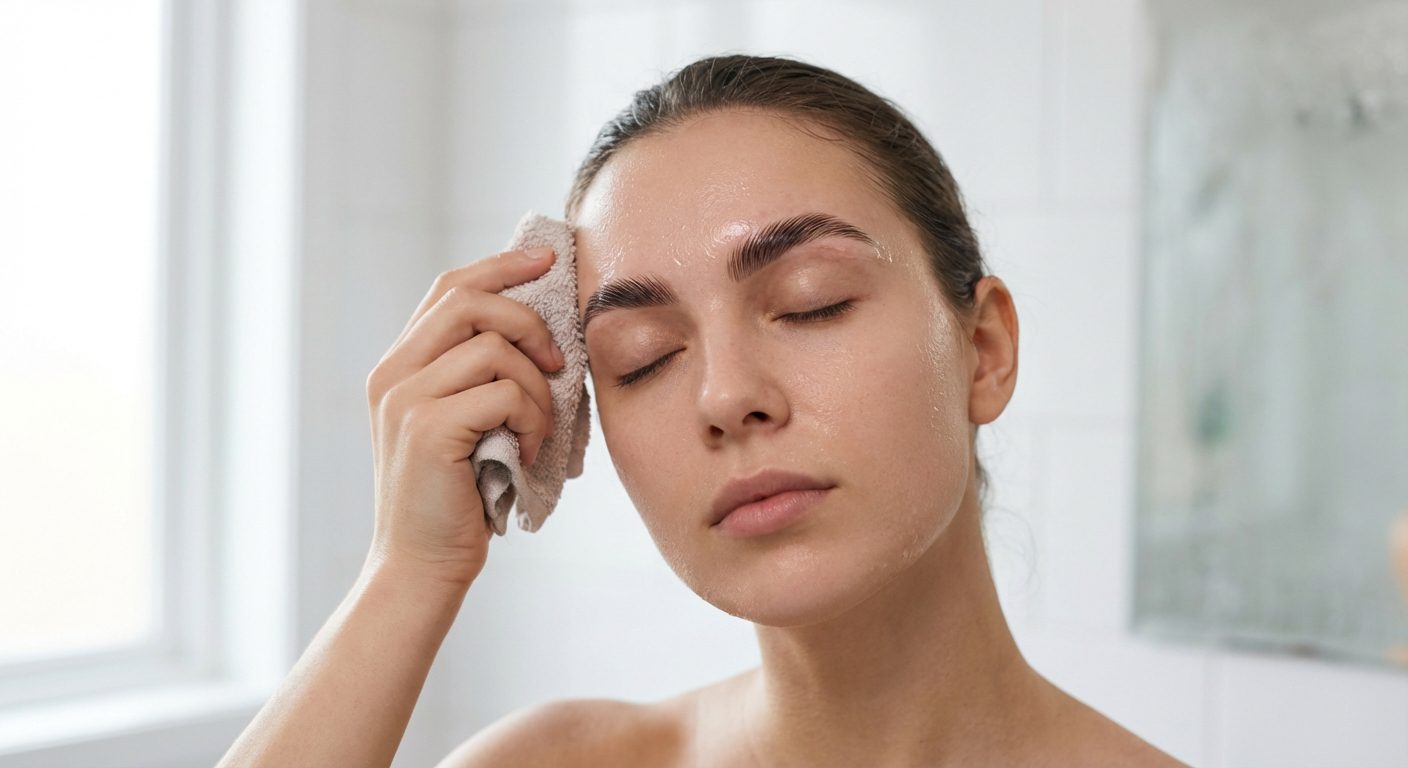
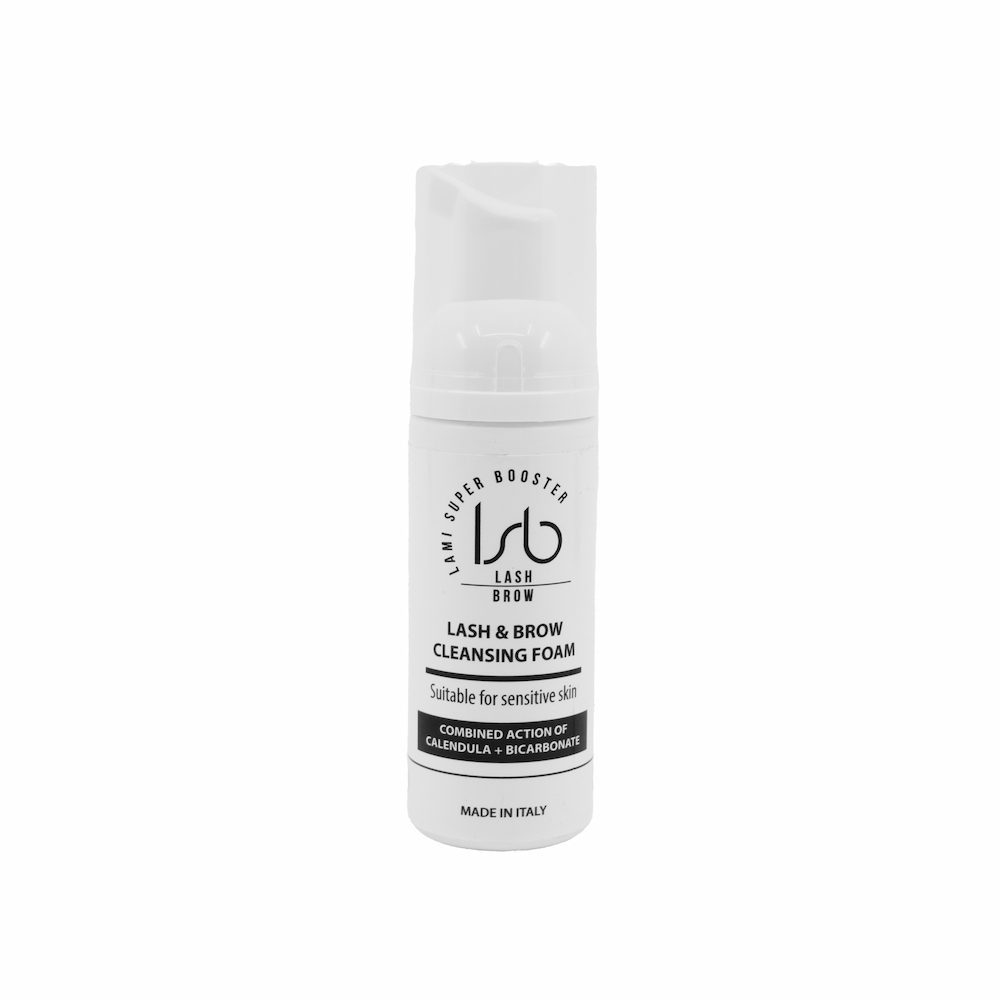
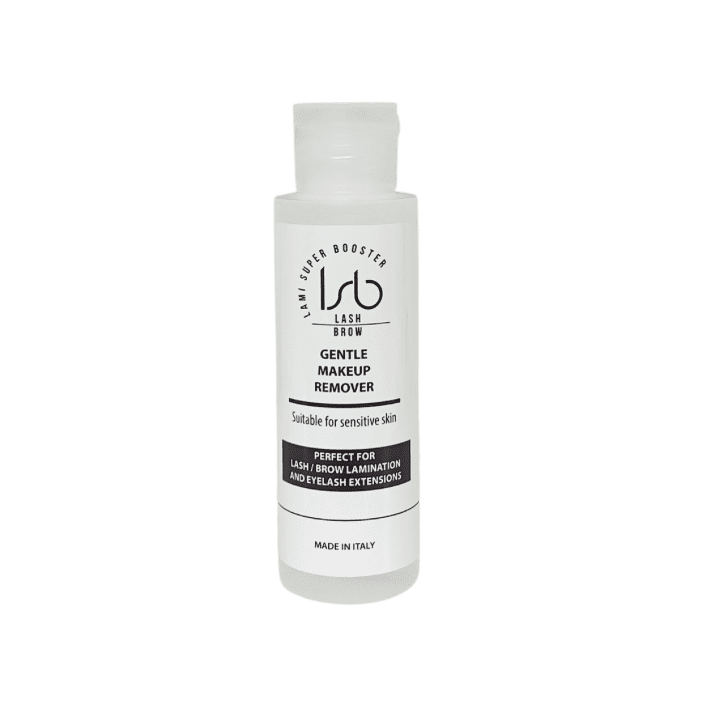
Recommend a gentle, non-greasy cleansing foam specifically formulated for treated hairs. Advise the client to lightly dampen the skin and apply the foam using a soft brush or their fingertips in a light, circular motion. They should then rinse with lukewarm water and pat the area dry with a soft towel. Aggressive rubbing is strictly contraindicated, as the friction can cause mechanical damage and frizz the chemically treated cuticles.
Nourishment and Structural Integrity
The lamination process is similar to a hair perm; it increases the hair’s porosity, making it more prone to dehydration. Without a dedicated home-care regimen, the hair can become brittle, leading to the unrefined, dry appearance often seen when brow lamination goes wrong.
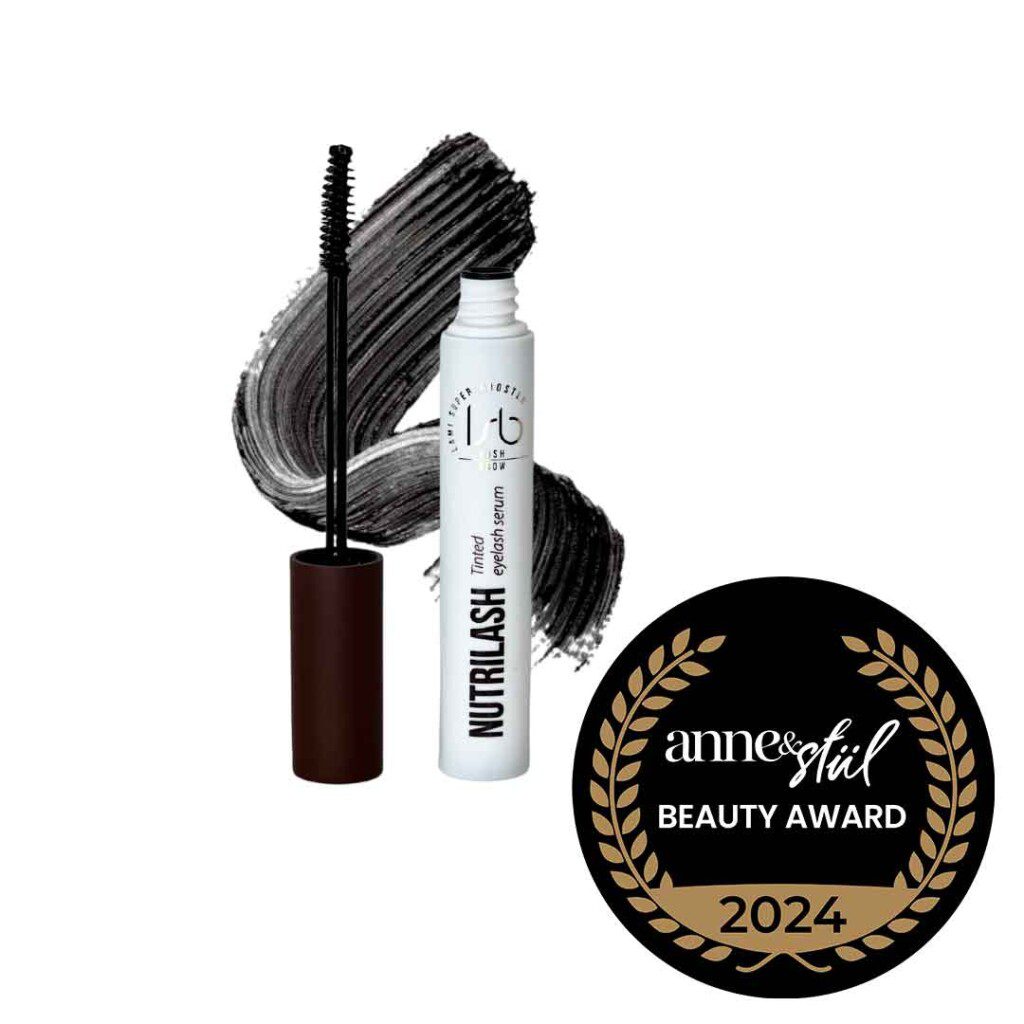
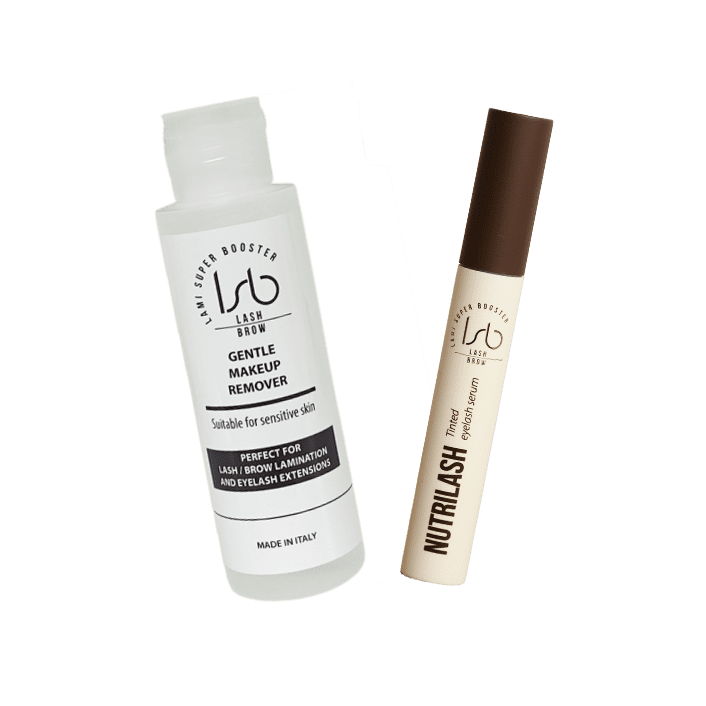
To maintain the structural integrity of the brow hair, technicians should supply or recommend a keratin-based serum or a nourishing conditioner. These products should be applied once or twice daily starting 24 to 48 hours post-treatment. High-quality ingredients like hydrolyzed silk, collagen, and argan oil help to seal moisture into the hair shaft. This keeps the brows soft and manageable rather than stiff, ensuring the “laminated” effect remains polished throughout the growth cycle.
Managing Active Ingredients and Makeup
Proper aftercare also involves managing the client’s broader skincare routine. High concentrations of Vitamin A (retinols), Alpha Hydroxy Acids (AHAs), and Beta Hydroxy Acids (BHAs) can increase skin sensitivity. If these actives are used too soon before or after the service, the client faces a significantly higher risk of experiencing chemical burns or severe irritation. Ideally, clients should discontinue these products for at least four to seven days post-treatment to allow the skin’s barrier to remain resilient.
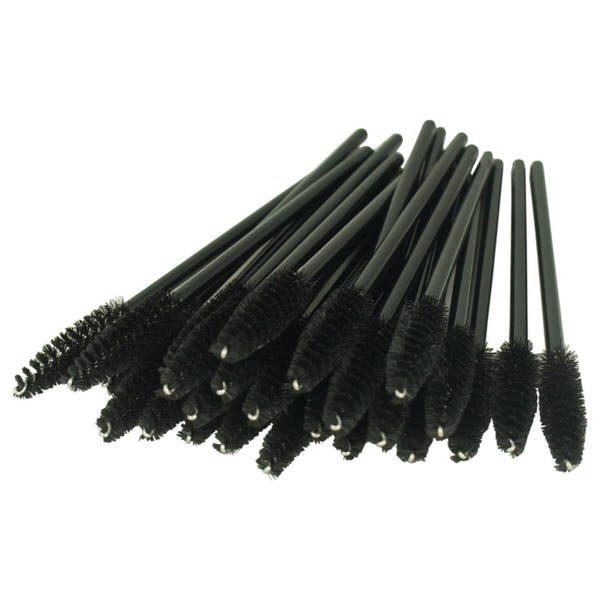
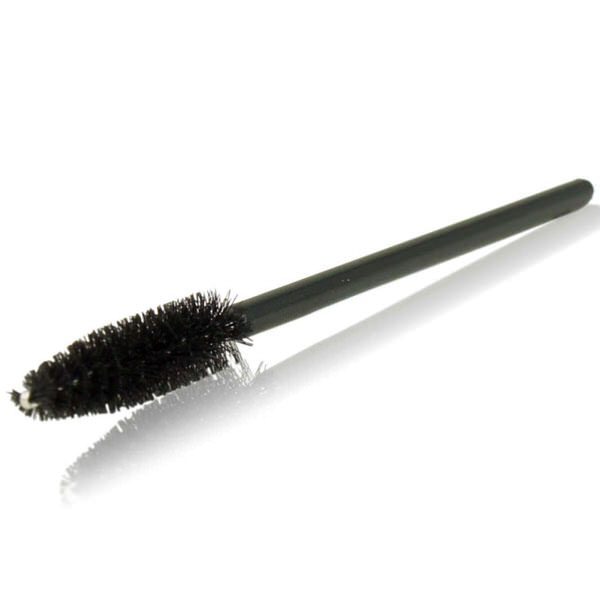
For makeup application, suggest avoiding waterproof brow gels or heavy waxes for the first 48 hours, as the removal process for these products often requires harsh friction. When the client returns to daily styling, a simple brush-through with a clean spoolie is usually sufficient to maintain the uniform, brushed-up look. Providing the client with a few professional micro-brushes as part of their aftercare kit encourages them to maintain the shape with precision.
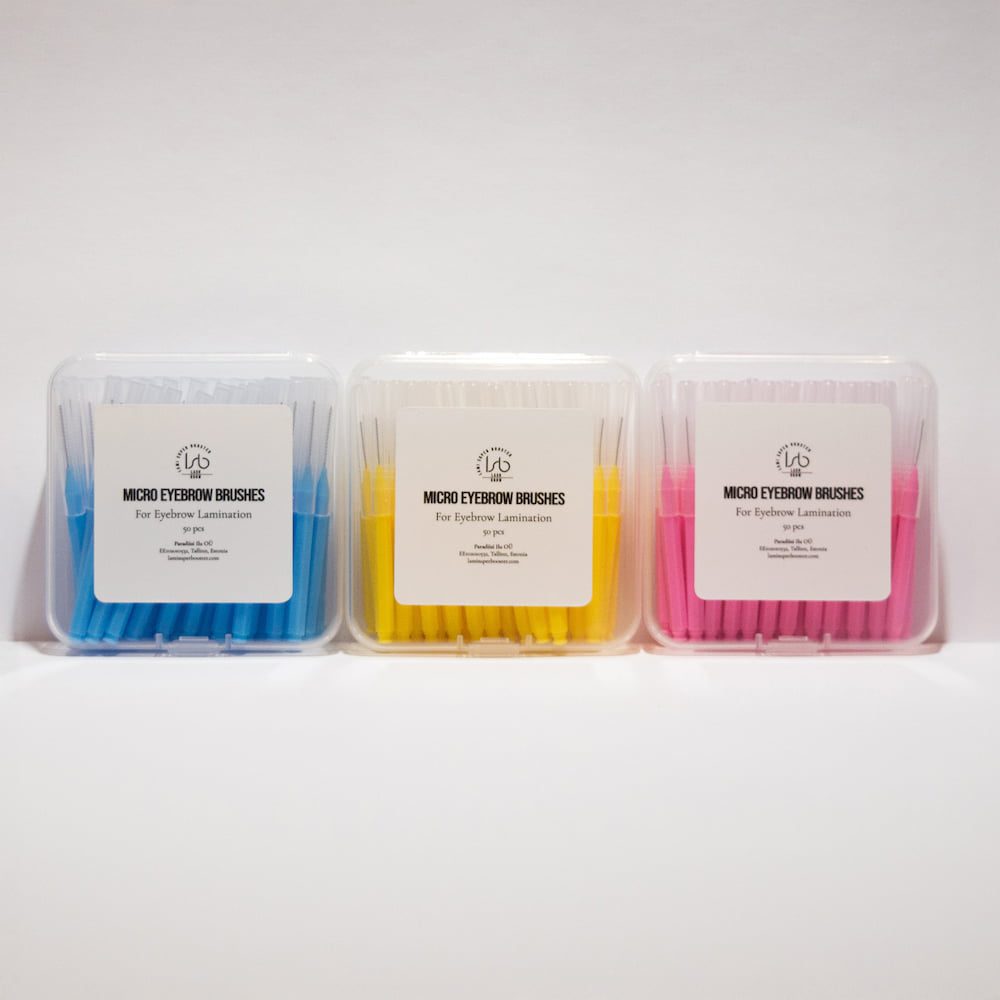
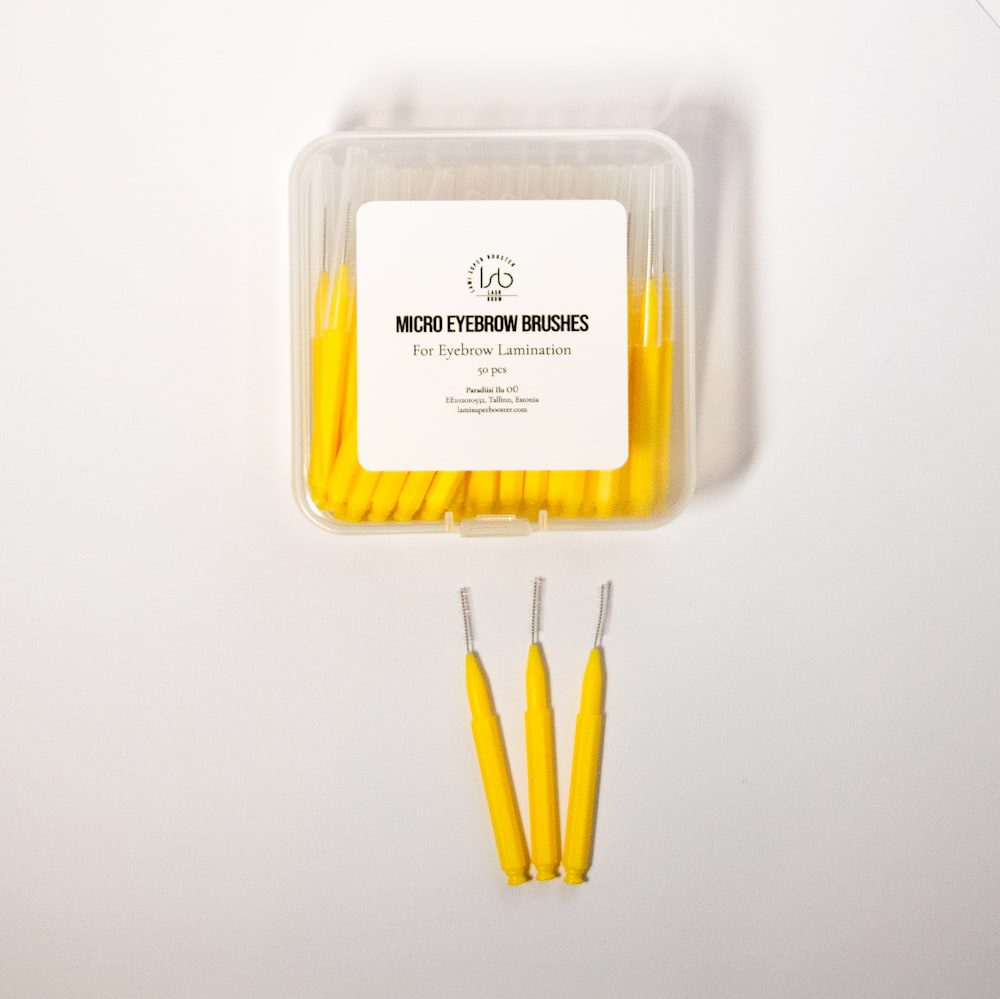
50 Micro Eyebrow Brushes
Maintenance Cycles and Long-Term Care
To prevent overprocessing and maintain hair health, it is vital to manage the frequency of appointments. Understanding how often you can laminate brows is key to your professional reputation; while longevity depends on the client’s individual hair growth cycle, a minimum of six to eight weeks between full treatments is the recommended standard.
In the interim, clients can return for a tint refresh or professional shaping at the three-to-four-week mark. This keeps the look refined without subjecting the hair to repeated chemical restructuring too soon. Always review brow lamination contraindications with returning clients during these touch-ups to ensure no new sensitivities or medical conditions have arisen since their last full service.
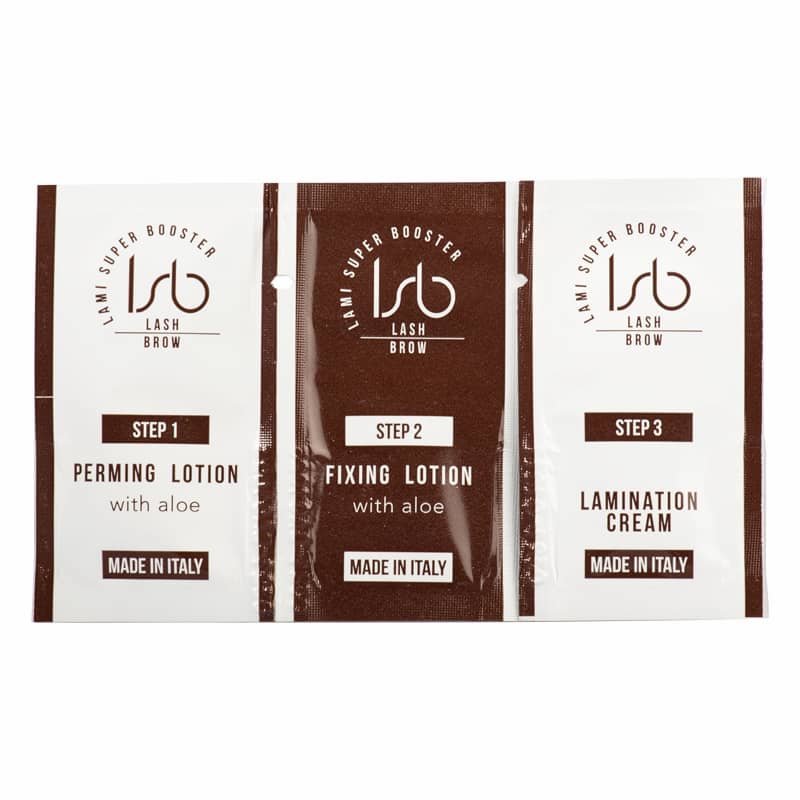
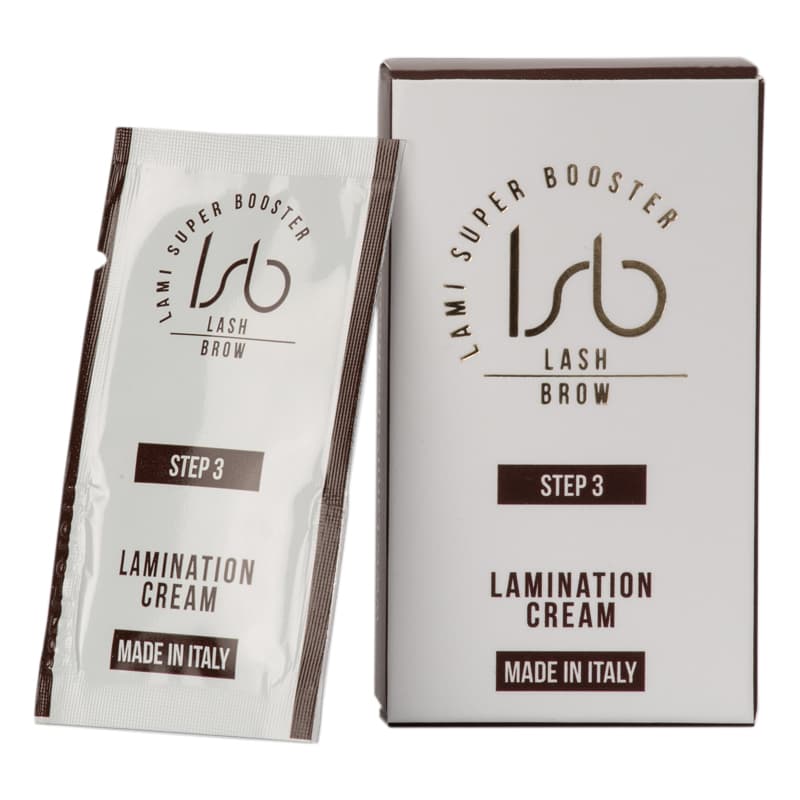
Effective aftercare is the bridge between a successful salon service and long-term client satisfaction. By providing measurable instructions and high-quality products, you ensure that the brow hairs remain healthy, hydrated, and perfectly positioned. Elevate your professional service by stocking a complete range of Italian-made aftercare essentials and brow lamination tools.