


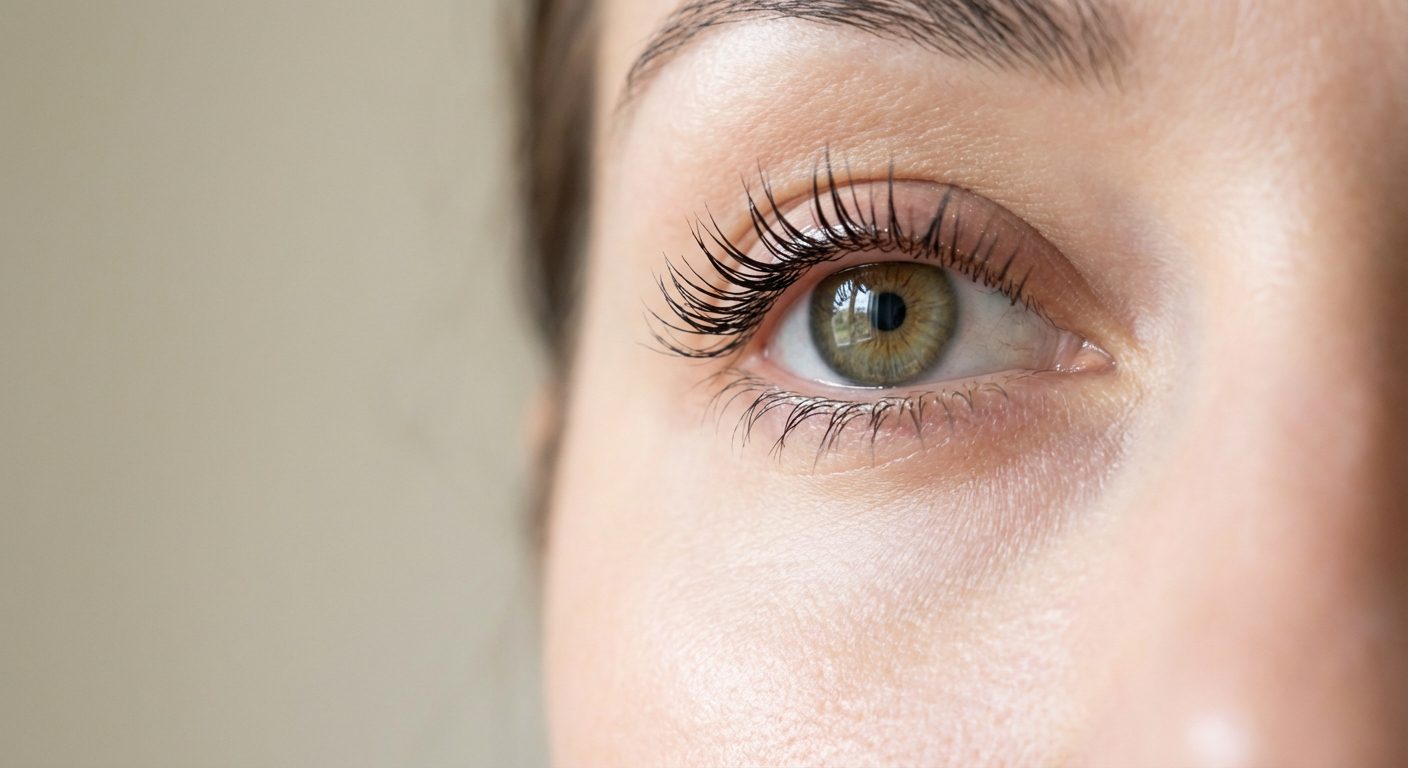
Performing a lash lift on short lashes is a sophisticated skill that separates master technicians from novices. While many clients assume their lashes are too short for the service, you can achieve transformative results on hairs as short as 4mm or 5mm. Success with these clients depends on a thorough lash analysis to determine health and growth patterns, followed by the precise selection of silicone shields and technical adjustments that ensure every millimeter of hair is utilized.
Determining Viability and Managing Expectations
Before the procedure begins, you must accurately measure the lash length to establish realistic goals. Hairs under 7mm are technically classified as short, while those under 4mm generally lack the surface area required to adhere securely to a shield. If the lashes are too short to wrap around the smallest available shield, they risk popping off during the chemical transition. In these cases, it is professional to discuss lash lift versus extensions or suggest a growth regimen to prepare the lashes for a future treatment.
Communication is vital when the canvas is limited. A successful lift on short lashes provides an “open-eye” effect and makes the fringe appear darker and more defined, especially when paired with a tint. However, you must clarify to the client that while the treatment enhances visibility, it does not physically add length or volume. Advising them on a dedicated lash lift aftercare routine is essential for maintaining the health of these shorter hairs.
Shield Selection and Precise Placement
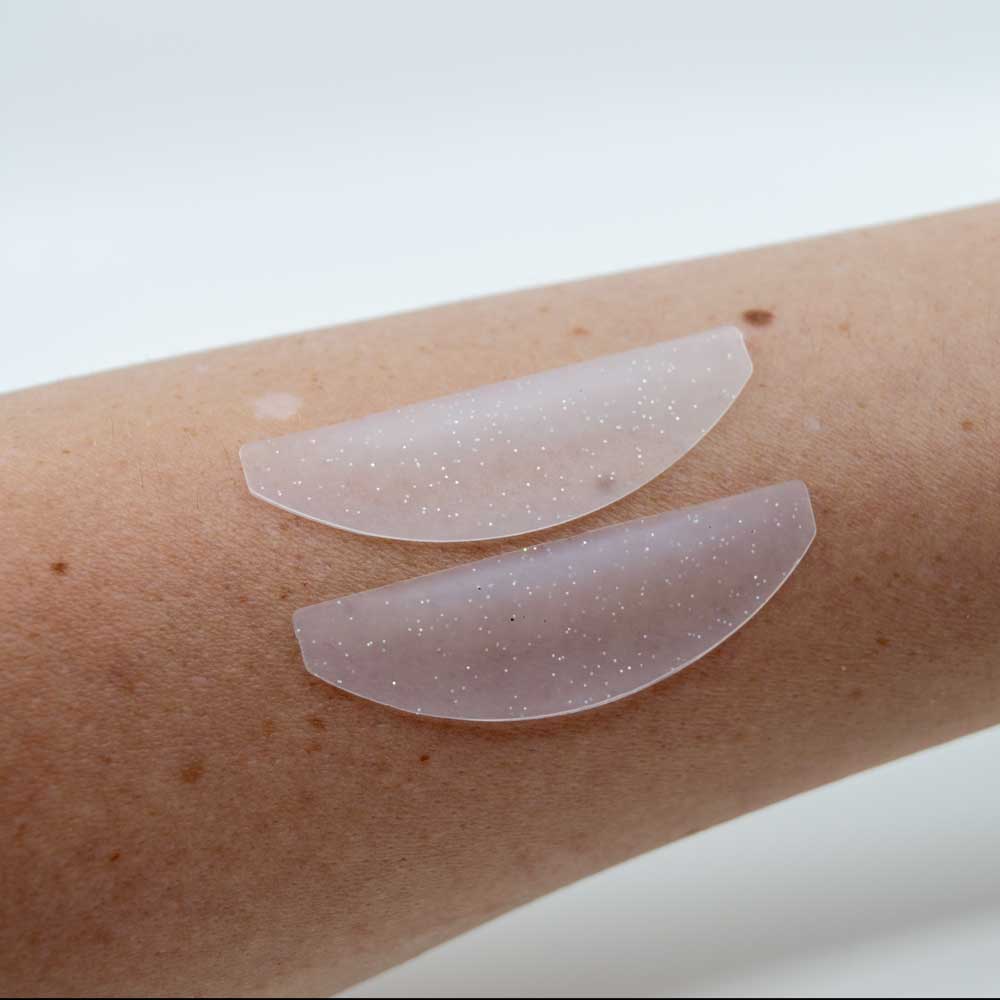
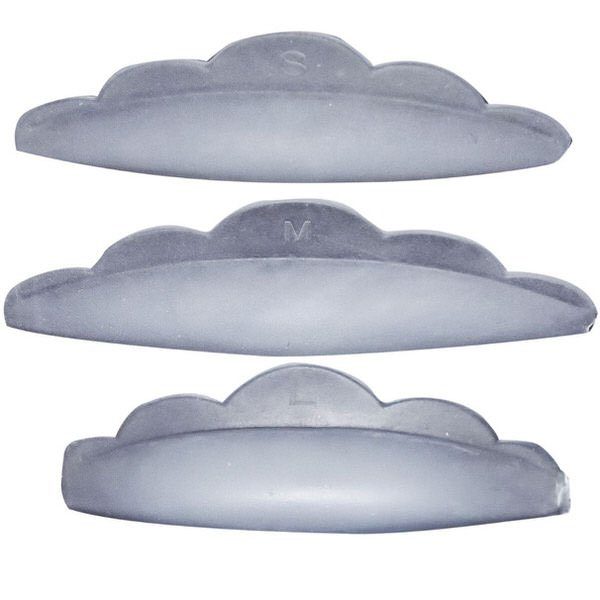
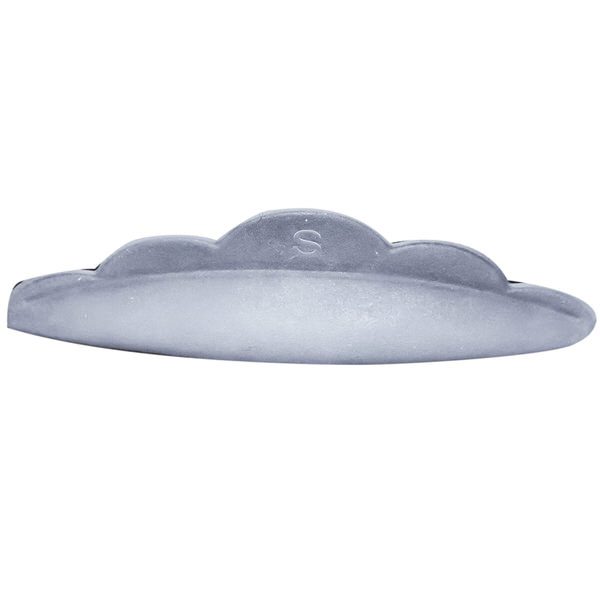
The most critical technical decision when working with short lashes is shield size. Selecting a shield that is too large often results in an underlift, where the curve is so gradual that the lashes appear virtually unchanged. According to the lash lift shield size guide, a Small (S) shield is the industry standard for lashes under 7mm, as it creates a tighter curl and a more dramatic lift from the base.
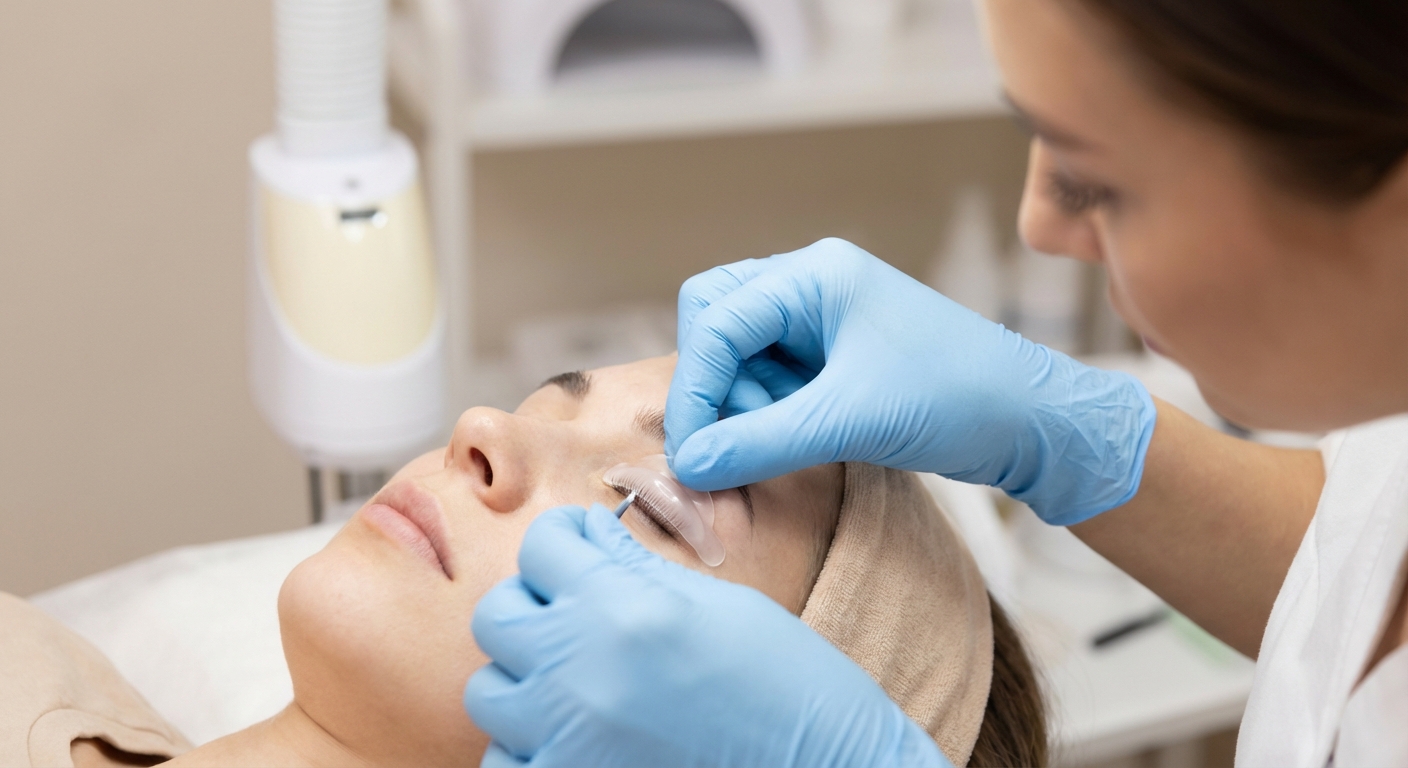
Technicians may also look toward the Korean lash lift method for inspiration. This technique frequently utilizes ultra-thin flat shields for the initial lifting step. Understanding different lash lift silicone types allows you to choose a base that ensures the lifting lotion reaches the very root of the lash, providing a uniform upward trajectory even on minimal lengths.
Technical Mastery for Minimal Lengths
When hair length is limited, any misalignment in the placement or tension becomes highly visible. To ensure a professional result, the shield must be positioned as close to the lash line as possible without touching the skin. A gap of even 0.5mm can cause the lift to lose its impact. Mastering how to apply lash lift shields with this level of precision is the key to preventing “hidden” lifts that disappear once the shield is removed.
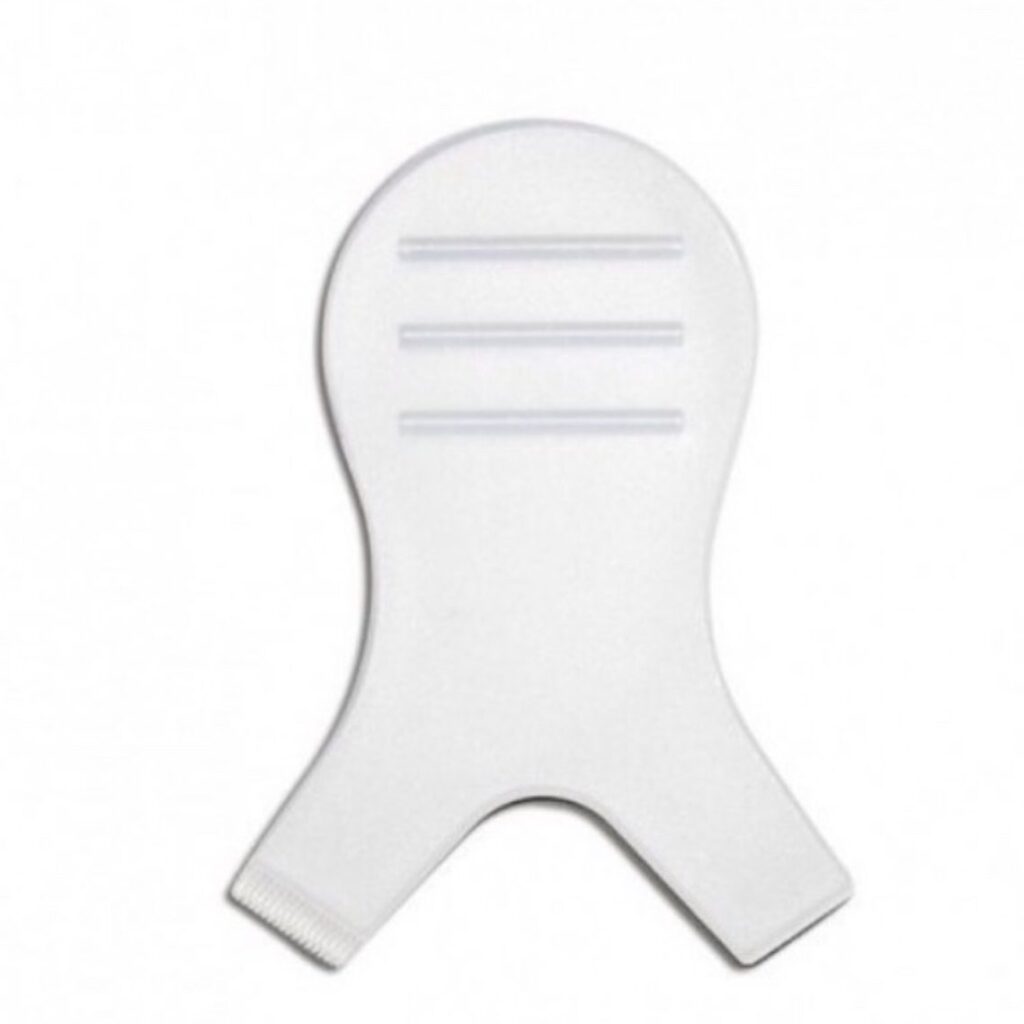
Adhesive management is equally important. You should apply a thin, 1mm layer of adhesive to the shield; short lashes are easily weighed down by excess product. Too much glue creates a barrier that prevents the lifting lotion from penetrating the hair shaft, which is a common cause of lash lift underprocessing. Once the adhesive is tacky, use a dedicated separation tool to pull the lashes onto the shield with consistent tension, ensuring the tips are perfectly straight and not criss-crossed.
To prevent short, stiff lashes from “popping” off the shield during processing, silicone compensators should be used. These tools hold the hairs in place and maintain the desired alignment while the disulfide bonds are being reformed.
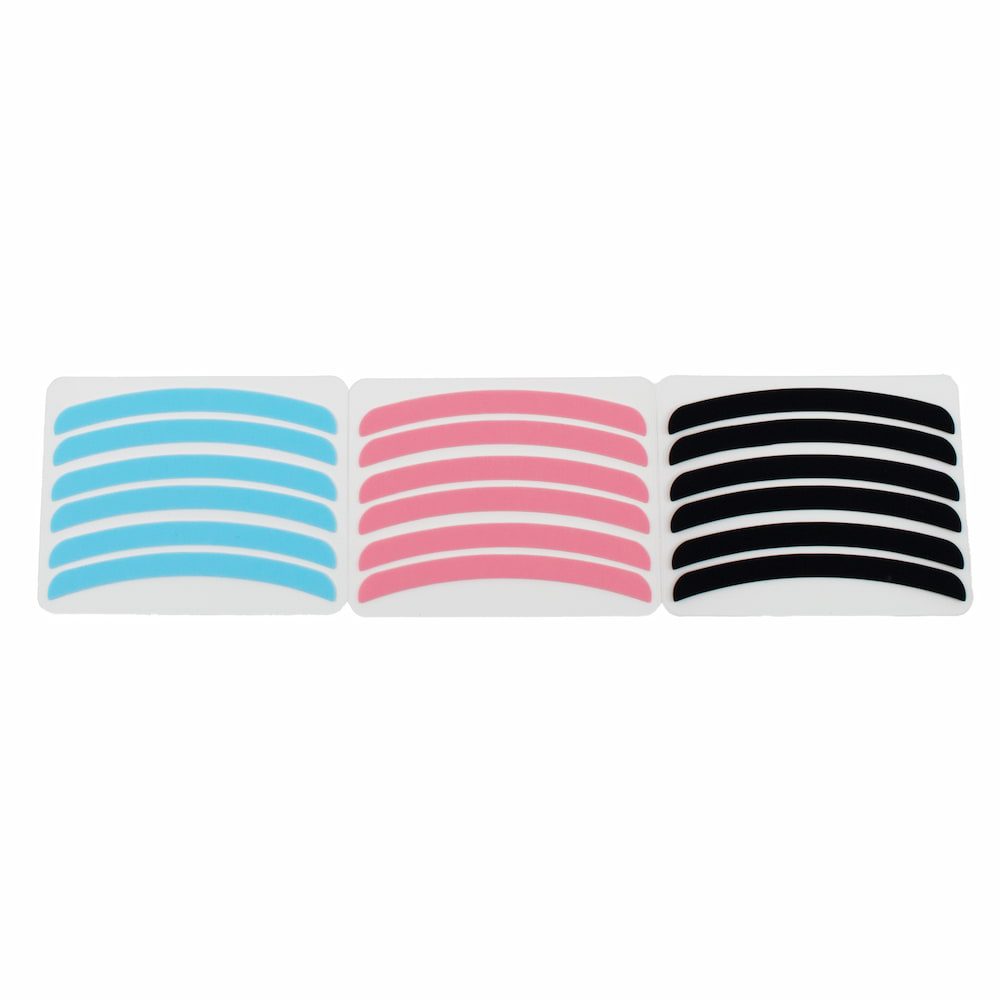
Lash Lift Compensators, 3 Pairs
Processing Times and Lotion Application
Short lashes are frequently fine in texture, requiring careful monitoring to avoid damage. You should determine your processing times based on a density test rather than length alone. Check the manufacturer’s guidlines on the timings. If you are using a cysteamine-based system, which offers a gentler alternative to traditional thioglycolate formulas, you may have more flexibility, but the lashes should still be checked every 2 minutes.
Proper lotion placement prevents frizz and breakage at the most vulnerable part of the hair. When doing a classical lash lift, focus the product on the lower 50% to 60% of the lash. By avoiding the tips, you ensure the hair lifts from the root without the ends curling back on themselves or becoming brittle. This base-focused application maximizes the “optical illusion” of length that short-lash clients desire.

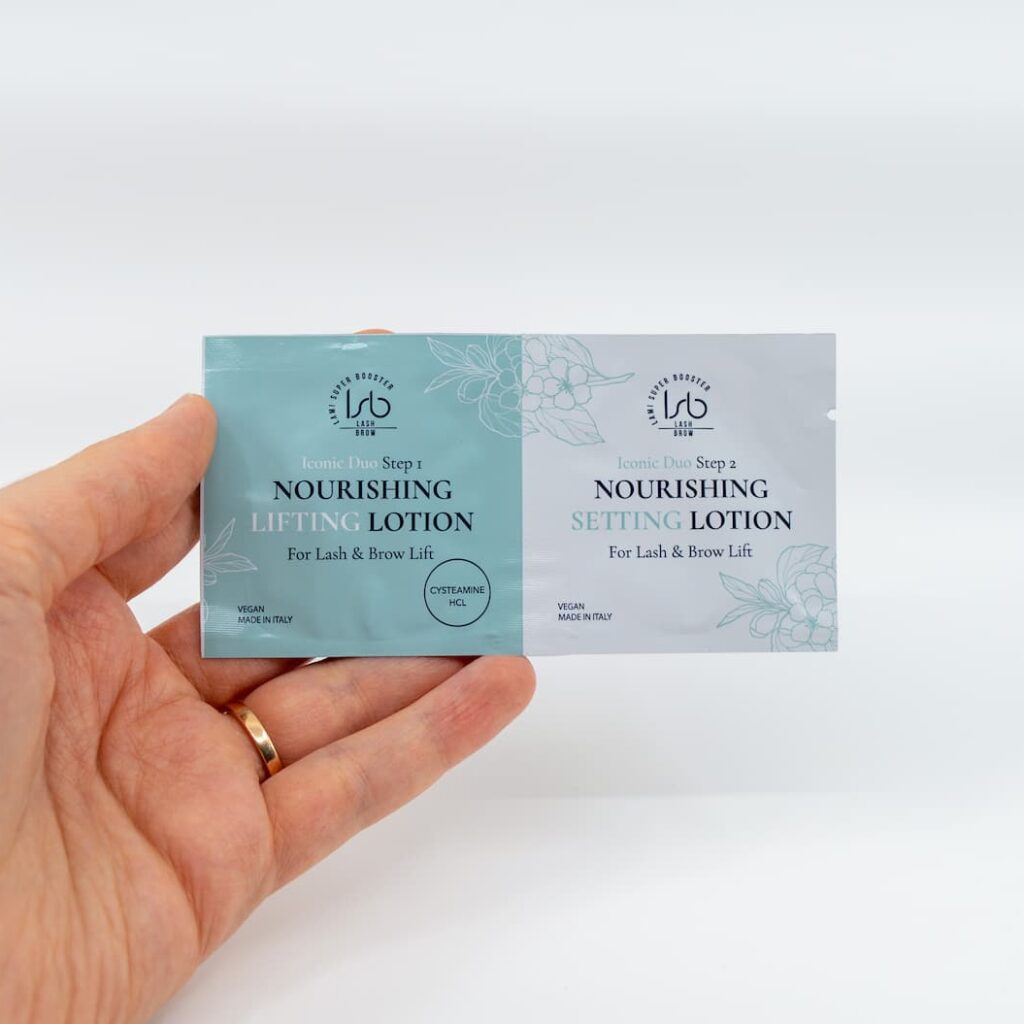
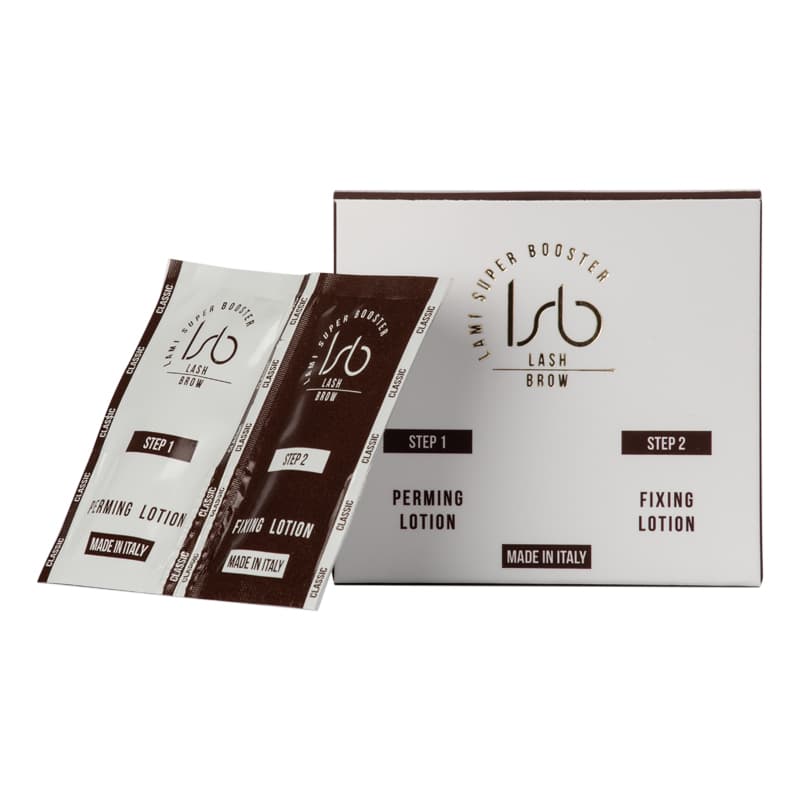
By refining your placement technique and maintaining a kit stocked with small-gauge lash lift shields and professional lash lift tools, you can provide high-quality results for clients with any lash length. Mastery of these technical adjustments ensures that even the shortest lashes are lifted into a beautiful, lasting curvature.