


Retention is one of the most critical metrics for a beauty salon’s growth and reputation. Clients seek out lash lift treatments to simplify their daily beauty routines, expecting a lifted, beautifully curled appearance that holds its shape for several weeks. When a lift drops prematurely, clients often assume the application technique was flawed.
In reality, maximizing lash lift retention requires a dual approach: precise technical execution in the salon and thorough client education on home care. By mastering the chemistry of the hair and providing clients with structured maintenance guidelines, technicians can ensure consistent, long-lasting results. Understanding how long a lash lift takes to process and setting clear expectations during the initial consultation sets the stage for success, whether performing a classic lift or an advanced eyelash lamination treatment.
The Critical 24–48 Hour Setting Window
After the lifting and setting lotions are applied, the newly restructured disulfide bonds in the lash hair are still settling into their new shape. Introducing moisture, heat, or physical pressure too early will weaken these chemical bonds, causing the curl to collapse or set unevenly.
Technicians must explicitly instruct clients to avoid several key activities during this critical timeframe:
- Preventing any contact with water, including steam from hot showers, saunas, hot yoga, or heavy sweating from intense workouts.
- Avoiding all eye makeup, especially heavy mascaras that require physical friction to remove.
- Refraining from sleeping face-down or resting the eye area heavily on side pillows, which can physically bend the setting lashes out of alignment.
- Skipping any facial treatments, swimming, or direct rubbing of the eyes.
Salons should print or digitally share detailed lash lift aftercare instructions to ensure clients understand that their habits during the first 48 hours dictate the entire lifespan of their treatment.
Ongoing Cleaning and Daily Hygiene
Once the setting window has passed, maintaining clean lashes is essential to prevent cosmetic buildup, oils, and bacteria from gathering along the lash line. However, using the wrong cleansing products can quickly strip the curl.
Technicians should advise clients to avoid oil-based cleansers, which can break down the chemical bonds of the lift. Standard drugstore makeup removers often contain heavy oils or silicones that weigh down natural lashes. Instead, recommend a dedicated, non-greasy, and oil-free cleanser from a professional lash lift aftercare range to maintain both lash hygiene and curl longevity.


Clients should also brush their lashes daily with a clean, dry spoolie brush to maintain alignment, separate individual hairs, and prevent tangling as the natural growth cycle progresses.
Moisturizing and Conditioning for Structural Strength
Chemical lifting treatments naturally alter the moisture balance of the hair. To keep lashes from becoming brittle or dry over time, ongoing nourishment is required. Regular hydration keeps the hair elastic, preventing premature breakage and helping the curl retain its smooth, sweeping shape.
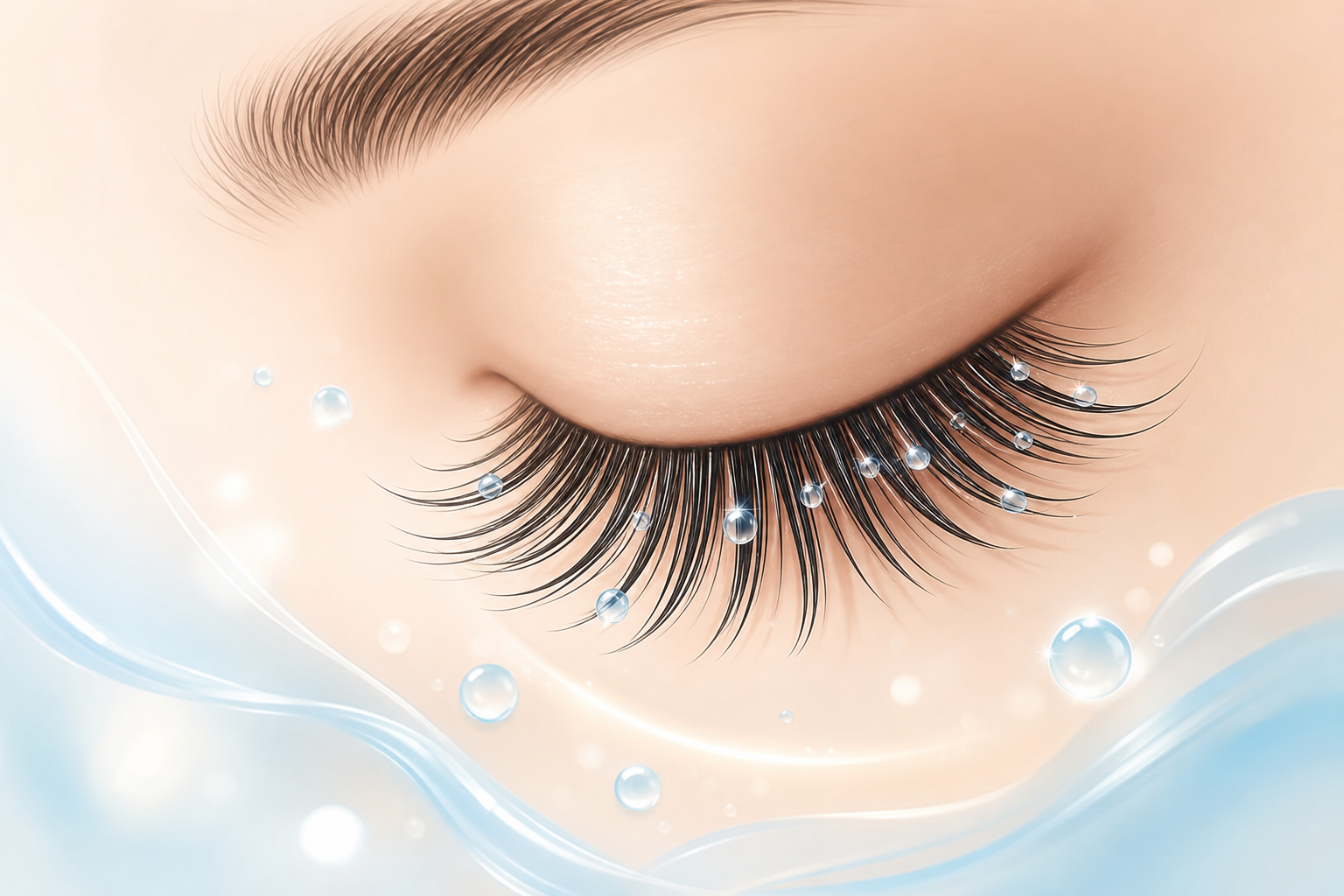
Instructing clients to apply a daily nourishing serum formulated with hydrolyzed keratin, sodium hyaluronate, and collagen will keep the lashes soft and resilient. Retailing these serums at checkout not only increases salon revenue but also guarantees clients are using professional-grade formulas rather than generic, oil-based alternatives that could compromise the lift. Technicians can direct clients to high-quality selections in the serum category.


For salons looking to stock up on retail items, purchasing these aftercare essentials in bulk ensures consistent inventory for client hand-outs post-treatment.
Nutrilash ripsmeseerum, 6tk
Nutrilash ripsmeseerum 12tk
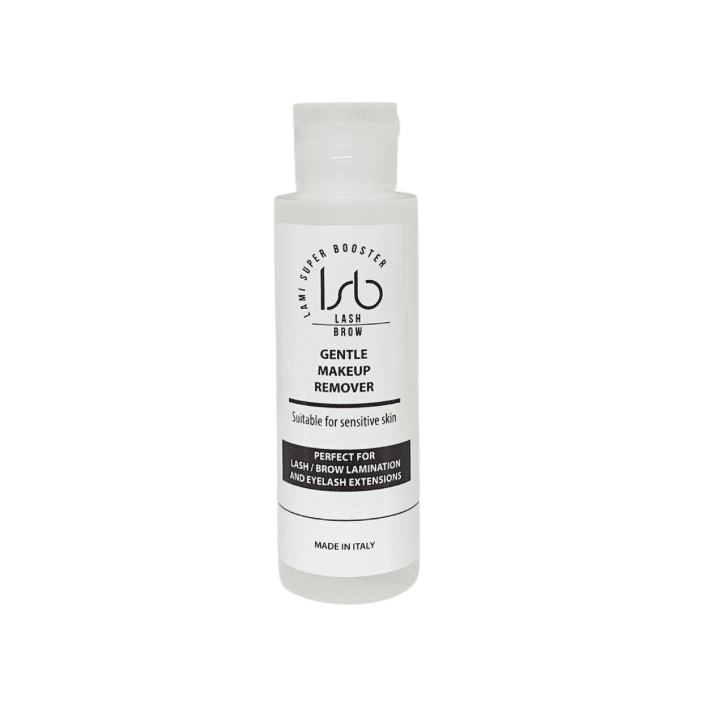
Õrn meigieemaldaja, 12tk
Avoiding Mechanical and Chemical Stressors
Clients must understand that mechanical tools and harsh skincare ingredients are major enemies of a lasting lift. Mechanical eyelash curlers must be avoided entirely; they can crimp, weaken, or snap chemically treated lashes.
If clients choose to wear mascara after the initial 48-hour window, they should opt strictly for water-based, non-waterproof formulas. Waterproof mascara requires vigorous rubbing and oil-based removers to dissolve, both of which will rapidly degrade the lift. Furthermore, skincare products containing active exfoliating ingredients – such as retinol, glycolic acid, or salicylic acid – should be kept far away from the eye area. These powerful active ingredients can weaken the lash structure and cause premature shedding.
Preventing Over-Processing in the Salon
While client aftercare is crucial, poor salon technique can destroy lash integrity before the client even leaves the chair. Technicians must understand the specific lash chemicals they are working with and adjust their application based on the client’s hair profile. Over-processing occurs when lifting solutions are left on the hair for too long, or when the formulation selected is too strong for the client’s lash texture.
Over-processed lashes are easily identified by several key signs:
- Lashes that appear over-curled, frizzy, or singed at the tips.
- A rough, wiry, or brittle texture to the touch.
- Lashes that lose their smooth shape or begin shedding rapidly.
To avoid this, technicians must thoroughly analyze the client’s natural lash thickness and health before beginning. Always follow the manufacturer’s precise timing guidelines and use a consistent timer for both eyes to prevent uneven results. If a technician is overly cautious and ends up with lash lift underprocessing, it is far easier to correct than a severely damaged, over-processed lift.
Once lashes are chemically burned, the damage cannot be fully reversed; the lashes must naturally shed and grow back. In cases of over-processing, all further chemical treatments must be paused. Technicians should advise the client to focus solely on deep conditioning with keratin-rich serums and mild, fragrance-free cleansers until the lashes recover.
Scheduling and Timing Touch-Ups
Educating clients on when to schedule their next treatment is a core aspect of professional client management. A successful lift typically lasts 6 to 8 weeks, aligning directly with the natural lash growth cycle.
When clients ask how soon can you re-do a lash lift, professionals recommend waiting a minimum of 4 to 6 weeks between sessions, though 8 weeks is optimal. Performing the service too frequently leads to cumulative chemical exposure on already processed hair, risking severe damage and brittleness.
Safety and Adverse Reactions
In rare instances, clients may experience ocular irritation or allergic reactions. If any lifting or setting product accidentally enters the eye during the service, immediately flush the eye with cool, clean water for at least 15 minutes and advise the client to seek medical attention if irritation persists. Post-treatment, if a client reports persistent redness, swelling, itching, or burning around the eyelid, they should seek medical evaluation, as these symptoms can indicate an allergic reaction or severe irritation that requires professional medical care.
By combining precise chemical processing with rigorous aftercare education, beauty professionals can ensure their clients enjoy stunning, healthy, and long-lasting results. Elevate your salon’s service quality and client satisfaction rates by exploring our professional lash lift product range, made with high-quality Italian formulas designed to protect and nourish the natural lash.
