



For professional lash technicians, managing client expectations and maintaining natural lash health are core aspects of daily salon operations. Clients often experience anxiety when they notice lash fallout, making it essential for technicians to understand the underlying biological and technical factors behind eyelash shedding.
Under normal conditions, a client typically sheds between 1 and 5 natural eyelashes per day, per eye. With upper eyelids containing roughly 90 to 150 natural lashes, this minor daily loss is simply a sign of healthy ocular hair regeneration.
Eyelash Growth Cycle
To troubleshoot lash loss effectively, beauty professionals must understand the human eyelash growth cycle. Because each hair follicle operates independently, eyelashes cycle asynchronously. This prevents sudden, patchy baldness and ensures a consistent lash line. The cycle is divided into distinct phases:
- Anagen (Growth) Phase: Lasting approximately 4 to 10 weeks, this is the active growth period. Only about 35% to 40% of the upper eyelashes are in this phase at any given time.
- Catagen (Transition) Phase: Over a period of 12 to 21 days, the hair follicle shrinks, growth halts, and the lash prepares for the resting state.
- Telogen (Resting/Shedding) Phase: This stage lasts between 3 and 6 months. The mature lash remains in the follicle until it naturally sheds (sometimes referred to as the exogen phase) and is replaced by a newly developing anagen hair.
Understanding these timelines allows technicians to schedule maintenance appointments and determine if a client’s shedding pattern is normal or abnormal.
Identifying Causes of Excessive Lash Loss
When a client presents with accelerated lash loss (madarosis), technicians must identify the cause to prevent further damage and recommend appropriate action.
Pathological hair loss around the eyes can stem from localized infections, such as blepharitis, which causes persistent follicle inflammation. Other inflammatory skin conditions, including seborrheic dermatitis, contact dermatitis, eczema, psoriasis, and ocular rosacea, also disrupt healthy lash retention.
Systemic medical conditions, such as thyroid disorders (both hypothyroidism and hyperthyroidism) or autoimmune diseases, can prompt the body to attack hair follicles. For clients experiencing autoimmune-related lash thinning, technicians can explore specialized eyelash management for alopecia to find safe cosmetic solutions.
Beyond systemic conditions, excessive shedding can be triggered by high levels of stress, nutritional deficiencies in protein, biotin, iron, and vitamins A, D, or E, and psychiatric conditions like trichotillomania. Certain medications, including chemotherapeutic agents and blood thinners, also list lash loss as a side effect.
Technical Variables in Lash Treatments
Improper application techniques during chemical or mechanical styling services can weaken the hair structure, resulting in premature fallout or traction alopecia.
Lash Lifts and Lamination Errors
Over-processing is one of the most common causes of chemical lash damage. Technicians must strictly adhere to manufacturer processing times and avoid applying lifting solutions to the delicate tips of the lashes. Over-processed lashes display severe cuticle degradation, leading to dehydration and eventual breakage. Professionals can learn more about identifying and managing these issues by reviewing our guide on preventing lash cuticle damage.
To maintain natural hair integrity, always respect the hair cycle by waiting at least 6 to 8 weeks between treatments. For guidance on safe scheduling intervals, consult our resource on how soon you can re-do a lash lift. Additionally, performing a thorough consultation helps identify high-risk clients; check the complete list of lash lift contraindications before starting any chemical service.
Eyelash Extension Application Safeguards
When applied correctly, professional eyelash extensions do not damage natural lashes or disrupt the natural shedding cycle. To protect the client’s lash line, follow these strict technical standards:
- Perfect Isolation: Attach each extension to only one natural lash. Gluing lashes together prevents natural individual growth, causing tension and pulling out the weaker lash prematurely.
- Distance from the Skin: Place extensions approximately 0.5 mm to 1.0 mm away from the eyelid. Never glue extensions directly to the skin or block the hair follicles, as this can cause inflammation, irritation, or follicular damage.
- Weight and Length Selection: Choose extensions that match the client’s natural lash strength. As a rule, extensions should be no more than 2 to 3 mm longer than the natural lash, and the natural lash must support at least half to two-thirds of the extension’s weight. Overloading causes traction alopecia.
- Hygiene and Sanitation: Maintain rigorous sanitation protocols. Disinfect metal tools, use disposable wands, wash hands, and clean workstations between every client to prevent bacterial infections.
- Professional Removal: Instruct clients never to pick, pull, or attempt to remove extensions at home. Mechanical friction from self-removal tears out the natural hair from the root, causing follicle trauma.
Professional Aftercare Protocols
Educating clients on proper home care is essential for extending the lifespan of lash lift supplies and preserving natural lash health. Implement standard lash lift aftercare protocols and emphasize gentle home maintenance.
During the first 24 to 48 hours post-treatment, clients must keep their lashes dry and avoid water, steam, sweat, and heavy eye makeup to allow the chemical bonds to set. Advise clients to avoid mechanical eyelash curlers and waterproof mascaras entirely, as the aggressive physical pressure and harsh removal chemicals can break the lashes.
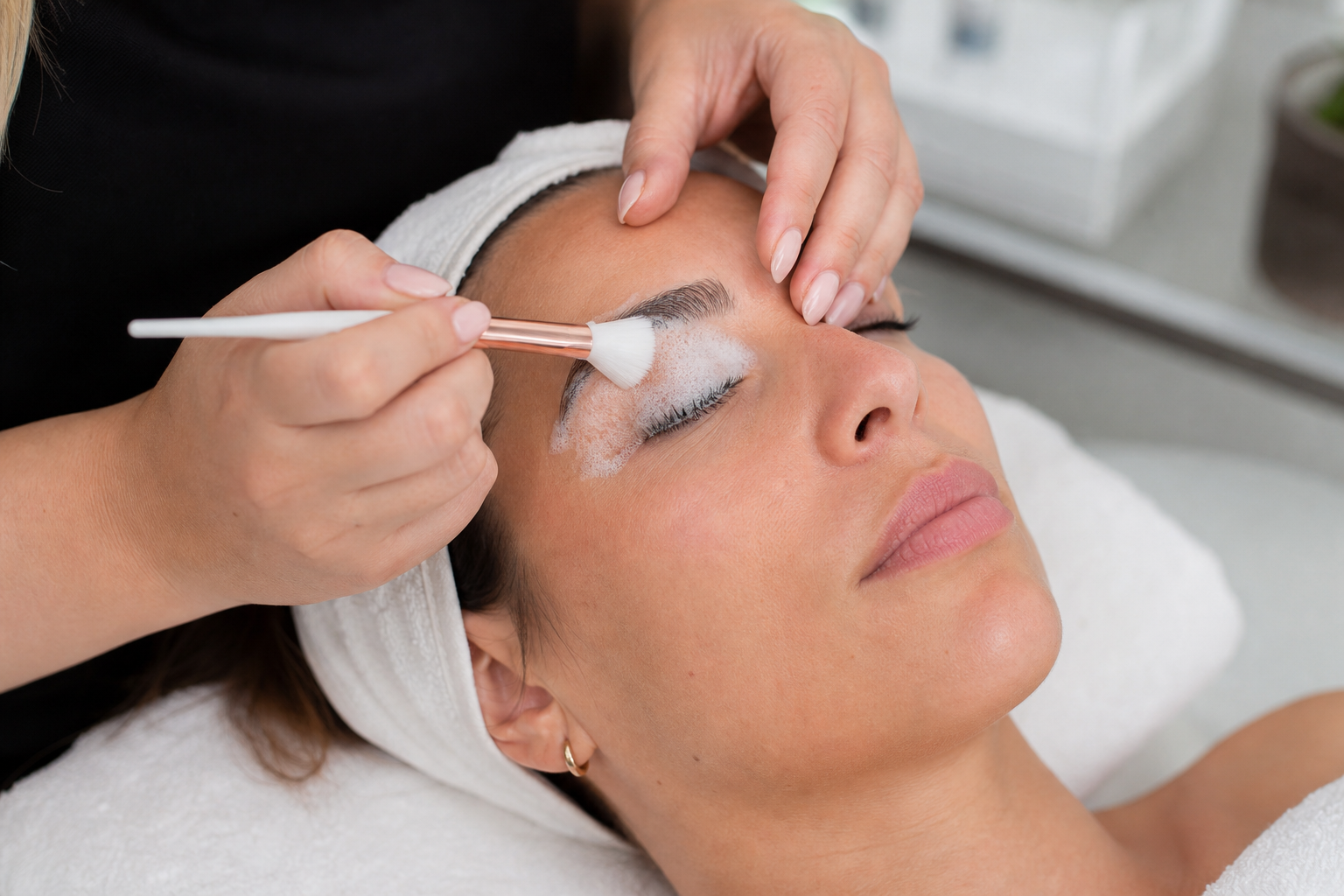
Proper daily hygiene is critical. Instruct clients to wash their lashes daily with a dedicated, oil-free foam cleanser and soft brush to eliminate harmful bacteria and cosmetic buildup. This prevents blepharitis and follicular inflammation without degrading the adhesive or lash lift.


Providing nourishing treatments also supports the lash cycle. Clients should apply daily specialized eyelash serums that contain hydrolyzed keratin, collagen, sodium hyaluronate, and hydrolyzed silk. This replenishes moisture, restores elasticity, and supports natural lash growth.


Retailing these aftercare items directly to clients helps salons ensure proper post-treatment maintenance while generating additional revenue. Providing pre-packaged, multi-pack retail sets makes it simple for clients to transition to safer home care routines.
Nutrilash ripsmeseerum, 6tk
Elevate Your Professional Practice
Mastering the science of the lash growth cycle and identifying the causes of lash shedding allows technicians to offer superior care and build lasting client trust. For beauty professionals looking to refine their application methods, prevent technical damage, and master next-generation formulas, explore our professional education programs or contact our team via WhatsApp to find the right training for your salon.
