


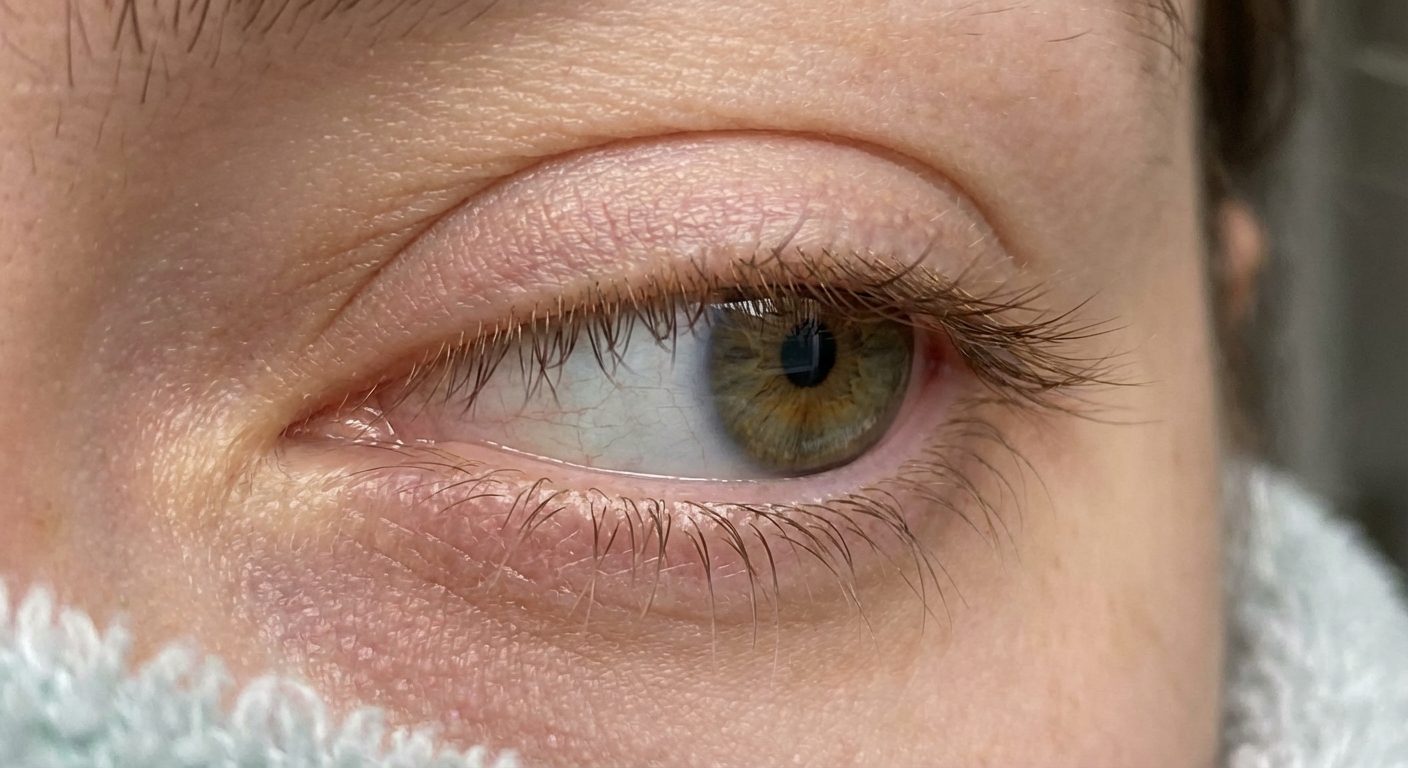
Understanding the biological foundation of eyelashes is essential for any beauty technician aiming to provide high-quality, safe treatments. The eyelash follicle is a complex mini-organ located within the dermis of the eyelid, responsible for the production, nourishment, and anchoring of the hair shaft. Unlike scalp hair, eyelash follicles have unique anatomical features and a significantly shorter growth cycle, which directly influences how we approach services like lash lifts, tints, and extensions.
Anatomy of the Eyelash Follicle and Hair Shaft
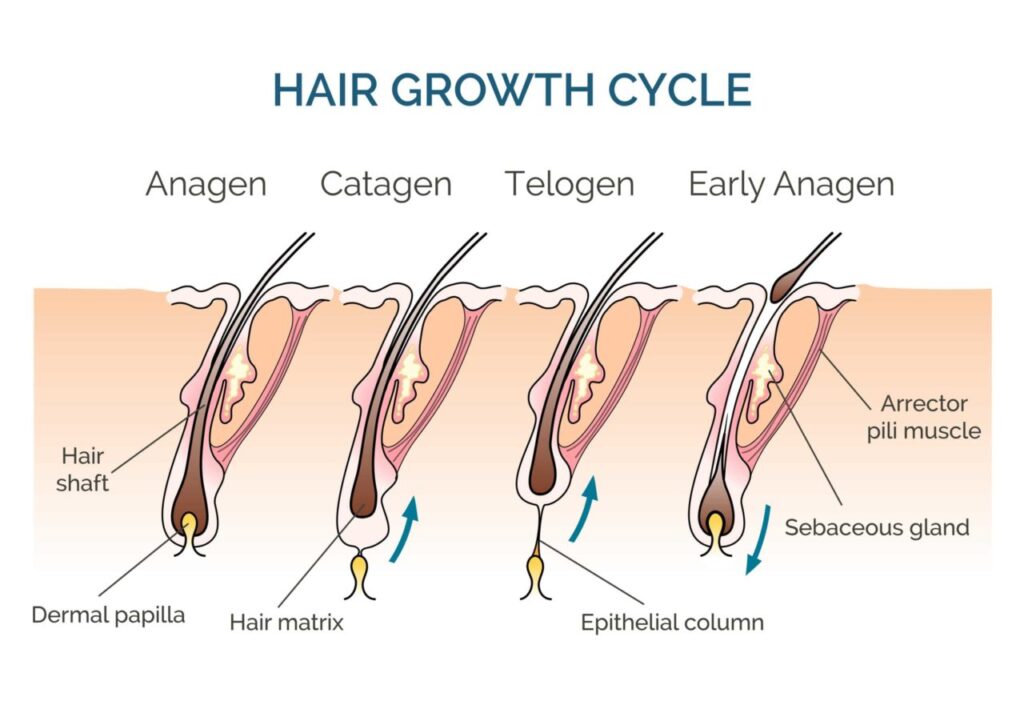
The eyelash follicle is situated approximately 2.4 mm deep in the upper eyelid and 1.4 mm in the lower eyelid. This depth is notably shallower than that of scalp follicles, which often extend into the hypodermis. At the very base of the follicle lies the dermal papilla, a cluster of connective tissue and blood vessels that acts as the follicle’s “powerhouse,” providing the nutrients necessary for growth. Surrounding this is the germinal hair matrix, where rapid cell division occurs to create the lash itself.
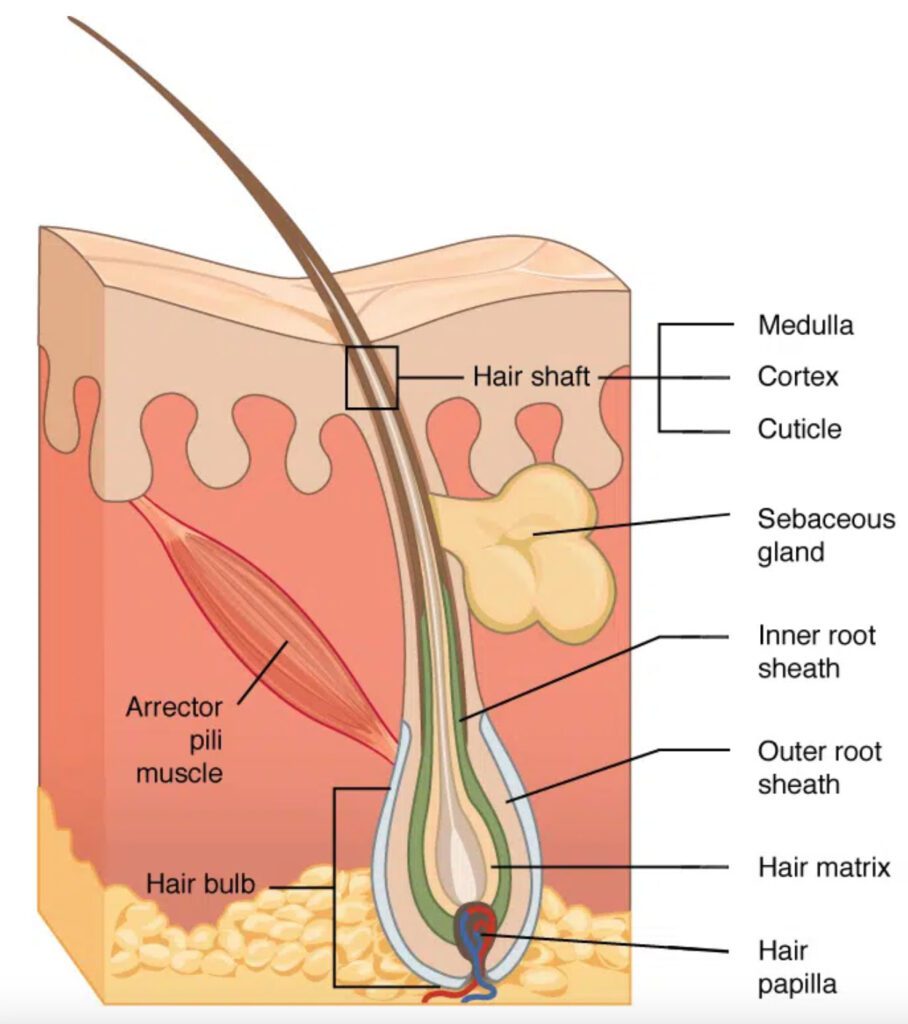
The hair shaft is composed of three distinct layers that technicians must evaluate before initiating any chemical process. The outermost protective layer, the cuticle, consists of 7 to 10 overlapping scale-like cells that manage moisture retention. Beneath the cuticle is the cortex, which contains the majority of the lash’s fibrous keratin and melanin. This is where the internal chemical bonds are manipulated during a lift or lamination. Finally, the medulla forms the innermost core; in finer lashes, this layer is often thin or absent, which can affect the overall diameter and structural integrity of the hair.

Associated Glands and Protective Mechanisms
Eyelash follicles lack the arrector pili muscles found in scalp hair, meaning they cannot “stand on end” in response to cold or emotion. Instead, the follicle is supported by specialized glands that maintain the ocular environment and protect the lash. The Glands of Zeis are modified sebaceous glands that secrete an oily substance into the follicle to keep the hair flexible and prevent brittleness. Complementing these are the Glands of Moll, which are apocrine sweat glands providing essential immune defense for the eyelid margin.
If these glands become blocked due to poor hygiene or the accumulation of makeup residue, it can lead to complications such as folliculitis or blepharitis. For technicians, ensuring a clean lash line is not just a preparation step for aesthetics; it is the first line of defense in protecting the follicle’s long-term productivity.


The Eyelash Growth Cycle
The biological stages of hair growth dictate treatment longevity and natural shedding patterns. Because lashes grow at a rate of approximately 0.12 mm to 0.14 mm per day, the visible results of a lift or tint will naturally shift as the hair progresses through its phases.
Anagen: The Active Growth Phase
The anagen phase is the active period of production, typically lasting between 4 and 10 weeks. Approximately 40% to 90% of a client’s lashes are in this phase at any given time. This is the ideal stage for applying nutritional support, as the hair is still connected to the dermal papilla and receiving an active blood supply. Technicians should note that since anagen lashes are actively growing, they are the first to show “outgrowth” after a treatment.
Catagen: The Transition Period
During the brief 2 to 3-week catagen window, the follicle shrinks and the hair detaches from its blood supply. The lash has reached its full length and is simply being held in place. If a lash is pulled out or traumatized during this phase, it will not begin growing back until the follicle completes the entire cycle and enters a new anagen phase. This highlights the importance of gentle handling during professional lash lift procedures.
Telogen and Exogen: Resting and Shedding
The telogen phase is a resting period that can last up to 100 days. Eventually, the cycle concludes with exogen, where the old lash falls out as a new anagen hair begins to form beneath it. On average, a person naturally sheds 1 to 5 lashes per day. Understanding this helps technicians manage client expectations regarding the natural “gaps” that appear in extensions or the gradual fading of a lift over a 6 to 8-week period.
Nutrilash Eyelash Serum, 6pc
Factors Influencing Follicle Health
Several internal and external factors can alter the eyelash growth rate and follicle productivity.
- Hormones: Changes in thyroid function, pregnancy, or elevated cortisol levels can disrupt the growth cycle. Hormonal shifts often lead to premature shedding or a brittle texture, which may require technicians to adjust processing times for lamination or use more nourishing formulas.
- Nutrition: Deficiencies in protein, biotin, or vitamin D deficiency can lead to thinning and follicular miniaturization.
- Age: As clients age, particularly post-30, the anagen phase often shortens, while the telogen phase may lengthen, resulting in thinner, sparser lashes that require delicate care.
Professional Considerations and Clinical Risks
As beauty professionals, we must be vigilant against traction alopecia, a condition caused by excessive weight from extensions or frequent mechanical pulling that damages the dermal papilla. If the papilla is repeatedly traumatized, it can lead to permanent scarring and the cessation of hair growth, known as madarosis.
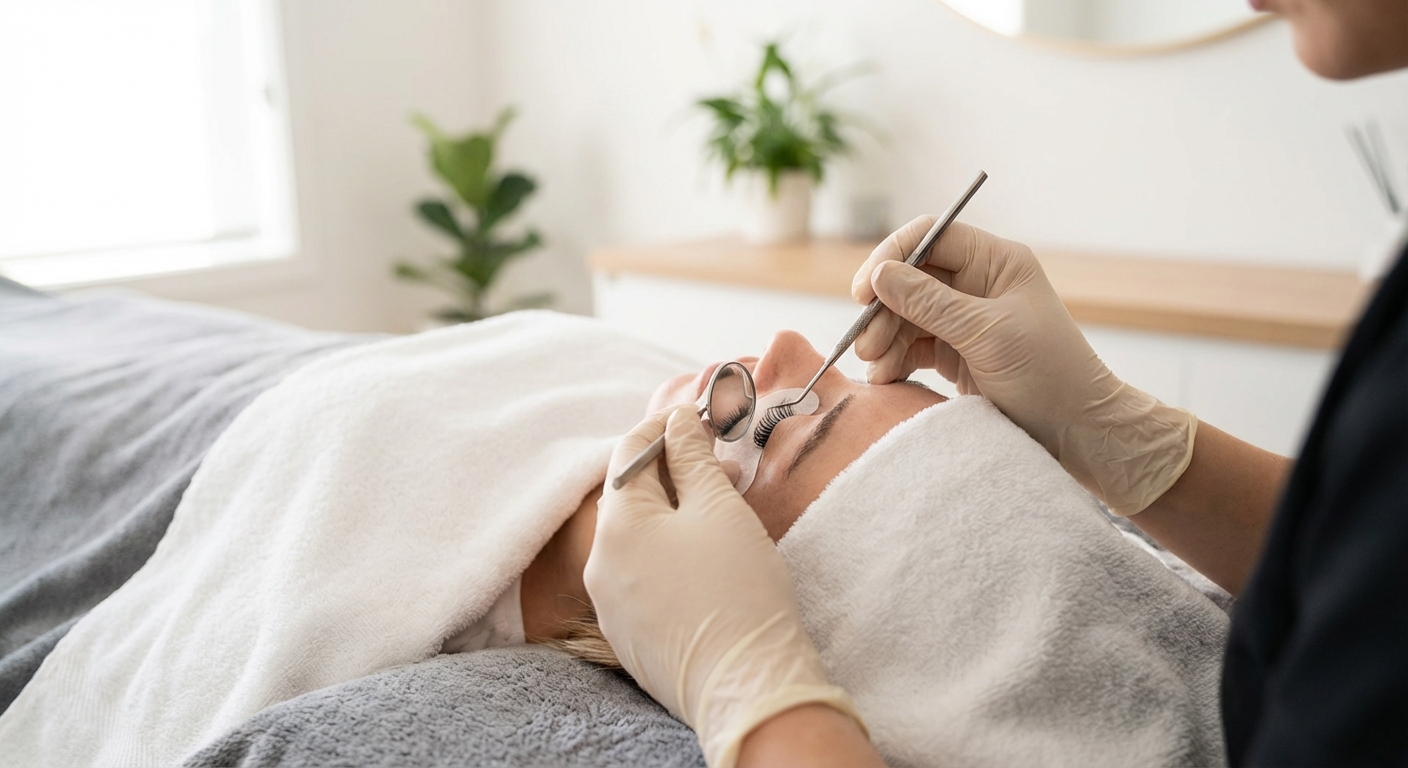
When performing a lash lift, precise application is paramount to avoid damaging the follicle or the hair’s structural integrity. For example, applying a 1mm layer of lifting lotion only to the base and mid-section of the lash – while strictly avoiding the tips – prevents over-processing. Over-processed lashes become porous and weak because their internal disulfide bonds are broken without proper structural reinforcement. Grounding your practice in the science of the eyelash follicle allows you to better troubleshoot retention issues and educate your clients on how to keep eyelashes healthy between appointments.
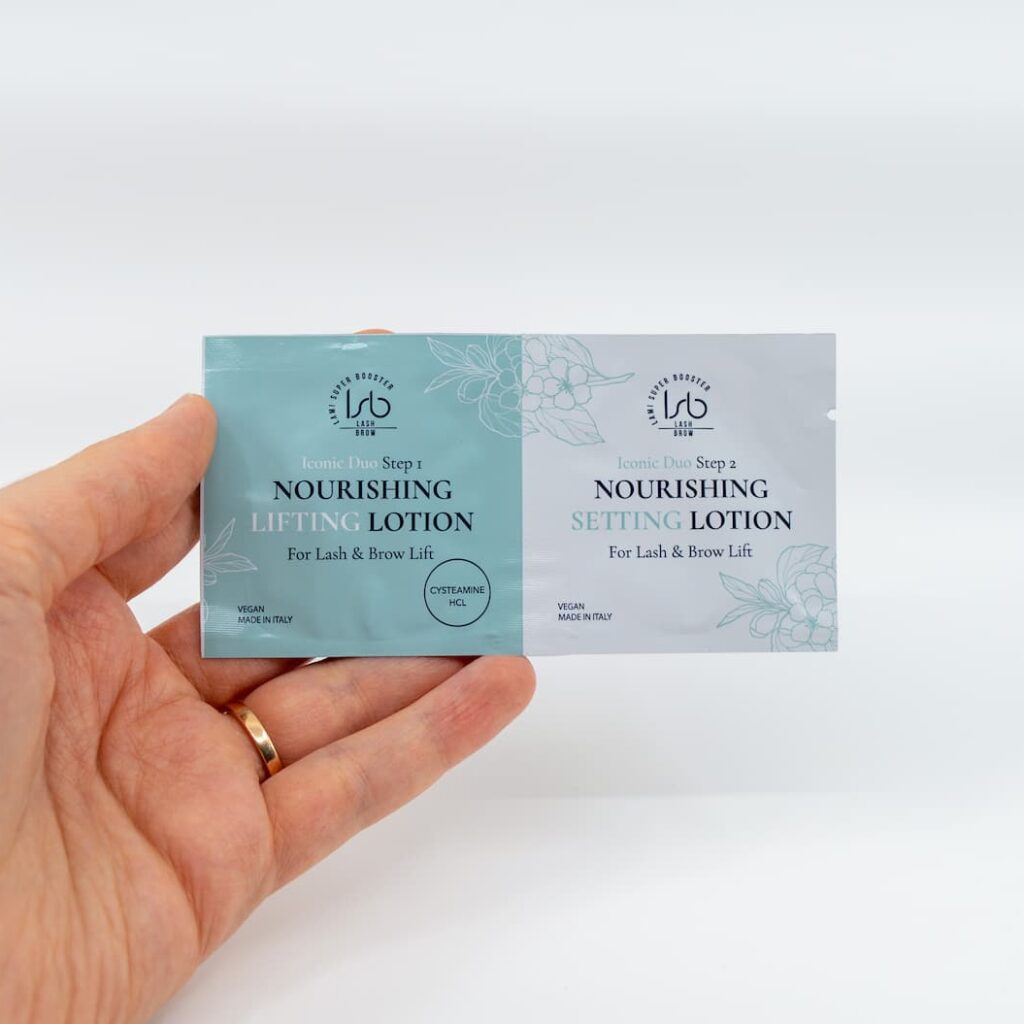
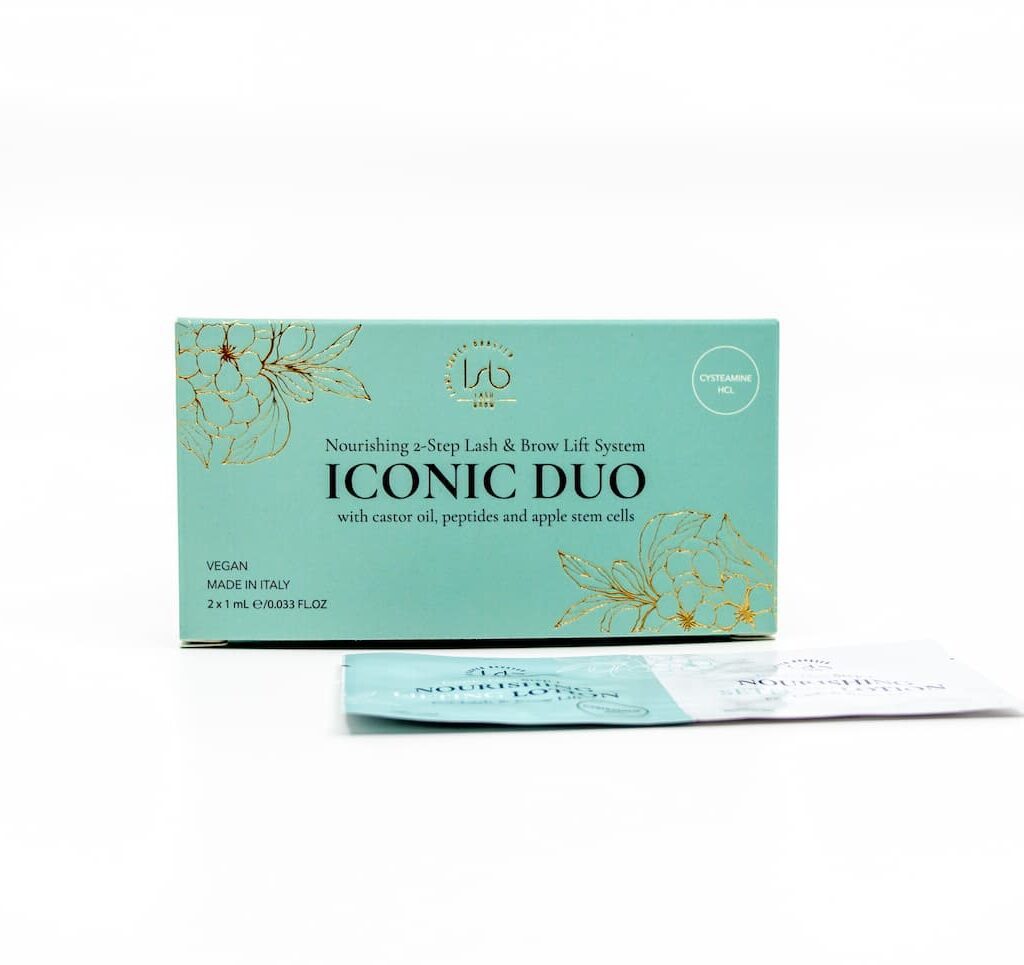

To ensure your treatments support natural lash biology while delivering superior results, explore our range of professionally formulated lifting and aftercare systems designed to nourish the follicle from root to tip.